

Last Updated 08/04/2026
Stormwater Management Ordinance
CHAPTER 1. - STORMWATER MANAGEMENT
Sec. 23-106. - Objectives and policy.
Maintenance responsibility.
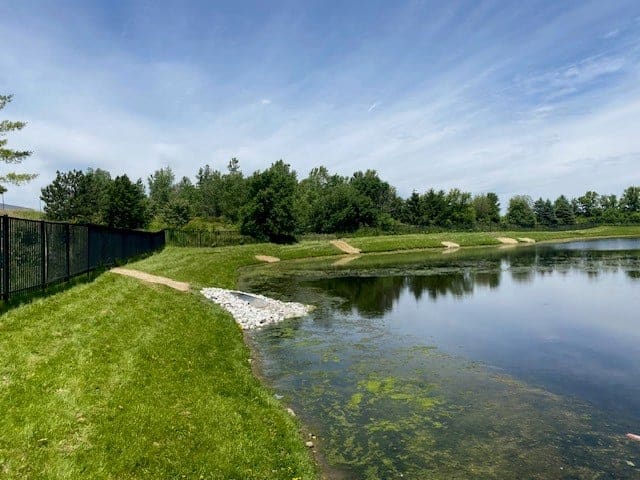
(i) Any stormwater management feature or BMP which services individual property owners or subdivisions shall be privately owned with general routine maintenance (controlling vegetative grown and removing debris, or as otherwise defined in the recorded inspection and maintenance agreement) provided for by the owner(s). The owner shall maintain a perpetual, non-exclusive easement, which allows for access for inspection and other maintenance by the city.
(ii) Any stormwater management feature or BMP which services an individual subdivision in which the feature or BMP is within designated open areas or an amenity with an established homeowners’ association shall be privately owned and maintained consistent with provisions of this title. The owner shall maintain a perpetual, nonexclusive easement, which allows for access for inspection and emergency maintenance by the city.
(iii) Any stormwater management feature or BMP which services commercial and industrial development shall be privately owned and maintained consistent with the provisions of this title. The city has the right, but not the duty to enter premises for emergency repairs through a perpetual nonexclusive easement. All stormwater management features proposed by the owners, if accepted by the city engineer and approved by the board of mayor and aldermen for dedication as a public regional stormwater management feature shall be publicly owned and maintained.
(iv) All other stormwater management features shall be publicly owned and/or maintained only if accepted for maintenance by the city through a formal agreement recorded at the Williamson County, Tennessee, register of deeds. Existing or proposed public utility or drainage easements shall not constitute a formal agreement and shall not constitute any real or implied maintenance requirement upon or by the city.
(v) The city engineer may require dedication of privately owned stormwater management features that discharge to the city’s stormwater MS4 system.
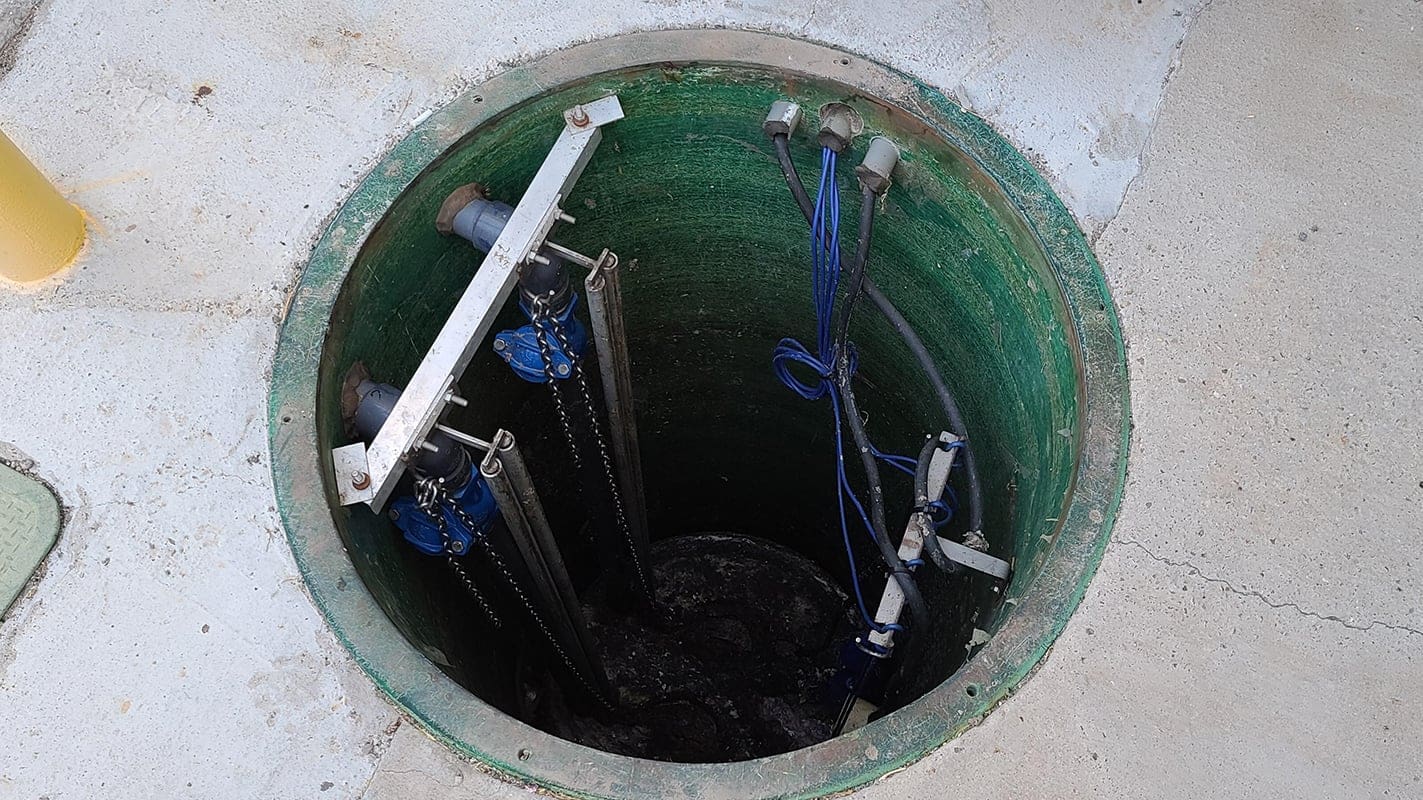
(vi) All stormwater BMPs shall be required to place maintenance signs approximately nine inches by twelve inches on or near BMPs in order to ensure identification and proper maintenance of features.
An inspection and maintenance agreement for stormwater management facilities and long-term maintenance plan shall be submitted for review and approval by the city engineer and then recorded with the register of deeds for Williamson County, TN for all stormwater management features, in new development and redevelopment that require more than general maintenance (i.e., mowing, weeding, etc.). Any subsequent site plan revisions, amendments, field changes, etc. shall require modification of both the IMA and LTMP. The plan shall address through exhibits, schedules and techniques for inspections and maintenance of the facilities and devices. Documentation of the inspection schedule, times of inspection, remedial actions taken to repair, modify or reconstruct the system and the state of control measures shall be submitted by the owner to the city engineer on or before July 1 of each year.
Green infrastructure—Runoff reduction requirements. This section shall be effective for all development and redevelopment under the jurisdiction of this title submitted for plan review on or after January 1, 2014.
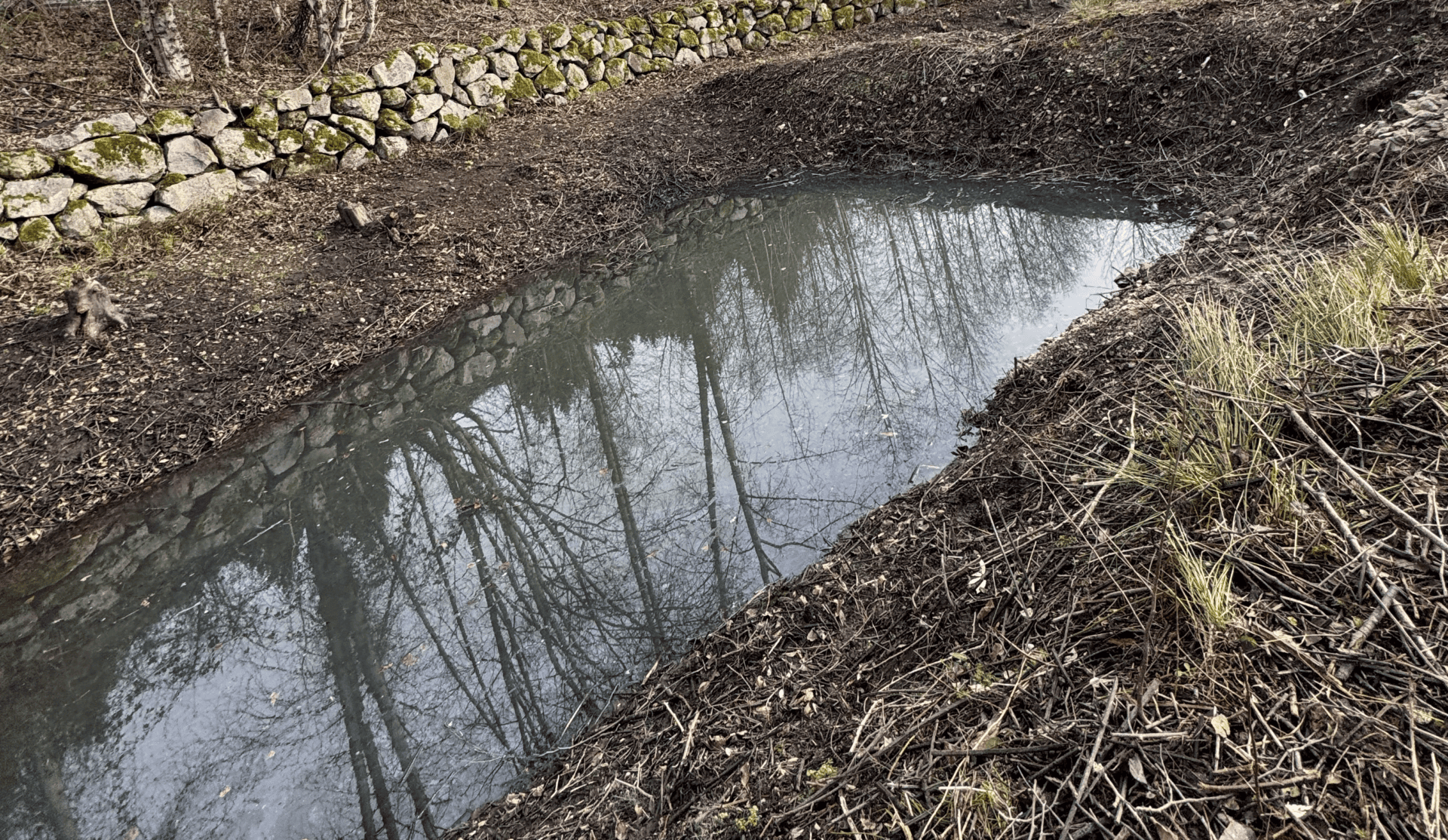
(a) All new development and redevelopment shall utilize site design standards that reduce stormwater runoff volume through the use of green infrastructure practices which are designed to infiltrate, evapotranspire, and/or reuse rainwater. The green infrastructure practices shall be designed to reduce the volume of stormwater runoff using the runoff reduction method (RRM) as defined in the current City of Franklin Stormwater Best Management Practices (BMP) Manual.
(b) All green infrastructure practices shall be located in open space lots on residential developments requiring plats. All other development and redevelopment shall be required to locate green infrastructure practices in an exclusive public drainage and green infrastructure easement.
(c) The city engineer may approve alternative practices in lieu of runoff reduction/green infrastructure when site limitations exist. Criteria to determine the circumstances under which alternatives are available shall not be based solely on the difficulty or cost of implementing practices. The determination shall be based on one or more of the following site limitations:
(i) Where the potential for introducing pollutants into groundwater exists unless pretreatment is provided;
(ii) Where pre-existing soil contamination is present in areas subject to having contact with infiltrated runoff;
(iii) Where sinkholes or other karst features are present on the site (stamped geotechnical report shall be submitted to the city engineer);
(iv) Where the site has a historic or archaeological significance that cannot be disturbed as determined by the state historic preservation office;
(v) Where utility conflicts preclude the use of green infrastructure practices;
(vi) Where steep slopes are present and slope failure may occur (stamped geotechnical report shall be submitted to the city engineer); and
(vii) Other site limitations as determined by city engineer.
(viii) Cost and difficulty of implementing green infrastructure/runoff reduction measures shall not be considered a limitation.
Sec. 23-108. - Maintenance requirements.
(1) The maintenance responsibilities for permanent stormwater management features and riparian buffers shall be determined based upon the type of ownership of the property which is controlled by the stormwater management features.
(2) Single entity ownership. Where the permanent riparian buffers and stormwater management features are designed to manage runoff from property in a single entity ownership as defined below, the maintenance responsibility for the stormwater management features shall be with the single entity owner.
(a) The stated responsibilities of the entity in terms of owning and maintaining the stormwater management feature and riparian buffers shall be submitted with the IMA/LTMP for determination of their adequacy. Approval of the IMA/LTMP shall be conditioned upon the approval of these terms. These terms shall be in writing on the IMA, shall be recorded at the register of deeds office, and shall, in addition to any other terms deemed necessary by the city, contain a provision permitting inspection at any reasonable time by the city engineer, or his designee, of all such features or facilities deemed critical in the public welfare.
(b) A single entity shall be defined as an association, public or private corporation, partnership firm, trust, estate, or any other legal entity allowed to own real estate exclusive of an individual lot owner.
(c) Upon approval of the IMA/LTMP by the city, the owner(s) shall demonstrate the ability to garner and apply the financial resources necessary for long-term maintenance requirements. The funding mechanism shall be in a form approved by the city. The city will only approve funding mechanism(s) for long-term maintenance responsibilities that can be demonstrated to be permanent or transferable to another entity with equivalent longevity.
(d) Unless made specifically clear in the preliminary stages of the site design and construction plan review procedure, it will be assumed that all stormwater management features and/or devices, and riparian buffers shall be owned, operated, and maintained by a single entity as defined above.
(e) All stormwater management features and riparian buffers physically located within a section or lot shall be contained and referenced in that section or lots IMA and LTMP for a site. In some cases of regional stormwater management features the city engineer may allow otherwise if private agreements are in place denoting maintenance responsibilities.
(3) Municipal ownership. Where the city has accepted an offer of dedication of permanent stormwater management features or infrastructure, the city shall be responsible for maintenance. Dedication of a permanent stormwater management feature shall be through a formal agreement or plat recorded at the Williamson County, Tennessee Register of Deeds. Existing or proposed public utility or drainage easements shall not constitute a formal agreement and shall not constitute any real or implied maintenance requirement upon or by the city.
(4) Construction performance agreement. The city may require the posting of a performance agreement to secure the structural integrity of said facilities as well as the functioning of said facilities in accordance with the City of Franklin Zoning Ordinance.
Sec. 23-111. - Enforcement.
The city shall have the authority to institute appropriate actions or proceedings at law or equity for the enforcement of this title. Any court of competent jurisdiction shall have the right to issue restraining orders, temporary or permanent injunctions, and other appropriate forms of remedy or relief. Any person unlawfully polluting water resources or the city’s MS4 system or violating or failing, neglecting, or refusing to comply with any provisions of this title as it relates to Tennessee Code Annotated, § 69-3-101 et seq. (as it may be amended) commits a Class C misdemeanor. Each day of noncompliance is considered a separate offense; and nothing herein contained shall prevent the city from taking such other lawful action as is necessary to prevent or remedy any violation, including application for injunctive relief. Any of the following enforcement remedies and penalties shall be available to the city in response to violations of this title. If the person, property or facility has or is required to have a stormwater discharge permit from the TDEC, the city shall alert the appropriate state authorities of the violation.
(1) Notice of violation (NOV). Whenever designated city staff find that any person, company, facility, permittee, operator, or property owner or person occupying a premises has violated or is violating this title or order issued hereunder, the city engineer, or his designee, may serve, by personal service, or by registered or certified mail, upon said person a written NOV. The NOV shall outline violations observed on-site, corrective actions required and specify a timeframe for corrective actions to be completed by. Failure of the violator to comply with the stated conditions shall result in further enforcement actions and timelines outlined within the NOV or within section 23-111.
(2) Revocation of permit. The city engineer, or his designee, may revoke and require the return of a permit or certificate by notifying the permit holder in writing, stating the reason for the revocation. Permits or certificates shall be revoked for any substantial departure, as determined by the city engineer, or his designee, yes from the approved site plans, design guidelines or specifications; refusal or failure to comply with the requirements of state or local law; refusal or failure to comply with enforcement actions outlined in section 23-111; or for false statements or misrepresentations made in securing the permit or certificate. Any permit or certificate mistakenly issued in violation of any applicable state or local law may also be revoked.
(3) Compliance order. If any person, company, or facility shall violate the provisions of this title, the city engineer, or his designee, may give notice to the owner or to any person in possession of the subject property, ordering that all unlawful conditions existing thereupon be abated within a schedule defined from the date of such notice.
(a) The city engineer, or his designee, shall have the authority to establish elements of a stormwater pollution prevention plan, and to require any business to adopt and implement such a plan, as may be reasonably necessary to fulfill the purposes of this title. The city engineer, or his designee, may establish the requirements of best management practices for any premises.
(b) The notice and order may be given provided that if, in the opinion of the city engineer, or his designee, the unlawful condition is such that it is of imminent danger or peril to the public, then an authorized city representative may, without notice, proceed to abate the same, and the cost thereof shall be charged against the property. The city, as described further in this subsection, may recover the cost of such actions from the property owner.
(4) Civil penalties. Any person, company, facility, or property who has been found to have been in violation of any provision of this title may be assessed a civil penalty by the city engineer, or his designee, and may be served, by personal service, or by registered or certified mail, upon said person. Civil penalties shall not exceed the amount presented in this subsection.
(a) The penalty may increase by 25 percent of the previous penalty amount for every subsequent but separate offense made by the same person, company, or facility. The penalty shall be additional to other enforcement actions of this section.
(b) The penalty may be assessed by the city engineer, or his designee, for each day beyond schedules applied in compliance orders or other schedules issued to the property owner or other person responsible for unauthorized activity defined in this title.
(c) In determining the amount of the penalty, the city engineer, or his designee, shall consider the following:
(i) The degree and extent of the harm to the natural resources, to the public health, or to the public or private property resulting from the violation;
(ii) The duration and gravity of the violation;
(iii) The effect on ground or surface water quality;
(iv) The cost of rectifying the damage;
(v) The amount of money saved by noncompliance;
(vi) Whether the violation was committed willfully or intentionally;
(vii) The cumulative effect of other enforcement actions applied for the same offense;
(viii) The prior record of the violator in complying or failing to comply with the stormwater quality management program; and
(ix) The costs of enforcement to the city.
(d) The maximum daily civil penalties shall be determined by the city engineer, or his designee, based on the type of offense. This indicates the maximum that may be imposed for a first offense and does not reflect the increases described above for repeat offenses. Payment of civil penalties are due 30 days after issuance by the city engineer, or his designee. Failure to pay civil penalties within 30 calendar days of the civil penalty letter being served, may result in further enforcement actions determined by the city engineer, or his designee, as defined in section 23-111.
(i) Development without permit—$10,000.00. To engage in any development, redevelopment, use, construction, remodeling, or other activity of any nature upon land or improvements thereon subject to the jurisdiction of this title without all required permits, certificates, or other forms of authorization as set forth in this title.
(ii) Development inconsistent with permit—$5,000.00. To engage in any development, redevelopment, use, construction, remodeling, or other activity of any nature in any way inconsistent with any approved plan, permit, certificate, or other form of authorization granted for such activity.
(iii) Violation by act or omission—$5,000.00. Any person, company, facility, or property that violates, by act or omission, any term, variance, modification, standard, requirements, condition, or qualification placed by the city or its agent departments upon any required permit, certificate, site plan, development plan, inspection and maintenance agreement, long-term maintenance plan, or other form of authorization of the use, development, redevelopment, or other activity upon land or improvements thereon.
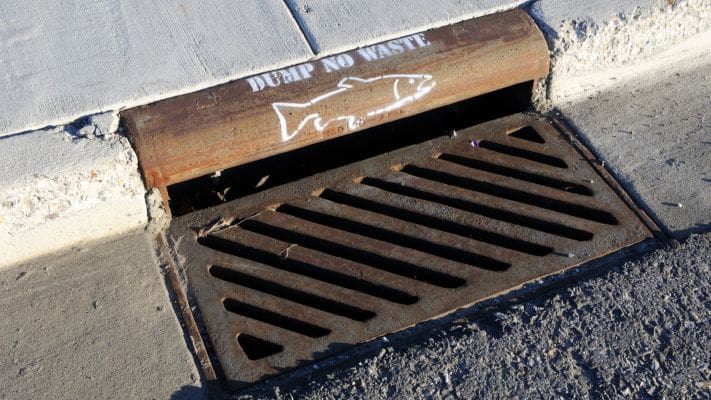
(iv) Illicit Discharge—$5,000.00. Any person, company, facility, or property who is found to have improperly disposed of any substance that is not defined in section 23-110 of this title or causes the city to be in noncompliance with any applicable environmental permit.
(v) Household products—$500.00. Any person, company, facility, or property who is found to have improperly disposed of any substance not included in section 23-109 of this title that was purchased over the counter for household use, in quantities considered normal for household purposes, which, upon discharge to the MS4 or drainage network, would have an adverse impact on water quality or cause the city to be in noncompliance with any applicable environmental permit.
(vi) Other offenses—-$5,000.00. Any person, company, facility, or property found to be in violation of any provision covered under this title but not categorized by one of the above.
(e) In the event there are penalties assessed by TDEC against the city caused by any person, company, or facility, said person, company, or facility shall be assessed the equivalent amount of civil penalty. This shall include, but is not limited to, penalties for improper disposal or illegal dumping, or illicit connections into the MS4.
(5) Stop work order. Any person, company, or facility who has been found to have been in violation of any provision of this title may be issued a stop work order. This shall be an order requiring the entity in violation to cease any and all work associated with any grading, building, or stormwater permit issued by the city. Work to correct or rectify the violation(s) may be allowed. This order is to be in place until all violations have been corrected in their entirety and all civil penalties have been paid to the city.
(6) Order to clean and abate/restore. Any violator may be required to clean and/or restore land to its condition prior to the violation.
(7) Cost recovery. If corrective action, including maintenance delinquency, is not taken in the time specified or within a reasonable time if no time is specified, the city may take the corrective action, and the cost of the corrective action shall be the responsibility of the owner and the developer. The cost of the abatement and restoration shall be borne by the owner of the property and the cost therefore shall be invoiced to the owner of the property. If the invoice is not paid within 90 days, the city shall have the authority to place a lien upon and against the property. If the lien is not satisfied within 90 days, the city is authorized to take all legal measures as are available to enforce the lien as a judgment, including, without limitation, enforcing the lien in an action brought for a monetary judgment, by delivery to the assessor or a special assessment against the property.
(8) Injunctions and/or proceedings at law or in equity. Any violation of this title or of any condition, order, requirement, or remedy adopted pursuant hereto may be restrained, corrected, abated, mandated, or enjoined by other appropriate proceeding pursuant to state law.
(9) Fee or utility credit revocation. This enforcement tool is intended to be available or used if there are, at any time, provisions for a funding mechanism managed by the city. This enforcement tool permits that credits or other measures to reduce fees or utility charges may be revoked, in full or in part, if any provision of this title, or given authority per section 23-110 of this title, is violated.
(10) Civil actions. In addition to any other remedies provided in this title, any violation of this title may be enforced by civil action brought by the city attorney. Monies recovered under this subsection shall be paid to the city to be used exclusively for costs associated with implementing or enforcing the provisions of this title. In any such action, the city may seek, as appropriate, any or all of the following remedies:
(a) A temporary and/or permanent injunction;
(b) Assessment of the violator for the costs of any investigation, inspection, or monitoring survey which leads to the establishment of the violation, and for the reasonable costs of preparing and bringing legal action under this subsection;
(c) Costs incurred in removing, correcting, or terminating the adverse effects resulting from the violation; and/or
(d) Compensatory damages for loss or destruction to water quality, wildlife, fish, and aquatic life.
(11) Emergency orders and abatements. The city engineer, or his designee, may order the abatement of any discharge from any source to a public or private stormwater conveyance system or water resources when, in the opinion of the city engineer, or his designee, the discharge causes or threatens to cause a condition which presents an imminent danger to the public health, safety, or welfare, or the environment, or a violation of a NPDES permit. In emergency situations where the property owner or other responsible party is unavailable and time constraints are such that service of a notice and order to abate cannot be affected without presenting an immediate danger to the public health, safety, or welfare, or the environment or a violation of a NPDES permit, the city may perform or cause to be performed such work as shall be necessary to abate said threat or danger. The costs of any such abatement shall be borne by the owner and shall be collectable in accordance with the provisions of this subsection.
(12) Appeals. Upon issuance of an enforcement action of this stormwater management ordinance (this title), it shall be conclusive and final unless the accused violator submits a written notice of appeal to the city engineer within ten days of the enforcement action being served. If the city engineer does not issue a decision within ten days of the written notice of appeal, then the enforcement action is considered upheld. If the city engineer does not reverse the decision or if the violation is considered upheld, the aggrieved party may appeal to the stormwater appeals board by filing a written request for hearing within 30 days of the city engineer’s decision on the appeal. The request for hearing shall state the specific reasons why the decision of the city engineer is alleged to be in error and shall be accompanied by the stormwater appeals board application, stormwater appeals board checklist and a payment in the amount of $750.00 to cover the cost of court reporters, transcripts, plan reviews, and other administrative costs associated with the appeal. In the event the stormwater appeals board overturns the decision of the city engineer, this payment may be refunded to the appellant.
(13) Failure to accept or undeliverable enforcement actions. In cases where a violator refuses acceptance of an enforcement measure or an enforcement measure is declared undeliverable, then all timelines and dates mentioned in section 23-111 shall be from date of attempted delivery by city staff.
View State Page
Frequently Asked Questions
Can the City of Franklin inspect my property for stormwater compliance?
Yes. Designated city staff have the right to enter any property subject to the stormwater title, with ready access to all areas for inspection, monitoring, sampling, records examination, and copying. If your property has security measures in place, you’ll need to arrange for staff to be admitted upon presenting identification, without delay.
What types of inspections does the City of Franklin conduct?
The city can require several types of inspections depending on where a project stands, including:
- Initial inspection before the stormwater management plan is approved
- Bury inspection before any underground drainage structure is covered
- Erosion control inspections as needed to keep erosion and sedimentation under control
- Finish inspection once all work, including stormwater facilities, is complete
- Regular or random follow-up inspections to confirm ongoing compliance
Who is responsible for maintaining permanent stormwater facilities in Franklin?
It depends on the type of ownership. For property held by a single entity, such as an association, corporation, partnership, or trust, that entity is responsible for maintaining the stormwater control facilities. The maintenance terms must be submitted with the stormwater management plan, recorded at the register of deeds office, and must allow the city engineer to inspect the facilities at any reasonable time. AQUALIS can help property owners put these funding and maintenance terms together in a form the city will approve.
Do I need to prove I can afford long term stormwater maintenance in Franklin?
Yes, if you’re a single entity owner of stormwater facilities. Once the city approves your facilities, you’ll need to demonstrate you can access the financial resources needed for long term maintenance, using a funding mechanism the city approves as permanent or transferable to another entity of equivalent longevity.
What triggers a notice of violation in Franklin, Tennessee?
If city staff find a violation of the stormwater title, the city engineer can issue a written notice of violation. Within 30 days of receiving it, or a shorter period if specified, the property owner must submit an explanation of the violation along with a plan to correct and prevent it. Submitting this plan doesn’t erase liability for violations that already occurred.
Is there a stormwater user fee for properties in the City of Franklin?
Yes. Franklin charges a monthly Equivalent Residential Unit (ERU) rate of $3.65, based on 3,350 square feet of impervious area. Non-residential properties pay based on their actual impervious surface area, while residential properties fall into two tiers: smaller units pay 75% of the ERU rate, and larger units pay 120%. Businesses can qualify for credits on this fee by implementing best management practices (BMPs) on their property, and AQUALIS can help identify which practices would qualify.
The information on this page is provided for general informational purposes only and is not legal advice. Regulations change frequently — AQUALIS makes no warranty as to the accuracy or completeness of this content, and any reliance on it is at your own risk. Consult a qualified professional or your local regulatory authority to confirm requirements applicable to your specific property.