
Commercial Catch Basin Repair
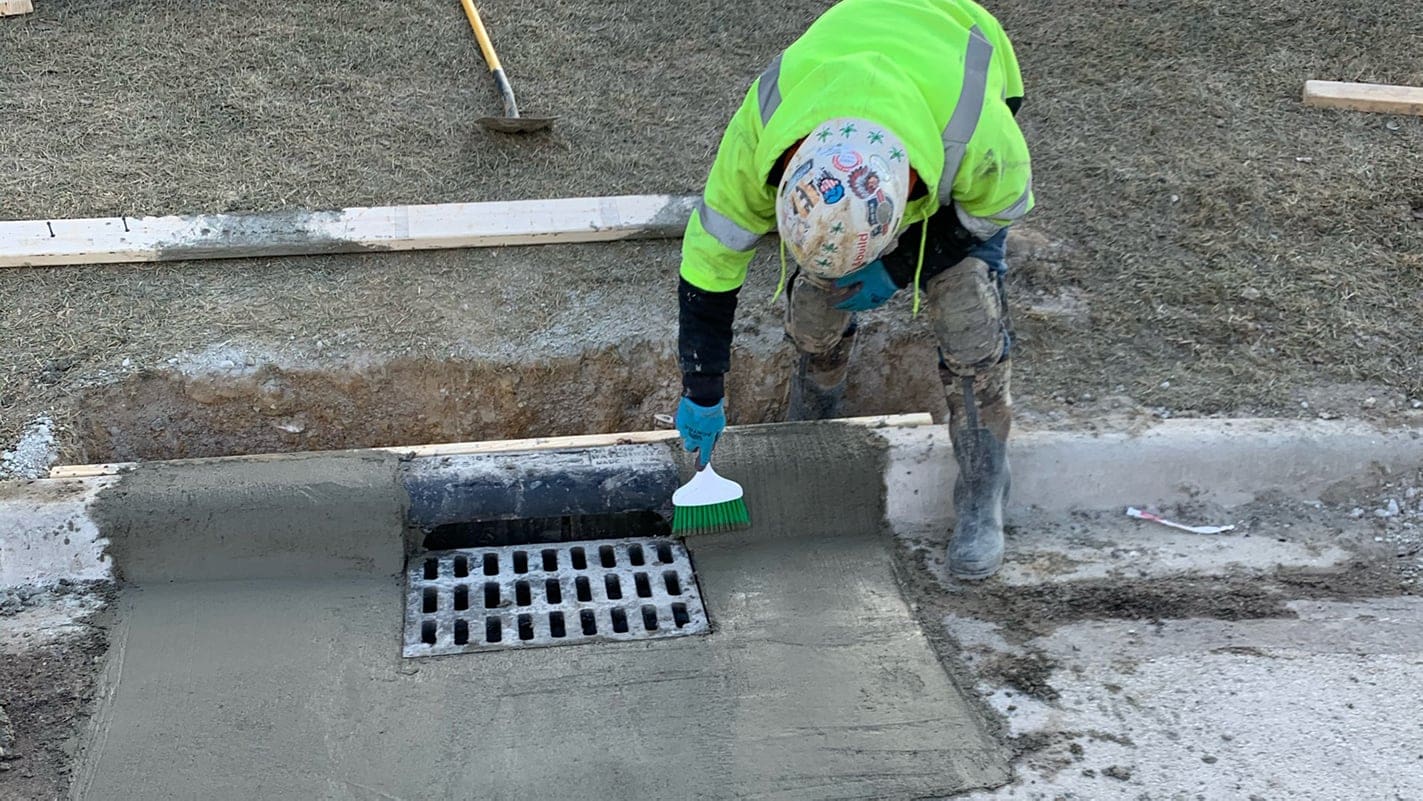
What is a Catch Basin?
Catch basins play a critical role in stormwater management, but they can look very different depending on the needs of the property. Most commonly, a stormwater catch basin is a concrete structure with a grated inlet installed in parking lots, roadways and sidewalks to collect and manage surface runoff.
These systems are designed to capture debris, sediment and trash before water enters underground pipelines, helping protect drainage systems and nearby waterways. Properly functioning catch basins for drainage prevent flooding, reduce pollution and keep stormwater flowing efficiently.

Why Do Catch Basins Fail?
Catch basins take a beating. Between constant water flow, heavy traffic and changing weather conditions, it’s no surprise they wear down over time.
That wear often starts at the joints, where different parts of the structure are sealed together. As stormwater moves through the system, those connections can weaken, leading to leaks, shifting and larger structural issues. At the same time, buildup inside the basin adds another layer of stress. Without regular catch basin cleaning, sediment, leaves, trash and oils collect over time, restricting water flow and accelerating internal damage.
For catch basins in urban areas, roads and parking lots, traffic only makes things worse. Constant weight and vibration can cause cracks, damage grates or even lead to collapse. In more serious cases, this can result in sinkholes that require immediate catch basin repair or replacement. Weather also plays a role. Freeze-thaw cycles, rainfall, erosion and groundwater can weaken both the structure and the surrounding soil.
Put it all together, and small issues can escalate quickly. Without routine catch basin maintenance, minor damage can turn into costly repairs or full system failure.
Common Structural Defects and Failures
Catch basin issues can range from minor wear to major structural damage. The most common problems that require professional attention include:
Filler Loss and Structural Voids
Failed Pipe Connections
Sediment and Debris Buildup
Types of Catch Basin Repair Methods
The right repair approach depends on the severity of the damage and the condition of the structure. Professional contractors like AQUALIS who specialize in fixing catch basins typically use a range of methods, including:
- Structural Patching and Sealing: Used to repair cracks, restore joints and prevent water infiltration.
- Grate Repair and Replacement: Damaged or missing grates are replaced to restore safety and proper debris capture.
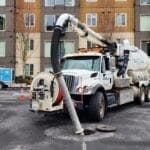
- Vacuum Cleaning and Debris Removal: Thorough catch basin cleaning removes sediment buildup and restores flow capacity.
- Invert and Pipe Connection Repairs: Repairs at the basin’s lowest point ensure proper water flow into connected stormwater systems.
- Full Catch Basin Replacement: In cases of severe structural failure, complete catch basin replacement may be necessary to restore long-term performance.
Whether you need routine cleaning of catch basins or full structural rehabilitation, working with experienced professionals like our team can ensure repairs are done safely and effectively.
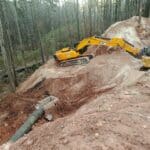
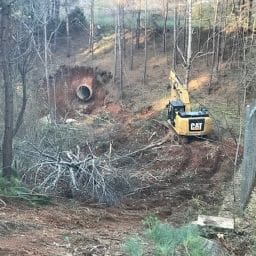
The detached pipe on this property allowed water to flow freely over unprotected soil, leading to the massive eroded area.
Severe Outlet Erosion | Athens, Georgia
AQUALIS stormwater professionals inspected a retail property and found severe damage to multiple catch basins, necessitating repairs to prevent environmental liability and ensure site operations.
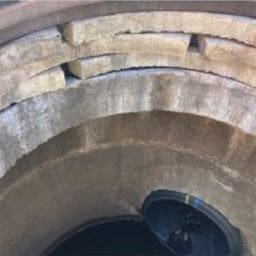
Catch Basin Spray Cast | Beaver Dam, Wisconsin
Prevent Repairs with Catch Basin Maintenance
The most cost-effective way to avoid major repairs is through consistent, proactive catch basin maintenance.
Routine inspections and catch basin cleaning help identify early signs of damage, prevent clogs and maintain proper drainage performance. Regular maintenance also reduces the risk of flooding, environmental contamination and costly emergency repairs.
Professional maintenance programs typically include:
- Scheduled inspections
- Sediment and debris removal
- Minor repairs and sealing
- Performance assessments of the stormwater system
By investing in ongoing preventative maintenance, property owners can extend the lifespan of their stormwater catch basin systems and ensure reliable performance year-round.

Did you receive an NOV? Have an urgent need? We can help.
Reach out to an AQUALIS representative today.
Frequently Asked Questions About Catch Basin Repairs
What are common indicators that I need catch basin repairs?
Signs usually include visible structural damage, recurring drainage problems, compliance violations, or erosion issues.
Is catch basin repair disruptive to my property's daily operations?
Our AQUALIS team strives to minimize disruptions, using methods designed to reduce impacts on your daily activities.
How long do catch basin repairs or maintenance typically last?
Catch basin repairs and maintenance typically offer several years of reliable function, depending on regular upkeep and conditions.
Does weather affect how quickly catch basin repairs can be completed?
Weather conditions can impact scheduling, especially heavy rain or extreme conditions, but our AQUALIS team will adjust to minimize delays.
How frequently should inspections be performed for preventative catch basin care?
Annual inspections are recommended, with additional checks following severe weather events or noticeable changes.
Do catch basin repairs also enhance my property value?
Maintaining your stormwater infrastructure can significantly enhance property value and reduce liability risks.
Does AQUALIS perform catch basin repairs nationwide?
Yes, AQUALIS provides this service nationwide through regional experts familiar with local regulations.
Can AQUALIS assist with regulatory compliance related to catch basin repairs?
Our team at AQUALIS handles compliance documentation and communications with local regulatory agencies throughout the process.
Can AQUALIS provide customized catch basin service plans for my specific site?
AQUALIS tailors customized plans to meet each property’s unique needs, regulatory requirements, and infrastructure conditions.
Is AQUALIS experienced in working with commercial and retail properties?
We have extensive experience with commercial, retail, and industrial properties, managing complex stormwater systems nationwide.
How quickly does AQUALIS respond to my consultation requests?
Our AQUALIS team typically responds to requests for consultation within 24 hours to discuss your specific needs.
Does AQUALIS utilize specialized equipment for catch basin repairs?
Yes, our AQUALIS technicians use advanced equipment and proven techniques suited for various stormwater infrastructure services.
Will AQUALIS restore my system to its original design capacity?
We always aim to restore systems to their original or improved performance standards as required by regulations.
Does AQUALIS offer post-service inspections or guarantees?
Yes. At AQUALIS, we conduct thorough post-service inspections to ensure lasting effectiveness and compliance.
Are permits usually required for catch basin repairs?
Permits for catch basin repairs vary across municipalities and by the amount of disturbance.
Can preventative maintenance reduce the need for extensive catch basin repairs?
Regular preventative maintenance greatly reduces the risk of major issues, extending the life of your stormwater system. Your system may still need repairs, but identifying issues early ensures they are repaired before they escalate to full failure.
What’s involved in the initial assessment for my catch basin repairs?
Initial assessments at AQUALIS typically involve visual inspections, structural evaluations, and site map evaluations.
Can neglecting catch basin repairs lead to regulatory fines?
Yes, neglecting necessary maintenance or repairs can result in regulatory violations, potential fines, business disruptions, and safety hazards.