
Stormwater Inspections are included as part of a site’s Best Management Practices (BMPs) and Stormwater Pollution Prevention Plan (SWPPP). State stormwater permits often mandate stormwater inspections to be completed on a regular basis. These inspections give the permittee a more in-depth understanding of potential deficiencies in BMPs allowing the facility to correct these inadequacies and gives state inspectors a way to look back into the site’s compliance history to see whether a site has been complying with state and/or federal standards.
Completing routine stormwater inspections, recognizing deficiencies in BMPs outlined in your site’s Stormwater Pollution Prevention Plan, assigning corrective actions, and completing those corrective actions are all steps that need to be taken in order to comply with state and federal stormwater permits. This article will go in depth into the first part of this process and discuss what is typically required in a routine stormwater inspection, as this procedure can be difficult to understand for a non-stormwater professional.
The Importance of Best Management Practices (BMPs) to a Routine Stormwater Inspection:
BMPs, which are specific to your site and must be outlined as part of your SWPPP requirements, must be followed to the best ability of the permit holder (permittee). BMPs provide the guidelines to staying in compliance.
Here are a few examples of BMPs that might be referenced during a site inspection:
- Any containers/sheds containing hazardous waste must be kept closed at all times and only opened when actively adding to or removing from them.
- The facility will keep a stock of spill response equipment such as absorbent material and absorbent pads in order to immediately address any spills that occur.
- Contaminants, such as oil and grease, can build up on equipment around the facility. When these surfaces are exposed to stormwater the pollutants are washed off and released into the environment. These surfaces need to be inspected during routine site inspections and cleaned, as necessary, with dry cleaning methods.
The BMPs listed above are not site specific and are general practices that are commonly found in Stormwater Pollution Prevention Plans. Any and all BMPs outlined within the SWPPP inspection requirements must be reviewed when completing a stormwater inspection. It is important to check the inspection forms you are using against the BMPs you have within your SWPPP, to make sure that you have fulfilled your responsibilities as a permittee and are implementing all required stormwater control measures. If you are unsure of how to match your site specific BMPs to your inspection forms, AQUALIS offers services to assist you and can create personalized stormwater inspection forms.
How to conduct a Stormwater Inspection:
Once you are aware of the stormwater inspection requirements for permit compliance, it is time to begin your inspection. Routine stormwater inspections can be conducted during most types of weather, however they should be rescheduled if hazardous weather conditions, such as extreme heat or extreme cold occur.
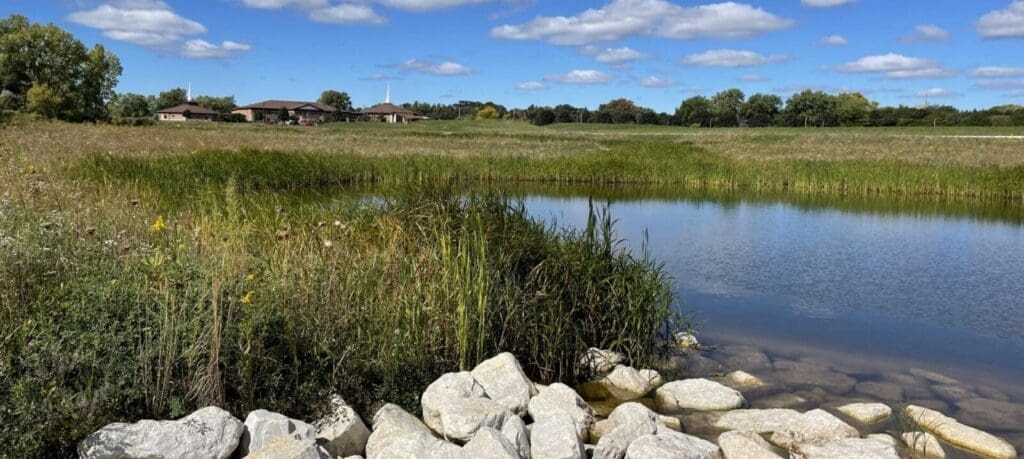
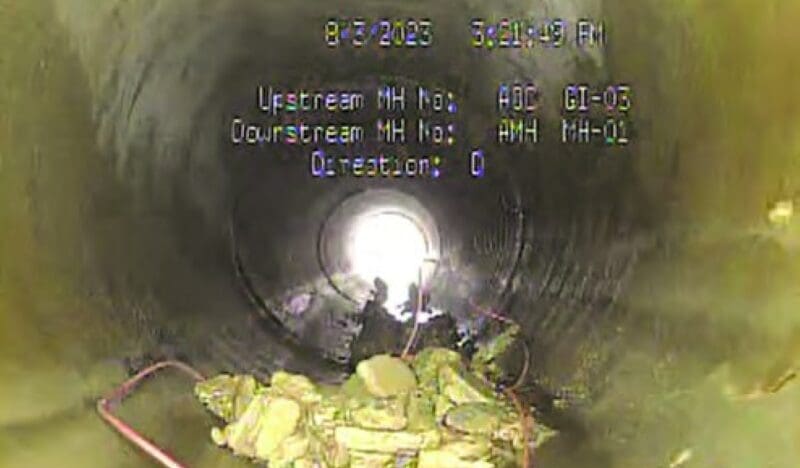
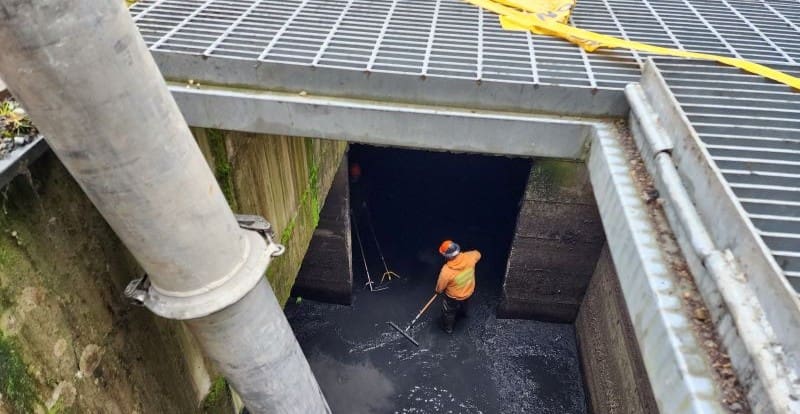
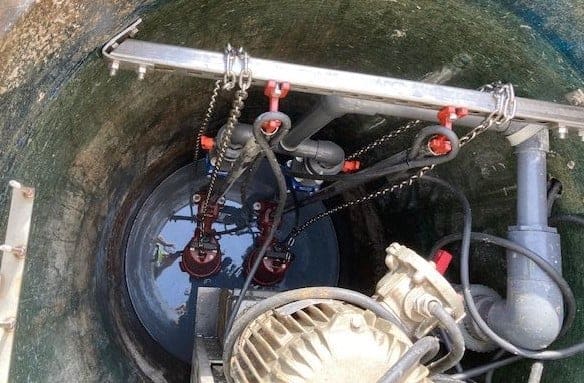
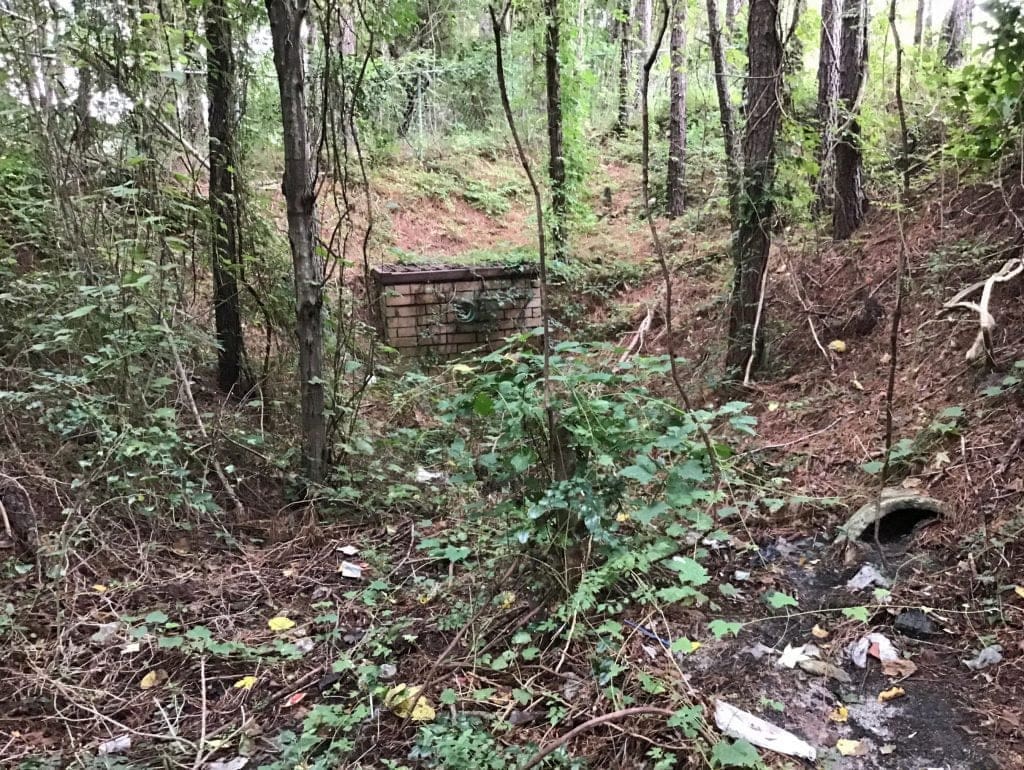
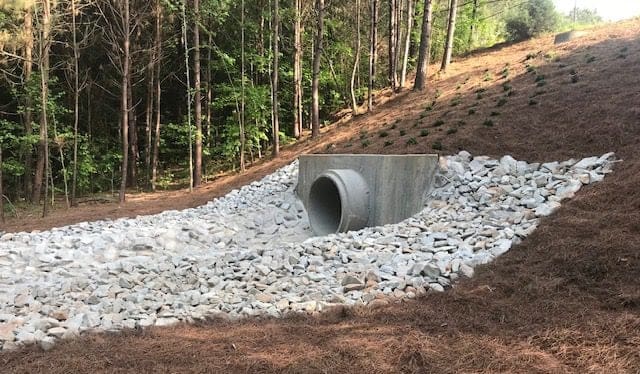
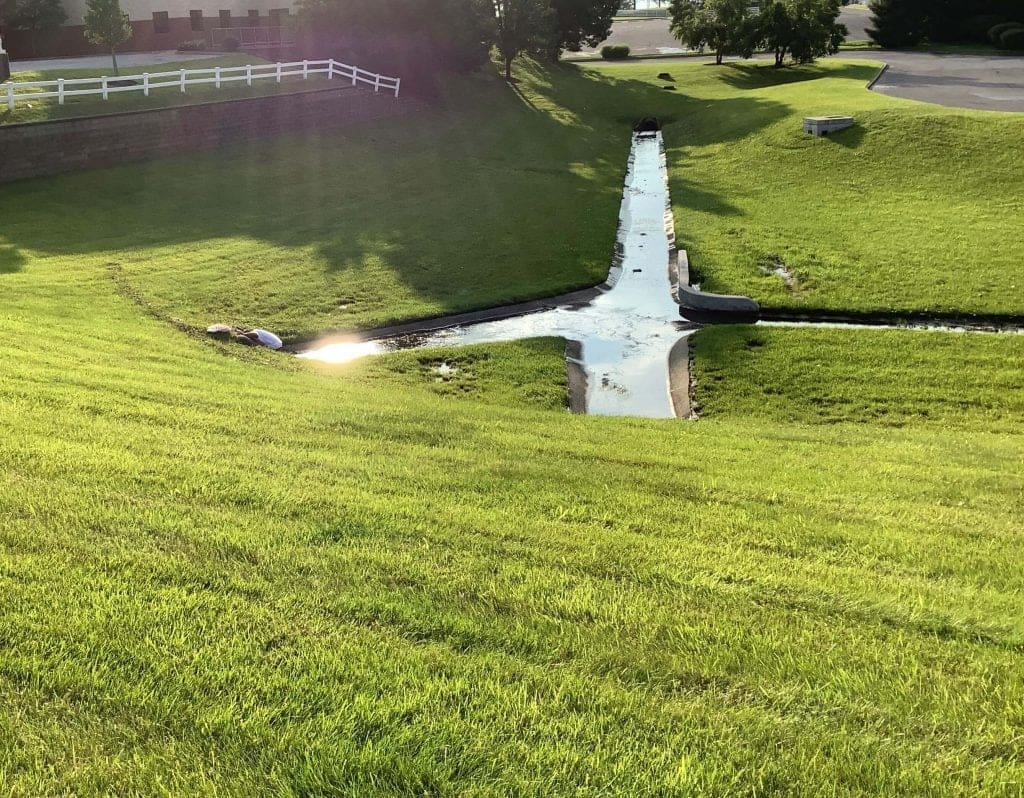
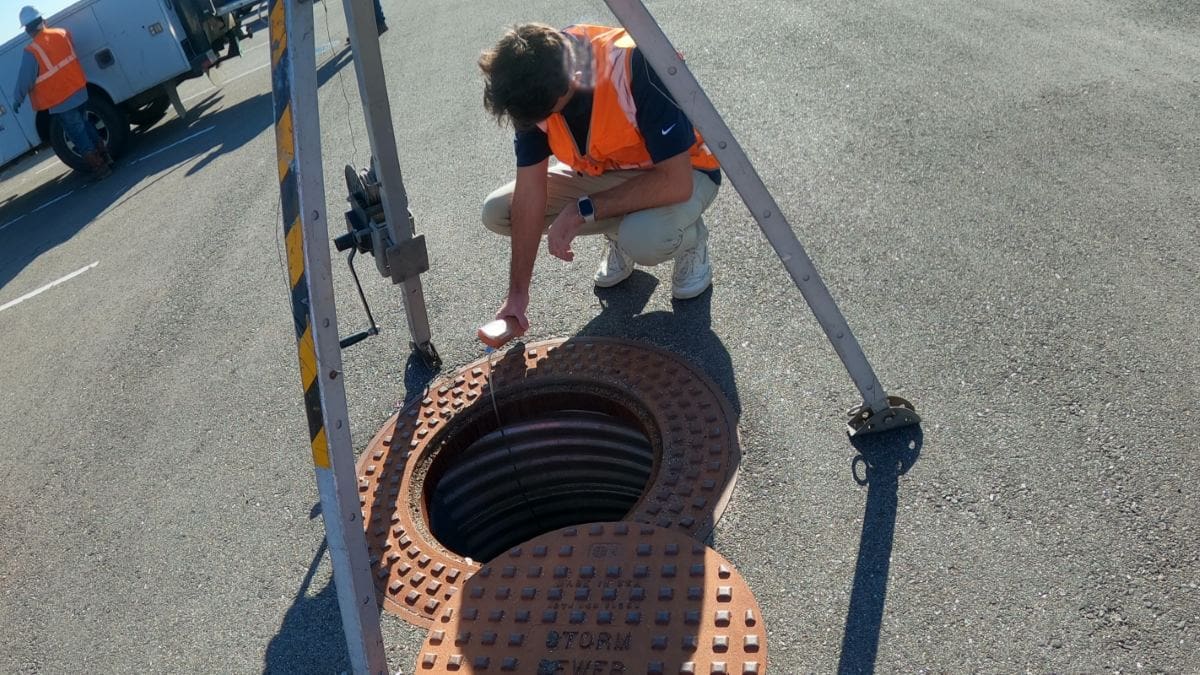
During a routine stormwater inspection all areas, where industrial activity is conducted and exposed to stormwater, must be inspected for proper functionality and good general condition. This includes all stormwater control measures. Examples of stormwater control measures are catch basins, ditches, swales, curbing, trench drains, etc. They are the systems and conveyances that control the flow of stormwater on your site.
The frequency of these stormwater inspections depends upon your industrial sector, potential hazardous dangers to the environment that may be present onsite, and/or your state permit guidelines. It is important to check your stormwater permit to clarify these specificities.
All inspections should be conducted by a qualified person. A qualified person can be a person employed at the facility who has been trained on the contents of the SWPPP and how to conduct routine inspections or a contracted stormwater professional.
In general, the following should be inspected onsite for compliance:
- Potential pollutants in any and all areas that can be exposed to stormwater. Common industrial pollutants are oil and grease buildup, sediment or debris on the ground, trash and material drips and spills.
- If there are any raw, final or waste materials being tracked or blown into areas exposed to stormwater.
- If any material or equipment storage is uncovered or has the potential to leak.
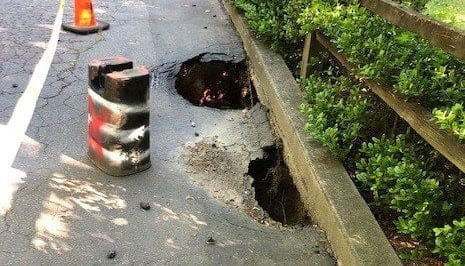
- If the site shows evidence of erosion. Erosion can be anything from broken up pavement to hillsides or grassy areas where the soil is breaking away and washing into your stormwater control measures.
- If all BMPs are being followed onsite.
Inspections will go more in depth on these topics and will be site specific which is why a qualified person is necessary. A qualified person can identify potential issues onsite that would otherwise go unnoticed or seem like acceptable discharge when it is not.
It is important that the inspector be as specific as possible and document all deficiencies noted during a stormwater inspection. If a violation is identified, the inspector should describe the issue in detail, including where it is occurring and the suggested course of action to correct the problem. Regardless of whether there are issues to correct on the stormwater inspection form, documentation that a stormwater inspection was performed must be kept with the Stormwater Pollution Prevention Plan and be available at all times in the event of a facility inspection by a state agency. This is a SWPPP requirement.
Contact AQUALIS For Your Routine Stormwater Inspections
Stormwater inspections are an important part of your responsibilities within the industrial sector. It is vital that issues are identified and corrected as soon as possible as conducting thorough and regular inspections is mandatory under many stormwater discharge permits.
If the information in this article has been overwhelming, you are not alone! AQUALIS’ experienced stormwater professionals can help. Please reach out to our stormwater team for more information about routine site inspections.