Septic System Services

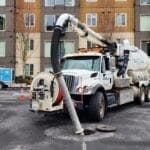
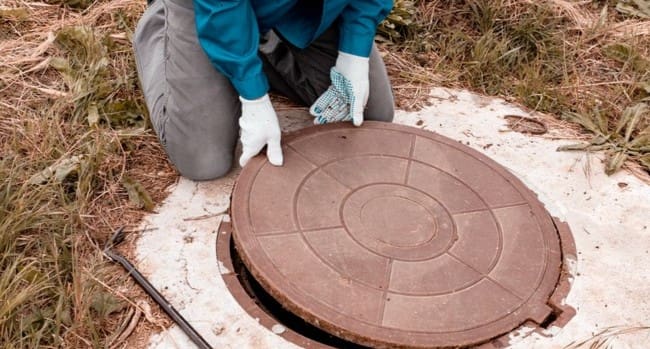
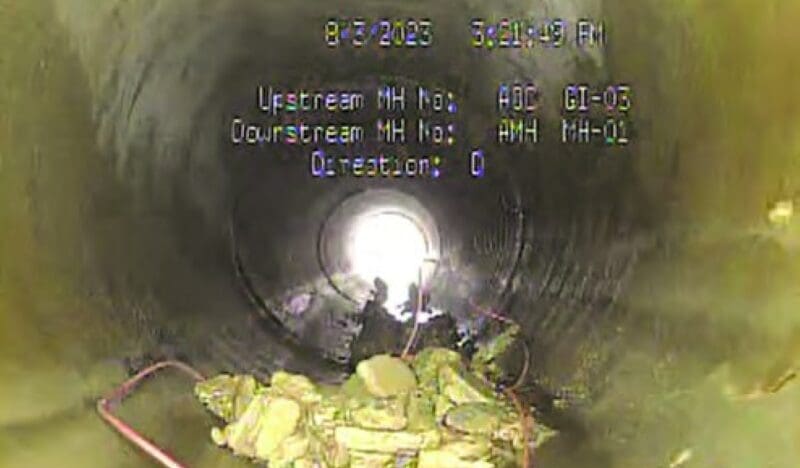
stormwater vactor pipe down a drain

Full Service Septic Services

From septic pumping and installation to maintenance, inspections, and repairs- we’ve got you covered.

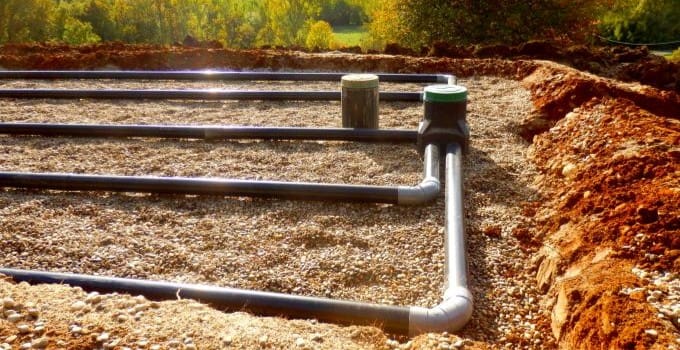
We tackle traditional and alternative septic systems including T & J Panel Block Systems, Aerobic Pretreatment Systems, Subsurface Drip Dispersal Systems & Spray Irrigation Systems.

Our Septic Services

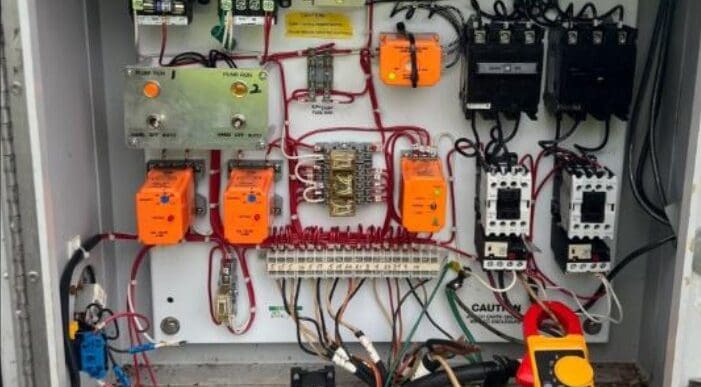
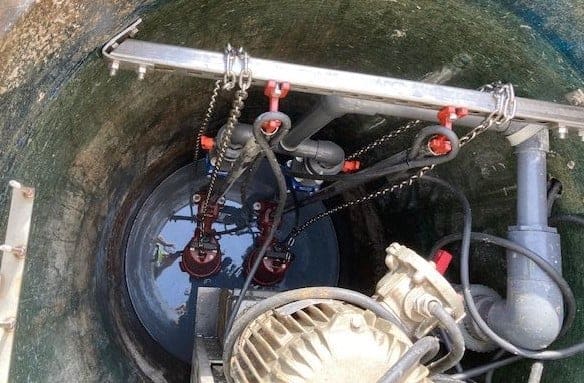
Lift stations must be regularly inspected to ensure issues are identified before failure.
Over time lift stations are subject to issues and potential failures. AQUALIS experts service lift station daily to reduce disruptions.
Regularly maintaining lift stations protects property owners from backups and environmental health disasters.
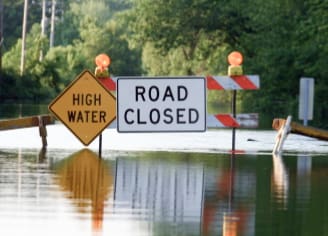
flooded road with "road closed" and "high water" signs

For assistance with emergency service needs, call us immediately.

Contractor shaking hands with a client during a commercial service consultation

Nationwide Services

Review our locations and find your local representative with our interactive search.

Septic System Maintenance, Repair and Inspections

When these systems are not maintained, the system can back up, and fail. AQUALIS provides overall management, maintenance, repair, and inspections of septic systems to help prevent system malfunctions.

AQUALIS can customize a septic system program to meet the specific needs of our customers for single sites or multi-state organizations. 

AQUALIS offers:

  • Utility Services
  • Septic Pumping
  • Septic Installation
  • Septic Maintenance
  • Septic Inspection
  • Septic Repair
  • Grease Trap Pumping
  • Septic System Design & Permitting

Have a licensed septic system professional inspect your system regularly. In North Carolina, it’s recommended to have your septic tank inspected every 3-5 years. Depending on how much use your system gets, you may need to inspect more regularly.

Septic tanks need to be pumped out periodically to remove accumulated solids. The pumping frequency depends on factors like tank size, household size, and water usage. As a general guideline, it’s recommended to pump your tank every 3-5 years.

  • Water Conservation Practices: Be mindful of water usage. Avoid excessive water use, such as long showers or leaving taps running unnecessarily. Fix any leaks promptly.
  • Proper Disposal Habits:
    Avoid flushing non-biodegradable items like sanitary products, wipes, diapers, and chemicals down the toilet. These can clog the system.
  • Landscaping Considerations: Avoid planting trees or shrubs with deep roots near the septic system. Roots can infiltrate and damage pipes and the tank.
  • Drainfield Protection
    Do not drive or park heavy vehicles on top of the drainfield, as this can compact the soil and disrupt the drainage process.
  • Avoid Harmful Chemicals: Avoid pouring chemicals like bleach, solvents, paints, and pharmaceuticals down the drain. These can disrupt the natural biological processes in the septic tank.
  • Address Problems Promptly: If you notice any signs of septic system issues, such as slow drains, odors, or wet spots in the yard, address them promptly. Delaying repairs can lead to more extensive and costly problems.

Regular inspections identify issues before they escalate, ensuring your investment is protected and potential environmental risks are mitigated.

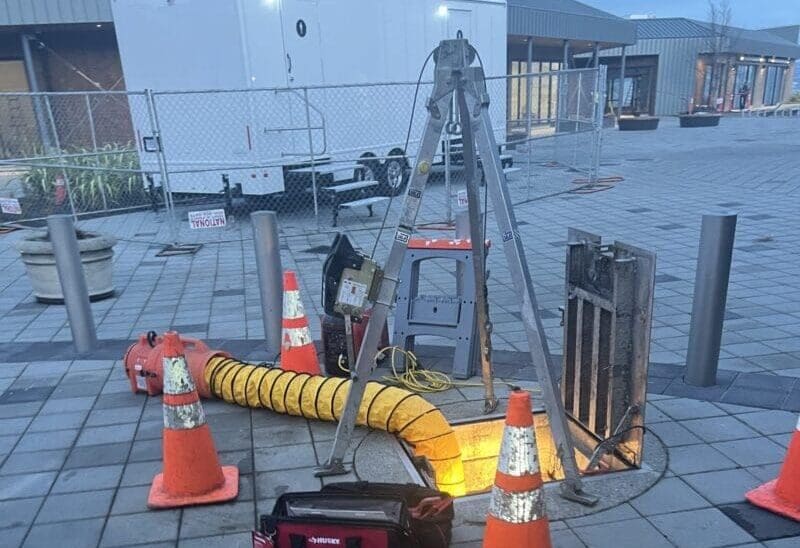
Lift station access area set up with safety cones, ventilation ducting, and confined-space equipment for maintenance work

During planned retrofit of this property, the client proactively inquired about increasing the capacity of this lift station.

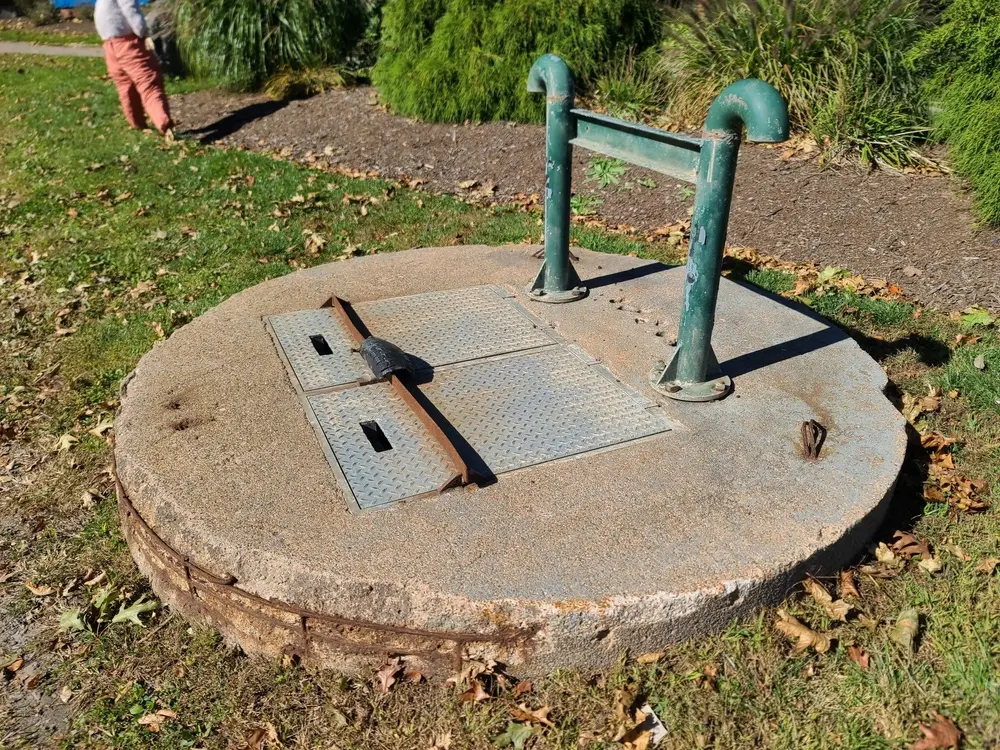
Outdoor lift station access hatch with vent pipes in a landscaped area

Learn more about how lift stations function and how to eliminate failures.

Case Studies

Did you receive an NOV? Have an urgent need? We can help.

Reach out to an AQUALIS representative today.