
National Pollutant Discharge Elimination System (NPDES)
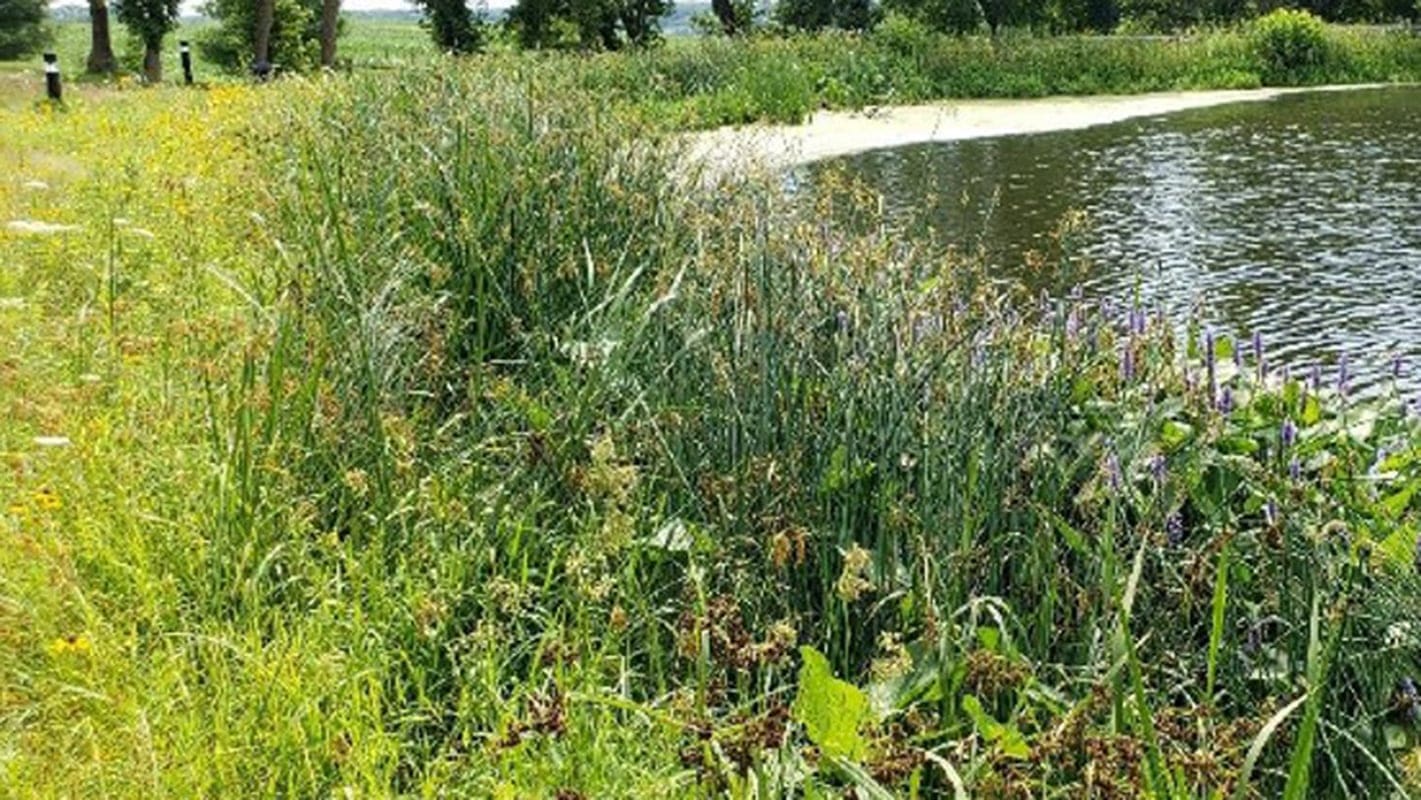
History of National Pollutant Discharge Elimination System (NPDES)
Untreated stormwater carries pollutants that, when discharged into local waterways, can negatively impact water quality and public health. Under the Clean Water Act (CWA), discharging any pollutants from a point source into waters of the United States is prohibited unless authorized by a National Pollutant Discharge Elimination System (NPDES) permit. The NPDES program regulates point sources that discharge into surface waters and controls water pollution through technology-based limits and water quality standards, with the goal of safeguarding public health and the environment. Partnering with AQUALIS can ensure your site qualifies for the proper permits and help keep your operations compliant.

NPDES Permit Regulations
NPDES regulations apply to many different types of facilities and activities throughout the United States. Any operator who is releasing pollutants from a point source into U.S. waters is generally required to get an NPDES permit before releasing anything. These regulations are overseen and administered primarily by the U.S. Environmental Protection Agency (EPA); many states have a designated state agency that grants authority with EPA’s approval.
It is important to note that meeting NPDES compliance is not a one-time requirement. Anyone holding a permit needs to meet discharge limitations, monitoring schedules, reporting requirements, and best management practices (BMPs), all of which are outlined in their permits. Failing to comply with these requirements can result in significant fines or even legal liability. By understanding what your permit comes with and keeping current with any changes to NPDES regulations, you can protect your facility and neighboring environment.
What Is Point Source Pollution?
A point source is any single source of pollution where pollutants are released into any U.S. waters. Unlike nonpoint source pollution, which refers to pollutants that come from many different sources across a wide area, point source pollution can be traced directly back to a single source. The legal definition of point source pollution is established in Section 502(14) of the Clean Water Act.
There are three main categories for point source dischargers that the NPDES program regulates:
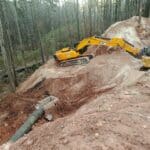
- Construction Activities: Any land disturbance that is tied directly to construction projects, such as site clearing, grading and excavation, can generate significant stormwater runoff carrying sediment, chemicals and other pollutants. Construction activity that disturbs one or more acres of land (or smaller sites that are part of a larger plan of development) often requires NPDES permit coverage, usually in the form of a Construction General Permit (CGP).
- Industrial Activities: Facilities that participate in creating, processing, storing or disposing of materials can discharge pollutants through stormwater runoff or direct process water discharges. Industrial operations that fall into one of the EPA’s defined industrial sectors need to obtain NPDES permit coverage and apply best management practices to control their discharges.
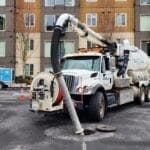
- Municipal Separate Storm Sewer Systems (MS4): MS4s are publicly owned conveyance systems, like roads, curbs, gutters, ditches, man-made channels, catch basins and storm drains, things designed to collect and discharge stormwater. Operators of regulated MS4s need to obtain NPDES permits and apply stormwater management programs (SWMPs) meant to reduce the discharge of pollutants to the highest ability possible.
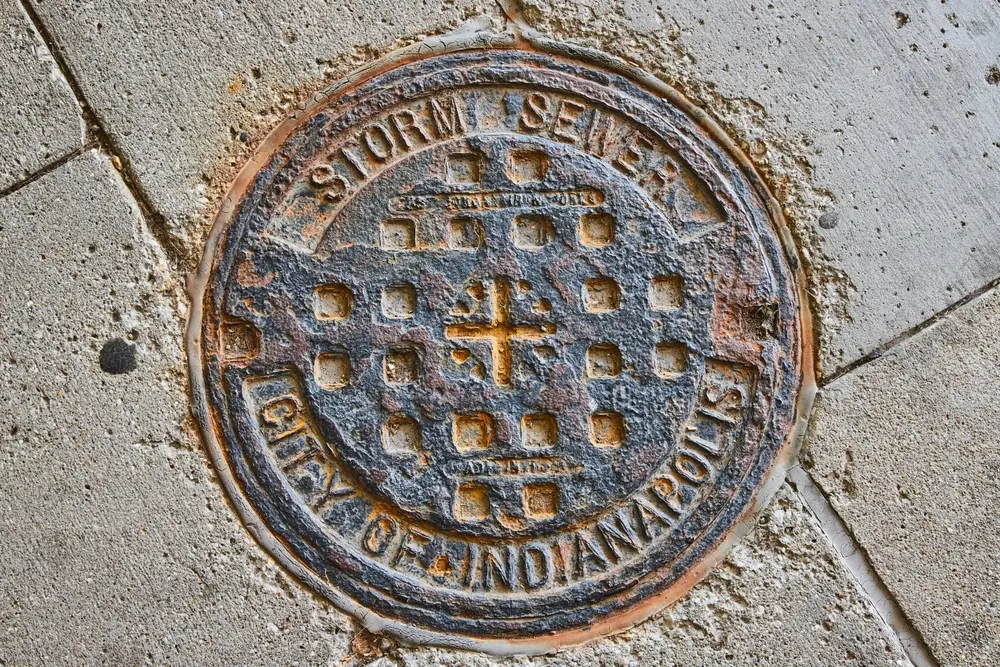
MS4 or storm sewer systems, are utilized widely across the country. These kinds of systems are publicly owned and regulated by the Environmental Protection Agency and the National Pollutant Discharge Elimination System (NPDES).
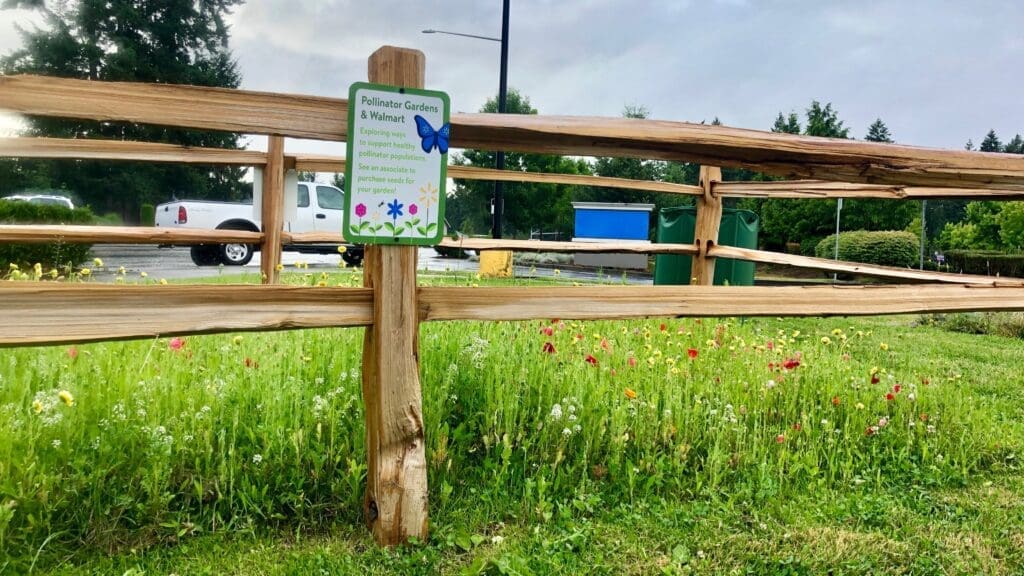
In this panel discussion, hear from various professionals – from both the private and public sector – on how they received funding for their projects, challenges they overcame and more.
Types of NPDES Permits
NPDES permits come from one of two main categories: individual permits and general permits. The first step in achieving NPDES compliance is understanding these categories and how they apply to your facility or project.
- Individual Permits: These permits are commonly issued to a single discharger depending on site-specific conditions. The resulting permit is created based on the unique characteristics of the facility, its type of discharge and local water quality requirements. Due to the scrutiny involved in the review process, these permits can take six or more months to be issued and are often reserved for facilities with unique or complex discharge situations that cannot be accounted for with a general permit.
- General Permits: These permits cover multiple dischargers whose operations are similar in nature and can operate under a common set of conditions. Instead of the permit being issued to each discharger, these permits provide a regulatory framework that eligible dischargers can enter by submitting a Notice of Intent (NOI). General permits are usually faster to obtain, granting immediate coverage or coverage within a short timeframe. These are the most common method for construction sites and other industrial facilities looking to maintain NPDES compliance.
Helping Ensure NPDES Compliance
The process of getting an NPDES permit can be complicated, especially for organizations overseeing multiple sites in different states or jurisdictions. AQUALIS offers guidance for commercial, industrial and municipal clients through every stage of the NPDES compliance lifecycle.
NPDES Permit Acquisition
AQUALIS works with facility managers and property owners to decide which type of NPDES permit best matches the specific operations, prepare the required applications and coordinate with the proper permitting authority. Whether you need an individual or general permit, we can lead you through the process to shorten any delays and lower the risk of operating without proper authorization.
Ongoing Compliance Management
Gaining a permit is only the beginning of maintaining compliance. Permit holders need to keep records, conduct regular inspections, send in monitoring reports and update their Stormwater Pollution Prevention Plans (SWPPPs) or Stormwater Management Plans (SWMPs) whenever their sites change. AQUALIS understands ongoing compliance requirements and can help you keep your facility compliant with regulators, reduce administrative burdens you may face and provide complete documentation in case of an audit.
NPDES Violation Resolution
If your property has received a Notice of Violation (NOV) related to NPDES requirements, take quick action to resolve it instead of ignoring it. Penalties for violations can rapidly escalate the longer you take to correct the specified issues. AQUALIS offers assistance to facilities throughout the scope of these violations by developing a correction action plan that complies with regulatory authorities to resolve the problem as soon as possible.
State Permitting Authority
The NPDES program was created under the federal Clean Water Act and is administered by the EPA, but Congress has also authorized states to assume authority over this administration within their borders. The EPA has approved NPDES programs in most states, so most jurisdictions will answer to a state agency instead of the EPA for primary permitting authority.
This delegation means that NPDES permit requirements will also vary between states. States may require more rigid compliance standards than the federal minimum requirements and they may require different forms, timelines and compliance schedules. Because AQUALIS operates on a national level, we can offer our regional expertise for state-specific frameworks and provide knowledgeable guidance regardless of facility location.
Some of the most common types of permits that the NPDES program includes are:
Permits
Construction Generic Permit (CGP)
In areas where the EPA is the permitting authority for the NPDES, a CGP provides stormwater permit coverage for qualifying construction site discharges.
Multi-Sector Generic Permit (MSGP)
The MSGP is for stormwater discharges that are associated with industrial activity throughout several sectors, such as mining, airports and facilities that process food, cement, timber and metal products in areas where the EPA serves as the permitting authority.
Conditional No Exposure Exclusion (NEX)
Facilities that can prove that there is no exposure of industrial materials or activities to stormwater may qualify for an exemption from MSGP requirements. The No Exposure Certification must be renewed every five years to maintain this status.
Municipal Separate Storm Sewer System (MS4)
Regulated MS4 operators need to obtain NPDES permits and initiate and maintain stormwater management programs to minimize the runoff of pollutants from entering local water supplies.
Sustainable Stormwater Planning
“At AQUALIS our engineers create systems meeting the present needs and anticipating future demands with an emphasis on efficiency, in addition to environmental and resource protection.”


Did you receive an NOV? Have an urgent need? We can help.
Notices of Violation (NOVs) or Corrective Notices should be taken seriously. Contact AQUALIS today to learn how to resolve the issue and comply with regulations.
Frequently Asked Questions About NPDES Permits
What does NPDES stand for?
NPDES stands for National Pollutant Discharge Elimination System. It is a federal permitting program that was created under the Clean Water Act to regulate point source discharges into U.S. waters.
How long does it take to get an NPDES permit?
The timeline of obtaining permits depends on a lot of variables. For general permits, you will need to submit a Notice of Intent, and you can receive this permit sometimes immediately, or within a short waiting period. Individual NPDES permits often take six months or longer to receive.
How long does an NPDES permit remain in effect?
Through the Clean Water Act, NPDES permits cannot remain valid for more than five years, and you will need to renew your permit to maintain your lawful authorizations to discharge pollutants.
What are the possible penalties for NPDES permit violations?
Penalties for NPDES violations can result in civil penalties like fines of thousands of dollars per day, per violation. In cases where the liable party knowingly or willfully engaged in these violations, criminal penalties of fines and imprisonment may also apply. By acting quickly after notification of a violation, you can resolve the issue and demonstrate good faith in your compliance.
Does AQUALIS manage ongoing NPDES compliance for industrial stormwater discharge?
AQUALIS does offer NPDES compliance management services for industrial facilities. These services include support for routine inspections, recordkeeping support, SWPPP updates and regulatory reporting. We can help your facility meet and maintain compliance with its permit obligations.
How can routine inspections help maintain NPDES compliance?
Regular inspections are necessary for more NPDES permits. Inspections help spot potential risks like unauthorized discharges, deteriorating BMPs or documentation gaps before they become a problem. We conduct routine inspections for our clients to provide detailed reports to help maintain NPDES compliance.
When is an NPDES permit required?
An NPDES permit is usually needed for any instance where stormwater or other pollutants are discharged from a point into U.S. waters. Common triggers for a permit requirement include construction projects that disturb one or more acres of land, industrial facilities in regulated sectors and operators of MS4s. If you are not sure if you need a permit, AQWUIALIS can help determine your permit needs.
Does AQUALIS help commercial properties obtain NPDES permits?
AQUALIS does offer assistance for commercial property owners and facility managers with determining their appropriate permit type, application preparation and coordination with authorities at both state and federal levels. We can work to streamline your process and help you avoid delays or any gaps in permit coverage.
Can an NPDES permit be renewed?
Yes, these permits can be renewed or reissued. Facilities are able to file a renewal application before the expiration date to avoid lapsing coverage.
Does AQUALIS help resolve NPDES permit violations before penalties escalate?
Yes, if you have received a Notice of Violation related to any NPDES requirement, we can help you determine the whole situation and develop a plan to correction
Do NPDES permit requirements vary by state?
Yes, the NPDES is a federal program, and the EPA has allowed most states to administer their own permitting programs. These state programs can include requirements that are more stringent than federal regulations, but we can assist with reviewing local regulation requirements and assist with maintaining compliance with them.
What is a Stormwater Pollution Prevention Plan (SWPPP) and is one required under NPDES?
An SWPPP is a site-specific document that declares potential sources of stormwater pollution and outlines the best management practices a facility can engage in to minimize pollutant discharges. Many NPDES general permits, especially those for construction or industrial activities, require them to develop and maintain a current SWPPP as part of their permit coverage.