Regular inspections are key to septic system longevity. We offer insightful septic tank inspections, focusing not only on identifying potential issues but also on ensuring safety and preventing environmental contamination.
Solids Levels in the Tank Our inspector will check the solids levels in the tank. Waste settles at the bottom of your tank while floatables such as grease and food form a scum layer. Once certain levels in the tank are reached, pumping may be required (usually every three to seven years).
Ground for Potential Leaks Our inspector will check the ground around the tank to ensure there isn’t any raw sewage leaking out of the tank. If the tank is empty at the time of the inspection, the inspector may determine if groundwater is leaking into the septic tank.
Functionality of Pipes, Pumps & Controls Our inspector will inspect all access openings and lids. The inlet and outlet pipes may be observed making sure they are connected and operational. Any pumps, controls, treatment, or filtration components may be observed and checked for operation
Drainfield for Saturation, Vegetation & Depressions Our inspector will check the drainfield to make sure that there is no saturation, vegetation, or depressions that indicate issues.
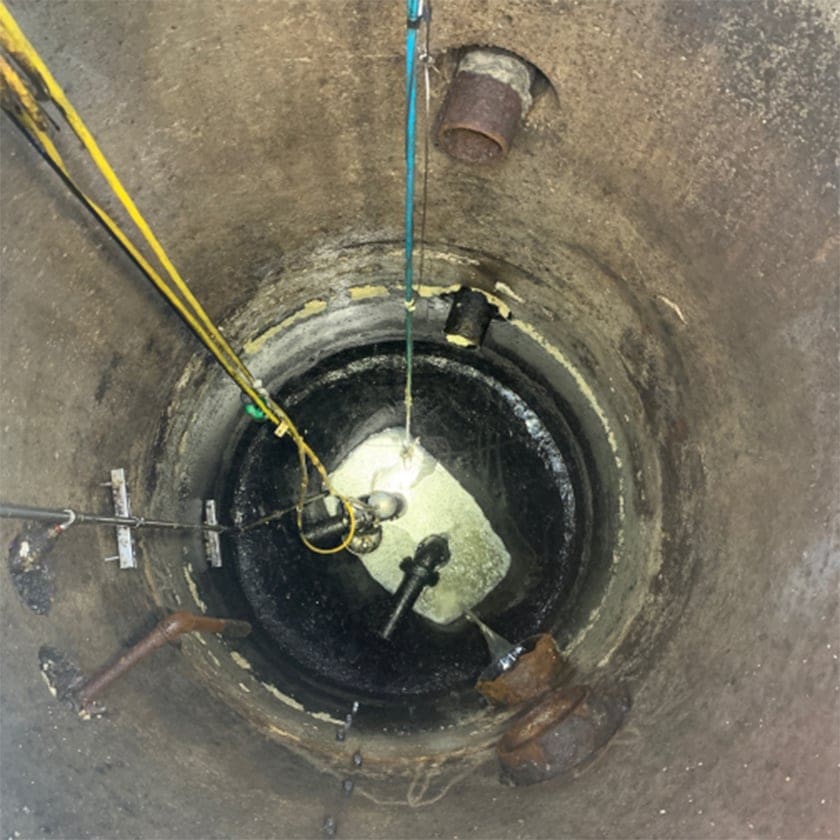
Neglected and without a proper maintenance plan, the system ran without issue for a time, until it did not. As expected, the lift station eventually failed, causing restroom backups, and requiring emergency services.
This website uses cookies to improve your experience. We'll assume you're ok with this, but you can opt-out if you wish. COOKIE SETTINGSACCEPT
Privacy & Cookies Policy
This website uses cookies to improve your experience while you navigate through the website. Out of these cookies, the cookies that are categorized as necessary are stored on your browser as they are as essential for the working of basic functionalities of the website. We also use third-party cookies that help us analyze and understand how you use this website. These cookies will be stored in your browser only with your consent. You also have the option to opt-out of these cookies. But opting out of some of these cookies may have an effect on your browsing experience.
Necessary cookies are absolutely essential for the website to function properly. This category only includes cookies that ensures basic functionalities and security features of the website. These cookies do not store any personal information.