AQUALIS specializes in septic system design and permitting.
Our experts assess soil conditions, property size, and wastewater needs to create efficient and sustainable septic systems. We handle all permitting and compliance requirements, ensuring a seamless process from start to finish.
We provide a full range of septic system solutions, including:
Conventional Gravity Systems – The most common system, using gravity to move wastewater.
Aerobic Treatment Units (ATUs) – Use oxygen to accelerate the breakdown of waste.
Mound Systems – Designed for areas with high water tables or shallow soil.
Drip Irrigation Systems – Distribute wastewater evenly over a larger area.
Spray Irrigation Systems – Disperse treated wastewater onto lawns or fields.
Direct Discharge Systems – State-permitted systems designed for specific wastewater treatment needs.
Not sure which system is right for your property? Contact us for a consultation.
How Septic Systems Work
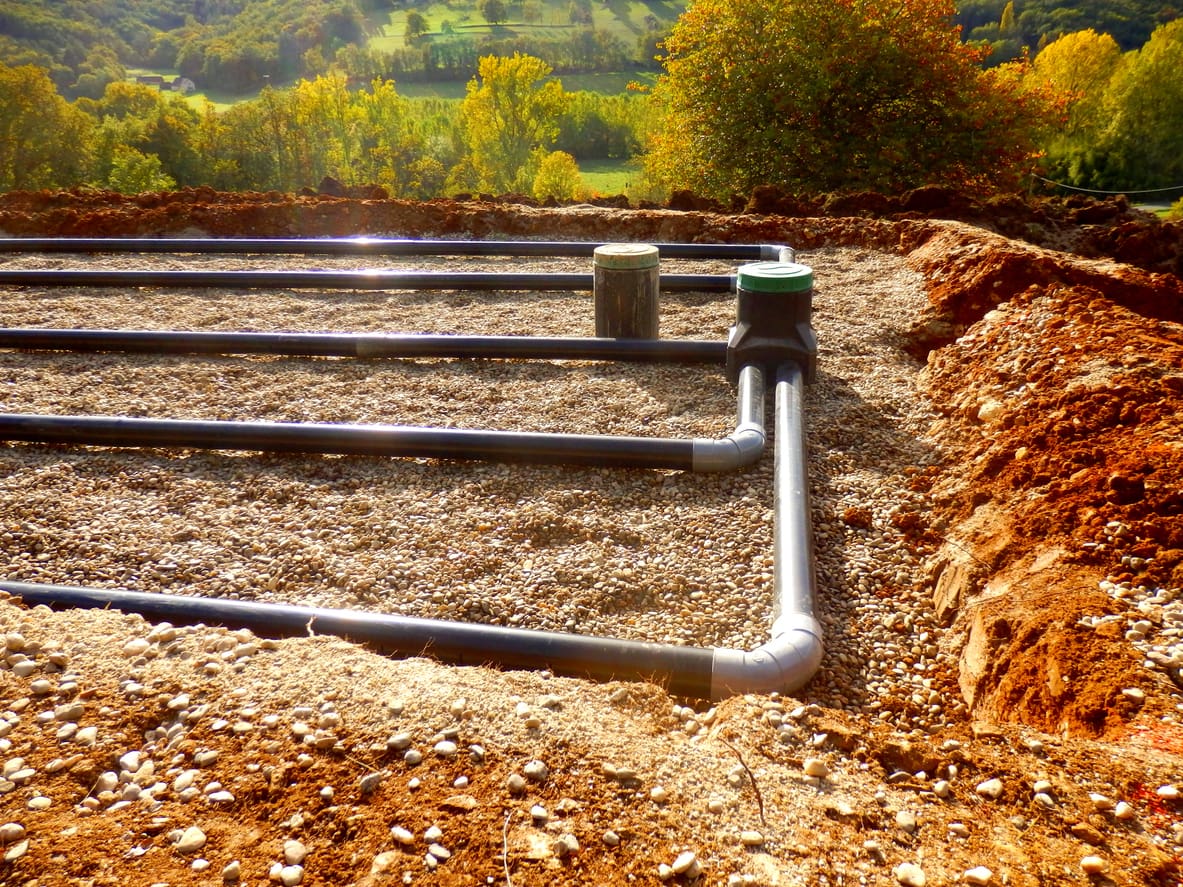
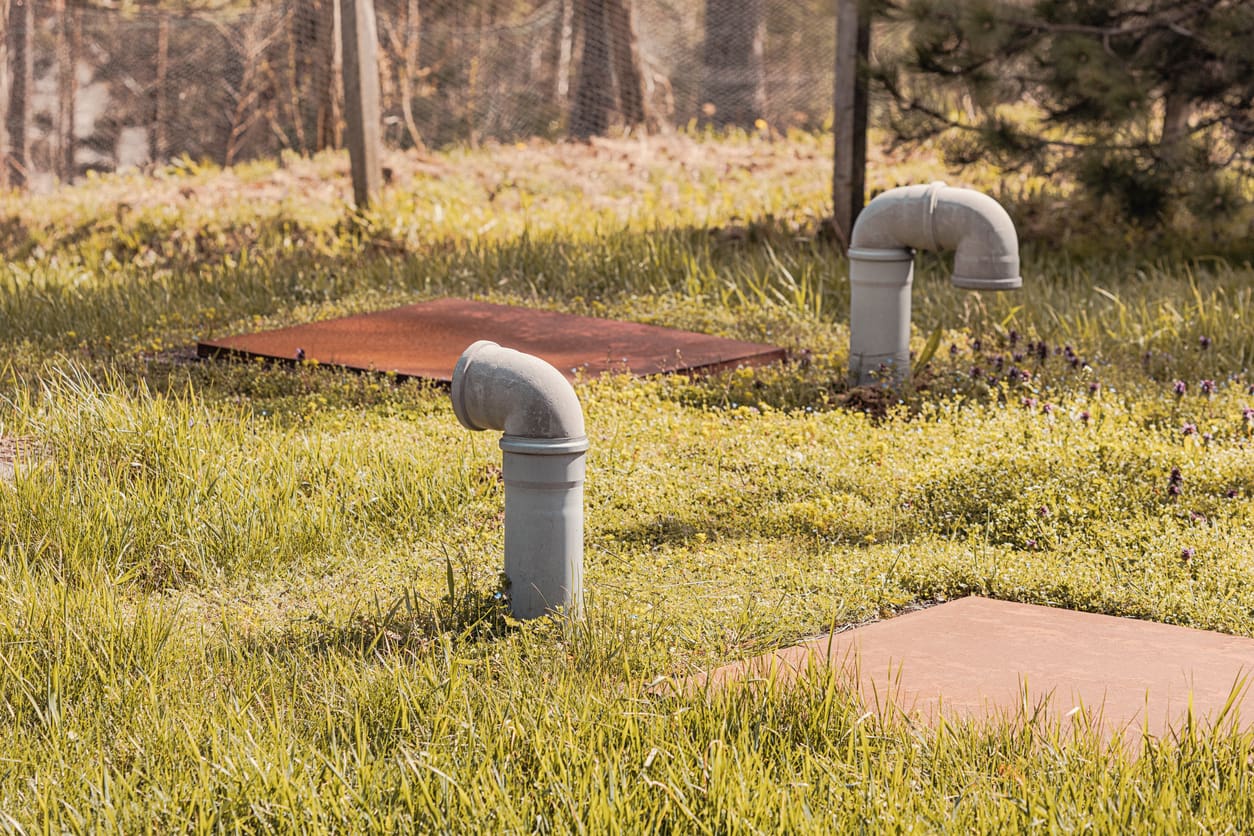
Septic systems treat and dispose of wastewater on-site. They typically consist of a septic tank and a drain field. Wastewater flows into the septic tank, where solids settle to the bottom, and liquids are discharged to the drain field for further treatment by the soil. The system ensures safe wastewater disposal while protecting local groundwater.
Steps in the Septic System Permitting Process
AQUALIS manages the entire permitting process in-house, eliminating delays and ensuring compliance. Our process includes:
Site Evaluation & Soil Testing – We assess the property and conduct soil tests to determine the best system type.
System Design & Engineering – Our team designs a septic system tailored to your property’s specific needs.
Permit Application & Approval – We submit a Notice of Intent (NOI) for system design and installation, handling all construction, oversight, inspections, and approvals internally.
Installation & Final Inspection – We install the system and submit all required records and plans to the Local Health Department for documentation.
Factors That Affect Septic System Design
Several factors determine the best septic system for your property:
Soil Type & Absorption Rate – Determines how quickly the soil can treat wastewater.
Property Size & Layout – Impacts the placement of the septic tank and drain field.
Local Environmental & Zoning Regulations – Compliance with state and municipal guidelines is essential.
Wastewater Flow – The estimated daily wastewater volume influences system size and type.
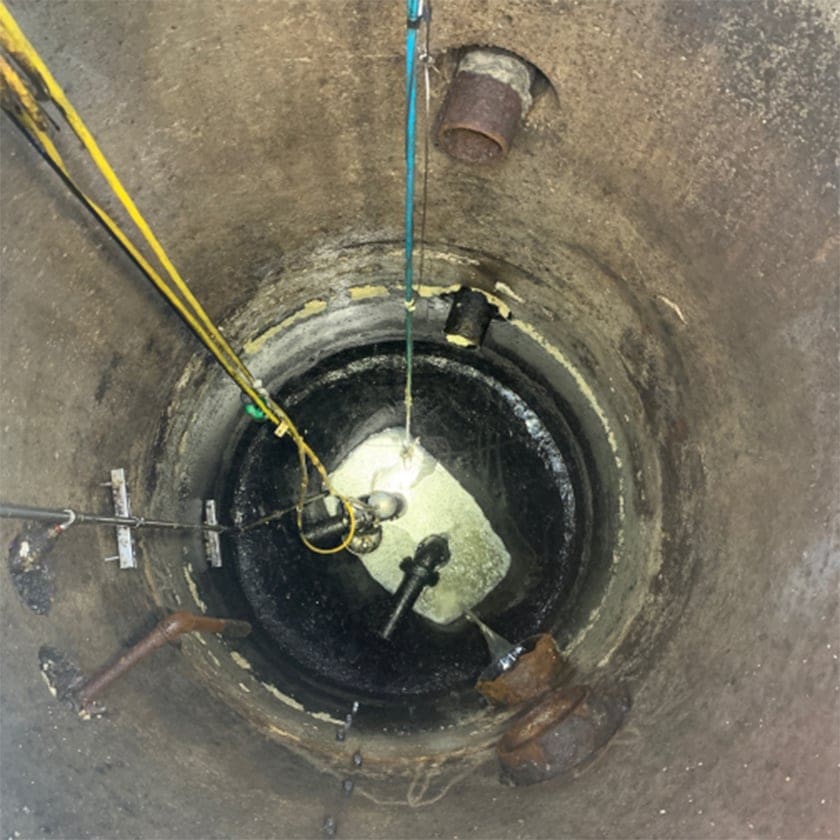
Neglected and without a proper maintenance plan, the system ran without issue for a time, until it did not. As expected, the lift station eventually failed, causing restroom backups, and requiring emergency services.
This website uses cookies to improve your experience. We'll assume you're ok with this, but you can opt-out if you wish. COOKIE SETTINGSACCEPT
Privacy & Cookies Policy
This website uses cookies to improve your experience while you navigate through the website. Out of these cookies, the cookies that are categorized as necessary are stored on your browser as they are as essential for the working of basic functionalities of the website. We also use third-party cookies that help us analyze and understand how you use this website. These cookies will be stored in your browser only with your consent. You also have the option to opt-out of these cookies. But opting out of some of these cookies may have an effect on your browsing experience.
Necessary cookies are absolutely essential for the website to function properly. This category only includes cookies that ensures basic functionalities and security features of the website. These cookies do not store any personal information.