


Last Updated 07/27/2026
Excerpt from the City of Garland Municipal Code
Division 8- Stormwater Management and Storm Sewer Requirements
B) Detention Requirements.
(1) Developments Requiring Detention.
7.3 STORMWATER MANAGEMENT
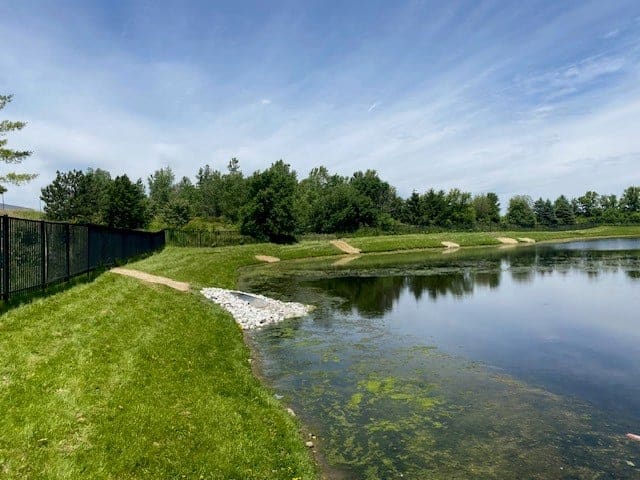
D) Retention Facilities & Amenity Ponds.
(2) Amenity Ponds.
G) Maintenance Responsibilities
(2) Program for Permanent Maintenance.
- The program may, for example, include the creation of a homeowners’ association or other permanently established entity having the ability to levy assessments or other means of providing a permanent source of revenue to fund the maintenance program and to perform, or cause to be performed, the activities required under the maintenance program.
- The maintenance program and the responsibilities to be undertaken pursuant to that program shall be described in a final operations and maintenance manual, a copy of which shall be provided to the City. The manual shall define the need for and purposes of the facility, describe the major components of the facility, create and mandate an inspection program and the ongoing maintenance procedures, identify all of the operational elements and features of the facility, and shall authorize the City to inspect the facilities for compliance. The contents of the manual shall be at least equivalent to the guidelines established in the “Garland Pond Operations and Maintenance Manual” (see the City’s Technical Standards).
- Additional requirements may be imposed due to unique or unusual circumstances as determined by the Director of Engineering.
- Any type of subdivision plat required for a particular development that contains a detention or retention facility shall delineate the maintenance responsibilities for the facilities.
- If a homeowners’ association is to provide maintenance for the facility, the maintenance responsibilities and a reference to the operations manual shall be included in the deed restrictions and covenants of the association.
- A signed and notarized Maintenance Acknowledgement is an integral part of the Operations & Maintenance (O&M) Manual required for all developments containing a detention, retention, or amenity pond. The party signing the document acknowledges and agrees to be responsible for the performance and maintenance of the detention, retention or amenity pond defined in the O&M Manual. A new, signed, and notarized Maintenance Acknowledgement shall be provided to the City any time there is a change in the responsible party.
J) Enforcement Remedies
(1) Civil Remedies.
Pursuant to Sec. 54.012(4) of the Texas Local Government Code, Subchapter B of Chapter 54, Texas Local Government Code, providing for the enforcement of certain ordinances through the imposition of civil penalties and injunction, is hereby made applicable to any violation of this Section 3.89.
(2) Criminal Penalties.
A person who violates any provision of this Section shall be strictly liable for such violation regardless of the presence or absence of a culpable mental state and shall, upon conviction, be subject to a fine of not more than $2,000.00 per violation, per day.
(3) Affirmative Defenses.
Unless otherwise provided in this Section, it shall be an affirmative defense to a prosecution under this Section if:
View State Page
Frequently Asked Questions
What stormwater requirements apply to development in Garland?
Stormwater detention must be addressed in the design and construction of any new development or redevelopment that results in one or more additional acres of impervious cover, including any cumulative additions or modifications that increased impervious area over time. The detention requirement applies to the total net increase in impervious cover, not just the most recent project phase.
Retention facilities may also be required and must be designed with a permanent water storage volume and an outfall structure with a predetermined release rate. If you are unsure whether your project triggers detention or retention requirements, AQUALIS can review your plans and help you navigate the permitting process before construction begins.
Does Garland's ordinance apply to amenity ponds?
Yes, in certain circumstances. Amenity ponds built purely for aesthetic purposes are permitted, provided they do not produce adverse impacts to adjacent or downstream properties or to the municipal storm sewer system. Amenity ponds are not required to provide stormwater quality enhancement measures on their own.
However, if an amenity pond is used for any flood control or stormwater quality purpose — even partially — it is treated as a detention or retention pond under the ordinance and must comply with all applicable provisions, including maintenance, O&M Manual, and Maintenance Acknowledgement requirements. Property owners who have amenity ponds that have informally taken on drainage functions should confirm whether those facilities are subject to full compliance requirements.
Who is responsible for maintaining detention and retention facilities in Garland?
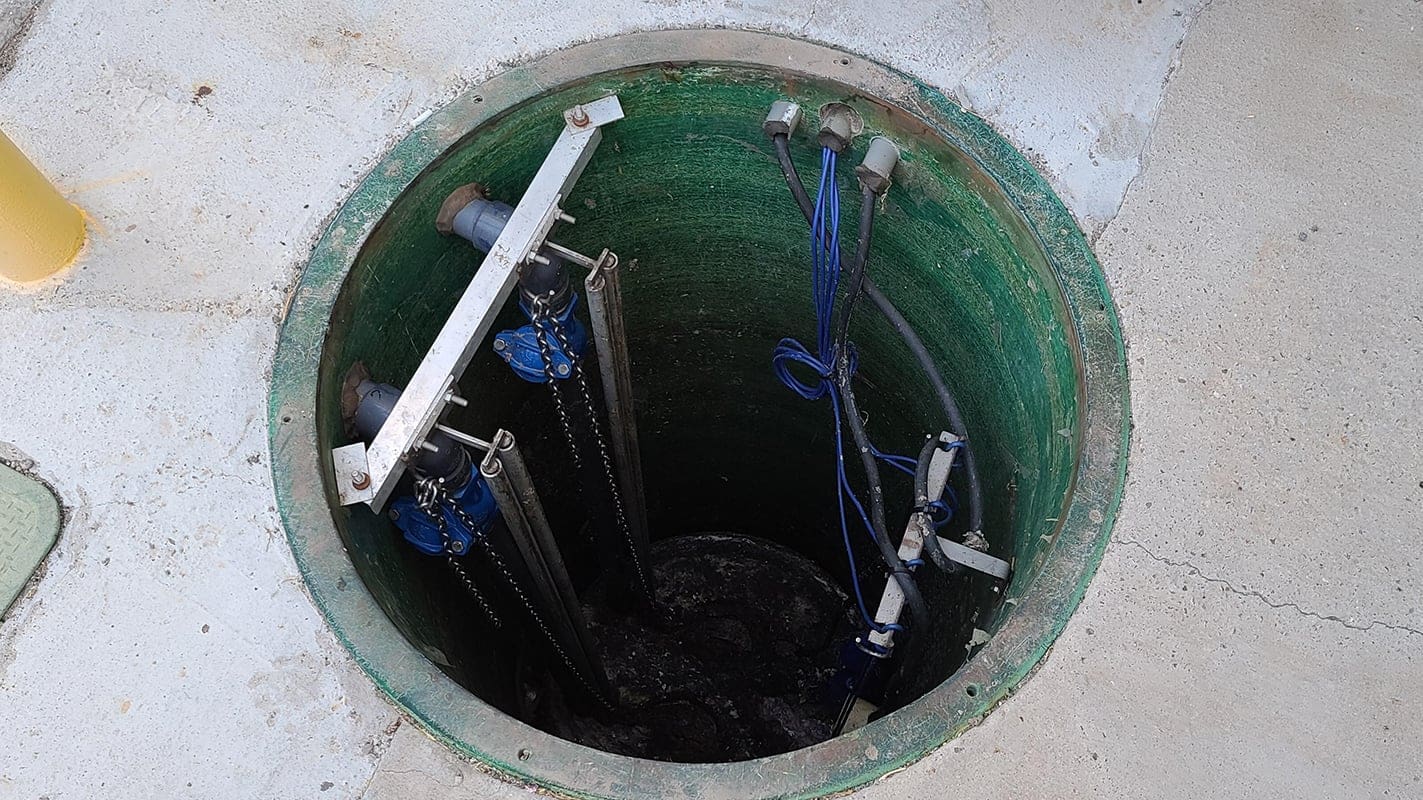
The owner of any development containing a detention or retention facility, including amenity ponds, is responsible for establishing a permanent maintenance program and for keeping the facility functioning in accordance with its original purpose and design. Maintenance must occur on a recurrent and consistent basis and includes mowing, removing trash and debris, removing silt and sediment, grading, maintaining vegetation, making structural and mechanical repairs, and any other activities needed to maintain the facility’s function.
The maintenance program must be described in a final Operations and Maintenance Manual that is provided to the City. The manual must define the facility’s purpose, describe its major components, establish an inspection program, identify all operational elements, and authorize the City to inspect for compliance. If a homeowners’ association is responsible for maintenance, the obligation must be referenced in the deed restrictions and covenants.
A signed and notarized Maintenance Acknowledgement is required as part of every O&M Manual. A new acknowledgement must be provided to the City any time there is a change in the responsible party. AQUALIS can help you prepare compliant O&M documentation and manage your ongoing maintenance obligations.
What are the penalties for stormwater violations in Garland?
Garland’s ordinance imposes strict liability for violations of Section 3.89, meaning a person can be found in violation and fined regardless of intent or knowledge. Upon conviction, the penalty is up to $2,000 per violation per day. Each day of continued violation is a separate offense.
The City may also pursue civil remedies including injunctions under Texas Local Government Code Chapter 54. Civil penalties and injunctive relief can be pursued alongside or separately from criminal prosecution.
Note that the ordinance’s affirmative defenses do not apply to the maintenance requirements in Subsection G. If your facility is failing to meet maintenance standards, you cannot rely on the pre-2002 construction defense or the agricultural use defense to avoid a maintenance violation.
How do I know if my Garland stormwater facility is at risk of failure or safety violation?
Watch for these warning signs.
No O&M Manual or Maintenance Acknowledgement on file. Both documents are required for all developments with detention, retention, or amenity ponds. If yours were never submitted to the City or have not been updated after a change in ownership or responsible party, that is an active compliance gap.
Your amenity pond has taken on drainage functions. If a pond originally built for aesthetics is now being used for flood control or stormwater quality management in any way, it must meet the same requirements as a detention or retention facility. This is a common compliance gap on older properties.
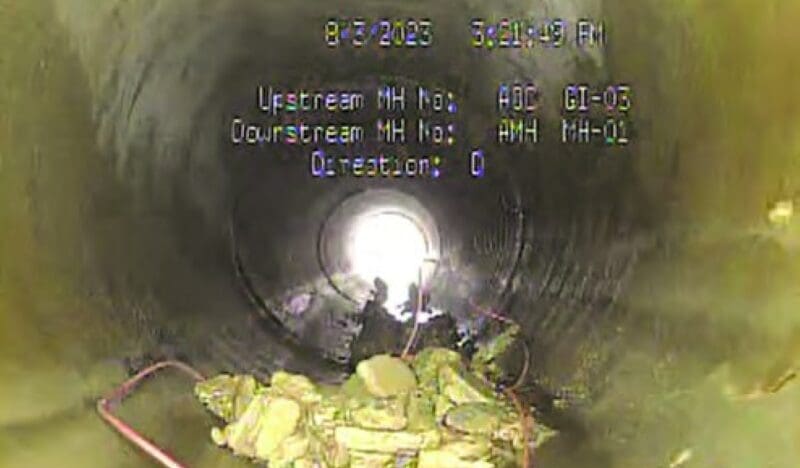
Your facility has visible sediment buildup, overgrown vegetation, or structural deterioration. Maintenance is required on a recurrent and consistent basis. A facility that has not been mowed, cleaned, or repaired recently is likely not meeting the ordinance standard and could generate a violation per day until corrected.
The responsible party has changed and no new Maintenance Acknowledgement has been provided. A new signed and notarized acknowledgement is required every time the responsible party changes. Property purchases without this update leave a compliance gap.
Recent property purchase. Maintenance obligations in Garland follow the property. If you recently acquired a development with a detention, retention, or amenity pond, AQUALIS can assess the current condition of the facility and confirm that all required documentation is in place.
The information on this page is provided for general informational purposes only and is not legal advice. Regulations change frequently — AQUALIS makes no warranty as to the accuracy or completeness of this content, and any reliance on it is at your own risk. Consult a qualified professional or your local regulatory authority to confirm requirements applicable to your specific property.