

Last Updated 07/27/2026
Provo Municipal Code
Chapter 18.03 STORM DRAINAGE SYSTEM DESIGN AND MANAGEMENT
Storm Drainage System Performance Standards.
(1) Adoption. The Provo City Municipal Council hereby adopts as the City’s storm water systems design, management, and performance standards the following publications:
(a) Provo City Storm Drainage System Design and Management Manual.
(b) Provo City Erosion Control and Storm Water Quality Manual.
(c) Provo City Storm Water Management Program.
(d) Provo City Storm Drain Master Plan.
The above publications include acceptable BMPs and specific criteria for the performance, design, and maintenance of storm water management systems within the City. The publications may be updated and/or expanded periodically at the discretion of the Public Works Director, or the Director’s designee, based on improvements in engineering, technology, and maintenance experience to meet the minimum standards.
Private Storm Water Facility Maintenance
Storm water facilities located on private property shall be the responsibility of the property owner, unless it collects or conveys public storm water. The requirements for this Section apply to all private storm water facilities.
(1) It shall be the sole responsibility of the owner to keep the private storm water facility in good repair, and to perform necessary repairs and maintenance at the owner’s expense. It shall be the responsibility of the owner to, at their own expense, remove floatables, silt, and other debris from the private storm water facility.
(2) It shall be the responsibility of the private storm water facility owner to inspect the private storm water system on an as needed basis, but no less than every other year. The owner shall submit proof of inspections to the City via email at [email protected], and/or use the City provided system ComplianceGo to track and submit inspections. At a minimum, proof of inspection shall include:
(a) The date of inspection.
(b) Name and signature of inspector.
(c) Current ownership information.
(d) A description of the condition of the private storm water facility, including vegetation conditions, sustained ponding, damage or deterioration, and sediment or debris accumulation.
(e) Regular maintenance performed, including frequency.
(f) Repairs and/or special maintenance required for facility to function properly, with deadline and reinspection date to ensure work was completed.
(3) The owner shall grant access to the City to periodically inspect the private storm water facility. Repairs to and maintenance of private storm drains shall be performed by the owner when requested by the City, at the expense of the owner. Should owner fail to make such repairs upon notice by the City, said repairs may be made by the City and the owner shall be billed for the cost and applicable fines.
Private Drainage
(1) It shall be the responsibility of the property owner to ensure that the private drainage generated within the private property is adequately handled and does not create a nuisance on neighboring properties, by one (1), or any combination, of the following methods:
(a) Private drainage may be conveyed to a public drainage facility at a location and by any means approved by the Public Works Director or the Director’s designee.
(b) Private drainage may be conveyed to a private drainage facility provided that written consent to do so is obtained from the owner of the private facility.
(c) Private drainage may be retained on site by dispersing it in a manner that it is absorbed into the landscape as long as such retention system is not restricted by Section 15.05.170, Provo City Code.
(2) Approval from the Public Works Director or the Director’s designee must be obtained prior to the subsurface discharge of any private drainage. A soils report may be required, at the discretion of the Public Works Director or the Director’s designee as part of the subsurface discharge approval. The soils report shall conform to the guidelines as set forth in the publications listed in Section 18.03.020, Provo City Code.
(3) Lot Grading Plan. All construction that increases the net impervious surface area and requires a building permit shall submit, as part of the permit application, a lot grading plan that conforms to the requirements as described in the publications listed in Section 18.03.020 and Chapter 15.03, Provo City Code.
(4) Gutters Fronting Private Property. It shall be the responsibility of the owner, tenant, or leases of property to clean, sweep, or otherwise remove and properly dispose of debris from the gutter, or other drainage-way, that fronts or runs contiguous to said property.
Erosion Control and Storm Water Quality Manual
Post-Construction Controls
Implementation of post-construction BMPs (also referred to as permanent BMPs) is critical to storm water quality management. This primarily includes developing strategies to implement a combination of structural and non-structural BMPs to limit or eliminate long-term erosion from the site.
4.1 Post-Construction BMP’s
Describe all post-construction storm water management measures that will be installed during the construction process to control pollutants in storm water discharges after construction operations have been completed. Examples of post-construction BMPs include the following:
- Bio filters
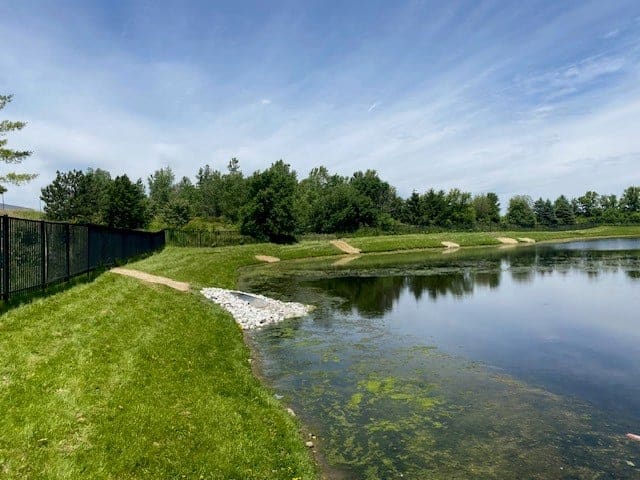
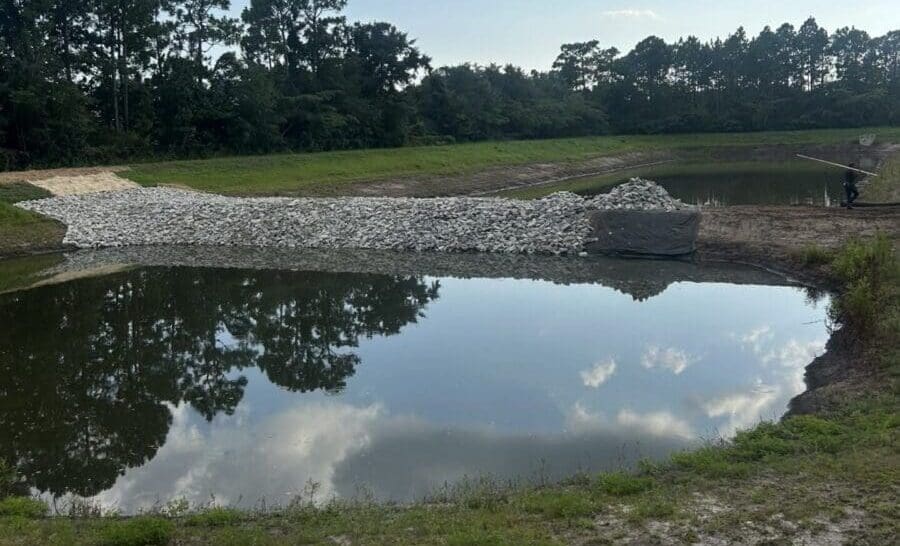
- Detention/retention devices
- Earth dikes, drainage swales, and lined ditches
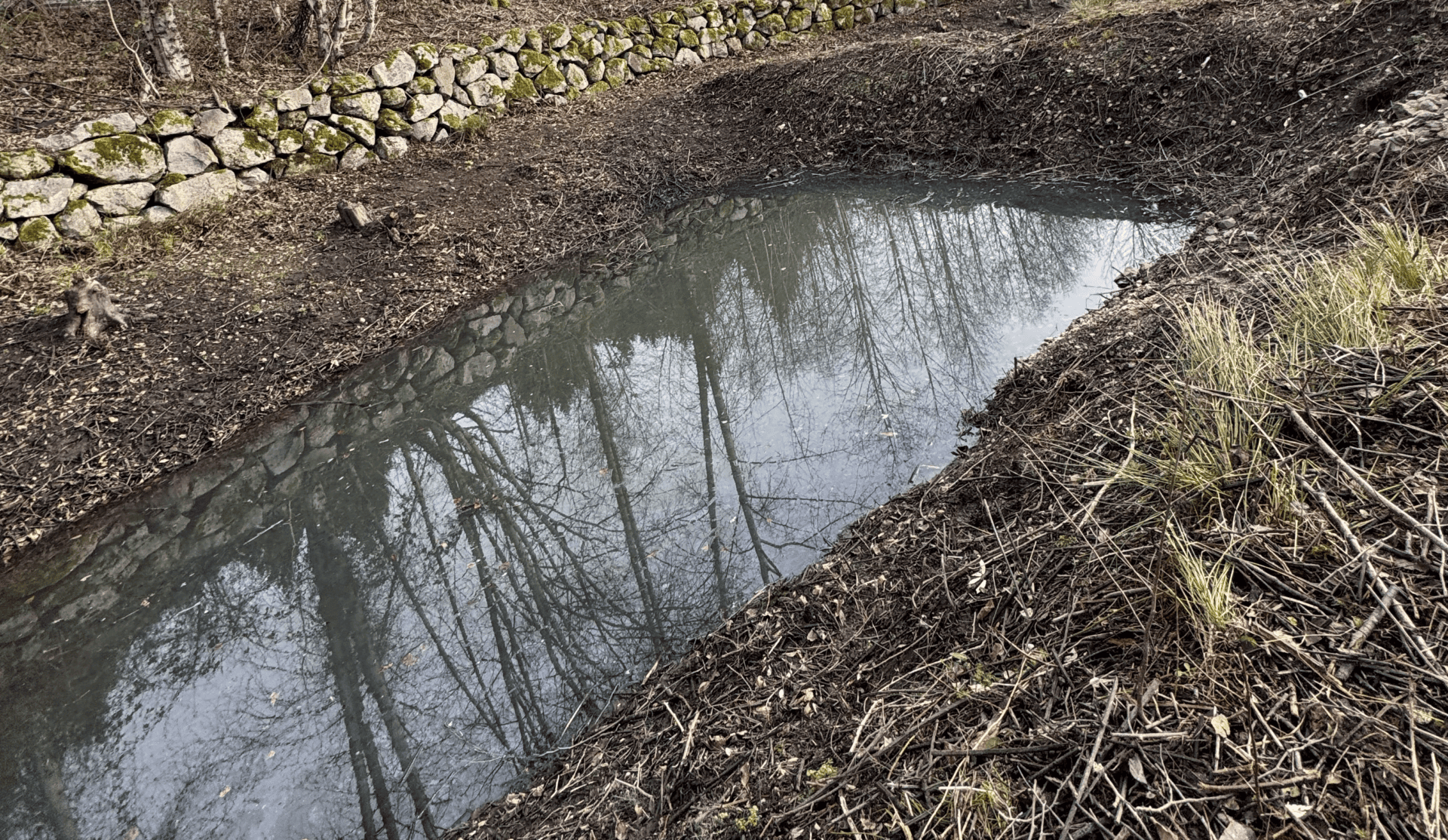
- Infiltration basins
- Porous pavement
- Other proprietary permanent structural BMPs
- Outlet protection/velocity dissipation devices
SWPPP Template Instructions
Slope protection:
- Vegetated strips and/or swales
- Identify any applicable federal, state, local, or tribal requirements for design or installation.
- Describe how low-impact designs or smart growth considerations have been incorporated into the design.
- For any structural BMPs, you should have design specifications and details and refer to them. Attach them as appendices to the SWPPP or within the text of the SWPPP.
- For more information on this topic, see your state’s storm water manual.
- You might also want to consult one of the references listed in Appendix D of the SWPPP Guide.
View State Page
Frequently Asked Questions
What is stormwater compliance in the City of Provo?
Stormwater compliance in Provo means following the City’s Municipal Code Chapter 18.03 and the technical standards adopted under it, which include the Provo City Storm Drainage System Design and Management Manual, the Erosion Control and Storm Water Quality Manual, the Storm Water Management Program, and the Storm Drain Master Plan. Together these publications set the standards for the design, performance, and maintenance of stormwater management systems within the City.
All private stormwater facilities are the responsibility of the property owner unless the facility collects or conveys public stormwater. The City has the right to access and inspect post-construction stormwater controls on private properties at any time to confirm adequate maintenance is being performed.
Who is responsible for private stormwater facility maintenance in Provo?
Property owners are solely responsible for keeping private stormwater facilities in good repair and for performing all necessary repairs and maintenance at their own expense. This includes removing floatables, silt, and other debris from the facility. The obligation applies to all private stormwater infrastructure not collecting or conveying public stormwater.
If the City requests repairs and the property owner fails to act, the City may perform the repairs itself and bill the owner for all costs plus applicable fines. AQUALIS can manage your inspection and maintenance obligations and ensure your records are submitted to the City on time.
How often does Provo require stormwater facility inspections and what must be reported?
Provo requires private stormwater facilities to be inspected at least once every two years. Proof of inspection must be submitted to the City via email or through the City’s ComplianceGo tracking system. At a minimum, each inspection report must include the following.
Date of inspection and the name and signature of the inspector.
Current ownership information for the property.
A description of the facility’s condition, including vegetation conditions, any sustained ponding, damage or deterioration, and sediment or debris accumulation.
Regular maintenance performed, including the frequency at which it has been performed.
Any repairs or special maintenance required for the facility to function properly, with a deadline and reinspection date to confirm the work was completed.
Property owners who do not wish to grant the City direct inspection access may instead submit an annual certification that stormwater controls have been adequately maintained and are operating as designed. AQUALIS can conduct your inspections, prepare compliant reports, and submit them through ComplianceGo on your behalf.
How do I know if my Provo stormwater system is at risk of failure or safety violation?
Watch for these warning signs.
Inspection not completed within the past two years. Provo’s biennial inspection requirement is a hard floor. If your most recent inspection is more than two years old and no report has been submitted to the City, you are out of compliance.
Inspection report not submitted via email or ComplianceGo. Completing an inspection is not enough on its own. Proof must be submitted to the City in the required format. If you have conducted inspections but have not filed the required reports, that gap needs to be closed.
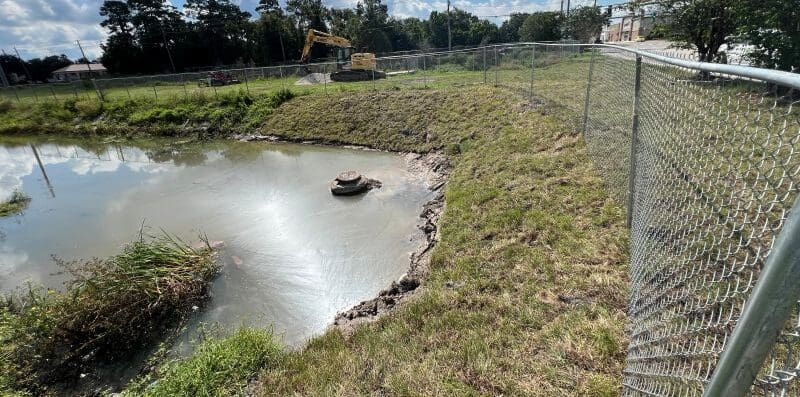
Water is not draining or ponding is sustained after rain. Sustained ponding is one of the specific conditions the inspection report must address. If it is happening on your property, it is a sign your facility is not functioning as designed and needs attention before the City identifies it during an inspection.
Sediment, debris, or visible damage present. These are all required inspection findings. If any exist on your property and have not been documented and addressed, your facility is overdue for maintenance.
Recent property purchase. Private stormwater facility obligations in Provo stay with the property. If you recently acquired a commercial property and are unsure whether inspections have been submitted to the City on the required schedule, AQUALIS can review your compliance history and get your documentation current.
The information on this page is provided for general informational purposes only and is not legal advice. Regulations change frequently — AQUALIS makes no warranty as to the accuracy or completeness of this content, and any reliance on it is at your own risk. Consult a qualified professional or your local regulatory authority to confirm requirements applicable to your specific property.