

Last Updated 07/22/2026
Excerpts from Shoreline Code of Ordinance
Chapter 13.10 Surface Water Utility
13.10.200 Adoption of Stormwater Management Manual
A. The city adopts by reference the Stormwater Management Manual for Western Washington published by Washington State Department of Ecology, henceforth referred to as “Stormwater Manual.” The effective version shall be the most recent version that has been approved for city use by the director. All new development, redevelopment, and other activities which have the potential to impact surface water and stormwater shall comply with the standards set forth in the current effective version of the following unless specifically exempted by the Stormwater Manual:
1. Stormwater Manual;
2. Western Washington Phase II Municipal Stormwater Permit, issued by the Washington Department of Ecology; and
3. City of Shoreline Engineering Development Manual.
13.10.245 Operation and maintenance
A. Pursuant to the Stormwater Manual, the owner shall prepare an operation and maintenance plan for the constructed surface water drainage facilities. This plan is subject to review and approval by the director.
B. When required, the director shall prepare a declaration of covenant for signature by the owner. A covenant is required for all permanent stormwater facilities installed pursuant to the Stormwater Manual.
C. The owner, at their own expense, shall record the approved operation and maintenance plan and the associated declaration of covenant with King County recorder’s office and provide a copy of the recorded document to the director.
D. The dedication of surface water facilities located within the public right-of-way shall comply with SMC 20.70.140.
13.10.340 Inspections and investigations and illicit discharges
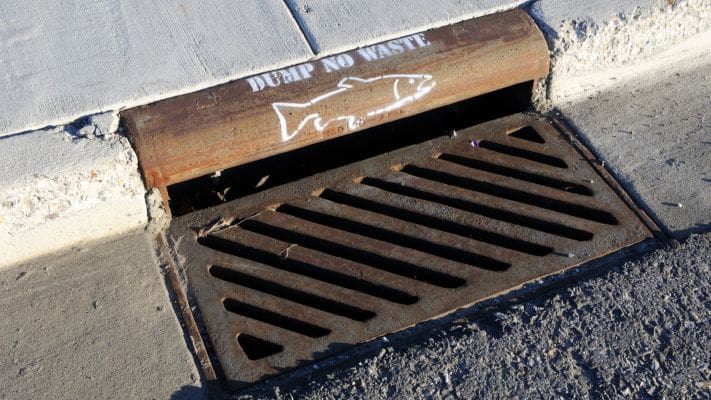
- The director is authorized to establish inspection programs. Inspection programs may include: routine inspections; random inspections; inspections based upon complaints or other notice of possible violations; inspection of drainage basins or areas identified as higher than typical sources of sediment or other pollutant or pollutants; inspection of any potential pollution generating source on all public and private properties in the city; and joint inspections with other agencies inspecting under environmental or safety laws. Inspections may include, but are not limited to: reviewing maintenance and repair records; sampling discharges, surface water, groundwater, and material or water in drainage control facilities; screening for or tracking illicit discharges or illicit connections; inspecting land uses and potential pollution generating activities to ensure that appropriate source control BMPs are implemented and maintained, and evaluating the condition of drainage control facilities and other BMPs, including those located on private property.
- Property owners shall allow access, with reasonable notice from the city, to all parts of the premises for the purpose of inspection, sampling, examination, abatement, and copying of records that must be kept under the conditions of an NPDES permit to discharge stormwater, and the performance of any additional duties as defined by state and federal law. In an event of emergency, reasonable notice is not required
- The director shall have the right to set up necessary equipment to conduct monitoring or sampling of discharge from stormwater facilities.
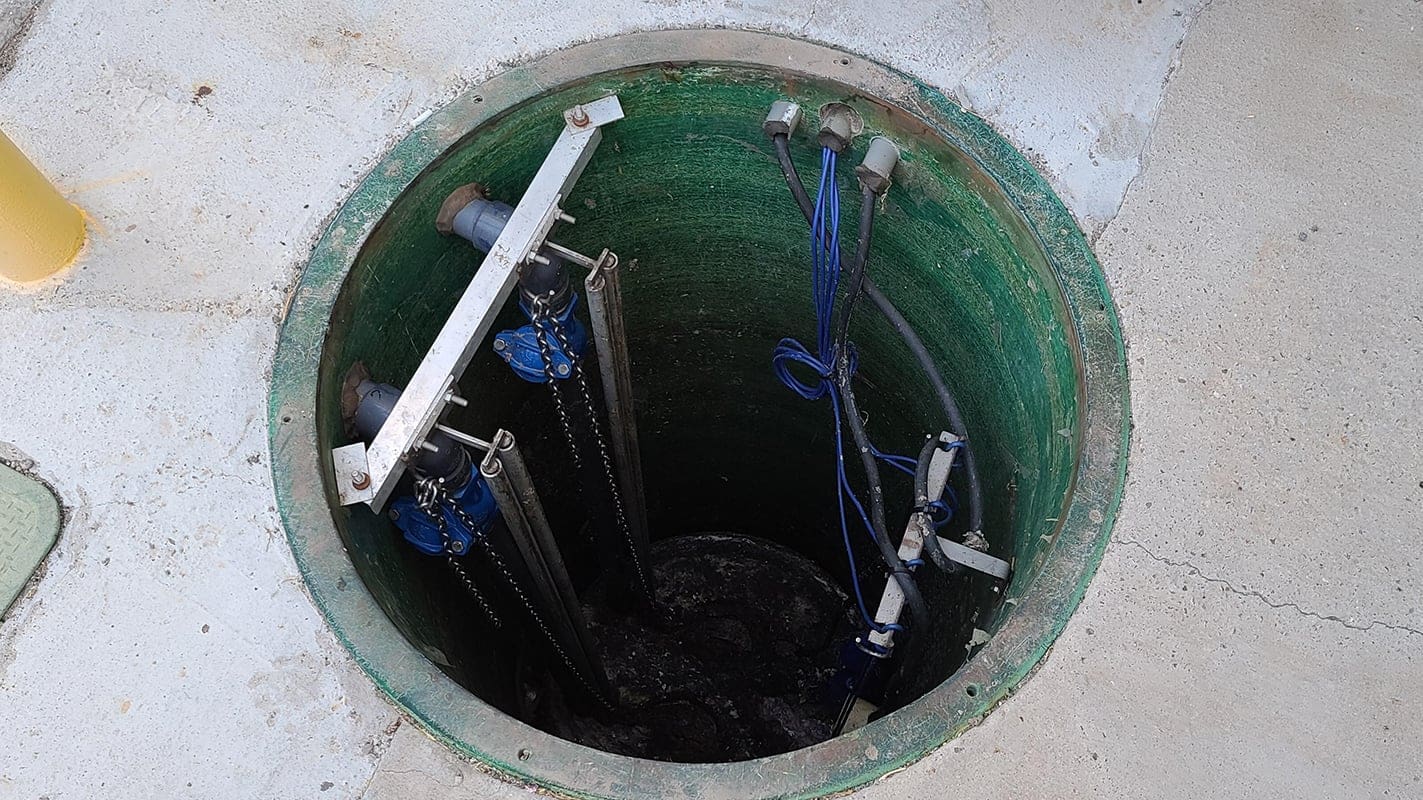
- The director has the right to require the property owner to install stormwater facility monitoring equipment as necessary. Sampling and monitoring equipment shall be maintained at all times in a safe and proper operating condition at the property owner’s expense. All devices used to measure stormwater flow and water quality shall be calibrated to ensure their accuracy.
- Any temporary or permanent obstruction to the facility to be inspected and/or sampled shall be promptly removed by the property owner at the written or oral request of the director. Such obstructions shall not be replaced. The costs of removing obstructions shall be borne by the property owner.
13.10.400 Violations
Any activity or action caused or permitted to exist in violation of this chapter is a threat to public health, safety, and welfare, and is declared and deemed a public nuisance. Such violations are subject to enforcement under SMC 20.30.720 through 20.30.790.
A. Imminent Nuisance and Summary Abatement. If a violation exists, the city may summarily and without prior notice abate the condition. Notice of such abatement, including the reason for the abatement, shall be given to the person responsible for the property and the violation as soon as reasonably possible after the abatement. The director shall make the determination of a condition, substance, act or other occurrence constituting an imminent nuisance requiring summary abatement. Costs, both direct and indirect, of the abatement may be assessed as provided under SMC 20.30.720 through 20.30.790.
Excerpt from City of Shoreline Website
Private Stormwater System Self-Certification Program
Property owners are responsible for inspecting and maintaining the stormwater systems on their property. For many properties, the City inspects private stormwater systems every 1 to 2 years and requires corrective maintenance, when needed.
Some properties are eligible for the Private Stormwater Facility Self-Certification Program. These property owners inspect and maintain the stormwater system(s) on the property. Eligible property owners will receive a letter from the City providing information on how they can self-certify.
To participate in the program, eligible properties need to review the King County Maintenance Requirements and complete the Self-Certification Checklist. Completed checklists can be sent to Brett Massa (BMassa@ShorelineWA.gov). To remain eligible, properties must successfully self-certify when requested to by the City.
View State Page
Frequently Asked Questions
Who is responsible for stormwater maintenance in Shoreline?
If a permanent stormwater facility was installed on your property, you are required to prepare an operation and maintenance plan, have it approved by the director, and record it along with a declaration of covenant with the King County Recorder’s Office at your own expense. You must also provide a copy of the recorded document to the City.
This covenant is required for all permanent stormwater facilities and is tied to the property, not the owner. It transfers with the property when it is sold, meaning any future owner takes on the same maintenance obligations. If you recently purchased a property and are unsure whether a covenant was recorded for any stormwater facilities on site, that is worth confirming before a City inspection reveals the gap. AQUALIS can help you review your obligations and get your documentation in order.
Can the City of Shoreline inspect my stormwater facilities?
Yes. The City has broad inspection authority that covers all public and private properties in Shoreline. Inspections can be routine, random, complaint based, or triggered by identification of your property as a higher than typical source of pollutants. During an inspection, the City may review maintenance and repair records, sample discharges, screen for illicit connections, evaluate source control BMPs, and assess the condition of any drainage control facilities on your property.
You are required to provide access with reasonable notice. In an emergency, no prior notice is required. If any part of your facility is obstructed, you must remove the obstruction promptly at your own expense, and it may not be replaced.
The City can also require you to install monitoring equipment on your stormwater facilities and to keep that equipment in calibrated, working condition at your expense.
How do I know if my Shoreline stormwater system is at risk of failure or safety violation?
Watch for these warning signs.
No operation and maintenance plan or covenant on file. Every permanent stormwater facility in Shoreline requires a recorded operation and maintenance plan and declaration of covenant. If yours was never prepared, approved, or recorded, that is an active compliance gap. The City treats any violation of the stormwater ordinance as a public nuisance, which means it can act on this without waiting for a formal enforcement process.
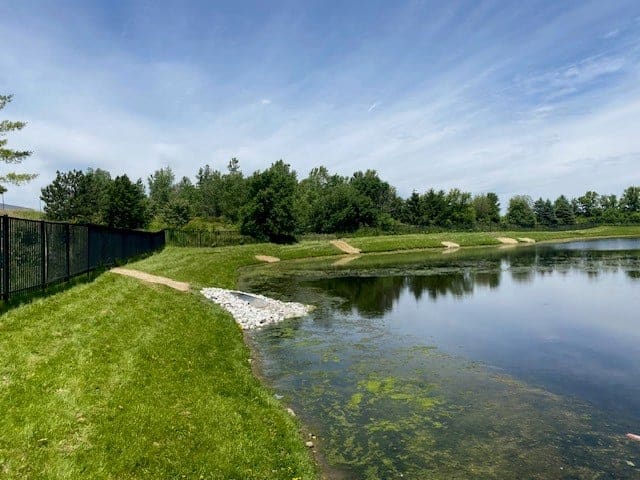
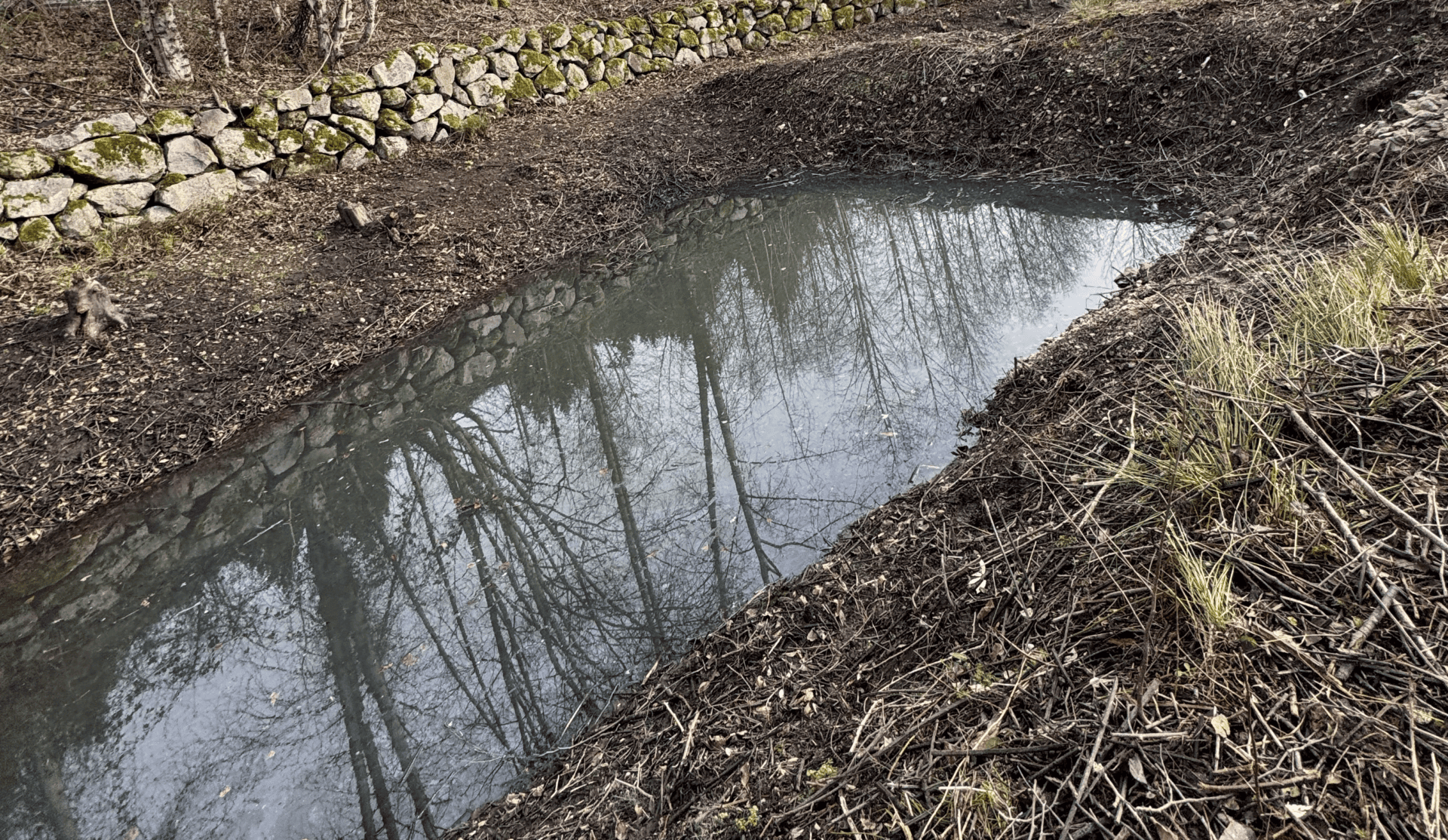
Water is not draining after rain. Standing water more than 72 hours after a storm suggests your facility is not functioning as designed and likely not meeting the standards in your operation and maintenance plan.
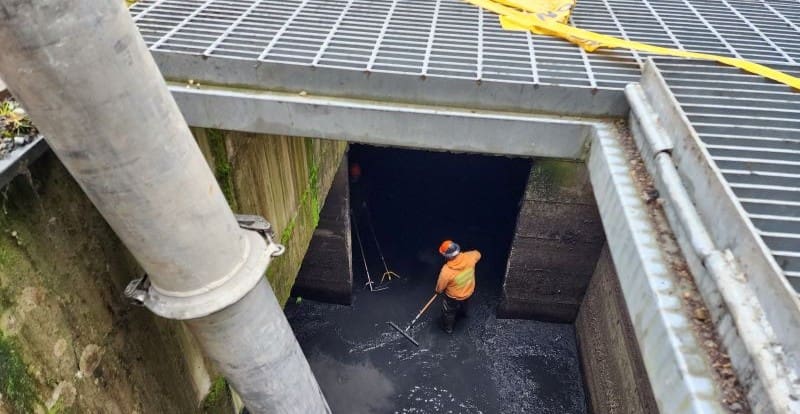
Visible deterioration or blockages. Sediment buildup, clogged inlets or outlets, overgrown vegetation, and structural damage are all signs maintenance is overdue and puts you at risk during a City inspection.
Pollution generating activities without source controls. The City’s inspection program specifically targets pollution generating activities on commercial and industrial properties to confirm appropriate source control BMPs are in place. If your business has outdoor storage, vehicle maintenance, chemical handling, or similar activities without controls, that is a likely inspection finding.
The information on this page is provided for general informational purposes only and is not legal advice. Regulations change frequently — AQUALIS makes no warranty as to the accuracy or completeness of this content, and any reliance on it is at your own risk. Consult a qualified professional or your local regulatory authority to confirm requirements applicable to your specific property.