
Last Updated 08/11/2026
Inspection and Maintenance Responsibilities
For all existing and new developments the following inspection and maintenance responsibilities shall apply:
Private Stormwater Management Facilities
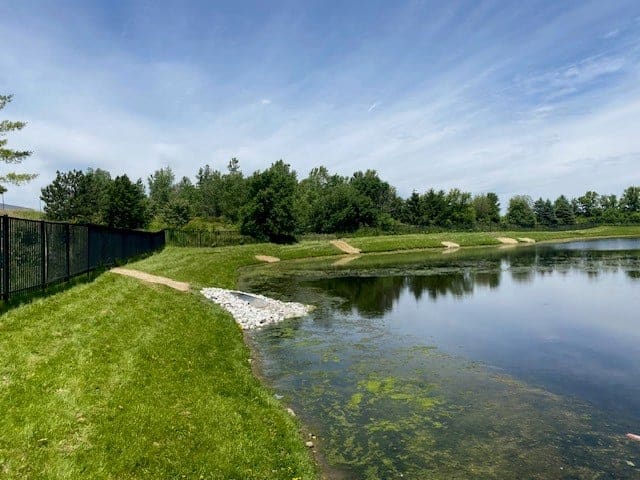
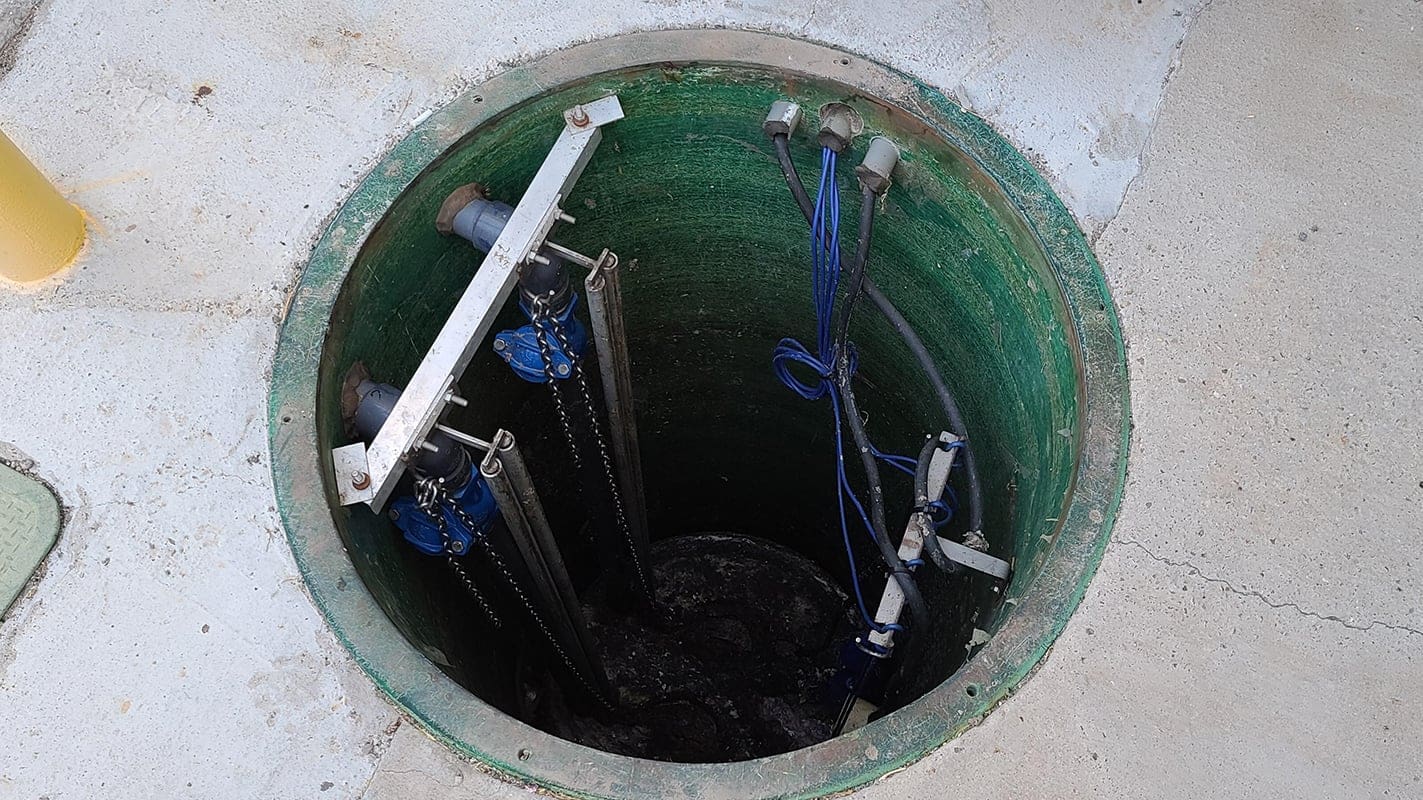
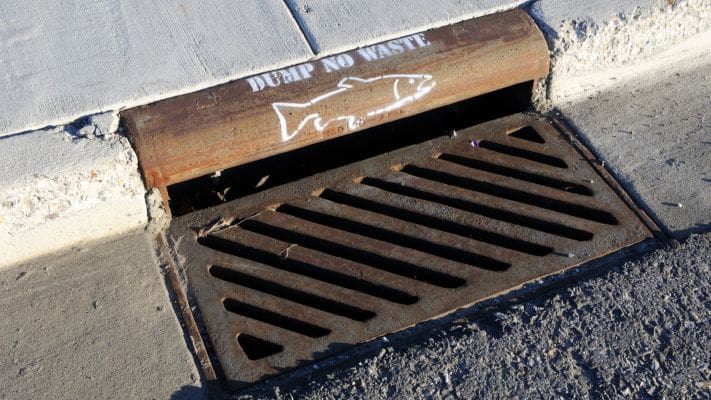
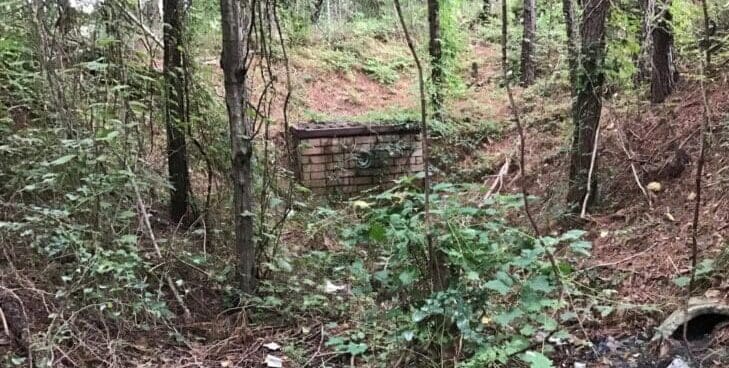
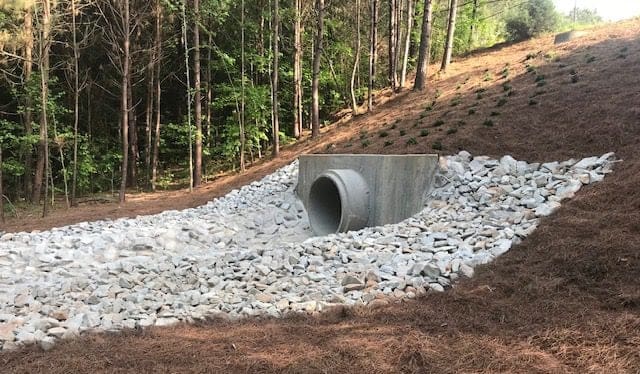
Private stormwater management facilities shall be privately owned and it shall be the responsibility of the owner(s) to ensure proper function of the stormwater management facilities located on their property. This shall be accomplished through, periodic inspections and routine maintenance by the responsible party. The owner(s) shall maintain a perpetual, non-exclusive easement that allows access for inspection and emergency maintenance activities. Private stormwater management facilities may include ponds, creeks, pipes, ditches, and drainage swales.
City Inspection Programs of Privately Owned Facilities
The Engineering/Public Works Department has established an inspection and maintenance program for privately owned structural stormwater controls. The inspection program includes routine inspections; random inspections; requested inspections; inspections based upon complaints or other notice of possible violations; and joint inspections with other agencies inspecting under environmental or safety laws. Inspections may include but are not limited to: visual inspections; review of maintenance and repair records; sampling of discharges; and evaluating the condition of structural stormwater controls and practices.
The City will not involve itself in private property disputes or other legal actions between property owner(s).
The City may provide technical assistance and riprap to assist with the maintenance and stabilization of stormwater management facilities.
The City inspection program has a goal of inspecting 180 privately owned structural stormwater controls per year.
Notification to Owner(s)
In the event that the structural stormwater control is in good working order and does not need any maintenance, the City Engineer shall notify the responsible party within 10 business days of the inspection.
In the event that the stormwater management facility needs maintenance, has not been maintained, and/or becomes a danger to public safety or public health the City Engineer shall notify the responsible party by registered or certified mail within 10 business days of an inspection. The notice shall specify the measures necessary to bring the stormwater structural control into compliance.
Responsible Party Response to City
The City must receive a response within 60 days of issuing a notice of required maintenance to the responsible party. Included in the response must be the maintenance measures performed and/or a timeline for when the measures will be completed.
Violations
In the event that the responsible party does not respond to the City and/or perform the required maintenance within 60 days, a violation will be issued in accordance with Section 3.3.14 of the Unified Development Code.
Emergency Maintenance/Failure to Maintain
In accordance with Section 3.3.14 of the Unified Development Code, the Engineering/Public Works Department may conduct emergency maintenance if the responsible party fails or refuses to maintain their stormwater management facility in proper working order. In the event the violation constitutes an immediate danger to public health or public safety, 24 hours’ notice shall be sufficient. The City may correct a violation by performing the necessary work to place the facility in proper working condition. The City may assess the responsible party for the cost of the repair work that shall be a lien on the property, and may be placed on the ad valorum tax bill for such property and collected in the ordinary manner for such taxes.
View State Page
Frequently Asked Questions
How many privately owned stormwater facilities does Alpharetta actually inspect each year?
The Engineering and Public Works Department runs an active inspection program with a stated goal of checking 180 privately owned structural stormwater controls annually, mixing routine inspections, random checks, requested inspections and ones triggered by complaints. That’s a meaningfully proactive number compared to cities that rely mainly on complaint-driven review, so a property owner in Alpharetta should expect a real chance of inspection even without any reported issue.
What happens after a city inspection finds my Alpharetta stormwater facility needs maintenance?
The city engineer notifies the responsible party by registered or certified mail within 10 business days of the inspection, spelling out exactly what’s needed to bring the facility back into compliance. If the facility passed inspection with no issues, the notification still comes within that same 10-day window, just confirming the good result instead. Either way, the property owner isn’t left waiting to find out where things stand.
How much time do I have to respond to an Alpharetta maintenance notice?
Sixty days from the date the city issues its notice. The response has to include either proof the maintenance work is already done or a clear timeline for when it will be completed, not just an acknowledgment of the notice. Missing that 60-day window without a response triggers a formal violation under Section 3.3.14 of the Unified Development Code.
Can Alpharetta step in and fix my stormwater facility itself?
Yes, if the responsible party fails or refuses to maintain a facility after the notice and response process plays out. The city can perform the necessary repair work and assess the cost back to the property owner, and that cost becomes a lien collectible the same way as unpaid ad valorem property taxes. If a facility poses an immediate danger to public health or safety, the city only needs to give 24 hours’ notice before stepping in, rather than working through the standard 60-day timeline.
The information on this page is provided for general informational purposes only and is not legal advice. Regulations change frequently — AQUALIS makes no warranty as to the accuracy or completeness of this content, and any reliance on it is at your own risk. Consult a qualified professional or your local regulatory authority to confirm requirements applicable to your specific property.