
Last Updated 07/16/2026
Stormwater Code: Excerpts from Bainbridge Island, Washington Code of Ordinance
Chapter 15.20 Surface Water and Stormwater Management
15.20.050 General requirements.
A. Stormwater Management Manual Adopted. The Washington State Department of Ecology’s 2019 Stormwater Management Manual for Western Washington, as amended, is hereby adopted by reference and is hereinafter referred to as the stormwater manual; provided, that certain provisions of the stormwater manual are amended as stated in BIMC 15.20.060.
B. Illegal discharges and illegal connections to the stormwater drainage system are prohibited by Chapter 15.22 BIMC.
C. Low Impact Development Manual Adopted. The 2012 Low Impact Development (LID) Technical Guidance Manual for Puget Sound is hereby adopted by reference and is hereinafter referred to as the LID manual.
Private Stormwater Management
The City is responsible for the Island’s public stormwater system and more information is available on the Public Work’s Operations and Maintenance page. Private property owners are responsible for their own private stormwater systems.
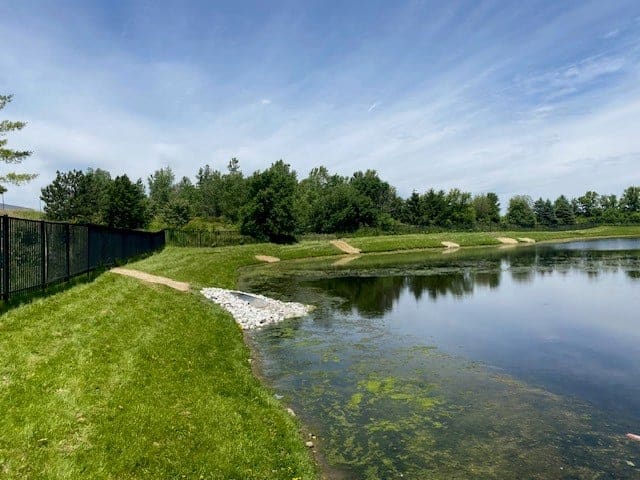
Private stormwater systems provide for collection, conveyance, flow control and sometimes water quality treatment; and they might include a combination of the following components:
- Roof gutters and downspouts
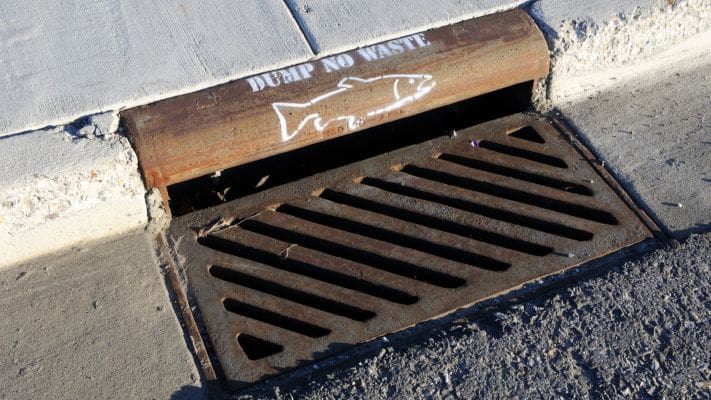
- Catch basins
- Pipes (underground and/or aboveground)
- Culverts
- Swales
- Ditches
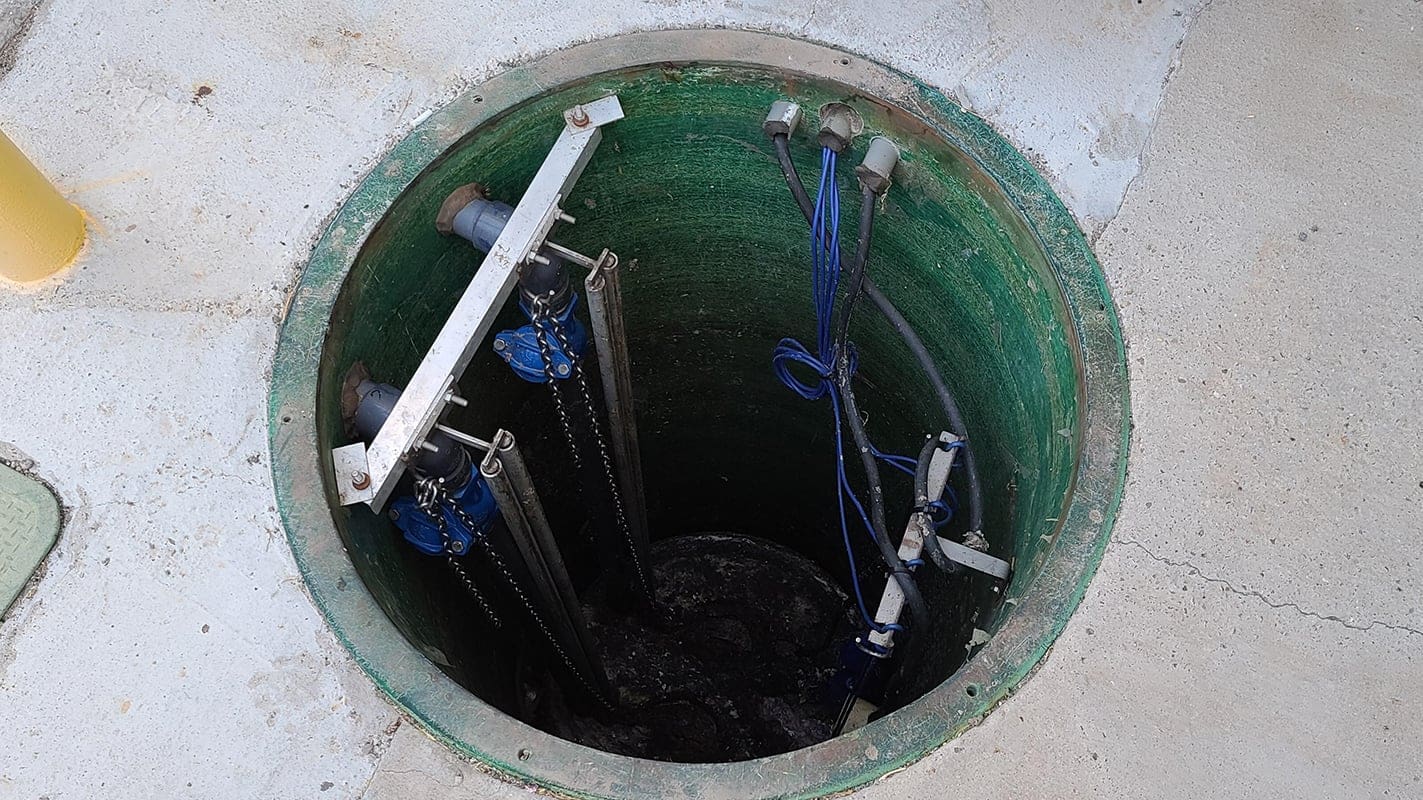
- Ponds, tanks, vaults, etc.
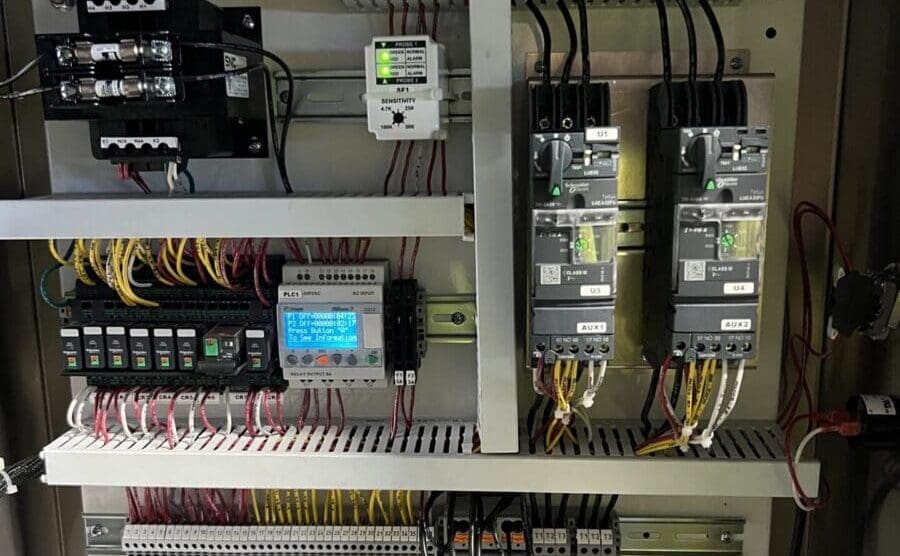
- Flow Control Structures
- Treatment Filters
- Permeable pavement
- Rain Gardens
General Stormwater System Maintenance Requirements:
- No pollution – “Only Rain Down the Drain” Prevent anything but rainwater from entering any stormwater drainage facility or system and immediately remove any pollution that is found in your stormwater system.
- Safe access – the ability to safely inspect, operate and maintain
- Functional and structural integrity – ensure the system is working as designed and constructed, and is maintained to standards (e.g. no broken parts, no cracks or holes, no erosion, etc.)
- Reducing debris and sediment load – prevent and remove sediment and debris that may block pipes or the facility from functioning as intended
- Vegetation management – plant, cut, remove vegetation as needed
- Good housekeeping – use, store, and dispose of household waste, yard waste, and hazardous waste appropriately
View State Page
Frequently Asked Questions
What is the difference between the public and private stormwater system on Bainbridge Island?
The City of Bainbridge Island is responsible for maintaining the public stormwater infrastructure, which is the municipal separate storm sewer system (MS4) that includes catch basins, ditches, pipes, culverts, flow control ponds, detention tanks and vaults, media filters, bioswales, and rain gardens located in public rights of way and easements. Private property owners are responsible for inspecting, operating, and maintaining their own private stormwater systems, which may include roof gutters and downspouts, catch basins, underground and aboveground pipes, culverts, swales, ditches, ponds, tanks, vaults, flow control structures, treatment filters, permeable pavement, and rain gardens. Inspections and maintenance of private stormwater systems are completed by property owners in accordance with BIMC Chapter 15.21, the Stormwater Facilities Maintenance Program.
What are the general maintenance requirements for private stormwater systems on Bainbridge Island?
Under BIMC Chapter 15.21, the Stormwater Facilities Maintenance Program, private property owners are responsible for inspecting and maintaining their private stormwater systems to the following standards. First, only rainwater should enter any stormwater drainage facility or system, and any pollution found must be removed immediately. Second, the system must be safely accessible for inspection, operation, and maintenance. Third, the system must maintain functional and structural integrity, meaning no broken parts, cracks, holes, or erosion that would prevent it from operating as designed. Fourth, debris and sediment that could block pipes or reduce system function must be prevented and removed. Fifth, vegetation must be planted, cut, or removed as needed to keep the system functioning. Sixth, household waste, yard waste, and hazardous waste must be used, stored, and disposed of appropriately to prevent pollutants from entering stormwater drainage.
What stormwater maintenance records should commercial property owners keep on Bainbridge Island?
Commercial and other non-residential property owners on Bainbridge Island should maintain records of all inspections of their private stormwater facilities, the dates and scope of any maintenance activities performed, documentation of materials or conditions found during inspections, and copies of any as-built drawings or plans for stormwater improvements on the property. These records support any City inspections conducted under BIMC Chapters 13.24 and 15.21 and demonstrate compliance with the City’s NPDES Phase II permit requirements. AQUALIS provides inspection and maintenance documentation formatted to meet Bainbridge Island’s recordkeeping requirements.
What is the "Only Rain Down the Drain" principle and what does it mean for property owners?
The City of Bainbridge Island’s stormwater program requires that only rainwater enter any stormwater drainage facility or system. This principle, sometimes called “Only Rain Down the Drain,” means that commercial and residential property owners must prevent non-stormwater pollutants from entering catch basins, storm drains, swales, ditches, and any other stormwater drainage component on their property or in the adjacent public right of way. Any pollution found in a private stormwater system must be removed immediately. Because stormwater from Bainbridge Island discharges to Puget Sound and its tributaries with little or no treatment, preventing pollutants at the source is critical to water quality protection under the City’s NPDES Phase II permit.
Can the City of Bainbridge Island inspect my private stormwater system?
Yes. Under BIMC 13.24.180, City engineers and other authorized City officials and employees may enter any building or property to perform duties imposed by BIMC Chapter 13.24, in accordance with BIMC Chapter 1.16. The City may conduct inspections to verify that private stormwater systems are functioning as designed, to confirm compliance with maintenance standards, to investigate suspected violations, and to fulfill requirements under the City’s NPDES Phase II permit. For public works emergencies after hours that threaten public health, safety, or the environment, including flooding, property owners should call 911.
What happens if my private stormwater system is not properly maintained on Bainbridge Island?
Under BIMC Chapter 15.21, property owners who fail to properly maintain their private stormwater systems may be subject to enforcement action by the City. If a private stormwater facility is found to be non-functional, causing flooding, erosion, or water quality problems, or allowing pollutants to enter the public system, the City may require corrective action. The City also has the authority under BIMC 13.24.170 to place a lien on property for delinquent and unpaid stormwater charges. AQUALIS can help commercial property owners on Bainbridge Island establish a proactive maintenance program that reduces the risk of enforcement action and keeps private stormwater systems in compliance with BIMC Chapter 15.21.
What stormwater services does AQUALIS provide for properties on Bainbridge Island?
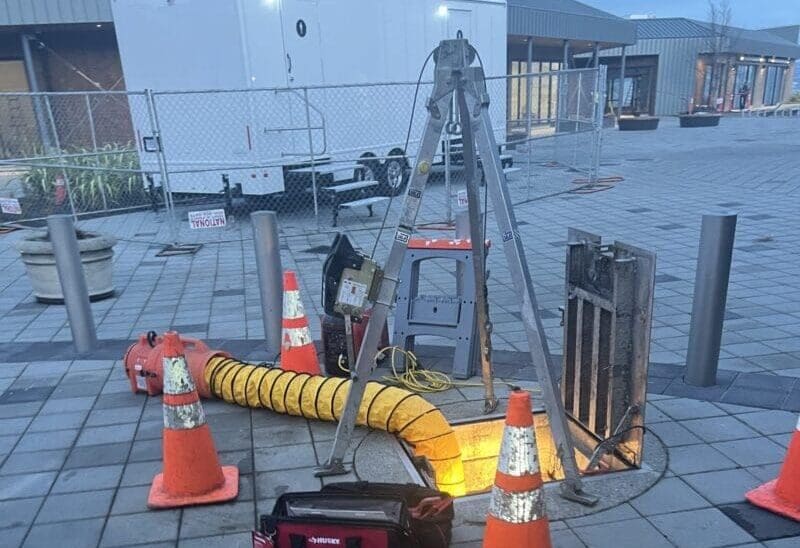
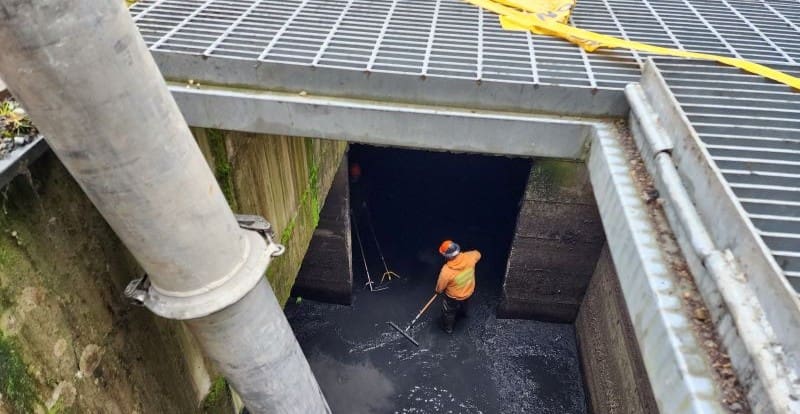
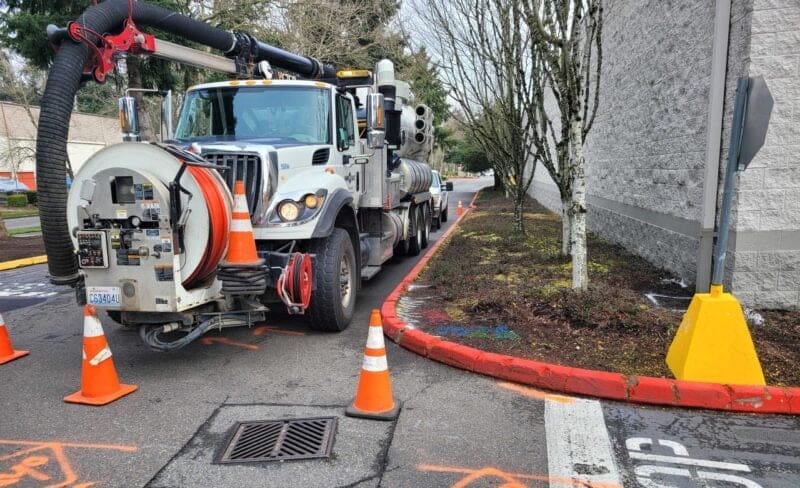
AQUALIS provides comprehensive stormwater management services for commercial properties, HOAs, and institutional facilities on Bainbridge Island and throughout Washington State. Services include private stormwater system inspections and maintenance documentation that satisfy BIMC Chapter 15.21 Stormwater Facilities Maintenance Program requirements, catch basin cleaning and repair, storm drain jetting and vactor services, CCTV pipe inspection, stormwater facility condition assessments, NOV response and corrective action documentation, and green infrastructure installation and maintenance including rain gardens and bioretention systems. AQUALIS documentation is prepared to meet the standards required by the City of Bainbridge Island Public Works Department. Contact AQUALIS to get started.
The information on this page is provided for general informational purposes only and is not legal advice. Regulations change frequently — AQUALIS makes no warranty as to the accuracy or completeness of this content, and any reliance on it is at your own risk. Consult a qualified professional or your local regulatory authority to confirm requirements applicable to your specific property.