

Last Updated 08/12/2026
Excerpts from the City of Caldwell Municipal Code
10-07-13: LANDSCAPING IN STORMWATER AREAS:
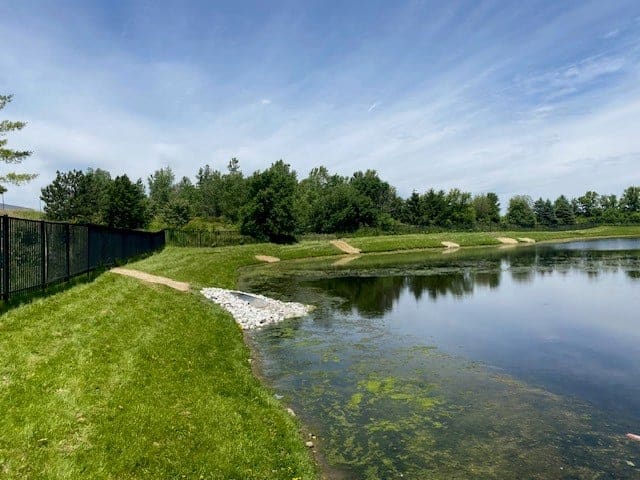
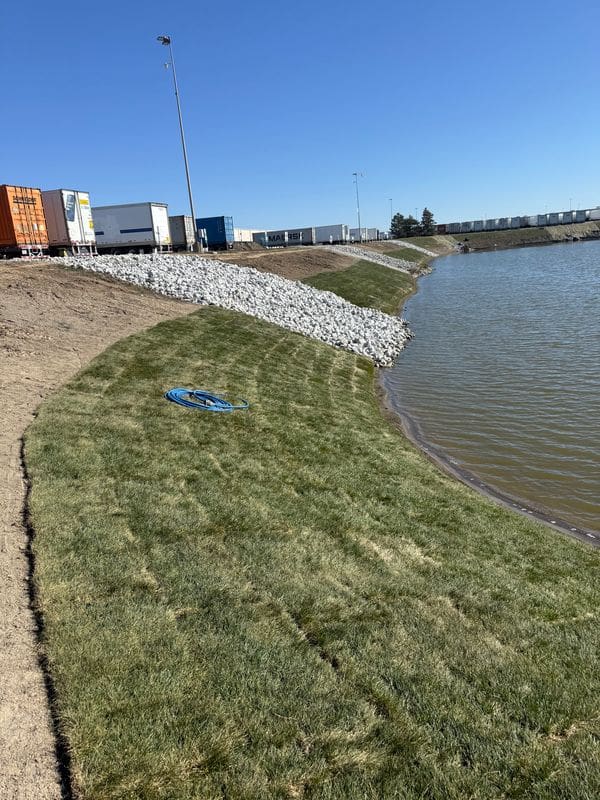
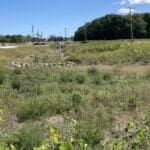
- All stormwater areas shall be landscaped with landscaping materials suitable to the type of stormwater facility. Said landscaping shall not interfere with the operation or maintenance of any stormwater devices. (Ord. 2755, 9-22-2008)
Article 1 Stormwater Management and Discharge Control
1. General Requirements And Prohibitions:
13-01-03: DISCHARGE REGULATIONS AND REQUIREMENTS:
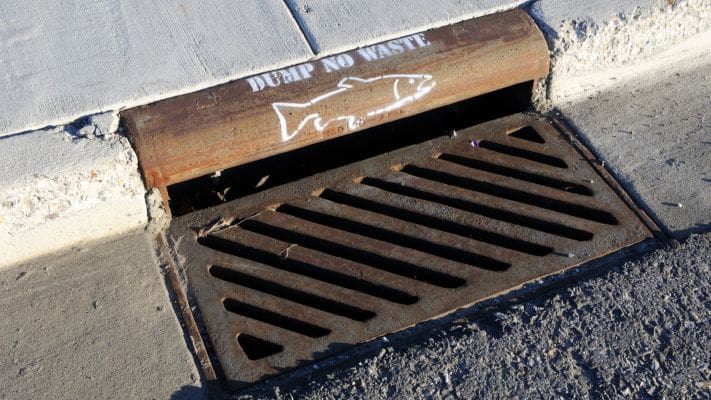
Any illicit discharge to any storm drain, including both the MS4 and private storm drains, is a violation of this article unless exempted by provisions of subsections (6) and/or (7) of this section
1. General Requirements And Prohibitions:
- Any person engaged in activities which will or may result in pollutants entering a storm drain shall undertake reasonable measures to reduce such pollutants. Examples of such activities include, but are not limited to: improper application, over use, and disposal of herbicides, pesticides, and fertilizers; activities related to automobile businesses including service stations, automobile dealerships, car washes, and body shops; and light industrial facilities which may be a source of pollutants.
- No person shall throw, deposit, leave, maintain, keep, or permit to be thrown, deposited, placed, left or maintained, any refuse, rubbish, garbage, or other discarded or abandoned objects, articles, and accumulations, in or upon any street, alley, sidewalk, storm drain inlet, catch basin, conduit or other drainage structures, parking area, or upon any public or private plot of land so that the same might be or become a pollutant.
- No person shall cause or permit any dumpster, solid waste bin, or similar container to leak such that any pollutant is discharged into any street, alley, sidewalk, storm drain, inlet, catch basin, conduit or other drainage structures, business place, or upon any public or private plot of land in the city.
- The occupant or tenant, the owner, lessee, or proprietor of any real property in the city where there is located a paved sidewalk or parking area shall maintain said paved surface free of dirt or litter to the extent reasonable and practicable and provide an adequate means for the disposal of refuse, rubbish, garbage, or other articles so as to prevent such matter from entering a storm drain. Sweepings from said sidewalk shall not be swept or otherwise made or allowed to go into the gutter or roadway, but shall be disposed of in receptacles maintained on said real property.
- No person shall throw or deposit any pollutant in any fountain, pond, lake, stream, or any other body of water in a park or elsewhere within the city, except as otherwise permitted under local, state or federal law.
2. Illicit Connections:
It is prohibited to establish, use, maintain or continue illicit drainage connections to the MS4, or to commence or continue any illicit discharges to the MS4.
3. Parking Lots And Similar Structures:
- Persons owning or operating a paved parking lot, gas station pavement, paved private street or road, or similar structure or conducting routine building wash downs, shall clean and maintain those structures consistent with the Caldwell non-stormwater disposal best management practices prior to discharging to a storm drain.
- All water from non-stormwater sources or incidental stormwater sources (i.e., blown through openings and windows or transported on vehicles) that enter newly developed or significantly redeveloped covered parking garages are to be directed to the sanitary sewer disposal system unless that alternative is not reasonably feasible. Newly developed or significantly redeveloped covered permanent parking garages may drain into a storm drain when no feasible alternative is available, with the consent of the owner and operator and in accordance to this article and other city ordinances. The owner and operator of a storm drain may impose requirements including the construction of control structures to ensure the pretreatment of such discharges prior to entry into the storm drain. All water from direct stormwater sources that enter uncovered parking garages is to go to a stormwater disposal system in accordance with section 13-01-05 of this article.
13-01-05: STORMWATER MANAGEMENT PLANS AND COMPREHENSIVE DRAINAGE PLANS:
Lorem ipsum dolor sit amet, consectetur adipiscing elit. Ut et massa mi. Aliquam in hendrerit urna. Pellentesque sit amet sapien fringilla, mattis ligula consectetur, ultrices mauris. Maecenas vitae mattis tellus. Nullam quis imperdiet augue. Vestibulum auctor ornare leo, non suscipit magna interdum eu. Curabitur pellentesque nibh nibh.
3. Maintenance Of Stormwater Facilities
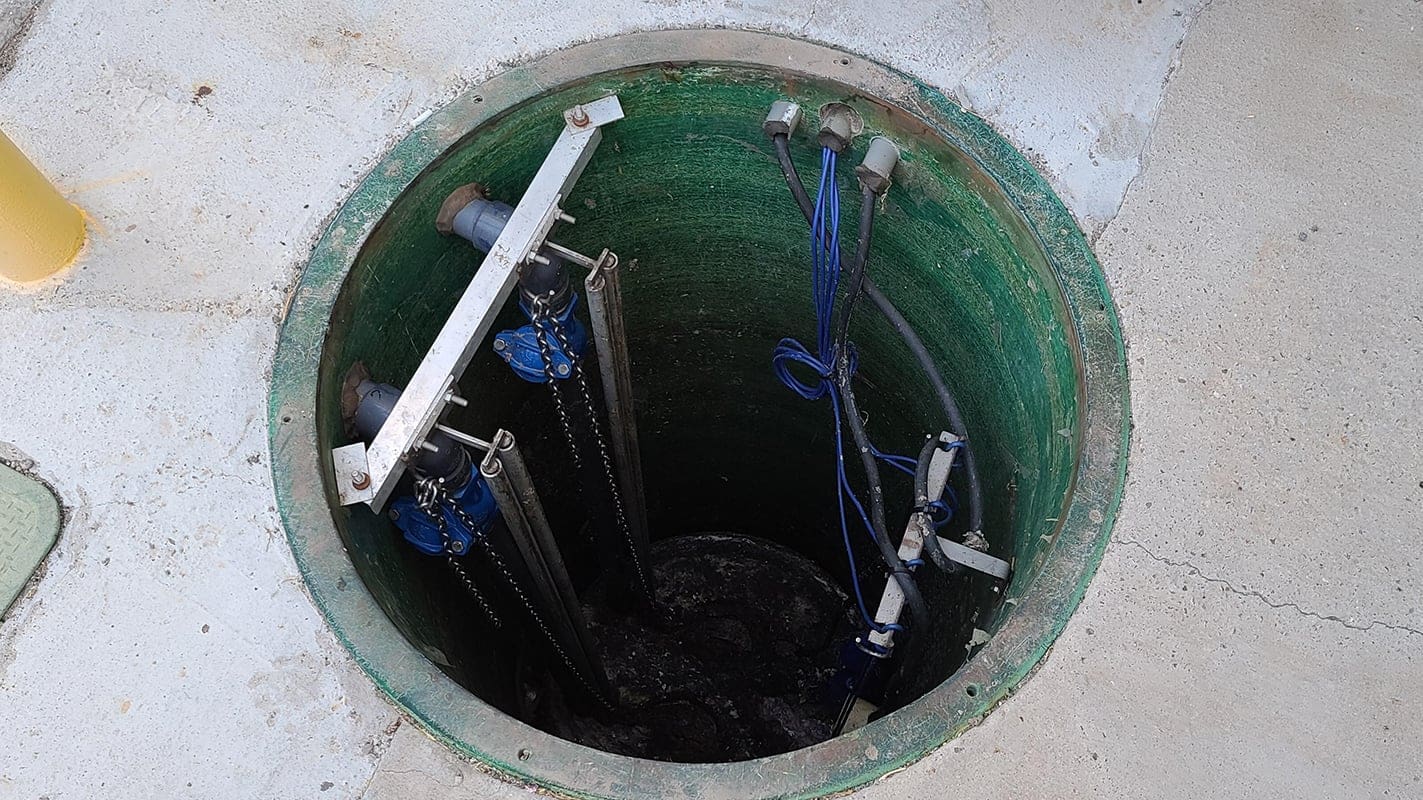
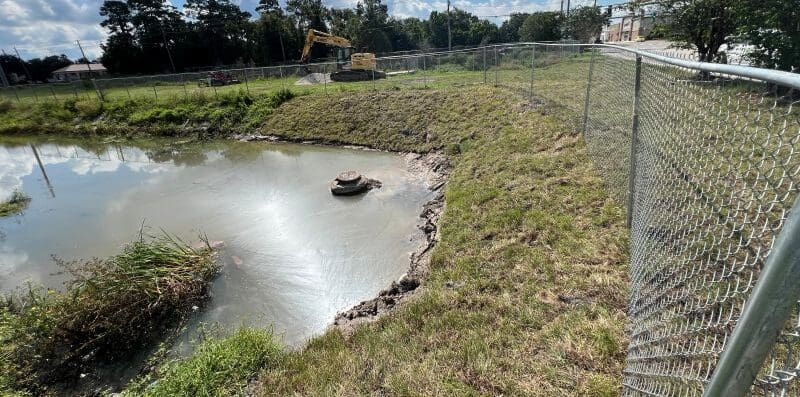
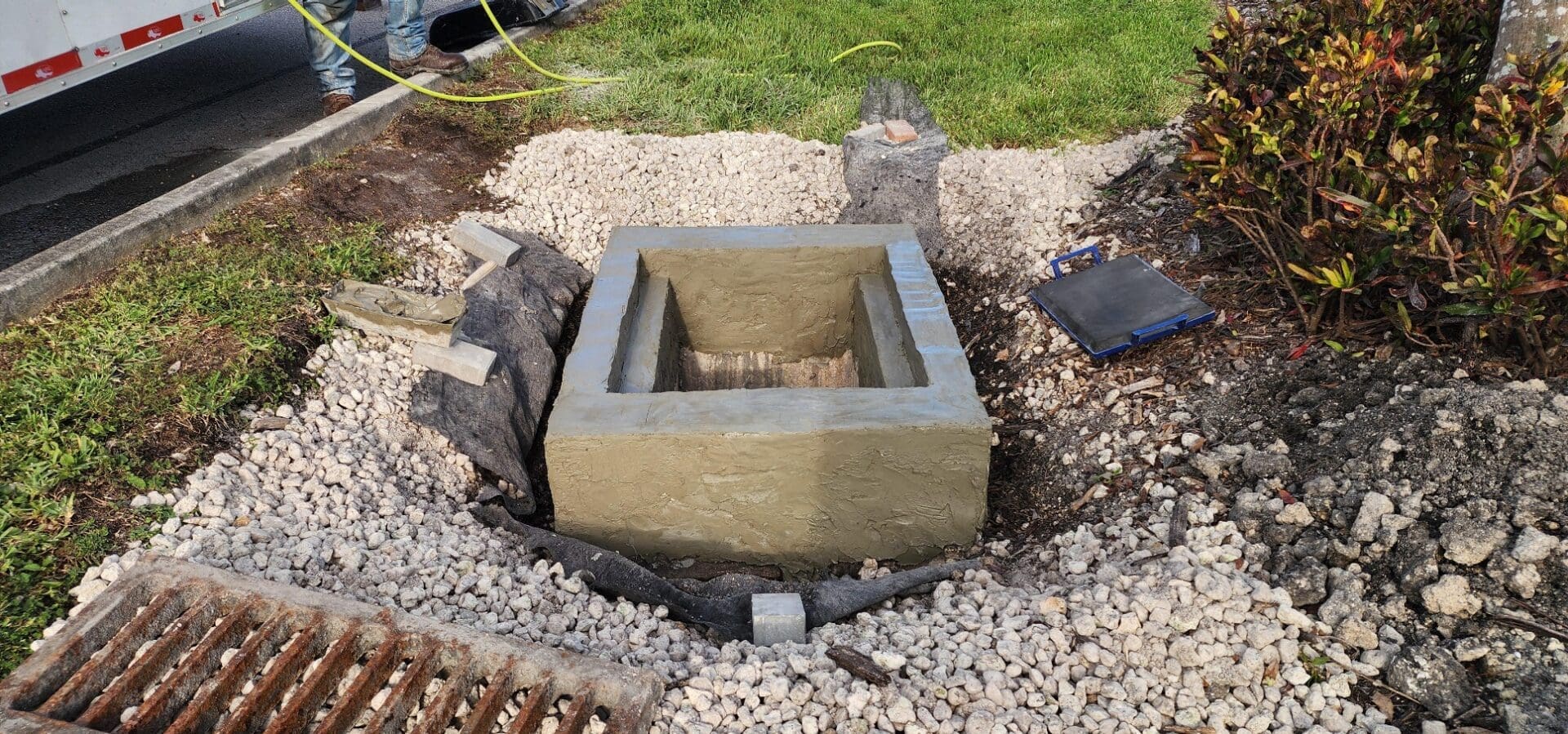
- Stormwater facilities shall be maintained by the owner or other responsible party and, when there is a potential to discharge stormwater, shall be repaired and/or replaced by such person when such facilities are no longer functioning as designed.
- Disposal of waste from maintenance of facilities shall be conducted in accordance with applicable federal, state and local laws and regulations.
- Records of installation and maintenance and repair shall be retained by the owner or other responsible party for a period of five (5) years and shall be made available to the city public works department upon request.
- Any failure to maintain facilities or correct problems with facilities after receiving due notice from the city may result in criminal or civil penalties and the city may perform corrective or maintenance work which shall be at the owner’s expense. (Ord. 2884, 12-5-2011)
13-01-07: INSPECTION AND ENFORCEMENT:
Inspections:
- Stormwater systems shall be inspected by the city public works department during and after construction to assure consistency with the approved stormwater management plan.
- All stormwater systems shall be subject to the authority of the on site detention inspection program of the city public works department to ensure compliance with this article and may be inspected when deemed necessary.
- The owner or other responsible party shall make annual inspections of the facilities and maintain records of such inspections for a period of five (5) years.
- Whenever necessary to make an inspection to enforce any of the provisions of this article, or whenever an authorized enforcement agent has reasonable cause to believe that there exists in any building or upon any premises any condition which may constitute a violation of the provisions of this article, the agent may enter such building or premises at all reasonable times to inspect the same or perform any duty imposed upon the agent by this article; provided that: 1) if such building or premises is occupied, he or she first shall present proper credentials and request entry; and 2) if such building or premises is unoccupied, he or she first shall make a reasonable effort to locate the owner or other persons having charge or control of the building or premises and request entry.
- The property owner or occupant has the right to refuse entry but, in the event such entry is refused, the agent is hereby empowered to seek assistance from any court of competent jurisdiction in obtaining such entry and performing such inspection.
- Routine or area inspections shall be based upon such reasonable selection processes as may be deemed necessary to carry out the objectives of this article, including, but not limited to, random sampling and/or sampling in areas with evidence of stormwater pollution, illicit discharges, or similar factors.
View State Page
Frequently Asked Questions
Does Caldwell require paved parking areas to be actively maintained, not just built to code?
Yes. Property owners, tenants and lessees with a paved sidewalk or parking area have to keep that surface reasonably free of dirt and litter and provide adequate disposal for refuse, and sweepings can’t be pushed into the gutter or roadway. That waste has to go into receptacles kept on the property instead. It’s a day-to-day housekeeping obligation layered on top of the physical stormwater system itself, and it applies whether or not a violation has ever been flagged.
What happens to water draining from a covered parking garage in Caldwell?
Newly developed or significantly redeveloped covered garages have to route non-stormwater and incidental water, like water blown in through openings or tracked in on vehicles, to the sanitary sewer system rather than the storm drain, unless that’s not reasonably feasible. When a storm drain connection is the only option, it requires the owner’s consent and can come with a requirement to build pretreatment control structures first. Uncovered parking garages follow different rules entirely, with all direct stormwater routed to the standard stormwater disposal system.
What counts as an illicit discharge under Caldwell's code?
The list is broad and covers everyday scenarios more than dramatic dumping incidents: improper application or disposal of herbicides, pesticides and fertilizers, leaking dumpsters or waste bins, and refuse left in a storm drain inlet, catch basin or on a parking area where it could become a pollutant. Automobile-related businesses like service stations, car washes and body shops are specifically called out as common sources of concern. Illicit connections to the MS4 are separately prohibited, regardless of when they were originally installed.
How long do I have to keep stormwater maintenance records in Caldwell?
Five years. Records of installation, maintenance and repair have to be retained by the property owner or other responsible party for that full period and made available to the public works department on request. On top of that, owners are required to conduct their own annual inspections of their facilities and keep those records for the same five-year window, separate from whatever inspections the city itself performs during and after construction.
Can a Caldwell inspector enter my property without permission?
Not directly. An inspector has to present credentials and request entry to an occupied property, or make a reasonable effort to locate the owner of an unoccupied one, and the property owner has the right to refuse. If entry is refused, though, the inspector can seek assistance from a court to obtain access anyway, so a refusal delays an inspection rather than preventing it. Routine inspections can also be triggered through random sampling or targeted at areas showing signs of stormwater pollution or illicit discharge.
What happens if I don't maintain my stormwater facility after the city notifies me in Caldwell?
Failing to maintain a facility or correct a known problem after due notice from the city can bring both criminal and civil penalties, and the city can also step in to perform the corrective work itself, billing the cost back to the owner. That’s on top of the five-year documentation requirement, so a property without a maintenance record on file is exposed on two fronts if an inspection turns up a problem: the physical deficiency and the missing paperwork to show it was ever addressed.
The information on this page is provided for general informational purposes only and is not legal advice. Regulations change frequently — AQUALIS makes no warranty as to the accuracy or completeness of this content, and any reliance on it is at your own risk. Consult a qualified professional or your local regulatory authority to confirm requirements applicable to your specific property.