

Last Updated 08/19/2026
Stormwater Regulations in Fayetteville
City of Fayetteville Stormwater Management Program
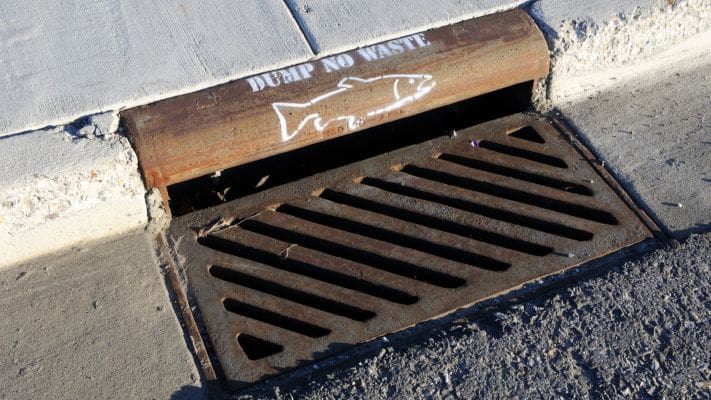
Stormwater runoff is generated from rain and snowmelt that flow over land or impervious surfaces, such as paved streets, parking lots, and building rooftops, and does not soak into the ground. As this water flows over these areas, it picks up sediment, nutrients, bacteria, metals, pesticides, and other pollutants. Unlike sanitary sewers that go to a treatment plant, most stormwater is discharged directly into local water bodies. Increasing amounts of impervious surfaces in urban areas, such as rooftops, driveways, parking lots, and streets, decreases the ability of the water to soak into the ground, thus increasing the potential for flooding from greater volumes of runoff entering the City’s stormwater system at a faster rate.
Fee Credit Information
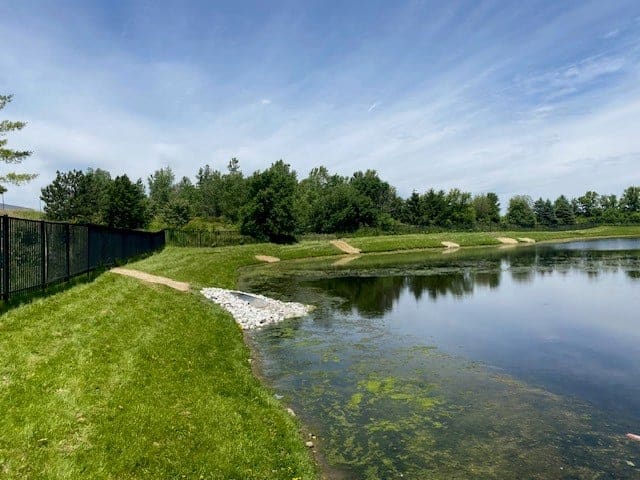
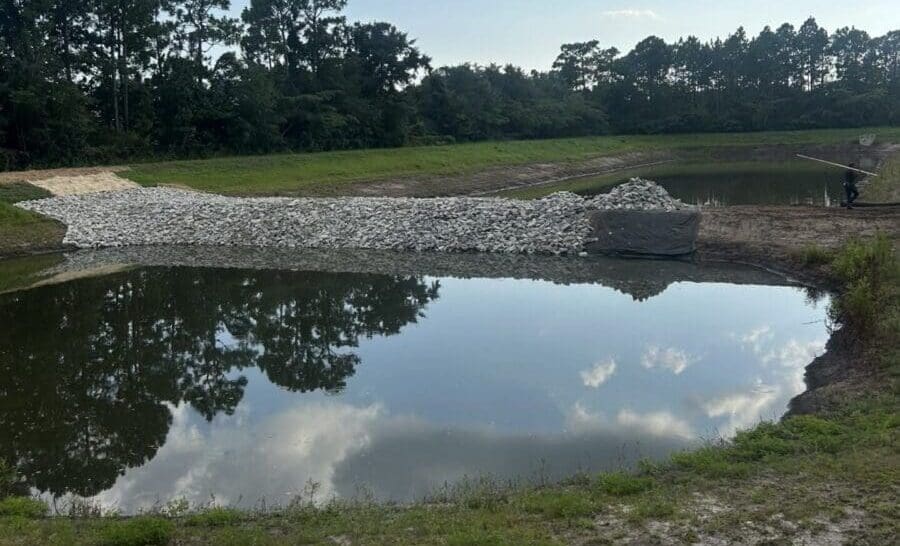
Commercial, industrial and multifamily property owners in Fayetteville may be credited a portion of their City stormwater fee if they manage their stormwater runoff through onsite water quality or quantity structural Best Management Practices. Some owners may be eligible to receive as much as an 80 percent fee credit if they meet one, two or all of three requirements. For information on the requirements, please download the Stormwater Fee Credit Manual.
Applications must be received by April 15 of each year to be considered for the credit. If you have any questions, please contact the Stormwater Program at 910-433-1613.
Stormwater Inspections
The Stormwater Inspections Section is responsible for enforcing several components of the City’s NPDES MS4 Stormwater Permit. These major components include:
- Inspection and monitoring of industrial activities
- Maintain an inventory of the stormwater drainage system outfalls
- Enforcement of the Stormwater Management Ordinance to prevent pollution
- Field screening of all drainage outfalls
- Collect and analyze stormwater samples
In addition to the above major permit requirements, the City’s stormwater inspectors also look into citizen complaints regarding drainage issues or illegal dumping. The inspectors also inspect local food establishments and other businesses to ensure that they are staying in compliance of the City’s stormwater permit. The stormwater inspectors are also assigned to construction projects throughout the City to ensure that proper best management practices are in place to protect water quality.
View State Page
Frequently Asked Questions
What post-construction stormwater program applies to properties in Fayetteville and Cumberland County?
Properties are governed by Fayetteville’s Stormwater Management Ordinance, enforced by the city’s Stormwater Inspections Section, which handles inspection and monitoring of industrial activities, maintains an inventory of stormwater drainage outfalls, and collects and analyzes stormwater samples.
How much can my stormwater fee be reduced in Fayetteville?
Eligible owners can receive as much as an 80 percent fee credit if they meet one, two, or all three of the qualifying requirements. The specific requirements aren’t detailed on the public compliance page, they’re outlined in the city’s Stormwater Fee Credit Manual.
What does the City of Fayetteville's Stormwater Inspections Section do?
It enforces the Stormwater Management Ordinance to prevent pollution, inspects and monitors industrial activities, maintains an inventory of stormwater drainage system outfalls, and collects and analyzes stormwater samples.
How can AQUALIS help with post-construction stormwater compliance in Fayetteville?
AQUALIS helps property owners identify and document the onsite stormwater management practices needed to qualify for Fayetteville’s fee credit before the April 15 deadline, and can obtain and interpret the full ordinance and Stormwater Fee Credit Manual to confirm exactly what’s expected for a specific property.
The information on this page is provided for general informational purposes only and is not legal advice. Regulations change frequently — AQUALIS makes no warranty as to the accuracy or completeness of this content, and any reliance on it is at your own risk. Consult a qualified professional or your local regulatory authority to confirm requirements applicable to your specific property.