

Last Updated 08/14/2026
City of Gary
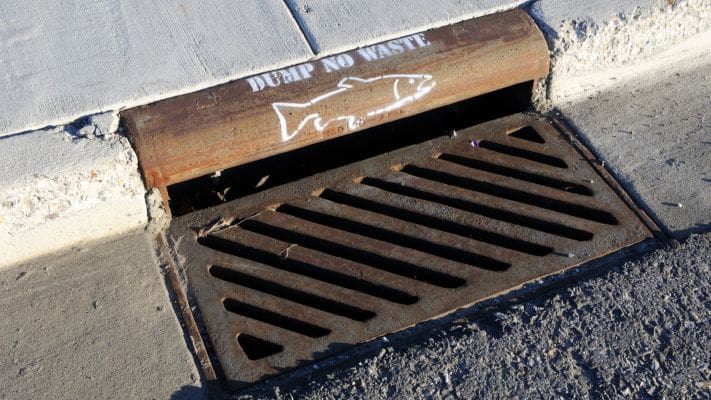
Gary, like other municipalities across this nation, must manage stormwater to protect people’s health and our environment. Stormwater is runoff from a rainstorm or melting snow. Urban stormwater runs off roofs, streets, and parking lots into sewers, storm drains and ultimately, our rivers and lakes.
Most people are aware that rainstorms and melting snow can cause flooding and property damage. But the stormwater runoff is also a health and environmental concern because it contains potentially high levels of pollutants that wash off our streets, and residential and business properties. Common pollutants include pesticides, fertilizers, fuels, oils, road salt, pet waste, litter, sediment and other debris. Poorly maintained septic systems also contribute to fecal coliform bacteria in stormwater runoff. These pollutants can result in fish kills, the destruction of wildlife and wildlife habitats, and contamination of drinking water supplies and recreational waterways that can threaten public health.
It’s the Law
The Gary Storm Water Management District is mandated by Congress under the Clean Water Act to implement controls through a Phase II National Pollutant Discharge Elimination System (NPDES) permit to prevent harmful pollutants from being washed by stormwater runoff into local water bodies such as the Grand Calumet and Little Calumet Rivers, and Lake Michigan, the source of our drinking water. The regulated stormwater management program is called the MS4 (Municipal Separated Storm Sewer System) Permit Program.
Stormwater management is an unfunded federal mandate. Local communities must find the means to pay for stormwater management and protection through fees and tax dollars. The City of Gary and its residents and businesses need to work together to meet the requirements of our NPDES Storm Water permit.
Clean Water Life Essential
Storm Water Pollution Prevention can only be accomplished through the participation and cooperation of residents, business, and municipal departments. The Gary Storm Water Management District is also reaching out to our local, regional, state, and federal partners to reduce flooding and improve water quality today and into the future.
Storm Water Management Permits and Storm Water Monitoring
All construction and remodeling projects, and projects that disturb an acre or more of soil in, the City of Gary must be reviewed by the Gary Storm Water Management District staff for construction and post-construction storm water management permits. During construction, measures must be taken to prevent soil erosion and to stop sediment-laden water and dirt from leaving the construction site and entering storm drains or waterways.
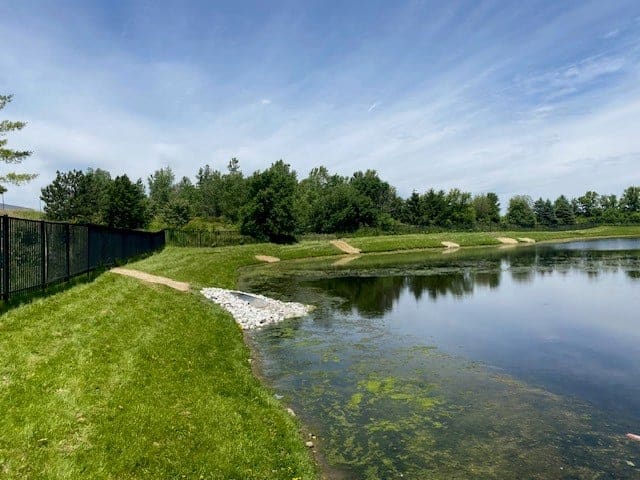
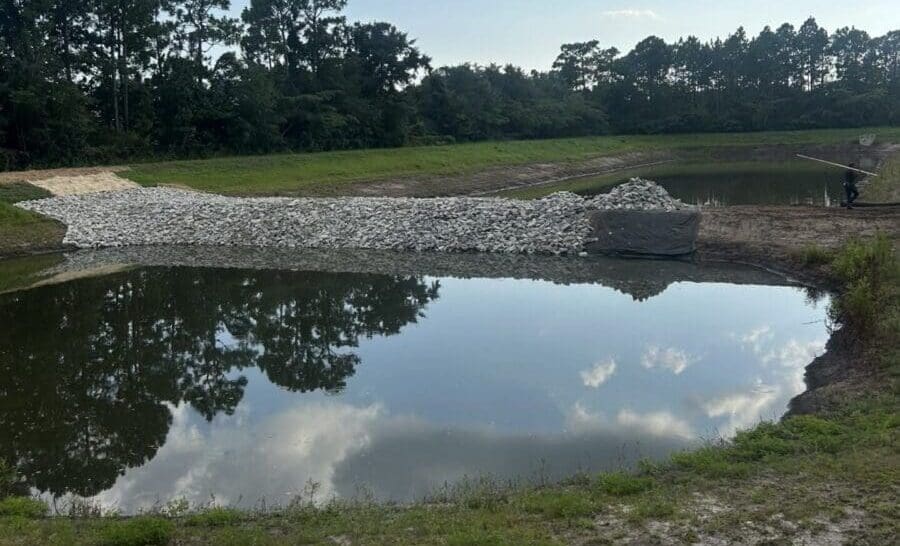
Post Construction stormwater permits require the project owner or developer to manage any stormwater from roofs, roads, or parking lots with a “Best Management Practice” that will keep the storm water on site and prevent it from entering the city sewers and contributing to water pollution and sewer overflows. Gary Storm Water Management District inspectors visit construction sites on a regular basis to document compliance with the stormwater permit requirements.
Gary Storm Water Management staff and inspectors also monitor the Grand Calumet and Little Calumet Rivers by boat or canoe to observe whether there are any illicit or illegal discharges from drain pipes or surface runoff that are contributing to water pollution. These illicit discharges could be the result of oil or chemical spills, poorly maintained septic systems, or intentional dumping of wastes into sewers or onto the ground. Illicit discharges are particularly damaging to water quality and dangerous to public health and wildlife because they are often composed of undiluted chemical or organic waste.
Excerpt from Stormwater Code
Sec. 119-210. – Inspection, maintenance, recordkeeping, and reporting.
(a) After the approval of the stormwater management permit by the GSWMD and the commencement of construction activities, the GSWMD has the authority to conduct inspections of the work being done to ensure full compliance with the provisions of this article, the city design standards manual, and the terms and conditions of the approved permit.
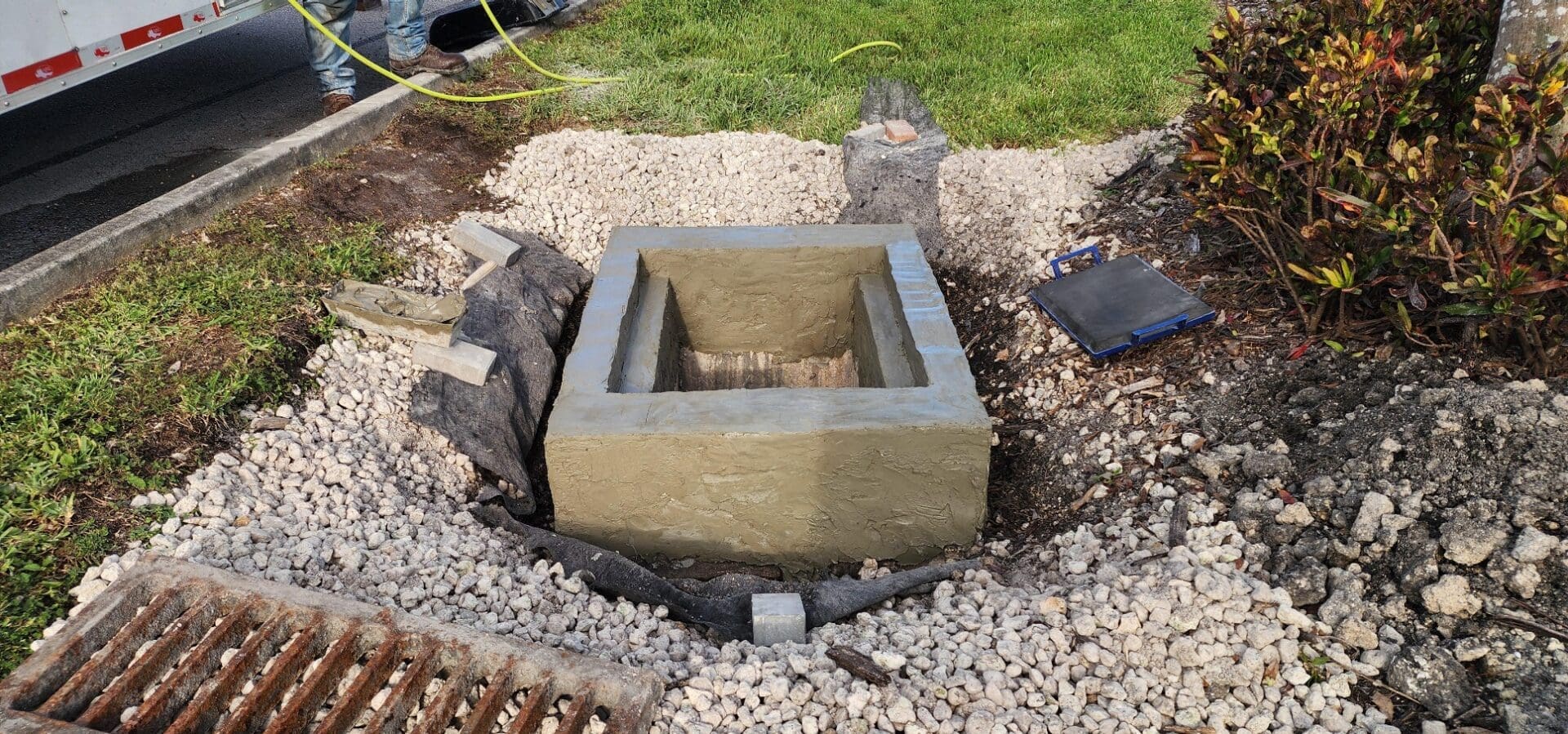
(b) Stormwater quality facilities shall be maintained in good condition, in accordance with the operation and maintenance procedures and schedules listed in the state stormwater quality manual and the city design standards manual, and the terms and conditions of the approved stormwater permit, and shall not be subsequently altered, revised, or replaced except in accordance with the approved stormwater permit, or in accordance with approved amendments or revisions in the permit. Following construction completion, inspection and maintenance of stormwater quality facilities shall be the long-term responsibility of the owner. Stormwater detention/retention basins may be donated to the city or other unit of government approved by the GSWMD, for ownership and permanent maintenance providing the GSWMD or other governmental unit is willing to accept such responsibility.
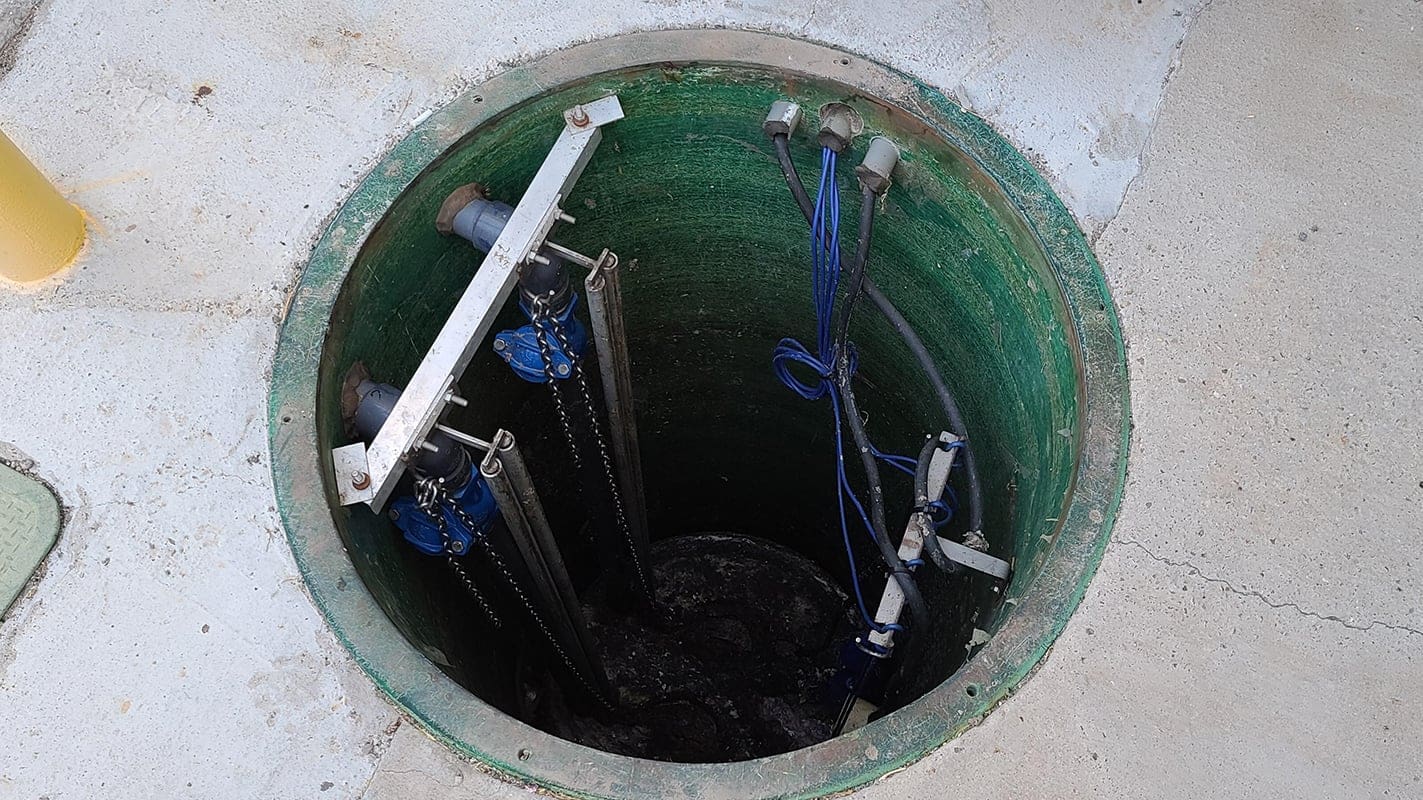
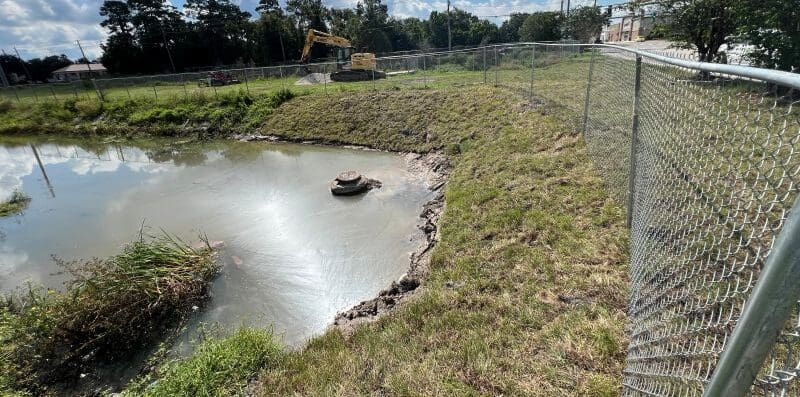
(c) The GSWMD also has the authority to perform long-term, post-construction inspection of all public or privately owned stormwater quality facilities. The inspections will follow the operation and maintenance procedures included in the city design standards manual and/or the permit application for each specific BMP. The inspection will cover physical conditions, available water quality storage capacity and the operational condition of key facility elements. Noted deficiencies and recommended corrective action will be included in an inspection report.
View State Page
Frequently Asked Questions
Which Gary construction projects need a stormwater management permit?
Any project disturbing an acre or more of soil, including all construction and remodeling work of that scale, has to be reviewed by the Gary Storm Water Management District for both construction and post-construction permits. During active construction, the project has to include measures to prevent soil erosion and stop sediment-laden water and dirt from reaching storm drains or waterways. GSWMD inspectors visit sites regularly to confirm those measures are actually being followed, not just included in the plans.
What does a post-construction stormwater permit actually require in Gary?
The project owner or developer has to manage runoff from roofs, roads or parking lots using a Best Management Practice that keeps the stormwater on site, rather than letting it flow into city sewers and contribute to pollution or sewer overflow. Once construction wraps, responsibility for inspecting and maintaining that facility shifts to the owner on a long-term basis, and it has to stay in good condition according to the state’s stormwater quality manual and the city’s own design standards.
How does Gary monitor for illicit discharges beyond routine site inspections?
GSWMD staff and inspectors patrol the Grand Calumet and Little Calumet Rivers by boat or canoe specifically to spot illicit discharges from drain pipes or surface runoff, which is a more hands-on monitoring approach than most cities’ standard inspection programs. These discharges often trace back to oil or chemical spills, poorly maintained septic systems or intentional dumping, and the district treats them as especially damaging since they tend to be undiluted chemical or organic waste rather than diluted stormwater runoff.
Can I alter or replace an approved stormwater facility in Gary once it's built?
Not without going back through the permit process. Approved stormwater quality facilities can’t be altered, revised or replaced except in accordance with the original approved permit or a formally approved amendment to it. That restriction stays in effect for the life of the facility, so a property owner considering even a minor modification, not just a full rebuild, should confirm it against the permit before making a change.
Who ends up owning a stormwater detention or retention basin in Gary long term?
The property owner does by default, but a basin can be donated to the city or another approved unit of government for permanent ownership and maintenance, provided that government entity agrees to accept the responsibility. Short of that donation, GSWMD retains the authority to conduct long-term, post-construction inspections of both public and private facilities, documenting deficiencies and required corrective action in a formal inspection report.
The information on this page is provided for general informational purposes only and is not legal advice. Regulations change frequently — AQUALIS makes no warranty as to the accuracy or completeness of this content, and any reliance on it is at your own risk. Consult a qualified professional or your local regulatory authority to confirm requirements applicable to your specific property.