
Last Updated 04/11/2026
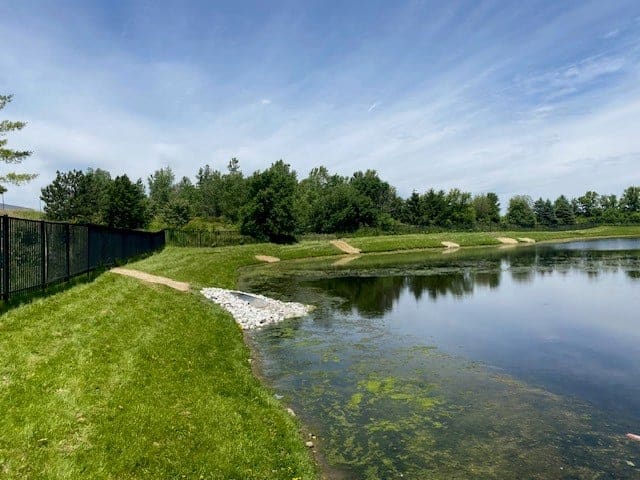
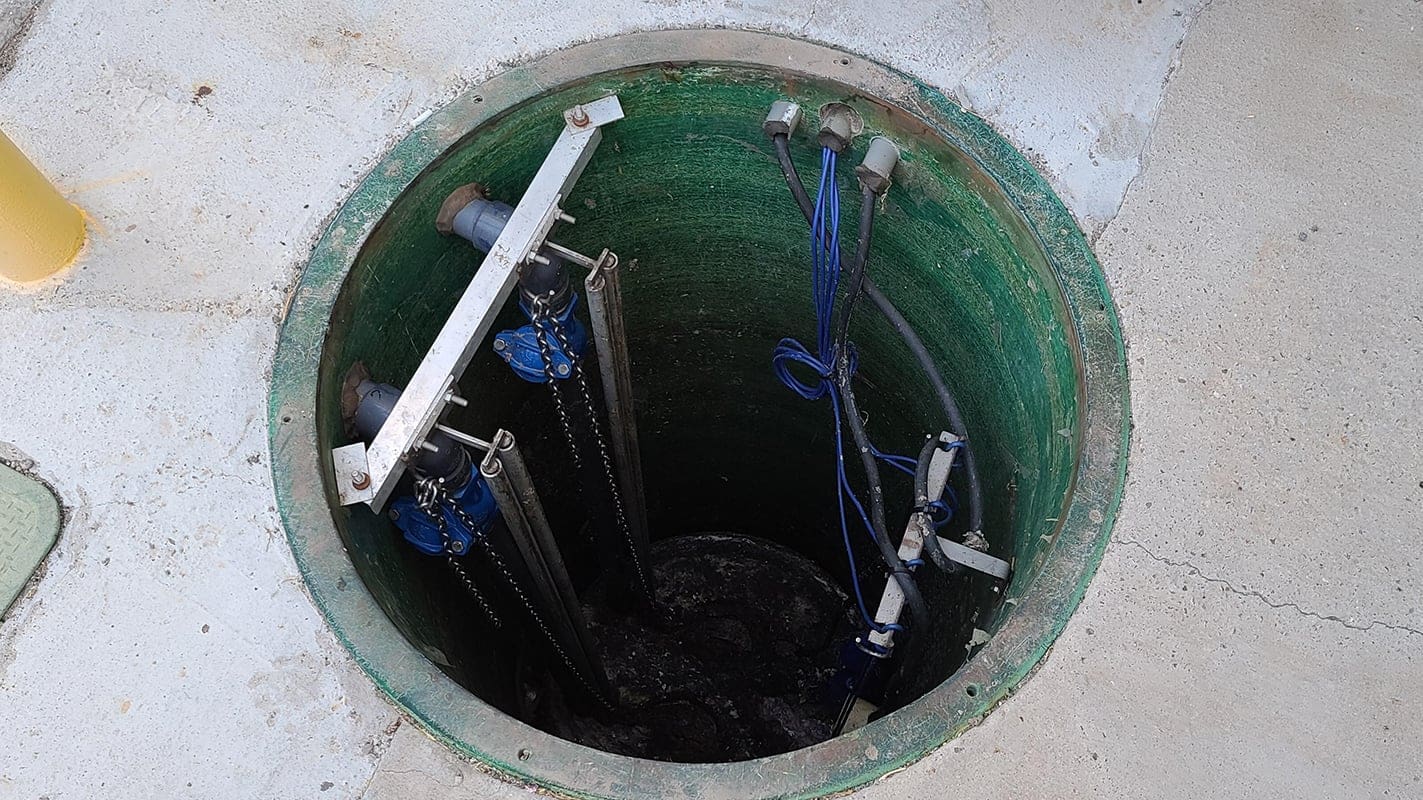
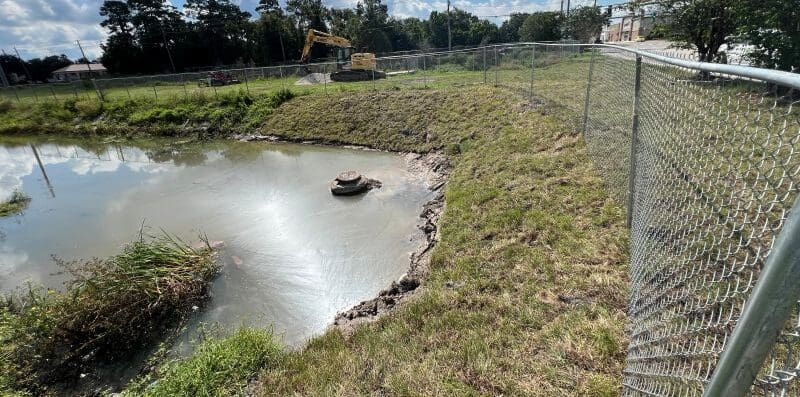
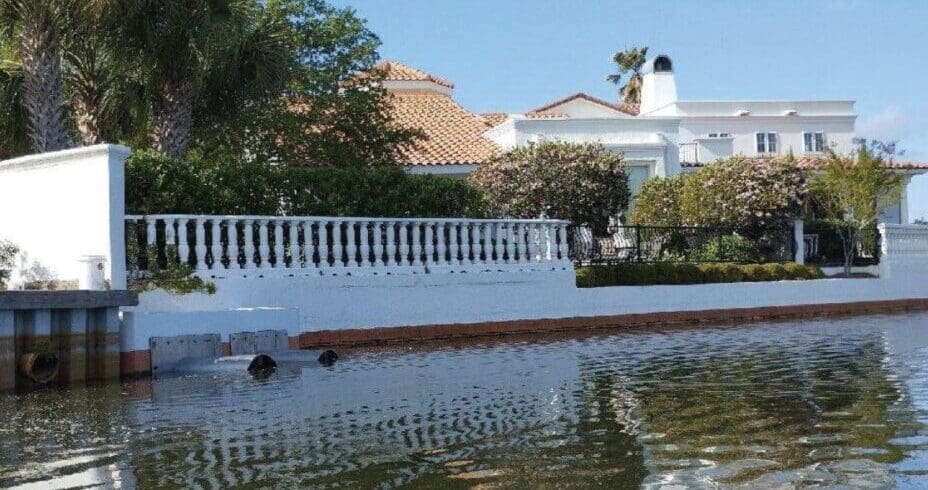
The City of Hialeah has enacted a Stormwater Ordinance in order to establish minimum stormwater management requirements and controls to protect and safeguard the general health, safety, and welfare of the public residing in watersheds within this jurisdiction. The City of Hialeah is the permitting authority for all land disturbing activities and requires the land owner to maintain all on-site stormwater control facilities and all open space areas (e.g. parks or “green” areas) required by the approved stormwater control plan. The City of Hialeah will only provide construction permits to projects that establish a plan to manage stormwater runoff occurring during the construction process. The City of Hialeah, under the NPDES program, also has the authority to inspect properties for noncompliance and can issue a notice of violation (NOV) for any deficiency or infraction onsite. Property owners are responsible for the maintenance of any stormwater facilities or practices located on the property. The City of Hialeah has the authority to inspect stormwater facilities and practices in order to ascertain that they are properly maintained and functioning.
Stormwater Utility Fee
Residential properties pay the fee per dwelling unit per month. Nonresidential properties pay at a rate of $2.50 per 1,664 square feet of impervious area per month. Impervious area is typically the building floor print on the ground and paved parking lot.
Stormwater Protection
Erosion and Sediment Control
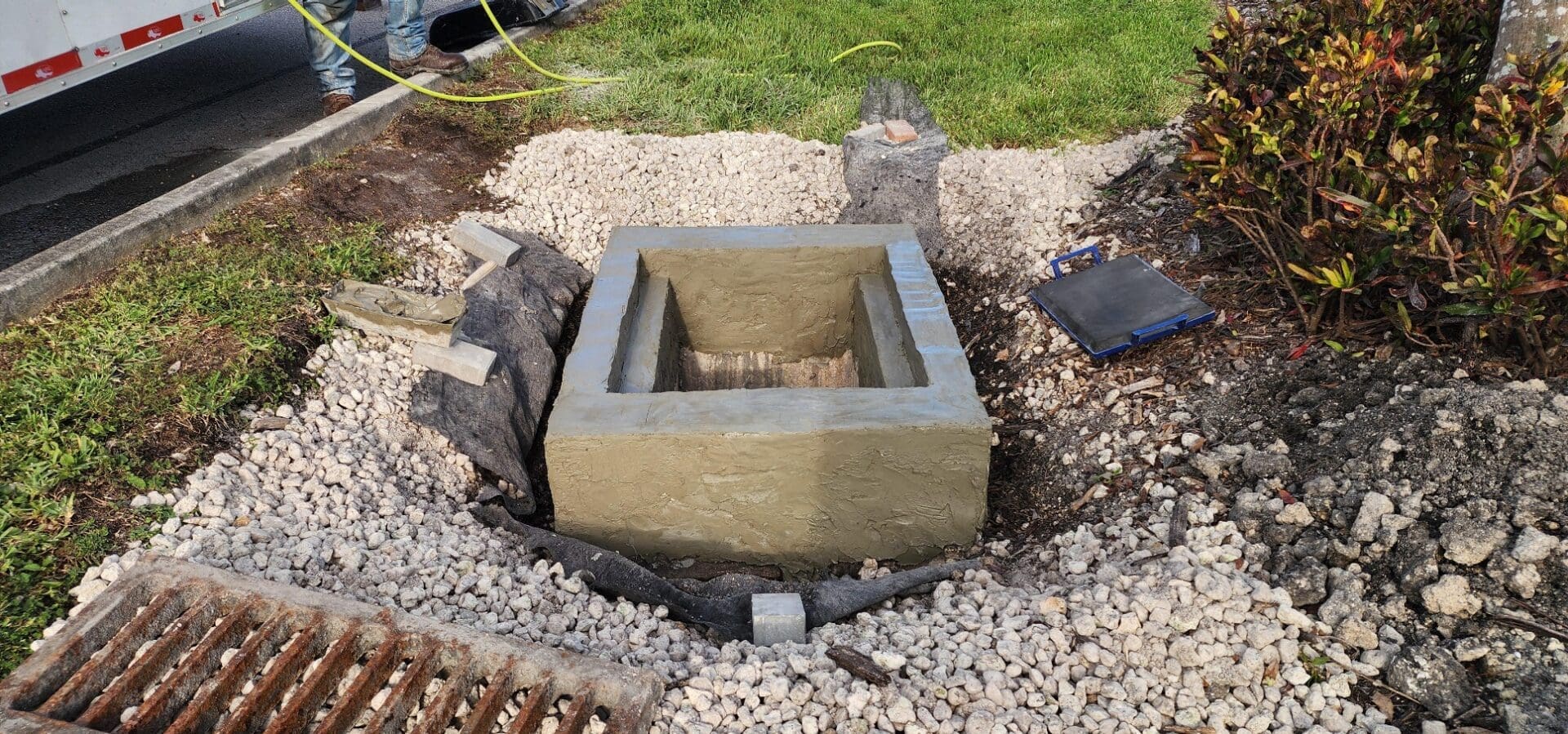
The City of Hialeah’s stormwater drainage system consists of inlets and pipelines that transport rainfall runoff water into the groundwater through pipes that have small holes built into them for that purpose. These drainage systems and the waters that they discharge into can be seriously damaged by pollutants contained in the stormwater runoff, dewatering activity, and intentional dumping of wastes. Construction debris and dirt, oil, fuel, hydraulic fluid, and equipment washdown water containing concrete particles are typical drainage system pollutants that are often associated with both private property and public right-of-way construction activity.
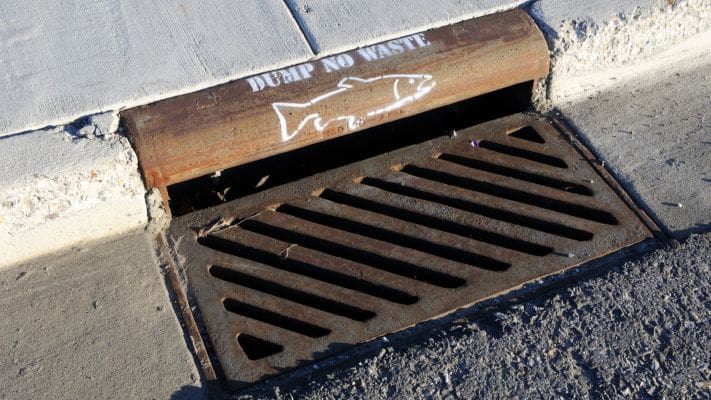
It is illegal to discharge anything but rain water into a storm drain system. City of Hialeah and Miami-Dade County regulations prohibit non-stormwater discharges to any drainage system. Dewatering to a drainage system requires the written approval of the City of Hialeah’s Streets Department and a Class V permit from Miami Dade County Department of Regulatory & Economic Resources (RER) A/K/A Department of Environmental Resources (DERM).
Failure to protect the City’s drainage system can result in fines and added costs to clean the system. It is the responsibility of the company and/or individual who is issued a construction permit to work within the City of Hialeah to insure that no pollutants, site erosion, or sediment transport contaminates the City’s drainage system. Storm drain inlets that can be contaminated by nearby construction activity must be properly covered to prevent the inflow of contaminants. The area around the drains must be thoroughly cleaned before the protective devices are removed.
View State Page
Frequently Asked Questions
What does Hialeah's stormwater ordinance actually require of property owners?
The city’s ordinance sets minimum stormwater management standards to protect public health and safety across Hialeah’s watersheds, and it puts maintenance responsibility squarely on the property owner. Anyone with an approved stormwater control plan has to maintain every on-site control facility and open space area the plan calls for, and the city retains authority to inspect those facilities at any time to confirm they’re functioning properly.
How does stormwater compliance affect property value in Hialeah?
Nonresidential properties pay a monthly fee based on impervious area, calculated at $2.50 per 1,664 square feet, so a larger paved or roofed footprint translates directly into a higher recurring cost. Beyond the fee itself, an open notice of violation or a documented failure to maintain required facilities is the kind of liability that surfaces during a sale, since the city can issue an NOV for any deficiency it finds and hold the current owner responsible for fixing it.
What counts as an illegal discharge in Hialeah?
Both city and Miami-Dade County regulations prohibit discharging anything but rainwater into the storm drain system, and that covers a wide range of everyday construction byproducts: dirt, oil, fuel, hydraulic fluid, and washdown water carrying concrete particles are among the most common culprits. Dewatering into the drainage system specifically requires written approval from the city’s Streets Department along with a Class V permit from Miami-Dade’s Department of Regulatory & Economic Resources.
What are property owners responsible for during construction in Hialeah?
Anyone holding a construction permit is responsible for making sure pollutants, site erosion or sediment never reach the city’s drainage system. Storm drain inlets near active construction have to be properly covered to keep contaminants out, and the surrounding area has to be thoroughly cleaned before those protective covers come off. Failing to protect the drainage system this way can result in fines plus the cost of cleanup.
What happens if my property is found in violation of Hialeah's stormwater ordinance?
The city can issue a notice of violation for any deficiency or infraction found on a property, and failure to protect the drainage system can bring both fines and added cleanup costs billed back to the responsible party. Since owners are directly responsible for maintaining every facility on their land, an unresolved issue doesn’t stay a private matter for long. AQUALIS helps Hialeah property owners stay ahead of inspections and resolve open violations before they escalate.
The information on this page is provided for general informational purposes only and is not legal advice. Regulations change frequently — AQUALIS makes no warranty as to the accuracy or completeness of this content, and any reliance on it is at your own risk. Consult a qualified professional or your local regulatory authority to confirm requirements applicable to your specific property.