

Last Updated 08/12/2026
Hillsboro, Oregon Private Stormwater Facilities
The City of Hillsboro’s Private Stormwater Management Facility Program includes the following components:
- Inventory: Adding and tracking each facility in the City’s record management system
- Inspection: Inspect and rate each facility for key performance indicators
- Maintenance: Identify maintenance to perform
- Education and Training: Provide information on effective maintenance
Maintenance Responsibilities
Private property owners are responsible for performing their own inspections, maintenance and repairs to their private stormwater management facilities. Each spring, the City sends annual notifications, by mail, as a reminder to perform maintenance on the facility.
The City has provided recommendations for the care and maintenance of vegetated stormwater facilities and filter catch basins, vaults, or detention systems.
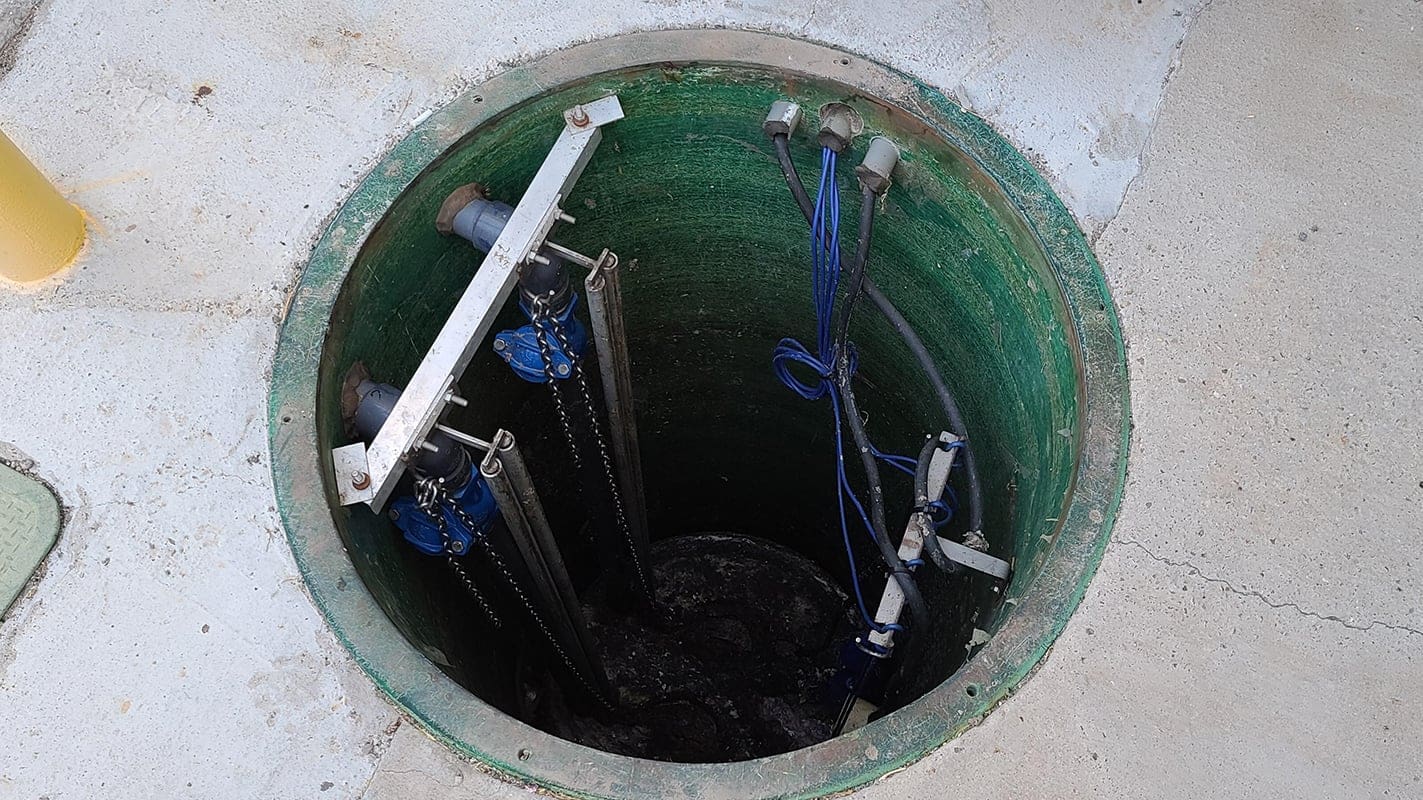
Care and Maintenance for Filter Catch Basins, Vaults or Detention Systems
Recommended Annual Inspection and Maintenance:
- Conduct at least one visual inspection of the filters annually.
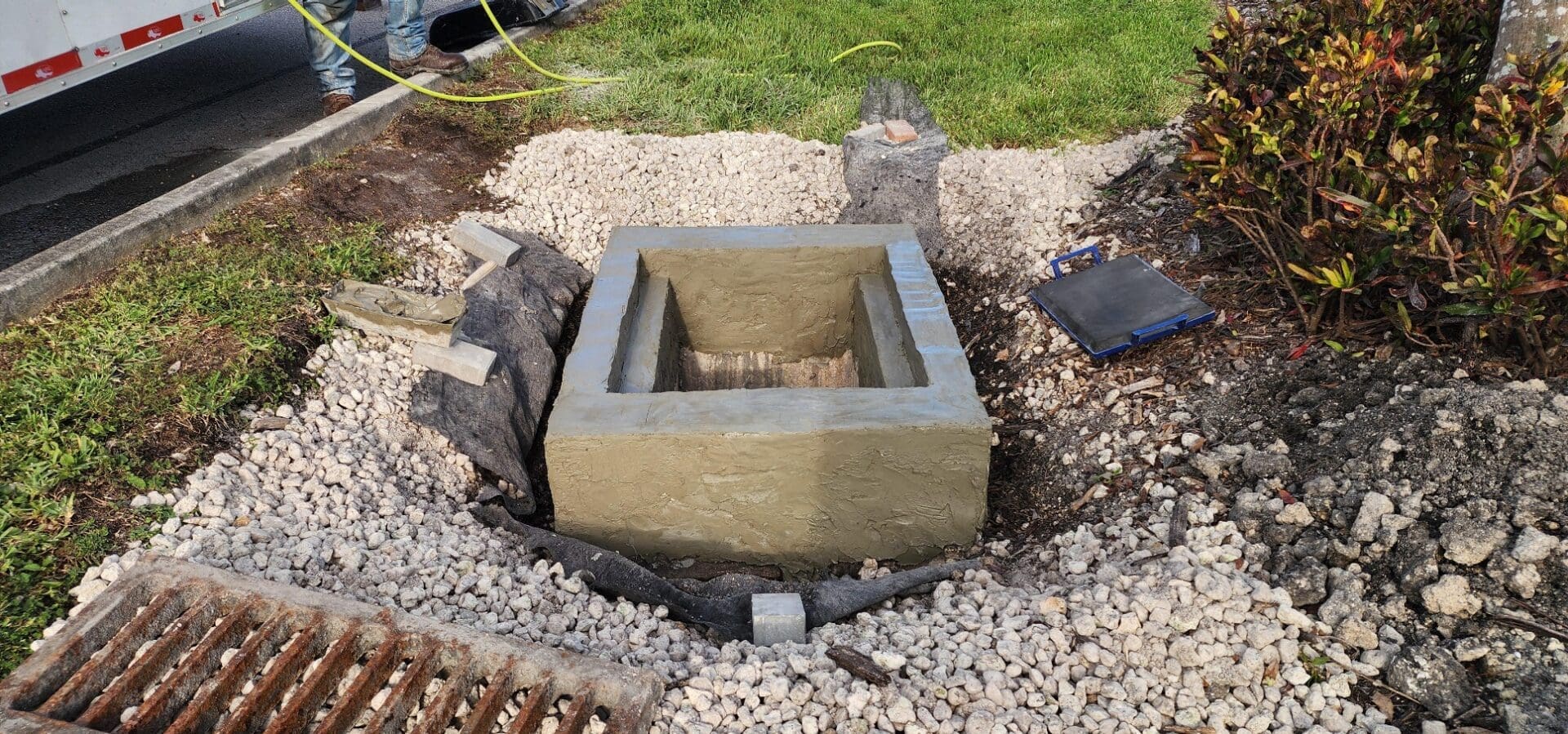
- Clean and remove sediment and debris from all filter chambers or vaults annually and prior to replacing the cartridges.
- Sediment and debris accumulation on or around the filter cartridges is an indicator that maintenance or filter replacement is required.
- Cartridges that are halfway or more submerged without a recent rain event, such as rain with the last 2-3 days, indicates that maintenance or a filter replacement is required. Inspect contributing catch basins and storm drains at the site for damage or clogs.
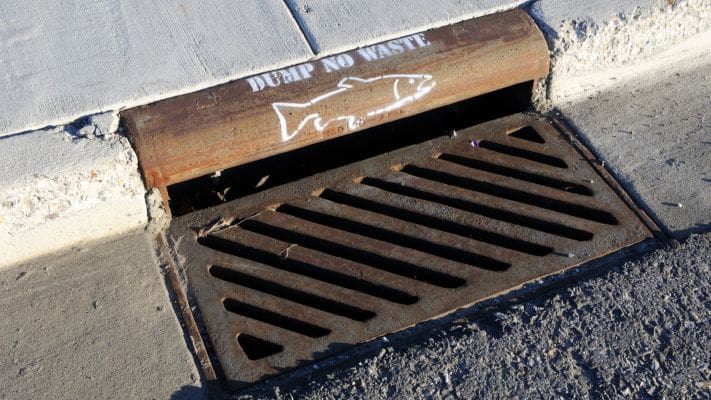
- Remove sediment and debris from surface grates.
- Debris within catch basins should be removed annually.
- Filter vault and catch basin maintenance professionals can be found by visiting the filter manufacturer website.
- Please have your contractor share the service and replacement records with the City – we will keep a file of the maintenance performed and reduce the need for additional site inspections.
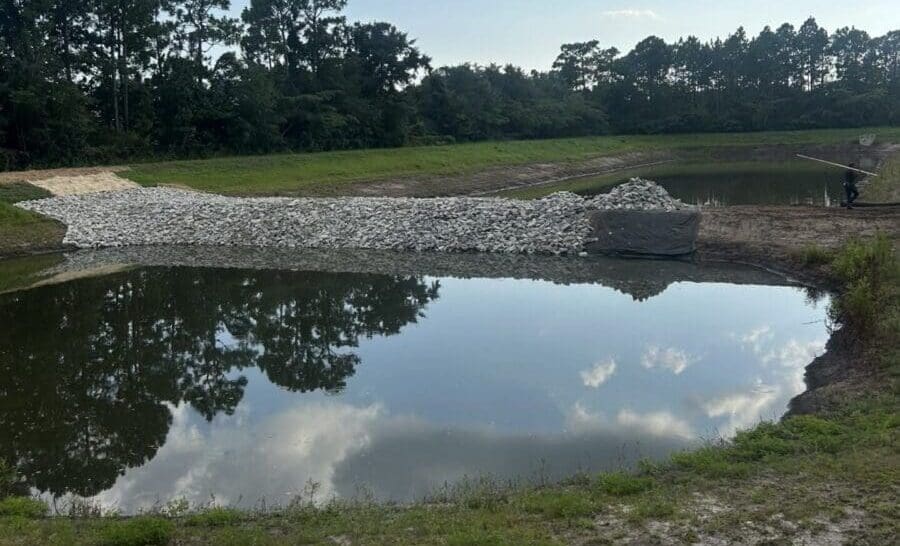
If more than one BMP is installed in series on a development, then the removal rate shall be determined through serial rather than additive calculations. For example, if a wet detention pond discharges through a UTB, then the removal rate shall be estimated to be forty-seven and five-tenths (47.5) percent. The pond removes twenty-five (25) percent of the nitrogen and discharges seventy-five (75) percent into the buffer. The buffer then removes thirty (30) percent of the nitrogen discharged from the pond, which is twenty-two and five-tenths (22.5) percent. The sum of twenty- five (25) and twenty-two and five-tenths (22.5) is forty-seven and five-tenths (47.5). The removal rate is not twenty-five (25) percent plus thirty (30) percent.
Regulations & Guidance
Clean Water Services and partner cities implemented the private water quality facilities management program under CWS’ Stormwater Management Plan in 2001. The program includes inspection of all residential, commercial, and industrial stormwater water quality facilities maintained by private property owners. The overall goal of the program is to educate property owners about how these facilities function and to ensure that facilities are maintained and operated properly. The following resources are available to assist property owners.
Operation and Maintenance Plans
The Operation and Maintenance (O&M) Plans below guide owners to the appropriate inspection frequency and recommended maintenance tasks for each type of facility. Owners should maintain a log of inspection activities and can use this Inspection Log (PDF) or the O&M Plan.
Inspections
- The City’s goal is to inspect 50% of all private facilities each year.
- Property owners will be notified by mail of an upcoming inspection.
- The CIty’s contact information is included in the notice and property owners can contact the CIty to request to be present for the inspection.
- Following the inspection, the City will provide details about any issues found and a rating of pass or fail.
Inspection Guide
The Inspection Guide (PDF, 11MB) is a supplement to Clean Water Services’ Design and Construction Standards and is to be used in conjunction with the Standards and other applicable regulations and local codes. This guide explains the benefits of Low Impact Development Approaches (LIDA), site planning, and the design process. It also includes operation and maintenance plans for each type of facility, and the Private Facility Plant List which can be used as a guide for planting LIDA facilities.
Private Maintenance Agreements
All new private stormwater facilities constructed in Hillsboro are required to complete and submit a Private Stormwater Management Facility Agreement for review. After review, please submit a final signed and notarized agreement.
- The City signs and records the agreement with Washington County and provides a recorded copy to the owner.
- Developers and property owners will be billed for recording costs.
For new development, or redevelopment, the agreement should be completed after the development review process and before the final inspection.
View State Page
Resources
Frequently Asked Questions
Who is responsible for maintaining a private stormwater facility in Hillsboro, Oregon?
You are, as the property owner. The City performs its own inspections and inventory tracking, but private property owners are responsible for performing their own inspections, maintenance, and repairs. Each spring, the city mails a reminder notice to help owners stay on schedule. AQUALIS can help property owners in Hillsboro build a maintenance routine that keeps them ahead of these annual reminders.
What kind of stormwater facility do I have on my Hillsboro property?
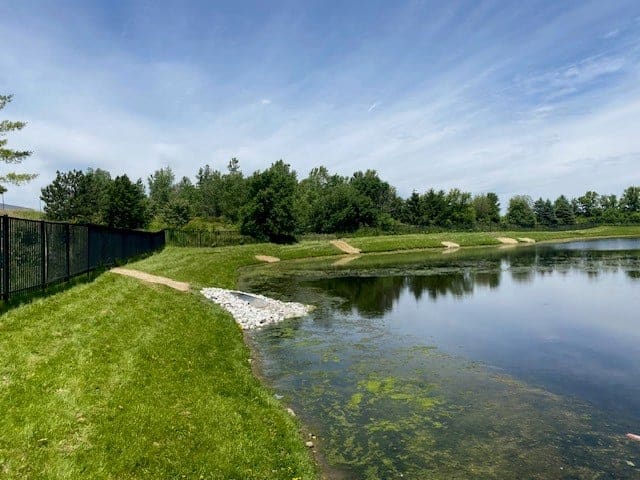
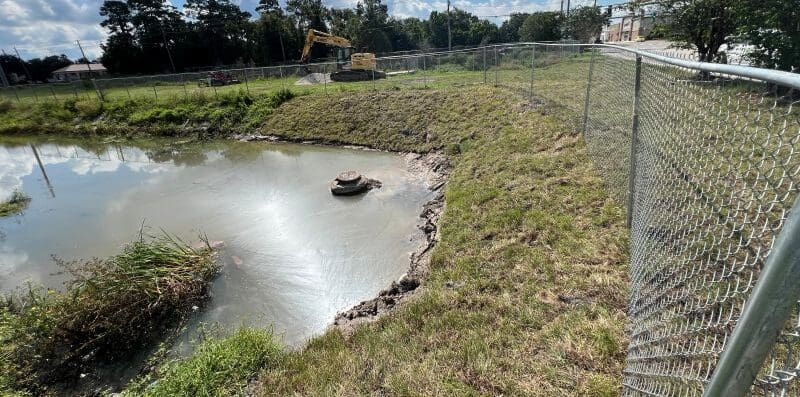
The city recognizes four types. Treatment facilities, like vegetative swales, infiltration planters, rain gardens, and green roofs, remove pollutants through natural filtration. Detention facilities, like ponds, water quality wetlands, and extended dry basins, temporarily hold and slowly release stormwater to reduce downstream flooding. Proprietary systems use manufactured filtration and underground storage chambers, and porous pavement uses underlying soil for infiltration.
What annual maintenance does a vegetated stormwater facility need in Hillsboro?
At minimum, you should check for winter storm damage like downed trees, visually inspect drains, pipes, and rock pads for damage or debris, and remove weeds and invasive plants such as blackberries, reed canarygrass, Scotch broom, ivy, and poison hemlock. You’ll also need to remove garbage and accumulated debris, replace dead plants, and clear sediment and debris from surface grates and contributing storm drains.
What annual maintenance does a filter catch basin, vault, or detention system need in Hillsboro?
At minimum, you should visually inspect the filters at least once a year and clean sediment and debris from filter chambers or vaults annually, before replacing any cartridges. Sediment buildup on or around cartridges, or cartridges submerged halfway or more without recent rain, are signs that maintenance or replacement is needed. You should also inspect contributing catch basins and storm drains for damage or clogs, and clear debris from surface grates annually. AQUALIS can help property owners identify a qualified filter vault and catch basin maintenance professional and coordinate this work.
Can I use fertilizer or herbicide on my Hillsboro stormwater facility?
No. It’s prohibited to use fertilizers, herbicides, pesticides, insecticides, or other chemical treatments within a private stormwater management facility, and maintenance must not modify the facility or remove its required vegetation.
Will the City of Hillsboro inspect my private stormwater facility?
Yes. The city’s goal is to inspect 50% of all private facilities each year, and property owners are notified by mail ahead of an upcoming inspection. You can contact the city using the information in that notice if you’d like to be present. After the inspection, the city provides details on any issues found along with a pass or fail rating.
Do I need a formal maintenance agreement for my stormwater facility in Hillsboro?
Yes. All new private stormwater facilities built in Hillsboro require a completed and submitted Private Stormwater Management Facility Agreement. Once the city reviews and signs it, the agreement is recorded with Washington County, and a recorded copy is provided to the owner. Developers and property owners are billed for the recording costs. AQUALIS can help property owners prepare this agreement correctly, especially if a prior owner never filed one.
When do I need to submit my Hillsboro stormwater maintenance agreement?
For new development or redevelopment, the agreement should be completed after the development review process but before your final inspection. If you’ve discovered your property doesn’t have a pre-existing agreement on file, the city recommends calling its Public Works line directly for assistance.
Should I keep records if I hire a contractor to maintain my stormwater facility in Hillsboro?
Yes, and it benefits you directly. If your contractor shares service and replacement records with the city, Hillsboro will keep that documentation on file, which can reduce how often the city needs to conduct additional site inspections on your property.
The information on this page is provided for general informational purposes only and is not legal advice. Regulations change frequently — AQUALIS makes no warranty as to the accuracy or completeness of this content, and any reliance on it is at your own risk. Consult a qualified professional or your local regulatory authority to confirm requirements applicable to your specific property.