
Last Updated 08/18/2026
Excerpt from the Stormwater Ordinance ARTICLE V. – STORMWATER
DIVISION 1. – GENERAL PROVISIONS
Sec. 34-402. – Purpose.
- To maintain and improve the quality of surface water and groundwater within the city-parish;
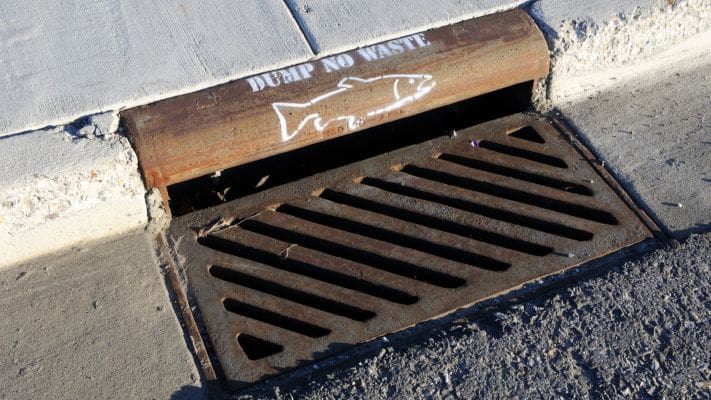
- To prevent the discharge of contaminated stormwater runoff into the city-parish’s municipal separate storm sewer system and natural waters affected by the city-parish;
- To prohibit illicit discharges of pollutants, and illicit connections, to the city-parish’s municipal separate storm sewer system and natural waters affected by the city-parish;
- To promote public awareness of the hazards involved in the improper discharge of hazardous substances, petroleum products, household hazardous waste, industrial waste, sediment from construction sites, pesticides, herbicides, fertilizers, and other contaminants into the storm sewers and natural waters of the city-parish;
- To facilitate compliance with state and federal standards and permits by owners and operators of construction sites within the city-parish;
- To enable the city-parish to comply with all federal and state laws and regulations applicable to stormwater discharges, including those requirements imposed upon the city-parish under its Louisiana Pollutant Discharge Elimination System Municipal Separate Sewer System discharge permit; and
- To establish the legal authority to carry out all inspection, surveillance, monitoring, and enforcement procedures necessary to ensure compliance with this article.
DIVISION 3. – REQUIREMENT TO PREVENT, CONTROL, AND REDUCE STORMWATER POLLUTANTS BY THE USE OF BEST MANAGEMENT PRACTICES
Sec. 34-441. – Best management practices.
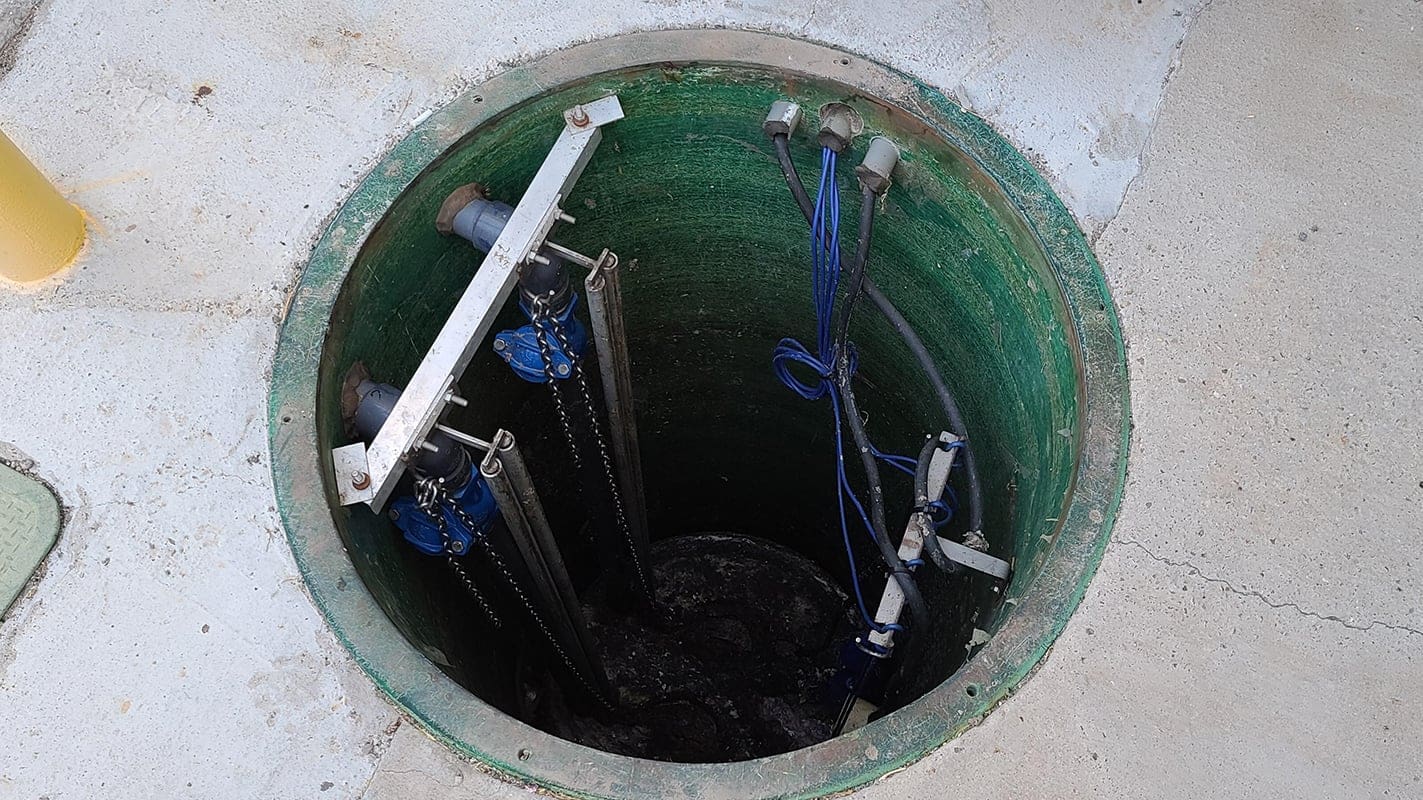
The public works director or his designee may adopt requirements identifying best management practices for any activity, operation, or facility that may cause or contribute to pollution or contamination of stormwater, the MS4, or waters of the state. The owner or operator of a commercial or industrial establishment within the city-parish shall provide, at its own expense, reasonable protection from accidental discharge of prohibited materials or other wastes into the MS4 or waters of the state through the use of these structural and non-structural BMPs. Further, any person responsible for a property or premise that is, or may be, the source of an illicit discharge or that has an illicit connection may be required to implement, at such person’s sole expense, additional structural and non-structural BMPs to properly address such illicit discharge and/or illicit connection. Any BMPs adopted by the public works director or his designee pursuant to this section shall be incorporated in any stormwater pollution prevention plan developed by a discharger within the city-parish in order to comply with the requirements of any applicable LPDES permit issued to such discharger.
Subdivision IV. – Post-Construction Erosion and Sedimentation Control
Sec. 34-511. – Post-construction erosion and sedimentation control.
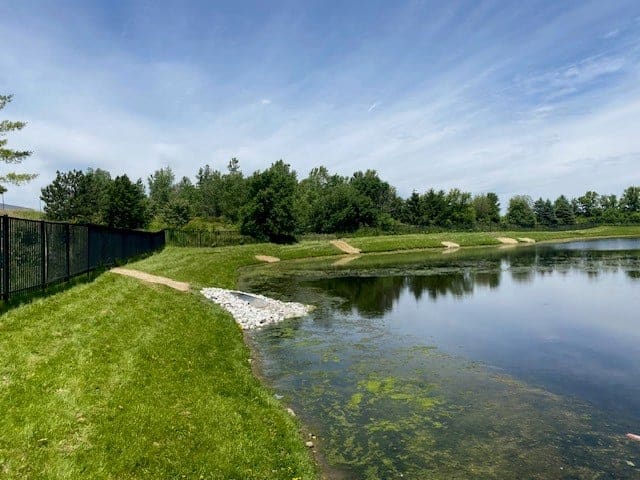
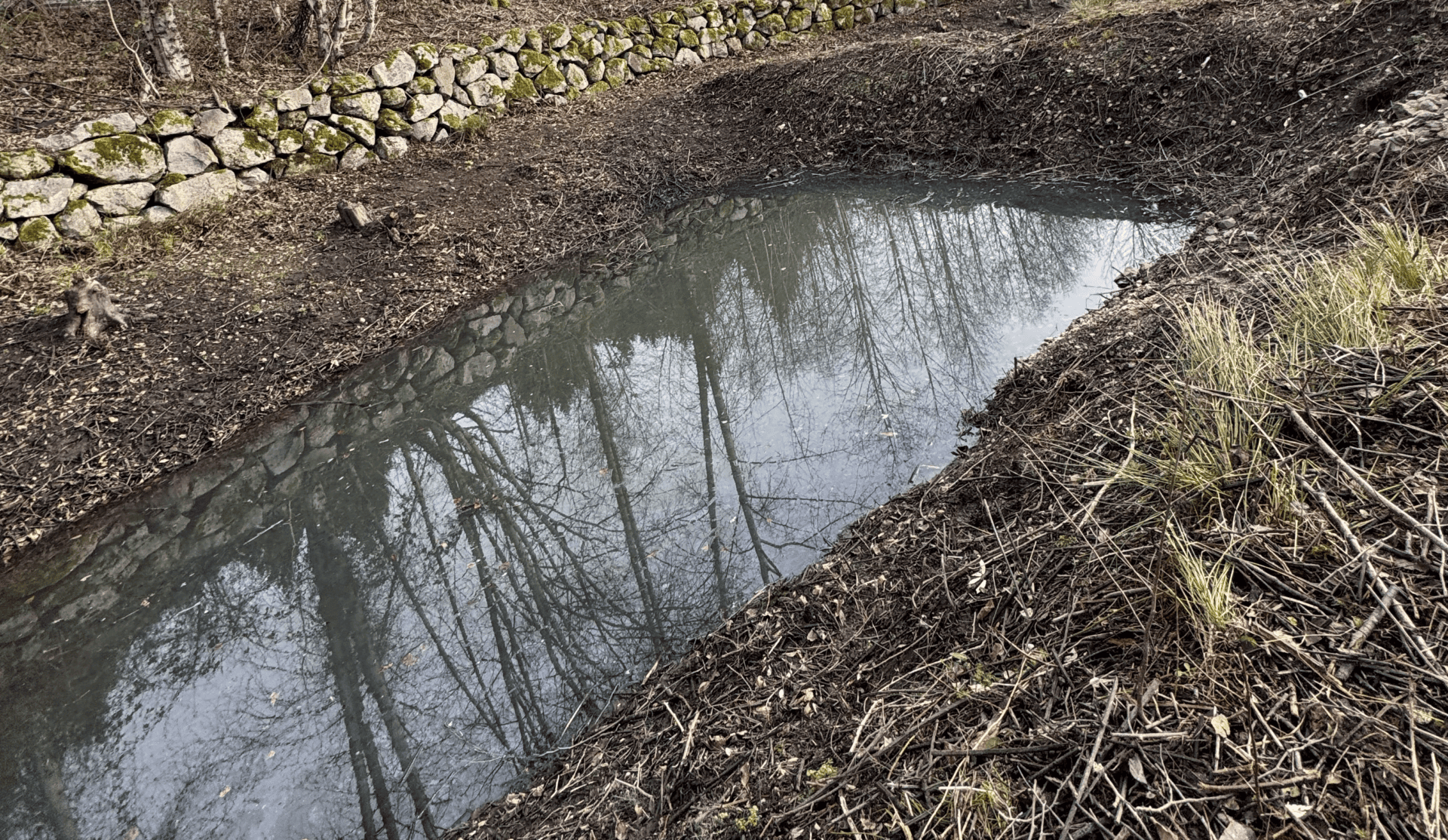
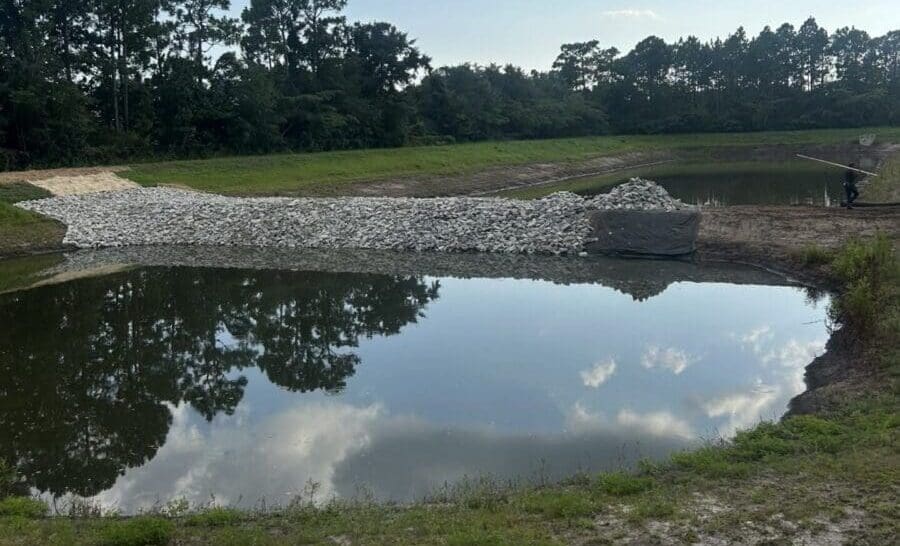
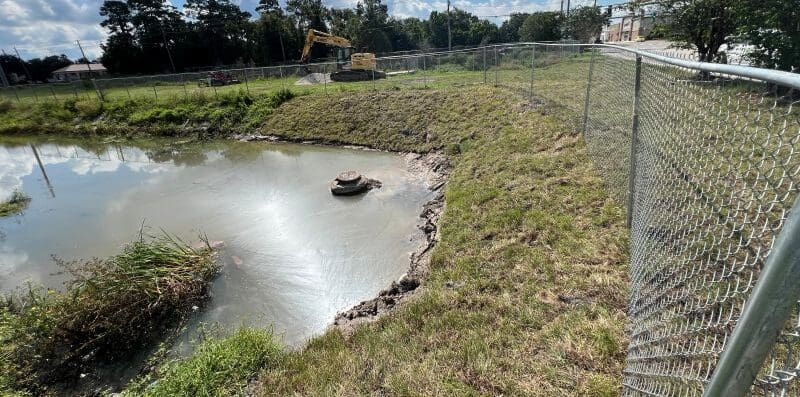
Owners and operators, including developers and property owners, shall use and maintain appropriate erosion and sedimentation control measures to ensure that erosion, or adverse conditions caused by erosion or sedimentation, is eliminated or held to an acceptable minimum so that soil and other pollutants are not discharged to the MS4 or waters of the state nor onto an adjourning property or right-of-way. For example, vegetation, erosion, and sediment control measures, including the following installed structural measures, if any, should be used and maintained: stormwater detention structures (including wet ponds); flow attenuation by use of open vegetative swales and natural depressions; other velocity dissipation devices; infiltration of runoff on site; and sequential systems that combine several such practices.
View State Page
Frequently Asked Questions
What does Lafayette's stormwater ordinance regulate?
Article V of the Lafayette City-Parish Code of Ordinances covers illicit discharges and illicit connections to the municipal separate storm sewer system, stormwater discharges tied to construction activity, land clearing that affects stormwater, and post-construction erosion and sedimentation control. The ordinance exists to protect surface water and groundwater quality throughout the city-parish and to help the city-parish meet its own Louisiana Pollutant Discharge Elimination System MS4 permit obligations.
Lorem ipsum dolor sit amet
Yes. Owners and operators of commercial or industrial establishments must provide reasonable protection against accidental discharge of prohibited materials into the storm sewer system or waters of the state, using structural and non-structural best management practices. This protection is required at the property owner’s own expense, not the city-parish’s.
What happens if a property has an illicit discharge or illicit connection in Lafayette?
Anyone responsible for a property that is, or may be, the source of an illicit discharge or illicit connection can be required to implement additional structural and non-structural BMPs at their own expense to correct the issue. The city-parish holds legal authority to inspect, monitor, and enforce compliance under the ordinance.
What erosion and sediment control measures does Lafayette require after construction?
Owners and operators, including developers, must use and maintain erosion and sedimentation control measures so soil and other pollutants aren’t discharged into the storm sewer system, waters of the state, or neighboring properties. Acceptable measures include stormwater detention structures like wet ponds, vegetative swales and natural depressions that slow flow, other velocity dissipation devices, on-site infiltration, and combined systems that layer several of these practices together.
Who sets BMP requirements for individual properties in Lafayette?
The public works director or a designee has authority to adopt BMP requirements for any activity, operation, or facility that could contribute to stormwater pollution. Any BMPs required this way must be incorporated into a stormwater pollution prevention plan for dischargers who need one to comply with their LPDES permit.
The information on this page is provided for general informational purposes only and is not legal advice. Regulations change frequently — AQUALIS makes no warranty as to the accuracy or completeness of this content, and any reliance on it is at your own risk. Consult a qualified professional or your local regulatory authority to confirm requirements applicable to your specific property.