

Last Updated 08/24/2026
Las Cruces Regulations
Excerpt from Las Cruces Land Development Code
Sec. 34-128. - Duties and responsibilities of director of public works.
Duties and responsibilities of the director of public works or designee shall include, but are not limited to the following:
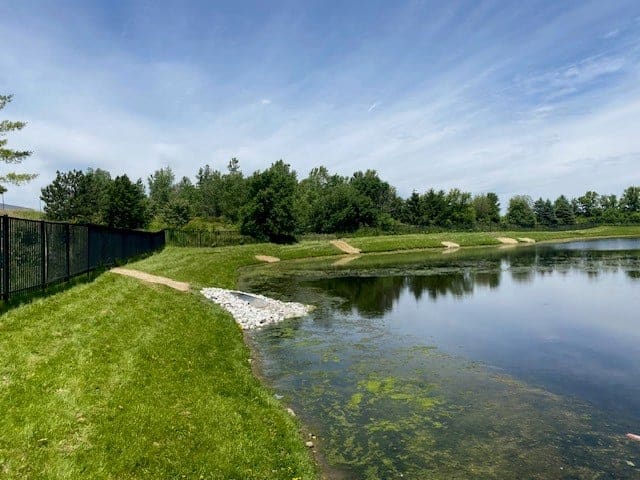
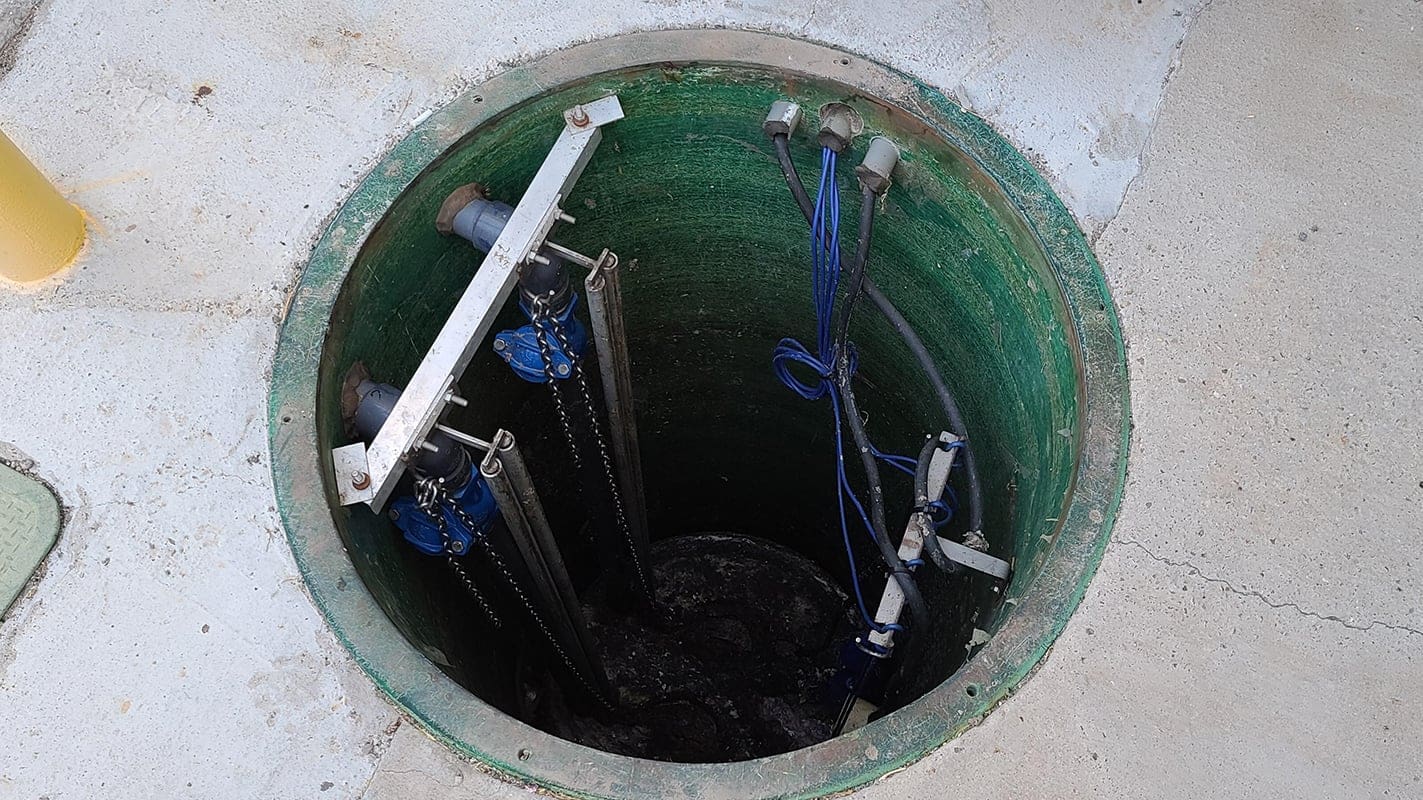
(1) Be the guardian of the MS4, including all dams, detention and retention basins, storm drains, outlet working channels and pumping stations;
(2) Maintain and hold open for public inspection all records pertaining to the provisions of this article;
(3) Review permit applications to determine whether proposed developments will eliminate or reduce the pollutants entering the MS4;
(4) Review, approve or deny all applications for development permits required by adoption of this article;
(5) Maintain supervision over the operation and maintenance condition of the MS4 to ensure its safe and effective functioning and notify the streets systems administrator of any required maintenance and/or repair work;
(6) Conduct an annual inspection of the MS4 and provide a written inspection report, including an assessment of the operational condition, safety, effectiveness and maintenance condition of the system, and a line item list of required special maintenance or repairs to the streets systems administrator;
(7) Establish and implement a program to locate and eliminate illicit discharges and improper disposals to the MS4;
(8) Establish and implement a program to prevent, contain and respond to spills that may discharge into MS4. This program shall be in conjunction with the fire department’s hazardous materials division;
(9) Establish and implement a program to identify and control pollutants in stormwater discharges from any construction or commercial facility that the director of public works determines that is contributing a substantial pollutant loading to the MS4.
Sec. 34-130. - General prohibitions.
(a) No person shall introduce or cause to be introduced into the MS4 or waters within the jurisdiction of the city any discharge that is not composed entirely of stormwater.
(b) It is an affirmative defense to any enforcement action for violation of subsection (a) of this section that the discharge was composed entirely of one or more of the following categories of discharges:
(1) A discharge authorized by and in full compliance with an NPDES permit (other than the NPDES permit for discharges from the MS4);
(2) A discharge resulting from firefighting;
(3) Agricultural stormwater runoff;
(4) A discharge from water line flushing, but not including discharge from water line disinfected by super chlorination or other means unless it contains no harmful quantity of chlorine or any other chemical used in line disinfection;
(5) A discharge from residential lawn watering, residential landscape irrigation, or crop irrigation water;
(6) A discharge from a diverted stream flow or natural spring;
(7) A discharge from uncontaminated pumped groundwater or rising groundwater;
(8) Uncontaminated groundwater infiltration (as defined in 40 CFR section 35.2005(20)) to the MS4;
(9) Uncontaminated discharge from a foundation drain, crawl space pump, footing drain or sump pump;
(10) A discharge from a potable water source not containing any harmful substance or material from the cleaning or draining of a storage tank or other container;
(11) A discharge from air conditioning condensation that is unmixed with water from a cooling tower, emissions scrubber, emissions filter, or any other source of pollutant;
(12) A discharge from individual residential vehicle washing;
(13) An uncontaminated discharge from riparian habitat or wetland;
(14) A discharge from water used in street washing provided that the water is not contaminated with any harmful cleaning substance;
(c) No affirmative defense shall be available under subsection (b) of this section if the discharge or flow in question has been determined by the city to be a source of a pollutant or pollutants to the waters of the United States or to the MS4, and written notice of such determination has been provided to the discharger.
Sec. 34-131. - Specific prohibitions and requirements.
(a) The specific prohibitions and requirements in this section are within but do not limit the general prohibition of all the discharges prohibited by the general prohibitions in section 34-130.
(b) No person shall introduce or cause to be introduced into the MS4 any discharge that causes or contributes to causing the city to violate a water quality standard, the city’s NPDES permit, or any state or federal issued discharge permit for discharges from its MS4.
(c) No person shall release or cause, allow, or permit the introduction of any of the following substances into the MS4 or the waters within the jurisdiction of the city such that the substance may enter the air or groundwater:
(1) Any used motor oil, antifreeze, or any other motor vehicle fluid;
(2) Any industrial waste or wastewater;
(3) Any hazardous waste, including hazardous household waste;
(4) Any domestic sewage or septic tank waste, grease trap waste, or grit trap waste;
(5) Any wastewater from a commercial carwash facility, and from any commercial vehicle washing, cleaning, or maintenance at any new or used automobile or other vehicle dealership, rental agency, body shop, repair shop, or maintenance facility.
(6) Any wastewater from the commercial washing, cleaning, de-icing, or other maintenance of aircraft;
(7) Any wastewater from a commercial mobile power washer or from the washing or other cleaning of building exterior where the wastewater contains any cleaning substance;
(8) Any wastewater from commercial floor, rug, or carpet cleaning;
(9) Any wastewater from the wash down or other cleaning of pavement that contains any harmful quantity of any cleaning substance; or any wastewater from the wash down or other cleaning of any pavement where any spill, leak, or other release of oil, motor fuel, or other petroleum or hazardous substance has occurred, unless all quantities of such released material have been previously removed;
(10) Any effluent from a cooling tower, condenser, compressor, emissions scrubber, emissions filter, or the blow down from a boiler;
(11) Any ready-mixed concrete, mortar, ceramic, or asphalt base material or hydro mulch material, or runoff from the cleaning of commercial vehicles or equipment containing, or used in transporting or applying, such material;
(12) Any contaminated filter backwash from a swimming pool, fountain, or spa;
(13) Any fountain, swimming pool, or spa water, to include any filter backwash water;
(14) Any discharge from water line disinfected by super chlorination or other means, if it contains any harmful quantity of chlorine or any other chemical used in line disinfection;
(15) Any water from a water curtain in a spray room used for painting vehicles or equipment;
(16) Any contaminated runoff from a vehicle wrecking yard;
(17) Any substance or material that will damage, block, or clog the MS4;
(18) Any release from a petroleum storage tank (PST), or any leachate or runoff from soil contaminated by a leaking PST, or any discharge of pumped, confined, or treated wastewater from the remediation of any such PST release, unless the discharge complies with all state and federal standards and requirements.
(d) No person shall introduce or cause to be introduced into the MS4 or waters within the jurisdiction of the city any quantity of sediment, silt, earth, soil, or other material associated with clearing, grading, excavation or other construction activities, or associated with land filling or other placement or disposal of soil, rock, or other earth materials, in excess of what could be retained on site or captured by employing sediment and erosion control measures to the maximum extent practicable under prevailing circumstances.
(e) No person shall connect a line conveying sanitary sewage, domestic or industrial, to the MS4, or allow such a connection to continue.
(f) Regulation of pesticides, herbicides, and fertilizers.
(1) Any sale, distribution, application, labeling, manufacture, transportation, storage, or disposal of a pesticide, herbicide, or fertilizer must comply fully with all state and federal statutes and regulations including, without limitation, the Federal Insecticide, Fungicide, and Rodenticide Act (FIFRA) and all federal regulations promulgated pursuant to FIFRA; and any other state or federal requirement.
(2) No person shall use, or cause to be used, any pesticide or herbicide contrary to any directions for use on any labeling required by state or federal statute or regulation.
(3) No person shall dispose of, discard, store, or transport a pesticide, herbicide, or fertilizer, or a pesticide, herbicide, or fertilizer container, in a manner that the person knows, or reasonably should know, is likely to cause, or does cause, a harmful quantity of the pesticide, herbicide, or fertilizer to enter the MS4 or waters of the United States.
(g) Used oil regulation.
(1) No person shall:
a. Discharge used oil into the MS4 or a sewer, drainage system, septic tank, surface water, groundwater, or watercourse;
b. Knowingly mix or commingle used oil with solid waste that is to be disposed of in a landfill or knowingly directly dispose of used oil on land or in a landfill or knowingly discharge used oil onto the ground;
c. Introduce used oil into the environment by any method, including application of used oil to a road or land for dust suppression, weed abatement, or other similar use.
(2) A retail dealer who annually sells directly to the public more than five hundred gallons of oil in containers for use off-premises shall post in a prominent place a sign informing the public that improper disposal of used oil is prohibited by law. The sign shall prominently display the City of Las Cruces Recycling Center or any other local used oil disposal locations.
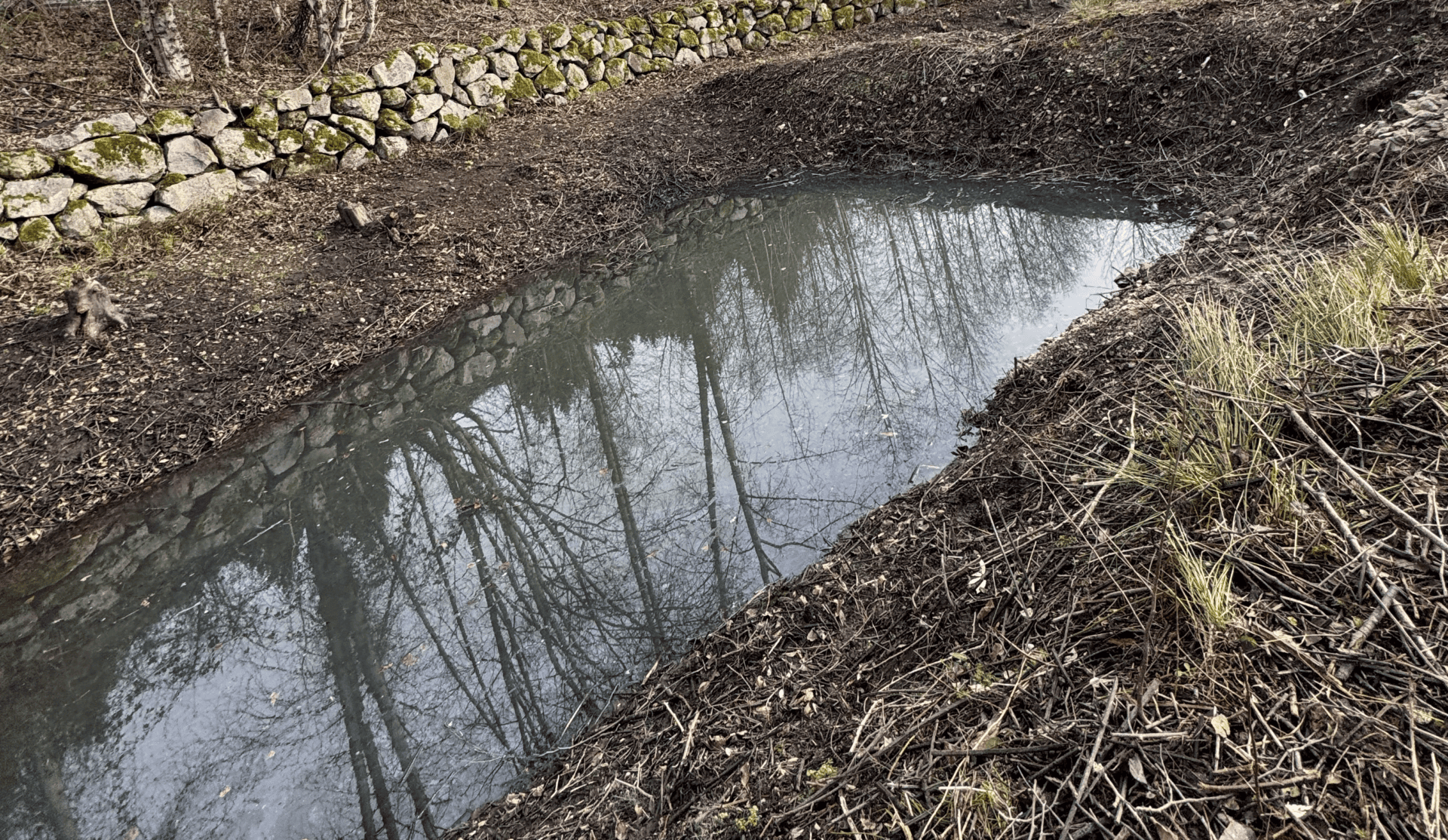
(h) No person shall install an impervious underlayment for landscaping related uses. All underlayment must allow 12 GPM/sq. ft. of water to pass. No underlayment shall be placed at the bottom of a detention or retention pond.
(i) Sites may be allowed to discharge into the MS4, upon mutual agreement with the operator of the MS4. The operator of the MS4 shall be allowed to assess a fee for expenses incurred to meet latest EPA standards for stormwater quality based on the two-year event.
Sec. 34-134. - Citizen participation.
(a) All citizens are encouraged to report to the city any spills, releases, illicit connections, other instances of anyone discharging pollutants into the MS4 or waters of the United States, and any other violation of this article of which they become aware.
(b) The director of public works, his designee, or city codes enforcement Department shall receive all such citizen reports by telephone, in writing, and in person. A written record of each citizen report will be prepared and kept on file for a period of three years, and a copy of the city’s record of the report will be furnished to the reporting citizen upon request. Also upon request, the city will inform the reporting citizen of any action undertaken by the city in response to the citizen’s report.
(c) The city shall establish a local telephone number for the reporting of such violations. The number shall be displayed at various locations throughout the city, as designated by the director of public works and city codes enforcement department.
Sec. 34-136. - Criminal penalty.
(a) Any person violating any provision of this article shall be deemed guilty of a petty misdemeanor and upon conviction thereof shall be punished by a fine not exceeding $500.00, imprisonment for a term not exceeding 90 days, or both per violation. Each violation of a particular section of this article shall constitute a separate offense, and each day an offense continues shall be considered a new violation for purposes of enforcing this article.
(b) The imposition of a penalty does not prevent revocation or suspension of a license, permit or franchise or other administrative actions or equitable relief.
View State Page
Frequently Asked Questions
What is post-construction stormwater management, and does it apply to my property in Las Cruces?
Post-construction stormwater management covers the ongoing responsibility to maintain permanent BMPs on your property, and in Las Cruces that responsibility stays with the property owner unless the city has accepted dedication of the stormwater infrastructure. If your Las Cruces property has a permanent BMP installed under an approved plan and the city hasn’t taken it over, keeping it functioning is a continuing obligation, not a one-time construction requirement. AQUALIS provides full post-construction stormwater management for property owners across Las Cruces, so BMPs stay compliant well after a project is finished.
How often do permanent BMPs need to be inspected and serviced in Las Cruces?
Las Cruces requires annual inspections and servicing of all permanent BMPs at minimum, meaning at least once a year every property owner responsible for a stormwater facility needs to have it professionally checked and maintained. Skipping this minimum can leave a facility degrading unnoticed between visits. AQUALIS coordinates these annual inspections and servicing visits for Las Cruces property owners, so the minimum requirement is never missed.
What is an Operation and Maintenance agreement, and does my Las Cruces property need one?
Las Cruces requires an Operation and Maintenance, or O&M, agreement that designates the party responsible for a stormwater facility, establishes training programs for whoever performs the maintenance, and details the servicing schedule the facility must follow. If you are unsure whether your Las Cruces property has a current O&M agreement on file, or what it actually requires, AQUALIS reviews existing agreements and takes on the maintenance activity they specify.
How long do I need to keep stormwater maintenance records for my Las Cruces property?
Las Cruces requires property owners to retain maintenance documentation for at least five years, giving the city a documented history to review if a compliance question arises. Falling behind on this recordkeeping can make it difficult to demonstrate that a facility has been properly maintained since it was built. AQUALIS maintains complete, up to date maintenance records for every property it services in Las Cruces, so documentation is always ready when requested.
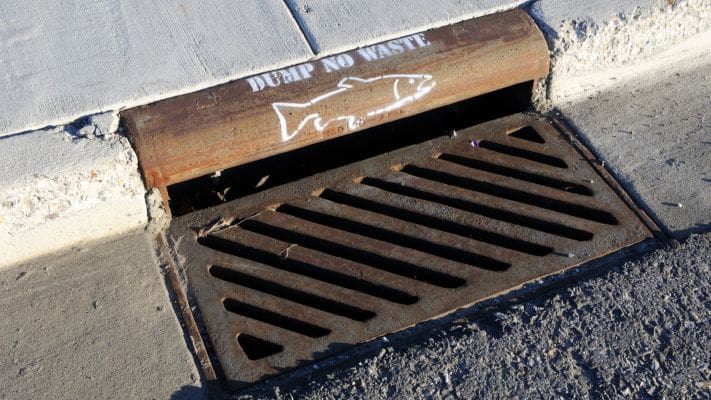
What are storm drain inlet markers, and do I need to maintain them on my Las Cruces property?
Las Cruces specifically requires the maintenance of storm drain inlet markers as part of a property’s post-construction stormwater obligations, a detail that is easy to overlook since it applies to signage and labeling rather than the underlying BMP structure itself. Missing or damaged markers can be flagged during an inspection even if the BMP itself is functioning properly. AQUALIS checks and maintains storm drain inlet markers for Las Cruces property owners as part of its broader BMP maintenance service.
What happens if my stormwater BMP in Las Cruces is not properly maintained?
If a permanent BMP in Las Cruces is not maintained according to the schedule and standards set in its O&M agreement, the property owner risks falling out of compliance with both the local ordinance and the underlying performance bond backing the facility. Because that bond can run for up to 15 years, a lapse in maintenance can create financial exposure long after a project’s original construction is finished. AQUALIS provides non-compliance resolution for Las Cruces property owners, correcting maintenance issues before they put the property’s compliance, or its performance bond, at risk.
Where can property owners in Las Cruces get help with post-construction stormwater compliance?
Post-construction stormwater compliance in Las Cruces involves annual BMP inspections, a designated O&M agreement, five-year recordkeeping, a long-term performance bond, and specific requirements like storm drain inlet marker maintenance. Managing all of this without dedicated stormwater staff is difficult for most property owners. AQUALIS offers complete post-construction stormwater management for Las Cruces property owners, covering maintenance, annual inspections, recordkeeping, and non-compliance resolution, so owners can meet the city’s requirements without managing the process themselves.
The information on this page is provided for general informational purposes only and is not legal advice. Regulations change frequently — AQUALIS makes no warranty as to the accuracy or completeness of this content, and any reliance on it is at your own risk. Consult a qualified professional or your local regulatory authority to confirm requirements applicable to your specific property.