

Last Updated 08/20/2026
Excerpt from Stormwater Ordinance
Article X
Stormwater Management
As used in this article, the following terms shall have the meanings indicated:
LOWELL STORMWATER MANAGEMENT PLAN (“LSMP”)
The most-current version of a plan promulgated by the Executive Director of the Lowell Regional Wastewater Utility that establishes the design procedures, submittal standards, minimum requirements for the hydrologic and hydraulic analysis and design of stormwater management systems, design procedures and minimum requirements for the design of stormwater management plans and reports, and any and all other stormwater management issues deemed necessary by the City.
MUNICIPAL STORMWATER SYSTEM
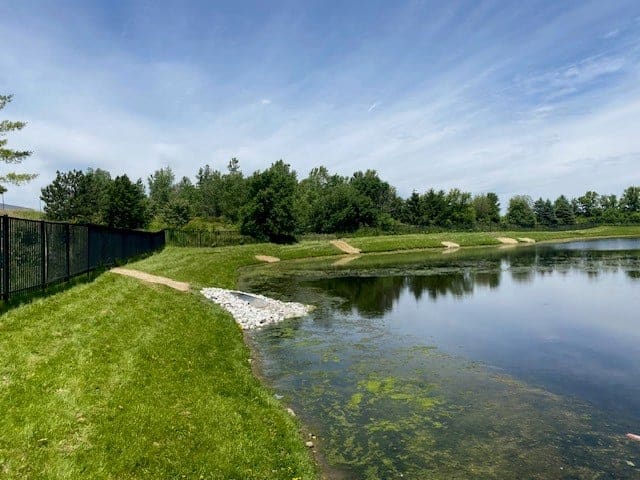
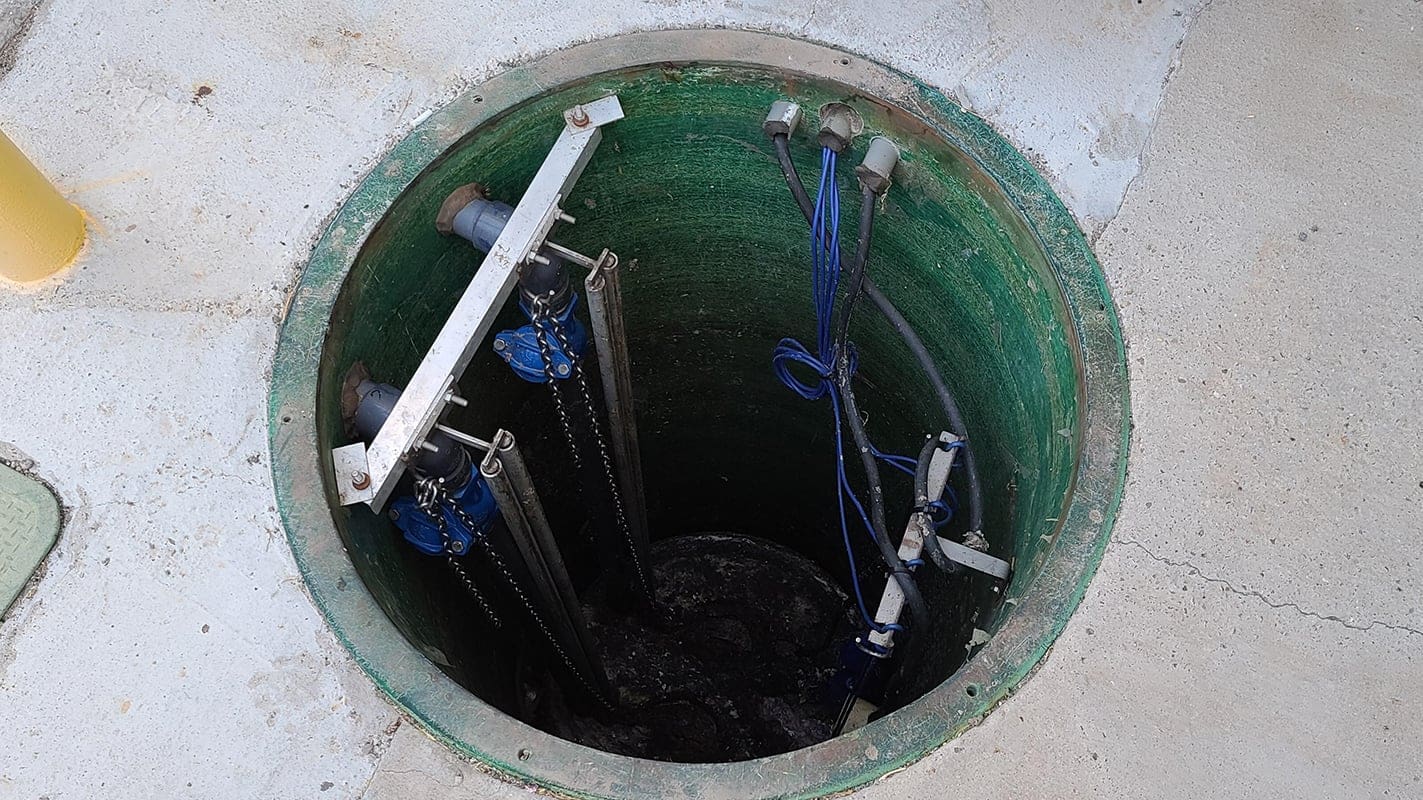
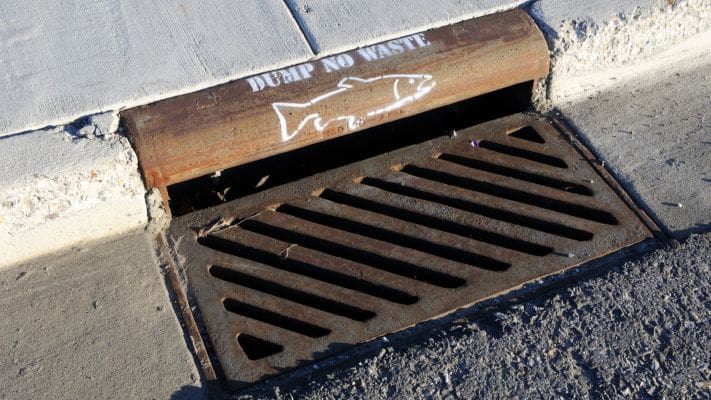
Any natural or man-made structures or facilities that are intended for the collection, conveyance, storage, treatment, and discharge of stormwater runoff and are owned, operated, and maintained by the City. Municipal stormwater systems include, but are not limited to, ditches, basins, swales, streams, inlets, curb and gutters, detention/retention facilities, structures, manholes, culverts, bridges, subsurface drainage courses, pipes, conduits, pumping stations and appurtenances, including tide gates, and catch basins.
PRIVATE STORMWATER SYSTEM
Any natural or man-made structures or facilities that are intended for the collection, conveyance, storage, treatment, and discharge of stormwater runoff and are owned, operated, and maintained by a private property owner within the City. Private stormwater systems include, but are not limited to, ditches, basins, swales, streams, inlets, curb and gutters, detention/retention facilities, structures, manholes, culverts, bridges, subsurface drainage courses, pipes, conduits, pumping stations and appurtenances, including tide gates, and catch basins.
272-110 General regulations.
- No person shall develop any land within the corporate limits of the City without having provided for adequate stormwater management measures that control erosion and stormwater runoff quantity and quality, in compliance with this article, the LSMP, and any other applicable local, state, or federal laws, rules, and regulations.
- The Executive Director, or his or her designee, shall have the authority to maintain, manage, operate, and regulate the City’s stormwater system.
- In furtherance of his or her authority under this article, the Executive Director shall promulgate the LSMP and other regulations or guidance documents governing all activities related to the excavation, alteration, disturbance, uncovering, connection, or other direct or indirect use of the City’s stormwater system.
- No unauthorized person shall excavate, alter, disturb, uncover, block access, make any connection with or opening into, or in any way directly or indirectly use the City’s stormwater system without first obtaining a written permit from the Executive Director. The Executive Director, or his or her designee, shall establish permit requirements for all such activities and take necessary and appropriate enforcement action to prohibit or remedy any such unpermitted activity, in accordance with the LSMP and all applicable local, state, and federal laws, regulations, and rules.
- In the event a person maliciously, willfully, or negligently breaks, damages, destroys, uncovers, defaces, tampers, or otherwise interferes with any structure, appurtenance, or equipment which is part of the City’s stormwater system and contrary to the LSMP and all applicable local, state, and federal laws, regulations and rules, the Executive Director, his authorized designees, or any other enforcement or regulatory entity in the City shall be authorized to take any enforcement action, remedy, or response so provided under this article, the LSMP, and all applicable local, state, and federal laws, regulations and rules.
- The City, by and through its City Council, shall approve of all fees and costs related to the installation, connection, or alteration to the City’s stormwater system and any costs of maintenance thereof.
- Applicants shall indemnify the City from any loss or damage that may directly or indirectly be occasioned by the installation, connection, or alteration to the City’s stormwater system.
272-111 City of Lowell Stormwater Management Plan.
- The LSMP shall describe design procedures, submittal standards, and minimum requirements for the hydrologic and hydraulic analysis and design of stormwater drainage systems. The LSMP shall describe the procedures and minimum requirements for the design of stormwater management plans and reports. The LSMP shall also address any and all other stormwater management issues that are deemed necessary by the City.
- The City may approve engineering procedures not contained in the LSMP if an applicant can demonstrate that the procedures produce a similar or superior result to those recommended in the LSMP and in accordance with all applicable local, state, and federal laws.
272-112 Submittal of stormwater system plans.
- Any plans pertaining to private stormwater systems submitted by an applicant seeking a permit from the City shall make and file accurate and certified plans of the private stormwater system, at their own expense, with the Executive Director and the City Engineer’s office. These plans shall show all connections to the municipal stormwater system when made as provided in the LSMP, regulations, and guidance documents promulgated by the Executive Director pursuant to this article and the authority granted to the Director by this article and in accordance with all applicable local, state, and federal laws.
272-113 Interference and obstruction during construction.
- Whenever any street is opened for the laying of pipes, installing of structures, for water, gas or other purposes, or for any work of construction, such work connected therewith, or for any other such work of construction, shall be so executed as not to obstruct, in any way, the course, capacity or construction of any part of the City’s stormwater drainage system.
- Whenever pipes for any purpose, or any work of construction, are found to exist at such a depth or in such location as to interfere with any existing part of the City’s municipal stormwater system, the person maintaining the same shall, upon notice thereof, at once remove, change, or alter such pipes or pipes or other works, in such a manner as the Executive Director, his designee, the City Engineer, or the City Engineer’s designee may direct. If such person neglects to comply immediately with the terms of such notification, the City may make such removal, change, or alteration, and the cost thereof shall be paid by such person; provided that, whenever any drain is to be constructed, or any water pipe to be laid, in any street or way, the City Engineer and Director shall consult each other in regard to the location of any existing pipes.
272-114 Inspectors – powers and authority.
- The Executive Director, or his or her authorized employees, agents, assistants, or designees, may enter the premises of any property in the City for the purposes of, but not limited to, inspection, observation, measurement, sampling, repair and maintenance, and testing of stormwater and stormwater systems in accordance with the provisions of this article, the LSMP, and any other applicable local, state, and federal laws.
272-115 Violations and penalties.
- Any person found to be violating any of the provisions of this article, the LSMP, or any other regulations or rules promulgated by the Executive Director pursuant to the authority granted by this article and by any and all applicable federal, state or local laws, regulations, or rules may be subject to a civil penalty and, if found liable for the violation, shall be subject to a civil penalty and, upon conviction, shall be fined up to $5,000 a day for each violation back to the first day of the violation in accordance with M.G.L. c. 83, § 10, as amended by Chapter 174, Section 7, of the Acts of 1987.
- Any person found to be violating any of the provisions of this article, the LSMP, or any other regulations or rules promulgated by the Executive Director pursuant to the authority granted by this article and by any and all applicable federal, state or local laws, regulations, or rules shall be liable for the maximum penalty provided under the Massachusetts General Laws for each violation back to the first day of said violation.
- Any person violating any of the provisions this article, the LSMP, or any other regulations or rules promulgated by the Executive Director pursuant to the authority granted by this article and by any and all applicable federal, state or local laws, regulations, or rules shall become liable to the City for any expense, loss or damage occasioned the City by reason of such violation.
- A penalty provided for under this section may be imposed in conjunction with any other charges or penalties that can be imposed for violation of any other local, state, or federal criminal or civil offenses committed.
272-116 Severability.
If any section, subsection, sentence, clause, phrase, word, or other portion of this article is, for any reason, held to be unconstitutional or invalid, in whole, or in part, by any court of competent jurisdiction, such portion shall be deemed severable, and such unconstitutionality or invalidity shall not affect the validity of the remaining portions of this article, which remaining portions shall continue in full force and effect.
View State Page
Frequently Asked Questions
What is the difference between a municipal and private stormwater system in Lowell?
A municipal stormwater system is any structure or facility used to collect, convey, store, treat, or discharge stormwater runoff that’s owned, operated, and maintained by the City. A private stormwater system covers the same functions but is owned, operated, and maintained by a private property owner. Both definitions include ditches, basins, swales, catch basins, manholes, pipes, and similar structures.
Does a Lowell property need a permit to connect to the municipal stormwater system?
Yes. No one may excavate, alter, disturb, uncover, block access to, or connect with the City’s stormwater system without first obtaining a written permit from the Executive Director of the Lowell Regional Wastewater Utility. The Executive Director sets permit requirements for these activities and can take enforcement action against unpermitted work.
Does a property owner need to submit plans for a private stormwater system in Lowell?
Yes. Anyone applying for a permit involving a private stormwater system must file accurate, certified plans of that system with the Executive Director and the City Engineer’s office, at their own expense. These plans must show every connection to the municipal system.
What is the Lowell Stormwater Management Plan, and what does it govern?
The LSMP is the city’s current governing document for stormwater design and submittal standards, covering the hydrologic and hydraulic analysis required for stormwater systems, procedures for stormwater management plans and reports, and any other stormwater issue the city deems necessary. Applicants can propose alternative engineering procedures not found in the LSMP if they can demonstrate an equal or better result.
What happens if construction work interferes with Lowell's stormwater system?
If pipes or construction work are found interfering with an existing part of the municipal stormwater system, the responsible party must remove, change, or alter the work as directed by the Executive Director or City Engineer once notified. If they don’t comply, the city can perform the work itself and bill the responsible party for the cost.
What penalties can Lowell impose for stormwater violations?
Violations can bring a civil penalty of up to $5,000 per day for each day of violation, calculated back to the first day the violation began, under Massachusetts General Laws Chapter 83, Section 10. Violators are also liable to the city for any expense, loss, or damage caused, and these penalties can be imposed alongside any other applicable criminal or civil charges.
The information on this page is provided for general informational purposes only and is not legal advice. Regulations change frequently — AQUALIS makes no warranty as to the accuracy or completeness of this content, and any reliance on it is at your own risk. Consult a qualified professional or your local regulatory authority to confirm requirements applicable to your specific property.
Did you receive an NOV? Have an urgent need? We can help.
Notices of Violation (NOVs) or Corrective Notices should be taken seriously. Contact AQUALIS today to learn how to resolve the issue and comply with regulations.