

Last Updated 07/29/2026
Excerpt from Lubbock Municipal Code
Article 22.11 Stormwater Regulations
22.11.036 Facility inspection for stormwater discharges.
(a) Applicability for industrial and construction activity.
(2) State of Texas regulations require that subject facilities apply for and obtain general permits for industrial facilities (TPDES TXR050000) and construction sites (TXR150000) that have been determined to contribute or have the potential to contribute substantial pollutant loads to the municipal stormwater drainage system or waters of the state. The general permits require that the permittee develop, implement, and maintain a stormwater pollution prevention plan (SWP3) and submit a notice of intent notifying the TCEQ and the municipal stormwater drainage system operator (City of Lubbock).
d) Review and modifications of best management practices (BMPs).
22.11.039 Post-construction
(b) All owners of a permanent stormwater facilities shall submit to the city an operations and maintenance plan as directed in the Lubbock Drainage Criteria Manual.
- Operations and maintenance plan requirements.
(B) The operations and maintenance plan shall include, but is not limited to:
(i) Identification of person(s) or position title responsible for all tasks in the plan, either:
(iii) Maintenance requirements, including:
a. Vegetation maintenance;
b. Debris removal;
c. Mechanical equipment check;
d. Ensure no erosion or slope failure;
e. Sediment removal; and
f. Repair and replacement of defective features; and
22.11.040 Enforcement.
(a) Enforcement responsibility.
(b) Violations.
(d) Notice of violations/administrative appeals, interpretations, and variances.
(f) Penalties and violations.
View State Page
Frequently Asked Questions
What are property owners required to do after a stormwater facility is built?
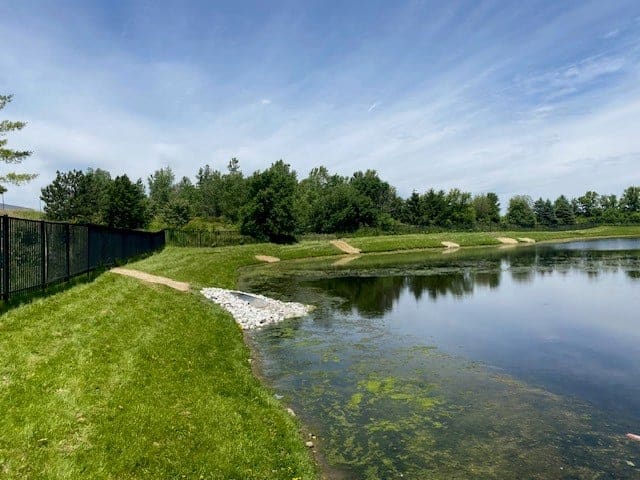
Once a permanent stormwater facility is in place, the City of Lubbock requires it to meet the design criteria in the Lubbock Drainage Criteria Manual or the Integrated Stormwater Management Manual. Runoff quality after development or redevelopment should not exceed pre development conditions, to the greatest extent practicable. The city also reserves the right to inspect these facilities to confirm they meet maintenance guidelines. AQUALIS can help property owners design and maintain facilities that meet these standards from day one.
Do I need a formal maintenance plan for my stormwater facility?
Yes. Owners of permanent stormwater facilities must submit an operations and maintenance plan to the city, following the requirements in the Drainage Criteria Manual. The plan needs to clearly identify who is responsible for keeping temporary and permanent best management practices (BMPs) working properly, and records of completed maintenance must be kept on site.
Who can be named as responsible for stormwater facility maintenance?
The operations and maintenance plan must identify one of the following as responsible:
- The property owner or the homeowner’s association, if the facility is part of a subdivision
- The city
- Any other party named in a written, signed agreement
What maintenance tasks are property owners expected to perform?
The maintenance plan needs to address several core tasks, including:
- Vegetation upkeep around the facility
- Debris removal
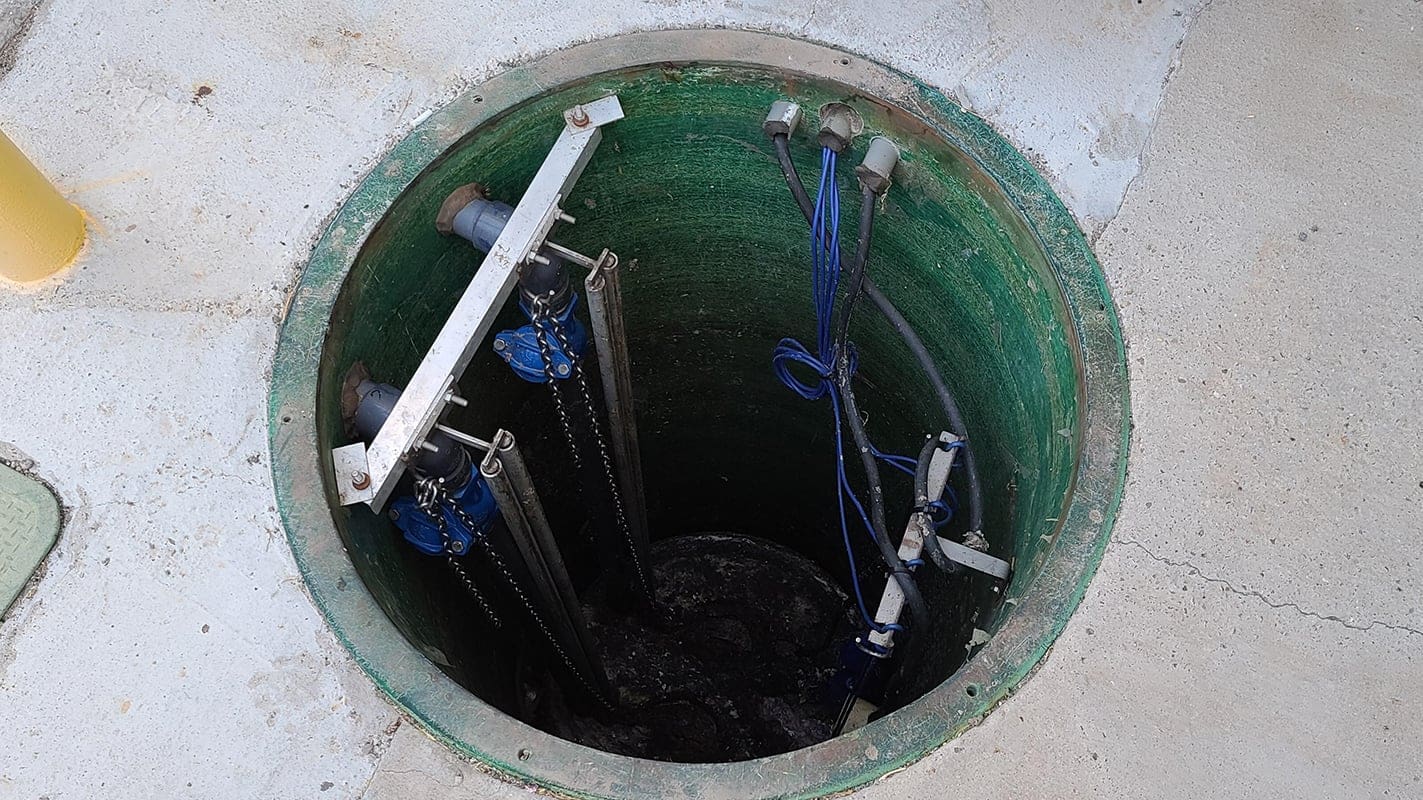
- Mechanical equipment checks
- Erosion and slope monitoring, to confirm the facility isn’t at risk of failure or safety violation
- Sediment removal
- Repair or replacement of any defective features
Owners must also dedicate maintenance easements so the city can safely access the facility for inspections and repairs. AQUALIS can help property owners build a maintenance plan that covers all of these requirements.
What counts as a stormwater violation for a completed facility?
It’s unlawful to violate any provision of the city’s stormwater article or fail to meet its requirements, including conditions tied to an approved variance. This covers ongoing obligations like maintaining BMPs and keeping a facility in proper working order, not just construction phase requirements.
What happens if my property is found in violation?
The stormwater engineer will serve written notice on the property owner, operator, or other responsible party. That notice specifies what needs to be fixed and the timeframe for fixing it. Missing that deadline is itself treated as a separate violation, subject to penalties.
What are the penalties for stormwater violations in Lubbock?
Violations can result in a fine of up to $2,000 per violation, per day. Each day a violation continues counts as a separate offense, and the owner, operator, and anyone else involved (such as an architect, builder, contractor, or agent) can each be found guilty separately. AQUALIS can help property owners resolve issues quickly to limit this kind of exposure.
Why does the city inspect construction sites and industrial facilities?
The state issues Lubbock’s own MS4 permit, and that permit requires the city to carry out inspections, surveillance, and monitoring to confirm permit compliance, including inspecting construction sites specifically. Local facility inspections are how the city meets this state level obligation.
The information on this page is provided for general informational purposes only and is not legal advice. Regulations change frequently — AQUALIS makes no warranty as to the accuracy or completeness of this content, and any reliance on it is at your own risk. Consult a qualified professional or your local regulatory authority to confirm requirements applicable to your specific property.