

Last Updated 08/04/2026
PART II - CODE OF ORDINANCES Chapter 36 - STORMWATER MANAGEMENT
ARTICLE V. STORMWATER MANAGEMENT INFRASTRUCTURE
Sec. 36-107. - Infrastructure defined.
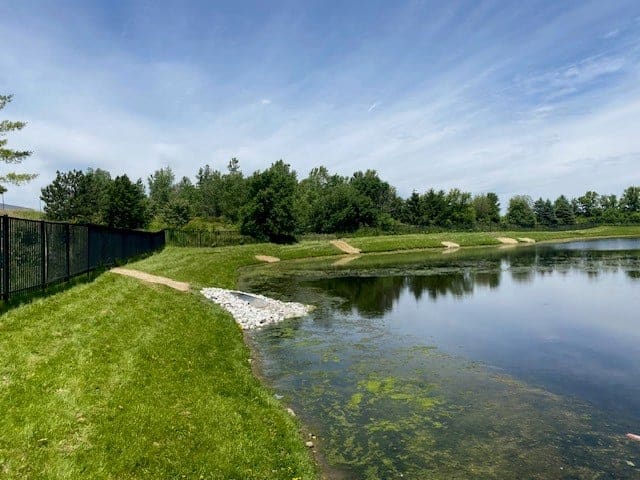
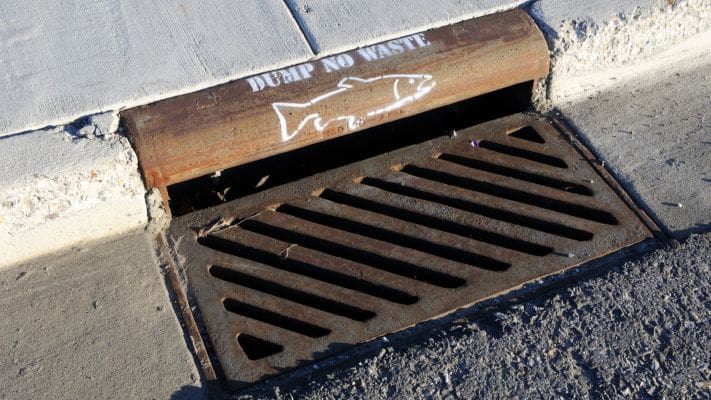
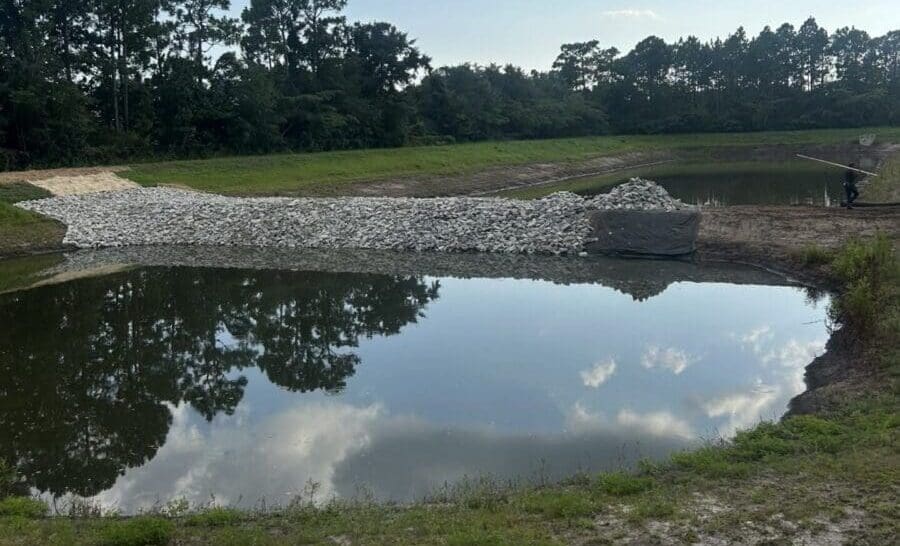
Stormwater management infrastructure consists of the entire physical system of stormwater management both publicly and privately owned. This system consists of both humanmade and natural components as well as rivers, streams, creeks, lakes, reservoirs, ponds, springs, wetlands, wells and includes features defined by the state as waters of the state.
Sec. 36-109. - Infrastructure maintenance.
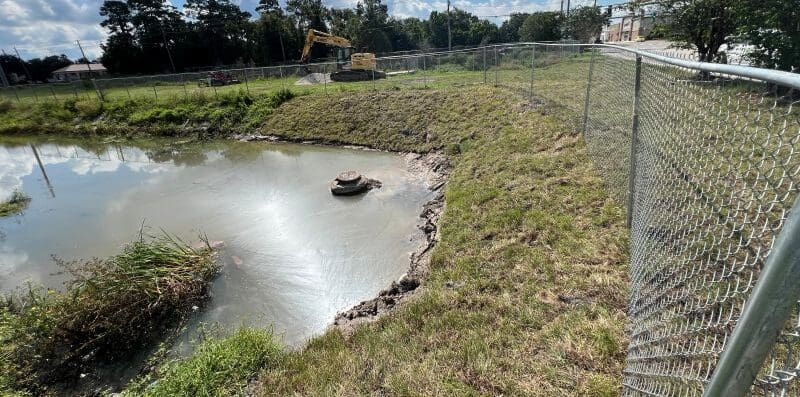
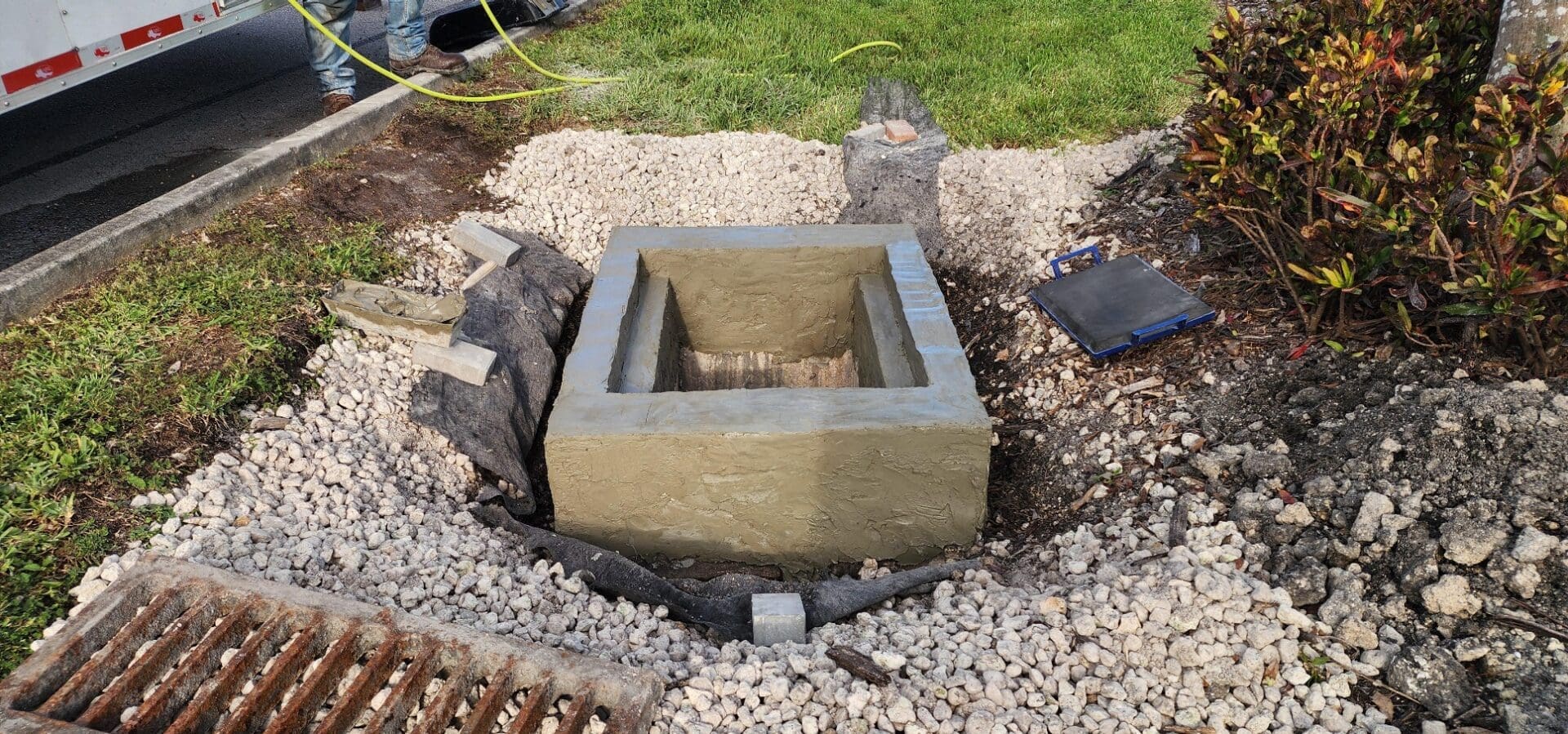
It shall be the responsibility of the property owner of record for the maintenance of stormwater infrastructure. Maintenance of stormwater infrastructure shall consist at minimum but not be limited to the following items: outlet cleaning, mowing, herbicide spraying, litter control, removal of sediment from basin and outlet control structures, and repair of drainage structures. All such activities shall be conducted in an environmentally sound manner and consistent with applicable codes, rules, and standards.
Sec. 36-110. - Maintenance responsibility of privately owned infrastructure.
(a) Any stormwater management facility, including buffers, that is privately owned shall receive general routine maintenance (i.e., controlling vegetative growth, removing sediment and debris) provided for by the owner.
(b) The owner shall maintain a perpetual right of access for inspection and emergency access by the county. The county has the right, but not the duty to enter premises for inspection and emergency repairs.
(c) Any stormwater management facility that services commercial and industrial development shall be maintained.
(d) Maintenance requirements may also be prescribed by a site-specific agreement between the owner or operator and the county. These agreements shall be based on an approved site design, a stormwater pollution prevention plan, an inspection program, a long-term maintenance plan, an emergency repair plan, easements, and proof or surety of financial responsibility. A sample agreement form is shown in section 36-34, facilities maintenance agreement. This form is illustrative and not strictly prescriptive. The county may amend its specific provisions as may be appropriate.
(e) If privately owned infrastructure is not maintained, the manager may assess a fine on the private owner as detailed in article II of this chapter. Such a fine shall be used for cost recovery, to abate damages, and to restore impacted areas.
ARTICLE VI. - STORMWATER DISCHARGES FROM REGULATED INDUSTRIAL SOURCES
Sec. 36-134. - Industrial facility defined.
The following words, terms and phrases, when used in this article, shall have the meanings ascribed to them in this section, except where the context clearly indicates a different meaning:
Industrial facility means a facility defined as industry by EPA rule, or subject to the state multisector permit (TMSP) for stormwater discharges associated with industrial activity.
Sec. 36-135. - Inspections.
Inspections shall be conducted in the same manner as the manager is authorized by this chapter to conduct inspections for illicit discharges.
Sec. 36-138. - Sampling at industrial facilities.
(a) Samples of stormwater collected for compliance monitoring shall be representative of the discharge. Sampling locations shall be those defined in the state multisector permit or an NPDES permit. Sampling and analyses shall be in accordance with 40 CFR 122.21 and 40 CFR 136 and/or applicable permit language.
(b) Samples that may be taken by the manager and/or his designated representatives for the purpose of determining compliance with the requirements of this article or rules adopted hereunder may be split with the discharger if requested before the time of sampling.
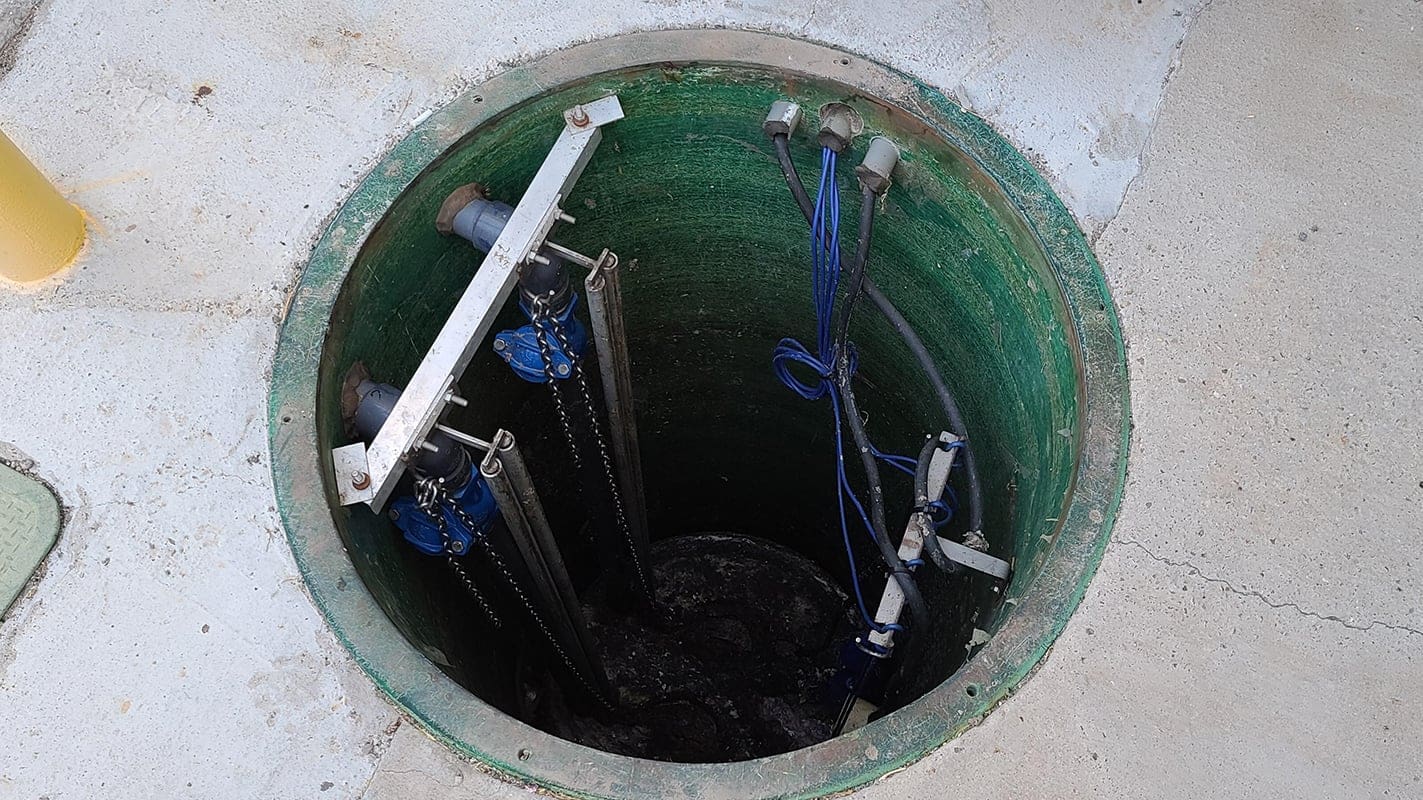
(c) The manager may require a stormwater discharger to install and maintain at the discharger’s expense a suitable manhole or sampling facility at the discharger’s facility or suitable monitoring access to allow observation, sampling, and measurement of all stormwater runoff being discharged into the county storm sewer system. Sampling manhole or access shall be constructed in accordance with plans approved by the manager and shall be designed so that flow measurement and sampling equipment can be installed. Access to the manhole or monitoring access shall be available to the manager and/or his designated representatives at all times.
Sec. 36-139. - Reporting.
(a) Any facility required to sample under either the state TMSP or an NPDES stormwater permit shall provide a copy of the monitoring report to the manager.
(b) The manager may require reporting by dischargers of stormwater runoff to the stormwater system, where an NPDES stormwater permit is not required, to provide information. This information may include any data necessary to characterize the stormwater discharge.
View State Page
Frequently Asked Questions
What is a Post Construction Runoff Control Plan, and do I need one in Memphis?
Yes, if your development or redevelopment requires an Operation and Maintenance Agreement. The Post Construction Runoff Control (PCRC) Plan is a component of that agreement, describing your stormwater system and its components, an inspection schedule, and a schematic for each best management practice (BMP). It’s designed to help property owners know exactly what’s on their property, facilitate inspections, qualify for stormwater fee credits, and keep BMPs like detention and retention ponds properly maintained. AQUALIS can help property owners put together a PCRC Plan that covers all of these bases.
Who maintains privately owned stormwater infrastructure in Memphis and Shelby County?
The property owner is responsible for general routine maintenance, including controlling vegetative growth and removing sediment and debris. Owners must also maintain a perpetual right of access so the county can inspect and perform emergency repairs, though the county has the right, not the obligation, to do so. Facilities serving commercial and industrial development must be maintained as well.
Do I need a site-specific maintenance agreement for my stormwater facility in Memphis?
Often, yes. Maintenance requirements can be prescribed through a site-specific agreement between the property owner and the county, built around your approved site design, stormwater pollution prevention plan, inspection program, long-term maintenance plan, emergency repair plan, and proof of financial responsibility for the work.
What happens if I don't maintain my stormwater infrastructure in Memphis or Shelby County?
If privately owned infrastructure isn’t properly maintained, the county manager can assess a fine on the owner. That fine goes toward cost recovery, abating damages, and restoring any impacted areas. Staying on top of routine maintenance is the simplest way to avoid this kind of cost, and AQUALIS can help set up a maintenance routine that meets the county’s standards.
What ongoing maintenance tasks are expected for detention and retention facilities in Memphis?
Property owners or property owners’ associations must keep these facilities functioning as intended, which includes:
- Mowing grass areas at least every four weeks during the growing season
- Removing leaves, litter, and other debris promptly
- Keeping facilities free of brush, trees, or other growth that could impair function, without new plantings unless approved by the city or county engineer
- Maintaining concrete and other structures, replacing anything damaged
Do I need to report on my stormwater facility's condition each year in Memphis?
Yes. Property owners or their associations must submit an annual inspection and maintenance report by July 1 each year. While inspections after storm events or monthly checks can be done by the owner or a representative, the required annual inspection must be conducted by a registered engineer, who verifies the facility has enough temporary storage volume and that the outlet control structure is clear and in good repair. Any deficiencies found must be promptly reported to the city or county, along with a proposed plan and schedule for repairs.
How often do underground detention facilities need to be inspected in Memphis?
At least twice per year. These inspections determine whether cleaning, sediment removal, or other maintenance is needed, and any required work should be completed promptly to keep the facility operating properly.
Is there a stormwater utility fee for properties in Memphis, Tennessee?
Yes. The fee is based on units of 3,147 square feet of impervious area. Property owners calculate their monthly fee by dividing their impervious area by that unit size and multiplying by the rate, which was $4.02 as of January 2013. Property owners can also qualify for fee adjustments and credits by implementing structural or nonstructural BMPs, under a Fee Adjustment and Credit Manual the city issued for this purpose. AQUALIS can help property owners identify which BMPs would qualify for these credits.
The information on this page is provided for general informational purposes only and is not legal advice. Regulations change frequently — AQUALIS makes no warranty as to the accuracy or completeness of this content, and any reliance on it is at your own risk. Consult a qualified professional or your local regulatory authority to confirm requirements applicable to your specific property.