
Last Updated 04/11/2026
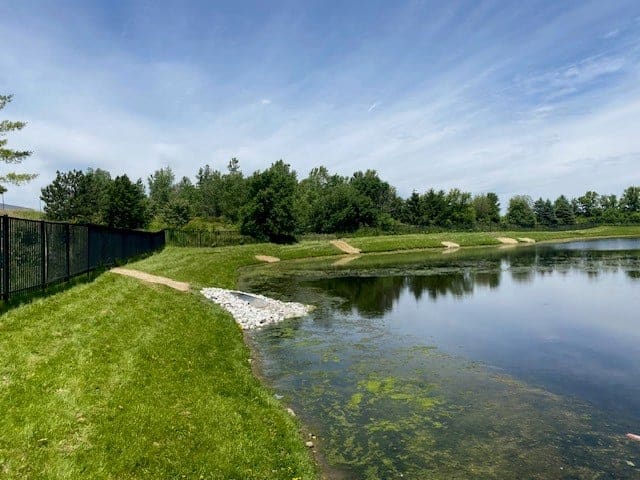
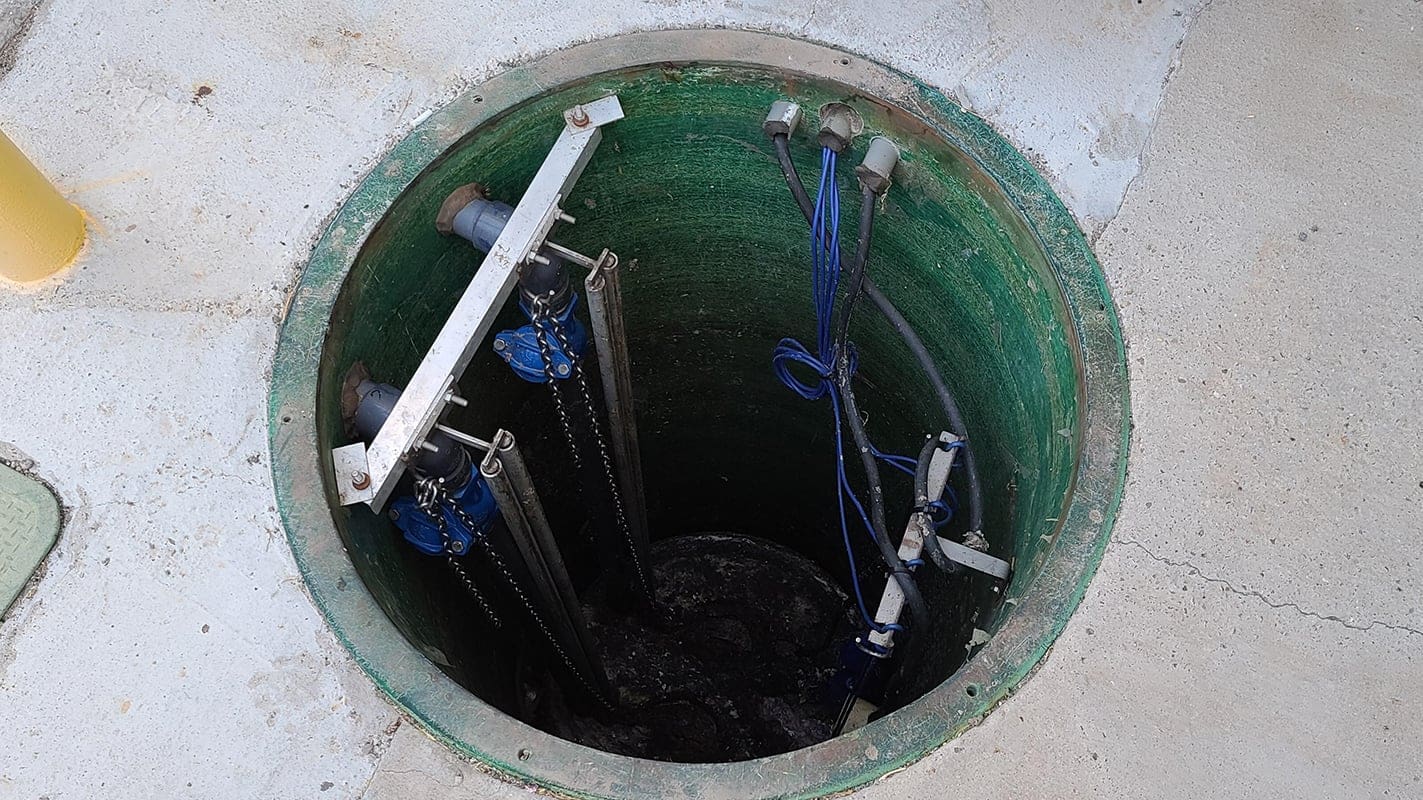
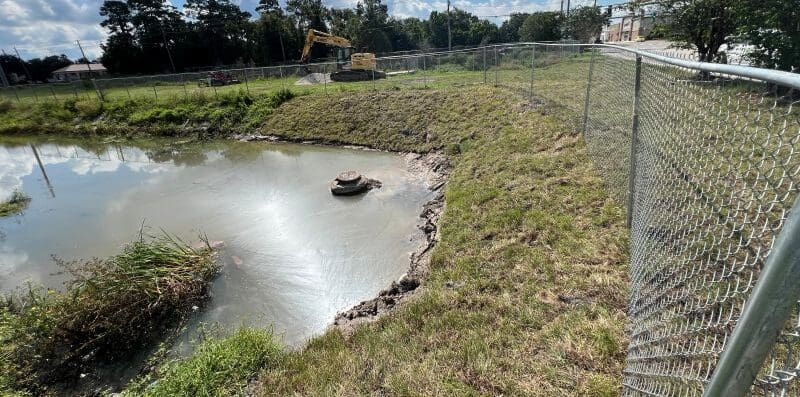
The City of Miami is in compliance with the Federal Clean Water Act. The City of Miami is the permitting authority for all land disturbing activities and requires the land owner to maintain all on-site stormwater control facilities and all open space areas (e.g. parks or “green” areas) required by the approved stormwater control plan. The City of Miami will only provide construction permits to projects that establish a plan to manage stormwater runoff occurring during the construction process. Stormwater fees will be calculated and collected by the city. The City of Miami, under the NPDES program, also has the authority to inspect properties for noncompliance and can issue a notice of violation (NOV) for any deficiency or infraction onsite. Property owners are responsible for the maintenance of any stormwater facilities or practices located on the property. The City of Miami has the authority to inspect stormwater facilities and practices in order to ascertain that they properly maintained and functioning.
Obtaining and NPDES Permit
Are you performing construction or demolition that will be disturbing 0.5 acres (21,780 square feet) or more of total land area? If so, a City of Miami N.P.D.E.S. (National Pollutant Discharge Elimination System) permit is required for compliance with Florida Statutes. All methods of construction shall comply with all applicable federal, state, and local laws as required by the City of Miami’s MS4 (Municipal Separate Storm Sewer System) and City Ordinance 13081. To obtain a City of Miami NPDES permit, the SWPPP, the initial NPDES inspection fee and the FLR letter if needed are required.
Miami Stormwater Inspection Schedule
A property owner must have an inspection schedule for all erosion, stormwater, and sediment control measures or best management practices (BMPs): A qualified person procured by the applicant must perform erosion, sediment and stormwater pollution prevention inspections at least weekly and within 24 hours after every rain event of one-half inch or more for sites less than five acres. Sites greater than five acres must be inspected at least weekly and within 24 hours after every rain event of one-quarter inch or more. Maintenance must be performed within one week of the first inspection that indicates such maintenance is required.
Miami Stormwater Inspection Schedule
Stormwater Utility fees are assigned to all developed residential and non-residential properties and are determined as a function of equivalent residential units (ERU) for residential properties and by determining the impervious area for non-residential properties.
To determine the Stormwater Utility fee for non-residential properties, take the total square footage of the property’s impervious surfaces, divide by 1,548 (the size of one ERU) and multiply by $5 (the cost of one ERU). As an example, a non-residential property with a total impervious area of 4,644 square feet would pay $15 per month in Stormwater Utility fees (using this calculation: 4,644 / 1,548 X $5 = $15)
View State Page
Frequently Asked Questions
How do I know if my stormwater system is at risk in Miami?
The physical warning signs still apply: standing water past 72 hours, erosion, sinkholes, discolored discharge. Miami adds a specific trigger for active construction sites, since any project disturbing half an acre or more requires a City of Miami NPDES permit, and properties under that permit have to maintain a documented inspection schedule for every erosion, sediment and stormwater control measure onsite. If that schedule has lapsed or was never set up, the property is already out of compliance regardless of how the system looks physically.
How does stormwater compliance affect property value in Miami?
Miami calculates its stormwater utility fee for non-residential properties by dividing total impervious area by 1,548 square feet and multiplying by $5 per equivalent unit, so a property’s paved and roofed footprint translates directly into a recurring monthly cost. Buyers evaluating a Miami property increasingly factor that fee alongside any open NPDES compliance issues, since an active construction or redevelopment plan on the site could trigger new permit obligations the moment ground is disturbed.
How often does Miami require stormwater inspections?
For active construction sites under an NPDES permit, the standard is strict: a qualified person has to inspect erosion, sediment and stormwater controls at least weekly, and within 24 hours of any rain event of half an inch or more on sites under five acres, or a quarter inch or more on sites over five acres. Any maintenance that inspection turns up has to happen within one week. Outside of active construction, the city retains ongoing authority to inspect any stormwater facility to confirm it’s properly maintained and functioning.
What are the most common stormwater violations in Miami?
On active construction sites, the most common finding is a missing or incomplete inspection log, since the city expects documented weekly checks and rain-triggered follow-ups, not just a plan on file. On developed properties, the violations AQUALIS sees most often are the familiar ones: overgrown vegetation, sediment buildup that eats into pond capacity, and clogged or damaged inlets and outlets that keep a system from functioning as designed.
What happens if my property is found in violation of Miami's stormwater ordinance?
Under the NPDES program, the city can issue a notice of violation for any deficiency or infraction it finds onsite, and property owners remain responsible for maintaining every stormwater facility and practice on their land regardless of who caused the problem. For construction sites, failing to keep up with the required inspection and maintenance schedule is itself a compliance issue, separate from whatever physical condition the inspection would have caught. AQUALIS helps Miami property owners set up compliant inspection schedules and resolve open violations before they escalate.
The information on this page is provided for general informational purposes only and is not legal advice. Regulations change frequently — AQUALIS makes no warranty as to the accuracy or completeness of this content, and any reliance on it is at your own risk. Consult a qualified professional or your local regulatory authority to confirm requirements applicable to your specific property.