

Last Updated 07/24/2026
Code of Ordinances
Chapter 41.1 Stormwater Management
Sec. 41.1-2.- Violations of chapter
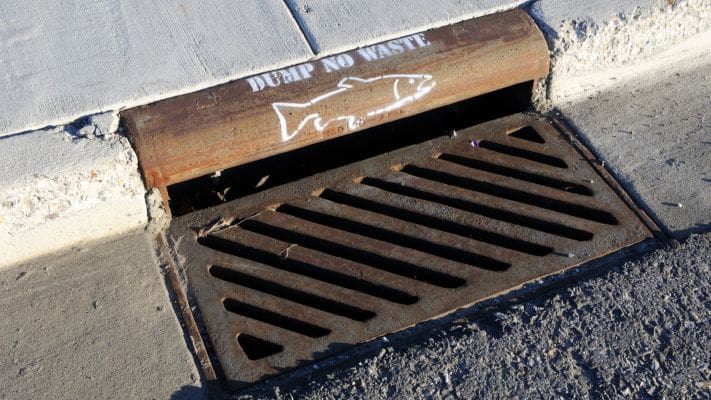
Compliance with the City of Norfolk stormwater regulations is required to ensure the general health, safety, and welfare of the citizens of the City of Norfolk (City) and protect the quality of state waters from the potential harm of unmanaged stormwater runoff, including protection from a land disturbing activity causing unreasonable degradation of properties, water quality, stream channels and other natural resources, and, in accordance with Code of Virginia, § 62.1-44.15:27, to establish procedures whereby stormwater requirements related to water quality and quantity shall be administered and enforced. Stormwater runoff is flow overland from precipitation that accumulates in and flows through natural or man-made conveyance systems during rainfall events or from snowmelt.
As a Phase I MS4 the City of Norfolk is required by the Chesapeake Bay Preservation Act to address post construction runoff from new development or redevelopment. Stormwater best management practices (BMPs) are installed to ensure water quality and quantity standards are met to reduce pollution and flooding.
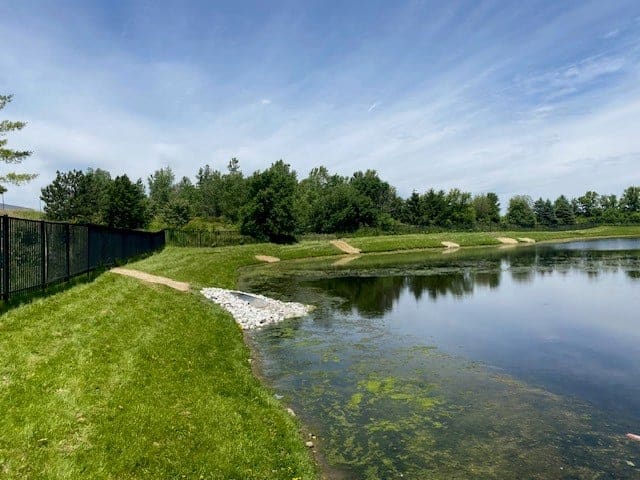
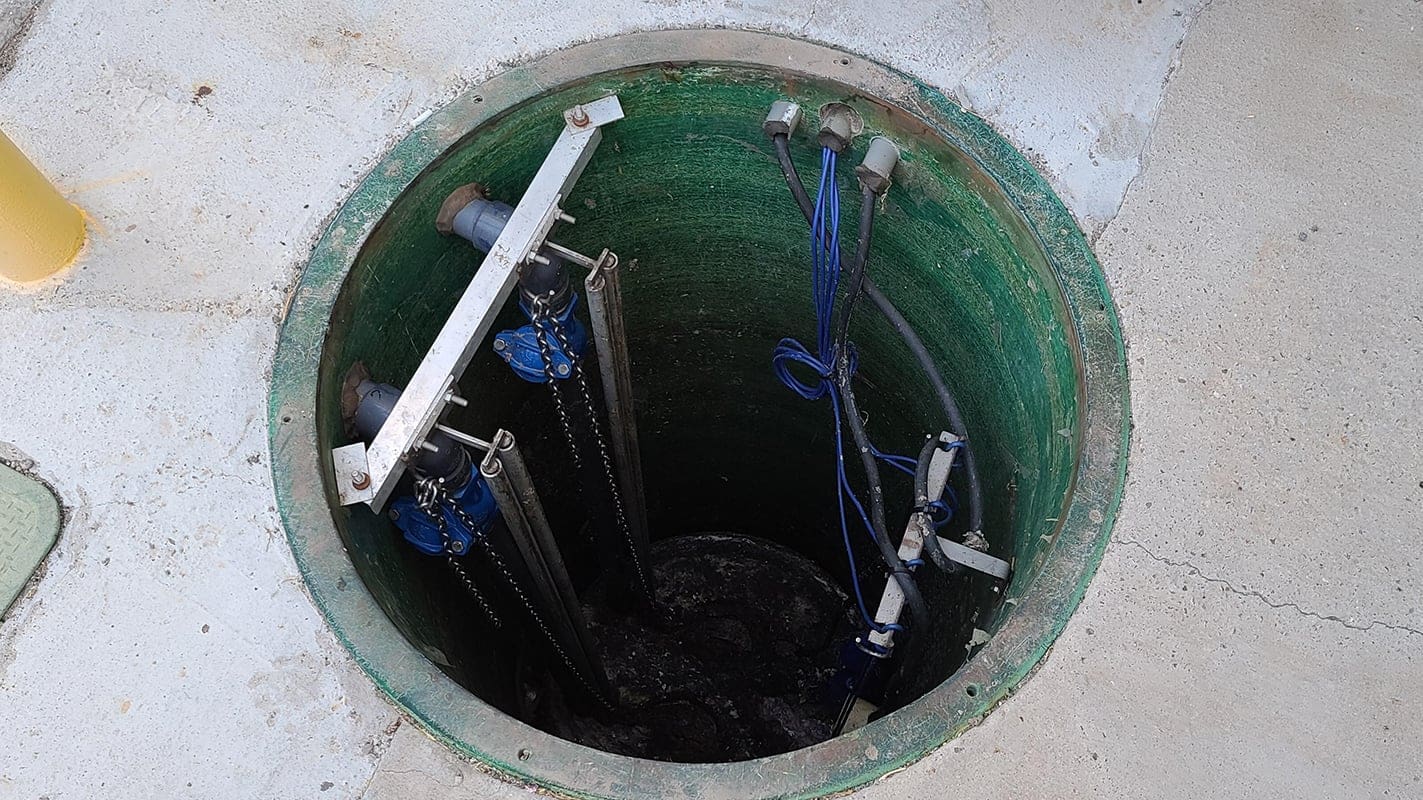
Structural BMPs are designed to be permanent facilities that collect stormwater runoff to remove pollutants prior to releasing the water to a local waterway. Some examples of BMPs include, but are not limited to, detention basins, retention basins, infiltration practices, bioretention basins, manufactured systems, and grassed swales.
BMPs are to be maintained by owners to ensure they are functioning as designed. To ensure BMPs are maintained, inspections of BMPs are conducted by a City of Norfolk inspector on an annual basis. BMPs are inspected according to the Virginia Stormwater Management Handbook and approved site plans.
Any person who violates any provision of this chapter or any regulation promulgated pursuant to authority granted in this chapter shall be guilty of a class 1 misdemeanor. Each day of violation shall constitute a separate offense. In addition to any penalty imposed for each violation, a judge hearing the case may direct the person responsible for the violation or the property owner to correct the violation and each days default in such correction shall constitute a violation of and a separate offense under this section.
Sec. 41.1-5. – Failure to install or maintain stormwater best management practice.
It shall be unlawful to neglect or fail to install or maintain a stormwater best management practice as shown on an approved site plan where the stormwater best management practice has been reviewed and approved by the stormwater management division of the department of public works.
Stormwater Fees
In 1991, the City was issued a Municipal Separate Storm Sewer System (MS4) Permit by the Virginia Department of Environmental Quality that regulates stormwater runoff.
The permit outlines the required best management practices (BMPs) and programs that must be implemented to prevent pollution, reduce flooding, and maintain the public stormwater infrastructure. With the issuance of this permit, the City introduced the Storm Water Fee Program.
View State Page
Frequently Asked Questions
What is stormwater compliance in the City of Norfolk?
Stormwater compliance in Norfolk means following Chapter 41.1 of the City Code, which establishes requirements to protect the health, safety, and welfare of Norfolk residents and to prevent unmanaged stormwater runoff from degrading properties, water quality, stream channels, and other natural resources.
As a Phase I MS4 permittee and under the Chesapeake Bay Preservation Act, Norfolk is required to address post-construction runoff from new development and redevelopment. This means that when a stormwater BMP such as a detention basin, bioretention area, infiltration practice, or grassed swale is installed as part of an approved site plan, the property owner is responsible for keeping it functioning as designed. The City collects a stormwater fee to fund its MS4 permit obligations and public infrastructure maintenance.
Who is responsible for BMP maintenance in Norfolk?
Property owners are responsible for maintaining all stormwater BMPs shown on their approved site plan. This obligation applies for as long as the BMP exists on the property. It is unlawful under Chapter 41.1 to neglect or fail to maintain a BMP that has been reviewed and approved by the City’s Stormwater Management Division.
The maintenance obligation is tied to the property, not the owner at the time of original approval. If you acquired a property with approved stormwater BMPs on site, those maintenance responsibilities are yours. AQUALIS can assess your BMPs, establish a maintenance program, and keep your facilities in the condition the City expects to find during inspections.
How often does Norfolk inspect stormwater BMPs?
The City of Norfolk inspects stormwater BMPs on an annual basis. Inspections are conducted by a City inspector using the Virginia Stormwater Management Handbook and the approved site plan for each property as the standard against which the facility is evaluated.
Because inspections occur every year, there is no extended gap between reviews during which maintenance can be deferred without risk. AQUALIS recommends conducting your own inspection before the City’s annual visit so that any deficiencies can be identified and addressed before they become findings.
How do I know if my Norfolk stormwater system is at risk of failure or safety violation?
Watch for these warning signs.
Your BMP is not functioning as shown on the approved site plan. Norfolk’s annual inspection evaluates each facility against the approved site plan. Anything that has changed from the approved design, including reduced storage capacity, modified outlet structures, or altered drainage patterns, is likely a finding.
Water is not draining after rain. Standing water beyond the designed drawdown period for your BMP type suggests the facility is not performing as required. Bioretention areas, infiltration practices, and wet ponds each have specific performance expectations under the Virginia Stormwater Management Handbook.
Visible sediment buildup, overgrowth, or structural deterioration. These are the most common findings during City inspections. Detention and retention basins that have accumulated significant sediment lose storage capacity. Bioretention areas with compacted or failing media cannot infiltrate. Grassed swales that are eroded or overgrown with invasive vegetation are not functioning as designed.
The annual City inspection has not occurred and you have not been contacted. If a BMP on your property is on the City’s inspection schedule and you have not been notified of an upcoming inspection, confirming your facility is on the list and in good condition is worth doing proactively.
Recent property purchase. BMP maintenance obligations in Norfolk follow the property. If you recently acquired a commercial property with approved stormwater facilities and are unsure of their condition or maintenance history, an AQUALIS assessment can clarify what is required before the City’s next annual inspection.
The information on this page is provided for general informational purposes only and is not legal advice. Regulations change frequently — AQUALIS makes no warranty as to the accuracy or completeness of this content, and any reliance on it is at your own risk. Consult a qualified professional or your local regulatory authority to confirm requirements applicable to your specific property.