

Last Updated 07/21/2026
Excerpt from Storm and Surface Water Plan
1.1 Storm & Surface Water Utility
The purpose of Olympia’s Storm and Surface Water Utility is to protect public and environmental health by ensuring that surface water runoff is collected and conveyed to streams, rivers, and Puget Sound with the aim of reducing the frequency and severity of flooding, improving water quality, and protecting, enhancing, and restoring aquatic habitat.
The Utility plans and manages the built and natural storm and surface water system to achieve the Natural Environment and Utilities goals of the Olympia Comprehensive Plan (see Chapter 5).
The Utility operates within the Public Works Department as part of the Water Resources line of business, which includes the Wastewater and Drinking Water utilities (see Chapter 3). It works in cooperation with other City departments, neighboring jurisdictions, state and regional agencies, and the public.
Excerpt from City of Olympia Code of Ordinance
13.16.040 Discharge or connection to the storm drainage system
A. All stormwater facilities that discharge to the storm drainage system must be inspected by the Public Works Department prior to final approval or occupancy to ensure proper installation of such stormwater facilities.
B. The construction, use, maintenance, or continued existence of illicit connections to the MS4, is prohibited. This prohibition expressly includes, without limitation, illicit connections made in the past, regardless of whether the connection was permissible under law or practices applicable or prevailing at the time of connection. A person is in violation of this chapter when that person connects a line conveying sewage to the MS4 or allows such a connection to continue.
C. If, after notice and opportunity to cure as provided in OMC 4.44.030, the owner does not abate the illicit connection(s) as directed by the City, the City may abate such connection(s) and bill the owner for all reasonable costs. Any delinquent payments constitute a lien on the parcel.
D. If the discharge is occurring from a vehicle, trailer, or other mobile equipment or a vehicle, trailer, or other mobile equipment is blocking access to any public facility for testing and cleanup of a discharge, the vehicle or equipment is subject to being tagged by Parking or Code Enforcement staff and a warning issued to the owner, agent, lessee, or other person occupying or having charge or control of the equipment or vehicle requiring access to said public facility that may be blocked immediately. Failure to do so may result in removal by the City at the owner’s expense and will be a violation per OMC 13.16.180 and subject to OMC 10.16.030.
13.16.045 Pollution prevention requirements
A. Any person, business, or entity storing or using materials containing contaminants in any manner that may result in a prohibited discharge shall implement the source control BMPs described in the Drainage Design and Erosion Control Manual.
B. Any person operating a facility or performing an activity described in the Drainage Design and Erosion Control Manual shall implement the source control BMPs described therein for the facility or activity.
C. Full implementation of all stormwater BMPs required by an NPDES industrial stormwater permit or State Waste Discharge Permit constitutes compliance with this section.
D. Full implementation of the source control BMPs described in subsections A through C of this section constitutes the minimum required actions an owner, occupant, or operator of real property must take toward preventing prohibited discharges from the real property. Full implementation of the BMPs required by this section does not exempt a person from also complying with any other requirement of this chapter.
E. Technical assistance and education may be provided by stormwater staff.
F. If an illicit discharge occurs through failure to implement effective BMPs, the City may take enforcement action as described in OMC 13.16.180.
13.16.150 Right of entry for inspection, code enforcement and repair
Whenever necessary to make an inspection to enforce any provision of this chapter, or whenever there is reasonable cause to believe there exists a violation of this chapter upon a parcel within the jurisdiction of the City, any authorized official of the City may, upon presentation of proper credentials and consent of any owner or occupant, enter such parcel at all reasonable times to inspect the same or to perform any duty imposed upon him or her by this chapter. If no owner or occupant consents to entry, the official may apply to any court of competent jurisdiction for an order allowing such entry.
13.16.170 Stormwater facility maintenance
Parcel owners shall inspect all stormwater facilities located on their parcels and maintain the facilities in accordance with the Manual, so they function as designed.
If the City determines that maintenance or repair is required for a stormwater facility on a parcel not owned by the City, the City shall notify the owner of the parcel of the specific maintenance or repair required. The City shall set a reasonable time in which such work is to be completed by the person given notice. The owner shall complete the maintenance or repair within the time for completion established by the City. If the required maintenance or repair is not completed within the time set, the City will notify the owner that the City intends to perform the maintenance or repair and to bill the owner for the expenses incurred. The expenses charged to the owner become a charge on the owner’s storm drainage service charge bill and may be collected by the City in the manner authorized for collection of such bills.
If at any time the City determines that a stormwater facility on private property creates an imminent threat to public health or welfare, the City may take immediate measures to remedy such threat, without providing notice to the owner.
City of Olympia Water Resources Website
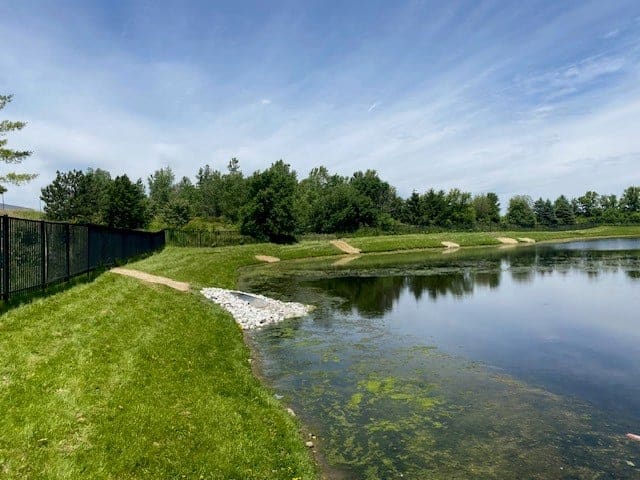
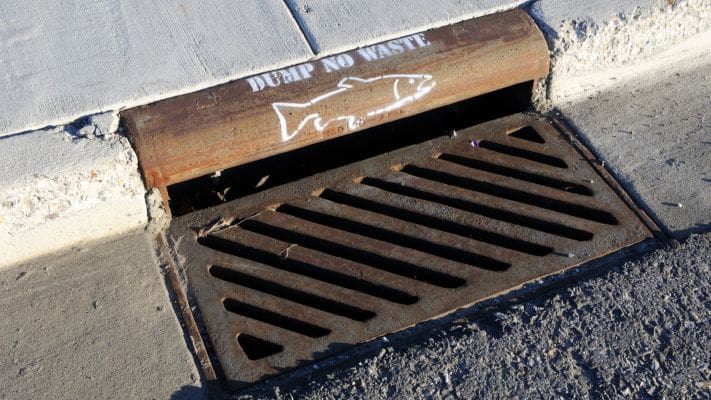
Stormwater systems are the infrastructure that capture and transport stormwater runoff before it flows into our streams, lakes and Puget Sound. Private stormwater systems often include features such as stormwater ponds, swales, ditches, pipes, catch basins and sometimes filters.
Property owners are responsible for cleaning and maintaining their private stormwater system and must submit a stormwater facility maintenance summary form and required documentation by August 31 of each year.
To keep your stormwater system functioning properly and stay in good standing with your City agreement, follow these steps:
1. Inspect your stormwater system
Select the appropriate sections from the Stormwater Facility Checklist that apply to your system.
2. Perform maintenance and fix problems
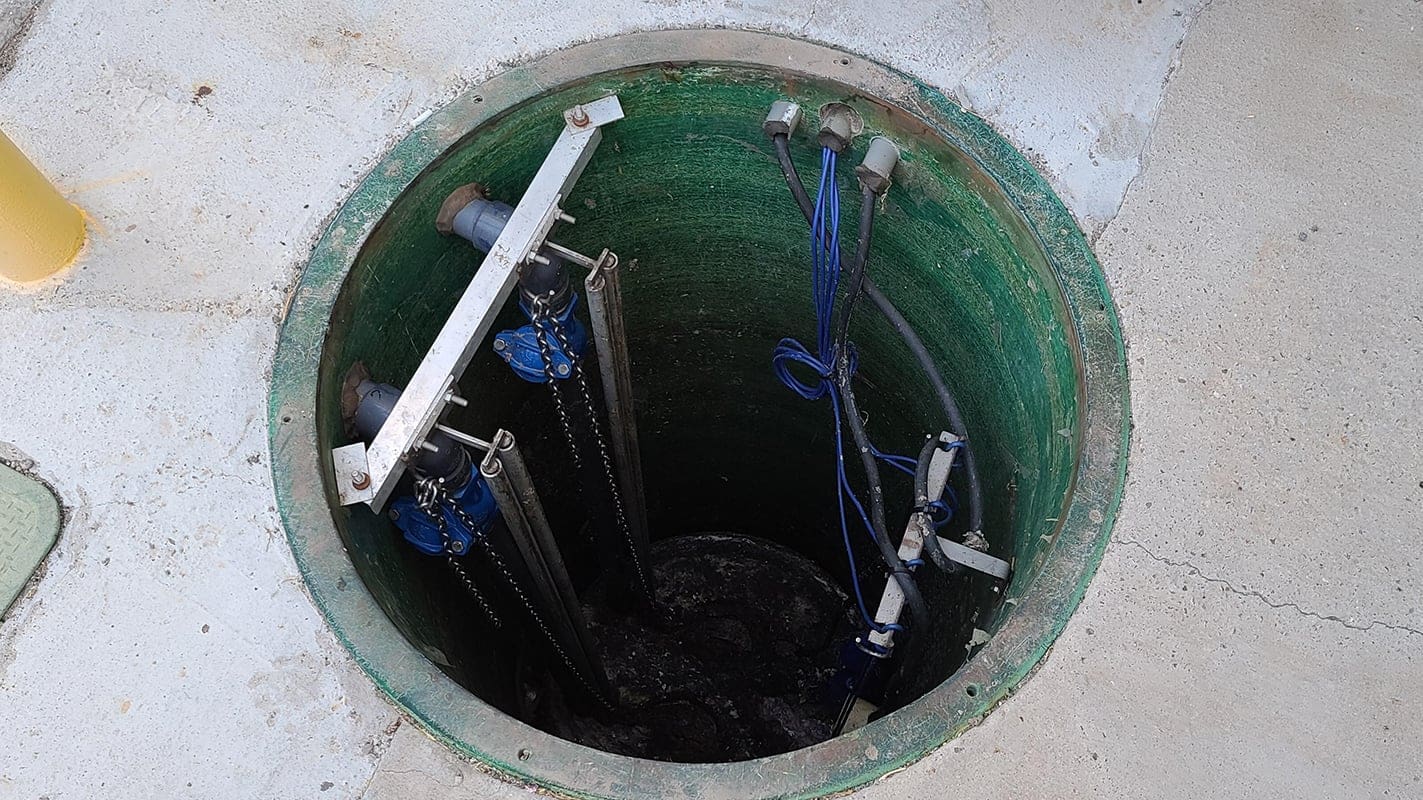
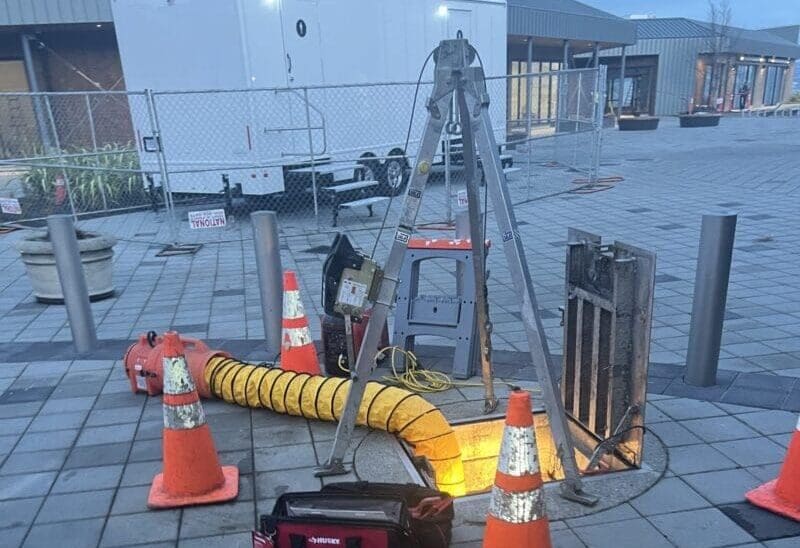
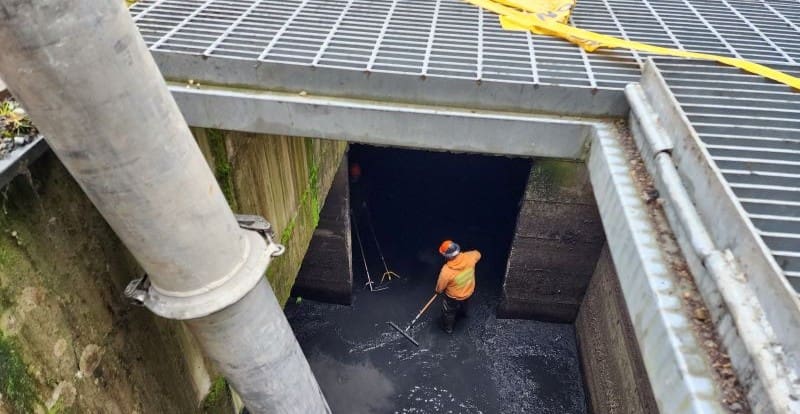
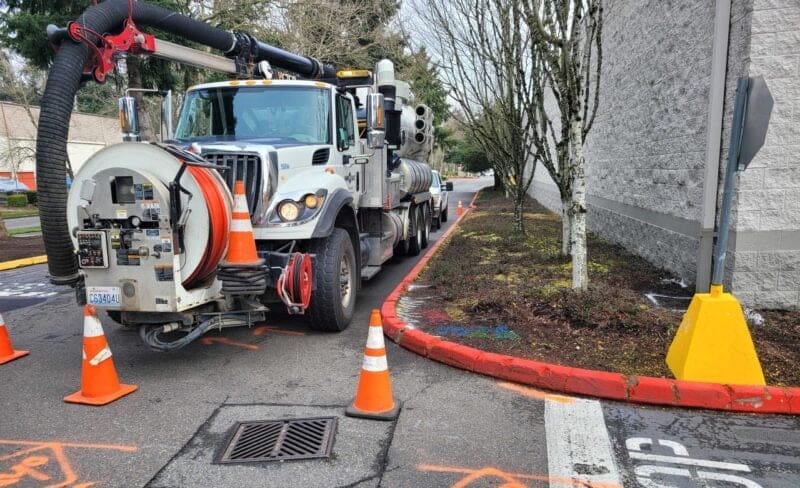
Some maintenance requires a qualified or certified service professional, such as treatment vaults and filters (view inspection and maintenance specs). You may need to contact different contractors for different types of services.
3. Submit required documentation
Complete the summary form and return it with checklists, invoices and photos. See website for more details.
View State Page
Frequently Asked Questions
What is stormwater compliance in the City of Olympia?
Stormwater compliance in Olympia means following the City’s stormwater ordinance, which sets minimum requirements for managing runoff on your property. The City is the permitting authority for all land disturbing activities and will only issue construction permits to projects with a stormwater management plan in place. All stormwater facilities must be inspected by the City’s Public Works Department before final approval or occupancy. Once construction is complete, property owners are responsible for maintaining all on-site stormwater facilities so they function as designed. The City operates under the NPDES program and can inspect properties and issue a Notice of Violation for any deficiency found on site.
Who is responsible for stormwater maintenance in Olympia?
Property owners are responsible for inspecting and maintaining all stormwater facilities on their parcels in accordance with the City’s Drainage Design and Erosion Control Manual. This includes ponds, swales, ditches, pipes, catch basins, and filter systems. It also includes implementing source control best management practices (BMPs) if your property stores or uses materials that could contaminate runoff, such as chemicals, fuels, or industrial materials.
The obligation is on the property owner, not the tenant. AQUALIS can handle your inspections, maintenance, and annual reporting requirements on your behalf.
What does Olympia require for annual stormwater reporting?
Olympia has one of the most clearly defined annual reporting requirements of any municipality. Each year, private stormwater facility owners must complete three steps and submit documentation to the City by August 31.
Step 1: Inspect your system. Use the City’s Stormwater Facility Checklist to inspect all components that apply to your property.
Step 2: Perform maintenance and fix problems. Some maintenance, such as treatment vaults and filter systems, requires a qualified or certified professional. You may need separate contractors for different system types.
Step 3: Submit documentation. Complete the City’s summary form and submit it with inspection checklists, invoices, and photos by August 31.
Missing the August 31 deadline puts you out of compliance with your City agreement. AQUALIS can manage the entire process, from inspection through documentation submission.
Why does stormwater maintenance matter for Olympia property owners?
Olympia’s ordinance gives the City a straightforward path to recover costs when property owners do not maintain their systems.
If the City determines maintenance or repair is needed on your property and you do not complete it within the timeframe the City sets, the City can perform the work itself and add the expense directly to your storm drainage service bill. Those charges are collected the same way utility bills are collected.
For imminent threats to public health or welfare, the City can take action immediately without giving you prior notice.
Illicit connections to the storm drainage system are also prohibited, including connections that were made in the past under older rules. If the City orders you to remove an illicit connection and you do not comply, the City can remove it and bill you for all reasonable costs, which then become a lien on your property.
How do I know if my Olympia stormwater system is at risk of failure or violation?
Watch for these warning signs.
You have not submitted your annual documentation. The August 31 deadline is a firm annual requirement. If you missed it or are unsure whether your submittal was accepted, that is an active compliance gap.
Water is not draining after rain. Standing water more than 72 hours after a storm suggests your system is not functioning as designed.
Visible deterioration. Sediment buildup in ponds or catch basins, overgrown vegetation in swales, clogged inlets or outlets, and any visible damage to pipes or structures are signs maintenance is overdue.
Your property stores or handles materials that could reach the drain. If you use chemicals, fuels, solvents, or other contaminants on your property and do not have source control BMPs in place, you may be in violation of Olympia’s pollution prevention requirements.
You have an old drain connection you are not sure about. Olympia’s ordinance prohibits illicit connections regardless of when they were made. If there is a legacy connection on your property that may be sending non-stormwater into the drainage system, it needs to be addressed.
Upcoming sale or change in ownership. Maintenance obligations and any outstanding compliance issues stay with the property. An AQUALIS assessment before a transaction can identify and resolve issues before they surface during due diligence.
The information on this page is provided for general informational purposes only and is not legal advice. Regulations change frequently — AQUALIS makes no warranty as to the accuracy or completeness of this content, and any reliance on it is at your own risk. Consult a qualified professional or your local regulatory authority to confirm requirements applicable to your specific property.