


Last Updated 07/29/2026
Excerpt from Bexar County Regulations for Stormwater Pollution Prevention
7.03 COMPLIANCE
Compliance with this Section will include adherence to the City of San Antonio’s Unified Development Code (UDC) Chapter 35, Section 35-504, attached as Exhibit A to these Regulations. Design criteria and requirements in UDC35 Section 35-504 include but not are limited to:
Regional Storm Water Management Program
Method of Computing Runoff
Drainage Easements and Rights-of -Way
Site Design and Grading
Storm Water Detention
Street Design
Drainage Channels and Water Courses
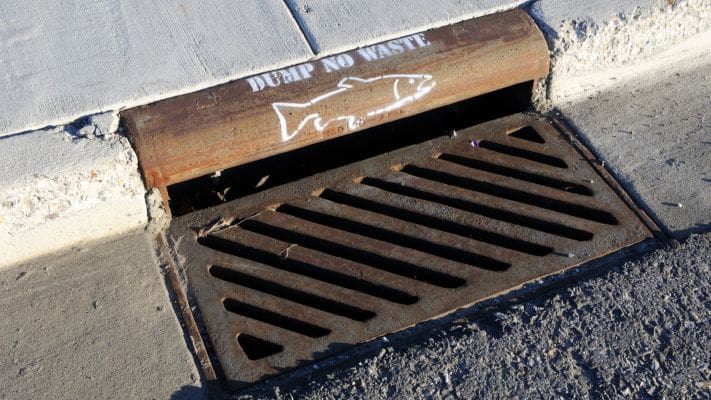
Storm Sewers
Inlets and Openings
7.04 PERMANENT ON-SITE FACILITIES
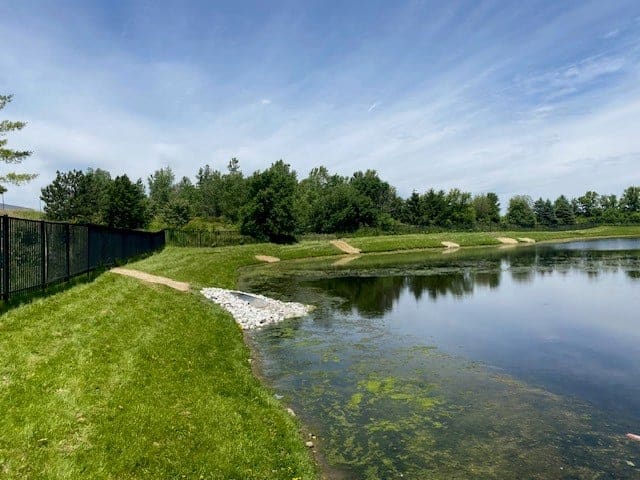
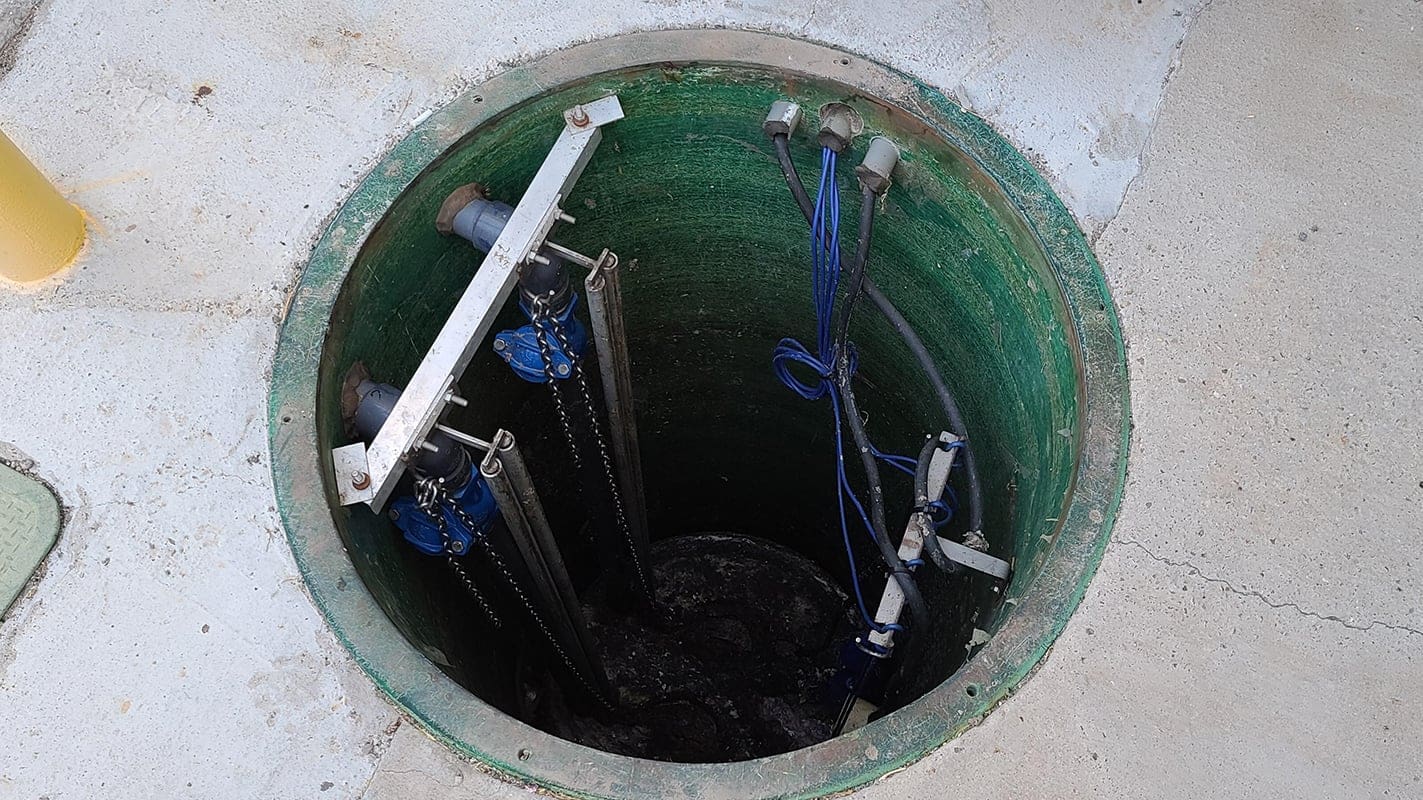
On-site detention facilities that are constructed as a requirement of UDC35, Section 35-504, must be privately owned and shall be maintained by the community association or property owner. A maintenance schedule shall be submitted to the Infrastructure Services Department as part of the SWP3 requirement.
7.05 INSPECTION
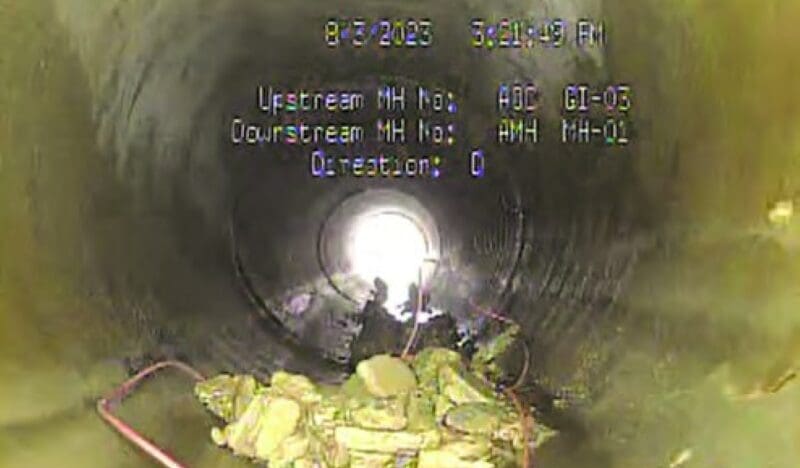
Bexar County will have the right to do periodic inspections of privately owned and maintained detention facilities to ensure that the maintenance schedule is being implemented. Bexar County will make periodic unannounced inspections of the facilities to insure compliance. If deficiencies are observed, a Notice of Violation will be sent to the community association or property owner responsible for maintenance.
Excerpt from Stormwater Design Criteria Manual
CHAPTER 2 DRAINAGE POLICY
The drainage policy for the City of San Antonio has changed over the years to provide for the orderly development of drainage improvements to enhance the health, safety, and welfare of its citizens, their property, and the environment. The City has implemented a comprehensive storm water management program through guidance provided by the Drainage Regulation Review Committee in February 1996 with a regional approach to meet the policies of the City Master Plan.
4.3 REGIONAL STORM WATER MANAGEMENT PROGRAM (RSWMP)
This section represents the policies of the RSWMP and understanding this section will enable the design engineer to provide utility and transportation infrastructure, capital improvement projects, public facilities, and development projects meeting the policies of the UDC.
4.3.1A RSWMP Overview
The City of San Antonio determined that regional storm water management is preferable to site-specific storm water mitigation. The regional storm water management program provides for the administration, planning, design, construction, and operational management of regional storm water facilities (RSWF). Regional storm water management uses a watershedwide approach to analyze potential flooding problems, identify appropriate mitigation measures and select site locations and design criteria for RSWF. These RSWF include, but are not limited to, regional detention and retention ponds, watershed protection, land purchase, waterway enlargement, channelization, and improved conveyance structures. The regional storm water management program allows developers to participate in the program rather than constructing the on-site detention controls required by this section, when the City has determined that the increased runoff from the proposed development will not produce a significant adverse impact to other properties.
4.3.3 Responsibility to Accept Storm Water
The owner or developer of property to be developed shall be responsible for the conveyance of all storm water flowing through the property. This responsibility includes the storm water flowing onto the property by any other developed property as well as the drainage naturally flowing through the property by reason of topography. Future upstream development shall be accounted for by assuming ultimate development when sizing drainage systems as specified in this section. Existing detention facilities may be accounted for in the ultimate analysis and shall be incorporated in the models if included.
4.3.5 Maintenance
Maintenance of publicly owned facilities will be the responsibility of the City. Maintenance of private facilities is the responsibility of the property owner or the community association and must be specified in the maintenance schedule submitted to the City. A maintenance schedule for both publicly owned and privately owned facilities must be approved by the Director of TCI prior to the approval of construction drawings.
4.3.6 Inspection
Authorized personnel from the City of San Antonio or Bexar County within the ETJ shall conduct periodic inspections of these facilities and structures. Any required repairs will be consistent with current construction standards. Maintenance issues identified by the City, County, or State during inspections shall be the responsibility of the current owner.
View State Page
Frequently Asked Questions
What triggers post construction stormwater requirements in this area?
Post construction rules apply to new development and redevelopment projects that disturb one acre or more, including projects that are part of a larger development or sale that will ultimately disturb one acre or more. These requirements apply to any application for a subdivision plat or master development plan.
Who owns and maintains an on-site detention facility once it's built?
If an on-site detention facility is required as part of your development, it must be privately owned and maintained by the property owner or the community association, not the city or county. A maintenance schedule for the facility must be submitted to the Infrastructure Services Department as part of the stormwater pollution prevention plan (SWP3) requirement.
Will the county inspect my privately owned detention facility?
Yes. Bexar County has the right to conduct periodic inspections of privately owned and maintained detention facilities to confirm the maintenance schedule is being followed. These inspections can be unannounced. If the county finds deficiencies, it will send a notice of violation to the community association or property owner responsible for maintenance.
Am I responsible for stormwater that flows onto my property from elsewhere?
Yes. Property owners and developers are responsible for conveying all stormwater flowing through their property, including water directed there by other developed properties and water that naturally flows through due to the site’s topography. Drainage systems must also be sized assuming full future development upstream, not just current conditions.
Who is responsible for maintaining stormwater facilities long term?
It depends on ownership:
- Publicly owned facilities: maintained by the city
- Privately owned facilities: maintained by the property owner or community association
Either way, a maintenance schedule must be approved by the Director of TCI (Transportation and Capital Improvements) before construction drawings are approved.
What happens if an inspection finds a maintenance issue?
Authorized personnel from the City of San Antonio, or Bexar County within its extraterritorial jurisdiction, conduct periodic inspections of these facilities. Any maintenance issues identified during an inspection become the responsibility of the current property owner to resolve, and repairs must meet current construction standards, helping confirm the facility isn’t at risk of failure or safety violation.
The information on this page is provided for general informational purposes only and is not legal advice. Regulations change frequently — AQUALIS makes no warranty as to the accuracy or completeness of this content, and any reliance on it is at your own risk. Consult a qualified professional or your local regulatory authority to confirm requirements applicable to your specific property.