

Last Updated 08/11/2026
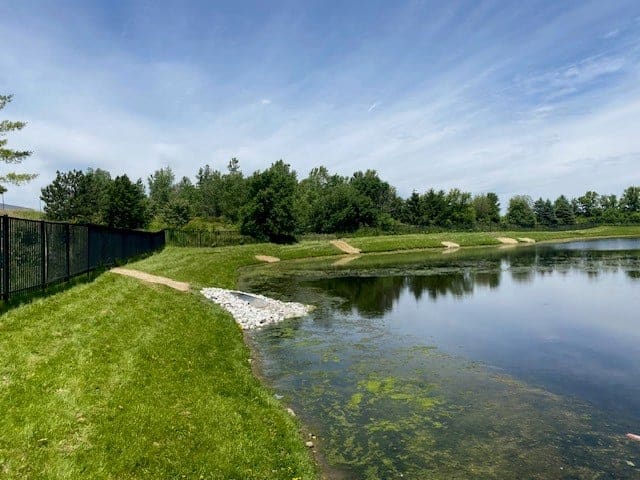
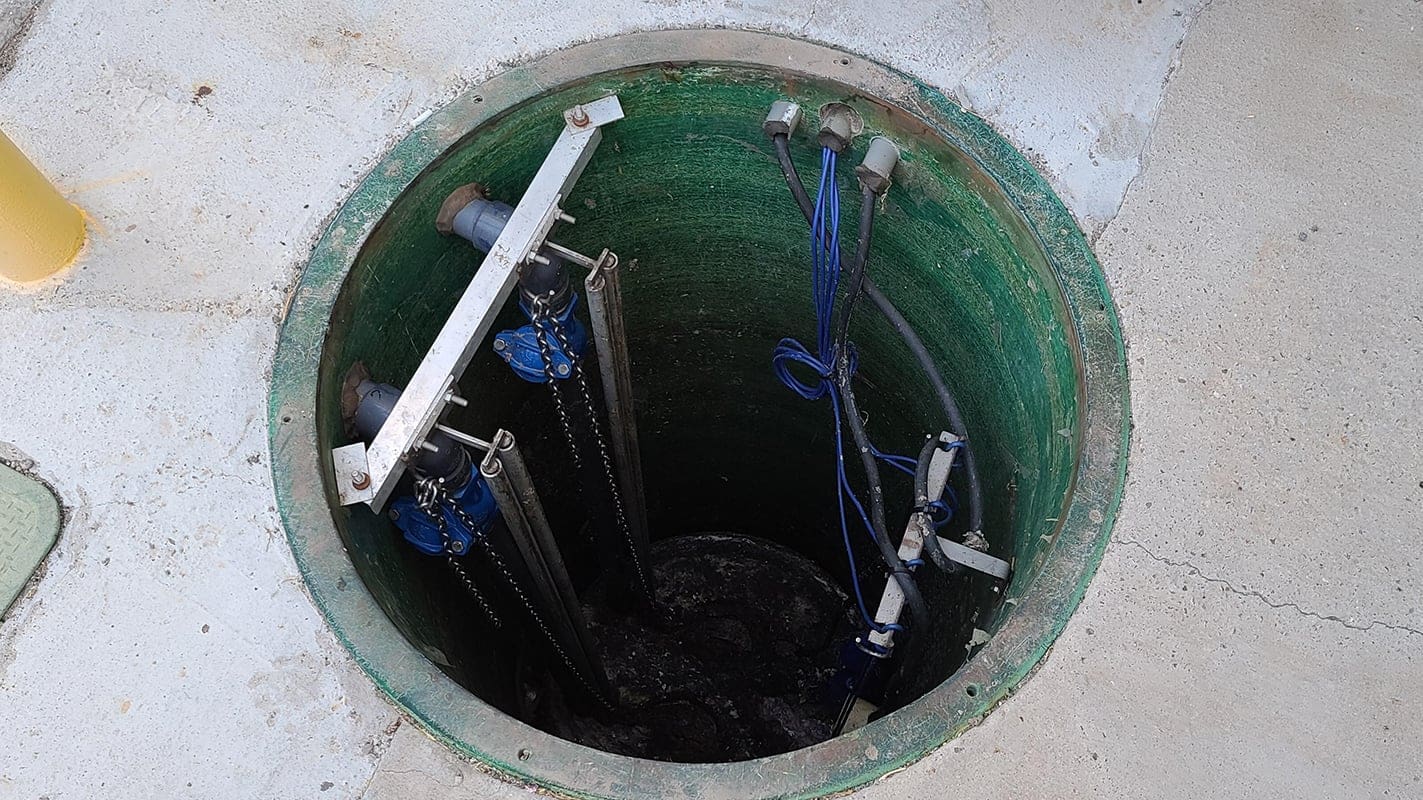
The City of Sandy Springs has enacted a Stormwater Ordinance in order to establish minimum stormwater management requirements and controls to protect and safeguard the general health, safety, and welfare of the public residing in watersheds within this jurisdiction. The City of Sandy Springs is the permitting authority for all land disturbing activities and requires the land owner to maintain all on-site stormwater control facilities and all open space areas (e.g. parks or “green” areas) required by the approved stormwater control plan. The City of Sandy Springs will only provide construction permits to projects that establish a plan to manage stormwater runoff occurring during the construction process. The City of Sandy Springs, under the NPDES program, also has the authority to inspect properties for noncompliance and can issue a notice of violation (NOV) for any deficiency or infraction onsite. Property owners are responsible for the maintenance of any stormwater facilities or practices located on the property. The City of Sandy Springs has the authority to inspect stormwater facilities and practices in order to ascertain that they are properly maintained and functioning.
The Georgia Environmental Protection Division (GA EPD) Municipal Separate Storm Sewer System (MS4) permit program requires that the City have a comprehensive stormwater management program (SWMP) designed to control stormwater pollution. This program includes such measures as structural and non-structural stormwater controls, best management practices (BMPs), regular inspections, enforcement activities, stormwater monitoring and public education efforts. Stormwater management ordinances, erosion and sedimentation control ordinances, development regulations and other local regulations provide the legal authority to implement the stormwater management program.
The City’s program includes specific activities for the following six elements, (termed “minimum control measures
- Public Education and Outreach
- Public Participation/Involvement
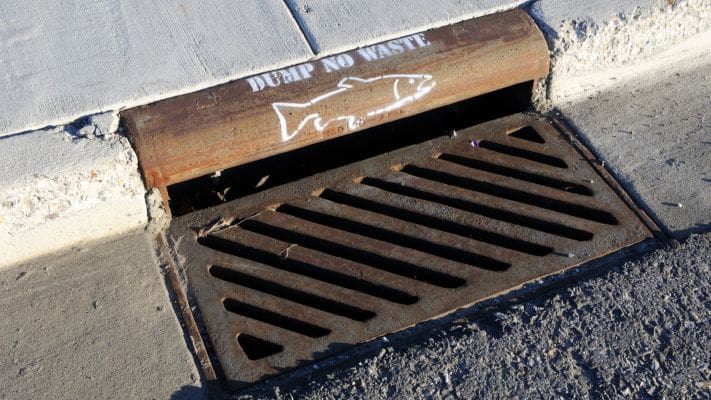
- Illicit Discharge Detection and Elimination
- Construction Site Runoff Control
- Post-Construction Runoff Control
- Pollution Prevention/Good Housekeeping
The City’s SWMP identifies each management practice and measurable goals for each minimum control measure.
Div. 9.6. – Stormwater Management
Sec. 9.6.1. – Purpose
The purpose of this Division is to protect, maintain and enhance the public health, safety, environment and general welfare by establishing minimum requirements and procedures to control the adverse effects of increased post-development stormwater runoff and non-point source pollution associated with new development and redevelopment by focusing on the types of frequently occurring storm events that generate the most water quality impacts. Proper management of post-development stormwater runoff will minimize damage to public and private property and infrastructure, safeguard the public health, safety, environment and general welfare of the public, and protect water and aquatic resources. This Division seeks to meet that purpose through the following objectives:
A. Establish decision-making processes surrounding land development activities that protect the integrity of the watershed and preserve the health of water resources;
B. Require that new development and redevelopment maintain the pre-development hydrologic response in their post-development state as nearly as practicable in order to reduce flooding, stream bank erosion, non-point source pollution and increases in stream temperature, and maintain the integrity of stream channels and aquatic habitats;
C. Establish minimum post-development stormwater management standards and design criteria for the regulation and control of stormwater runoff quantity and quality and to preserve and/or restore natural hydrologic conditions on development sites;
D. Establish design and application criteria for the construction and use of structural stormwater control facilities that meet the minimum post-development stormwater management standards;
E. Encourage the use of nonstructural stormwater management and stormwater better site design practices, peak rate and/or runoff reduction, and the preservation of greenspace and other conservation areas, by establishing minimum post-development stormwater management standards and design criteria for the regulation and control of stormwater runoff quantity and quality. Coordinate site design plans, which include greenspace, with the City’s greenspace protection plan;
F. Establish provisions for the long-term responsibility of operation, inspection, maintenance and repair of private structural stormwater control facilities and private commitments for nonstructural stormwater management practices to ensure that they continue to function as designed, are maintained, and pose no threat to public safety or the environment;
G. Establish administrative procedures for the submission, review, approval and disapproval of stormwater management plans, and for the inspection of approved active projects, and long-term compliance; and
H. Protect public health and safety by reducing the risk of localized flooding and reducing the amount of runoff entering streets.
( Ord. of 4-17-2018(7) , §§ 9-61, 9-61.1)
Sec. 9.6.2. – Violations, Enforcement, Penalties
Any action or inaction which violates the provisions of this Division or the requirements of an approved stormwater management plan or permit may be subject to the enforcement actions outlined in this section. Any such action or inaction that is continuous with respect to time is deemed to be a public nuisance and may be abated by injunctive or other equitable relief. The imposition of any of the penalties described in Sec. 9.6.2.B shall not prevent such equitable relief.
A. Notice of Violation
If the Department determines that an applicant or other responsible person has failed to comply with the terms and conditions of a permit, an approved stormwater management plan or the provisions of this Division, it shall issue a written notice of violation to such applicant or other responsible person. Where a person is engaged in activity covered by this Division without having first secured a permit therefor, the notice of violation is served on the owner or the responsible person in charge of the activity being conducted on the site. The notice of violation shall contain:
1. The name and address of the owner or the applicant or the responsible person;
2. The address or other description of the site upon which the violation is occurring;
3. A statement specifying the nature of the violation;
4. A description of the remedial measures necessary to bring the action or inaction into compliance with the permit, the stormwater management plan or this Division and the date for the completion of such remedial action;
5. A statement of the penalty or penalties that may be assessed against the person to whom the notice of violation is directed; and
6. A statement that the determination of violation may be appealed to the Department by filing a written notice of appeal within 30 days after the notice of violation (except that in the event the violation constitutes an immediate danger to public health or public safety, 24 hours’ notice shall be sufficient).
B. Penalties
In the event the remedial measures described in the notice of violation have not been completed by the date set forth for such completion in the notice of violation, any one or more of the following actions or penalties may be taken or assessed against the person to whom the notice of violation was directed. Before taking any of the following actions or imposing any of the following penalties, the Department shall first notify the applicant or other responsible person in writing of its intended action, and shall provide a reasonable opportunity, of not less than ten days (except that in the event the violation constitutes an immediate danger to public health or public safety, 24 hours’ notice is sufficient), to cure such violation. In the event the applicant or other responsible person fails to cure such violation after such notice and cure period, the Department may take any one or more of the following actions or impose any one or more of the following penalties:
1. Stop Work Order The Department may issue a stop work order that is served on the applicant or other responsible person. The stop work order shall remain in effect until the applicant or other responsible person has taken the remedial measures set forth in the notice of violation or has otherwise cured the violation or violations described therein, provided the stop work order may be withdrawn or modified to enable the applicant or other responsible person to take the necessary remedial measures to cure such violation or violations.
2. Withhold Certificate of Occupancy The Department may refuse to issue a certificate of occupancy for the building or other improvements constructed or being constructed on the site until the applicant or other responsible person has taken the remedial measures set forth in the notice of violation or has otherwise cured the violations described therein.
3. Suspension, Revocation or Modification of Permit The Department may suspend, revoke or modify the permit authorizing the land development project. A suspended, revoked or modified permit may be reinstated after the applicant or other responsible person has taken the remedial measures set forth in the notice of violation or has otherwise cured the violations described therein, provided such permit may be reinstated (upon such conditions as the City may deem necessary) to enable the applicant or other responsible person to take the necessary remedial measures to cure such violations.
4. Civil Penalties In the event the applicant or other responsible person fails to take the remedial measures set forth in the notice of violation or otherwise fails to cure the violations described therein within ten days, or such greater period as the Department shall deem appropriate (except that, in the event the violation constitutes an immediate danger to public health or public safety, 24 hours’ notice is sufficient) after the City has taken one or more of the actions described above, the Department may impose a penalty not to exceed $1,000.00 (depending on the severity of the violation) for each day the violation remains unremedied after receipt of the notice of violation.
5. Criminal Penalties For intentional and flagrant violations of this Division, the Department may issue a citation to the applicant or other responsible person, requiring such person to appear in municipal court to answer charges for such violation. Upon conviction, such person shall be guilty of a violation of this Code. Each act of violation and each day upon which any act of violation shall occur shall constitute a separate violation of this Code.
View State Page
Frequently Asked Questions
What does Sandy Springs' stormwater management program actually cover?
The city operates under a Georgia EPD MS4 permit that requires a comprehensive stormwater management program addressing six specific areas: public education, public participation, illicit discharge detection and elimination, construction site runoff control, post-construction runoff control, and pollution prevention through good housekeeping practices. For a property owner, the post-construction piece matters most day to day, since it’s the standard any existing site’s stormwater controls get measured against.
What standard does Sandy Springs hold post-development stormwater runoff to?
New development and redevelopment have to maintain the site’s pre-development hydrologic response as closely as practicable, which means reducing flooding, stream bank erosion and non-point source pollution compared to what the land would have generated before it was built on. The city also requires long-term provisions for the operation, inspection, maintenance and repair of private structural stormwater controls, specifically so those systems keep functioning as designed rather than degrading after the initial approval.
How does Sandy Springs handle a stormwater violation?
The city’s Department issues a written notice of violation specifying the problem and the remedial measures needed, and the responsible party generally gets at least ten days to cure it, or 24 hours if the violation poses an immediate danger to public health or safety. A determination can be appealed within 30 days of the notice. If the deadline passes without correction, the city can issue a stop work order, withhold a certificate of occupancy, or suspend, revoke or modify the project’s permit.
What are the penalties for an uncorrected stormwater violation in Sandy Springs?
Civil penalties can run up to $1,000 per day for each day a violation remains unremedied after the cure period, and continuous violations are treated as a public nuisance the city can address through injunctive relief on top of any other penalty. Intentional and flagrant violations can also bring a citation to municipal court, with each day of violation counting as a separate offense under the city code.
The information on this page is provided for general informational purposes only and is not legal advice. Regulations change frequently — AQUALIS makes no warranty as to the accuracy or completeness of this content, and any reliance on it is at your own risk. Consult a qualified professional or your local regulatory authority to confirm requirements applicable to your specific property.