

Last Updated 08/11/2026
Excerpt from Stormwater Management Plan
SECTION 5 – STORMWATER MANAGEMENT PLAN
This Section of the Stormwater Management Design Standards describes the methods and criteria necessary to integrate infiltration, water quality, and flow control stormwater facilities into a comprehensive stormwater management plan.
5.1 PLAN REVIEW REQUIREMENT THRESHOLDS
5.1.1 Stormwater Management Plan ≥ 5,000 sqft of Impervious Area
All development that results in 5,000 square feet or more of new impervious surface and/or a modification of existing impervious surfaces is subject to these Standards including: stormwater management, natural resource protection, and erosion control requirements.
5.1.2 Stormwater Management Plan ≤ 5,000 sqft of Impervious Area
All development that results in less than 5,000 square feet of new impervious surface and/or a modification of existing impervious surfaces which is not being phased or segmented in such a manner to avoid the requirements of these Standards is required to meet all provisions herein, including Section 4 – Natural Resources and Vegetated Buffers. All development per Section 5.1.2 that results in less than 5,000 square feet are exempted from the following Sections:
- a) Section 5.3 – Stormwater Water Quality Treatment Standards;
- b) Section 5.4 – Stormwater Infiltration Standards;
- c) Section 5.5 – Stormwater Quantity / Flow Control Standards.
5.1.3 Erosion Control Plan and NPDES 1200-C Permits
Within the boundaries of the District, any grading or soil disturbance associated with a development activity which disturbs 800 square feet or greater is required to obtain an Erosion Control permit from the District. For erosion control requirements see Section 6 of these Standards. Any development activity in unincorporated Clackamas County not governed by a local authority will be required to obtain a National Pollutant Discharge Elimination System (NPDES) 1200-C Permit for any grading or soil disturbance associated with a development activity which disturbs 1 acre or greater area. The District has an agreement with DEQ to serve as the Agent of DEQ for these permits in the unincorporated area of Clackamas County. This includes plan review, permitting, inspection and enforcement of NPDES 1200-C permit requirements.
5.5.10 Maintenance
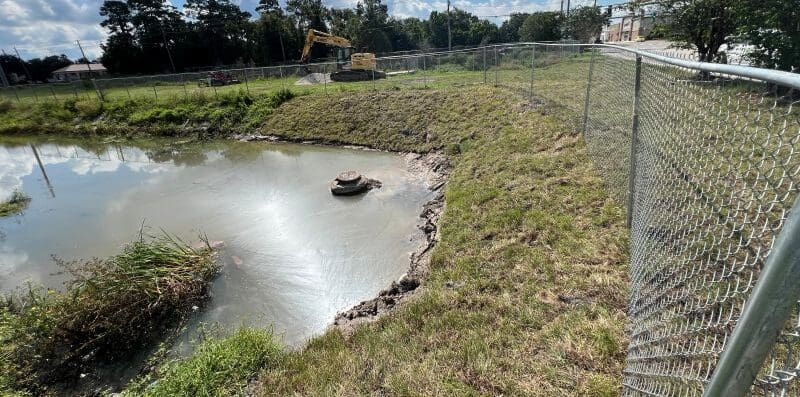
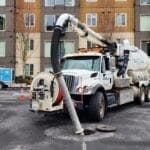
Maintenance is required for all on-site surface water facilities. A commercial or industrial user having ownership or control of onsite detention facilities shall maintain such facilities in compliance with these Standards and provide documentation of annual maintenance. The maintenance program must be approved by the District. All surface water facilities shall be maintained as needed and as approved by the District. Proof of maintenance shall be annually submitted in accordance with a schedule approved by the District. If the facility is not maintained, the District may perform the maintenance and charge the owner of the facility.
5.3 STORMWATER INFILTRATION STANDARDS
Infiltration/Retention Systems
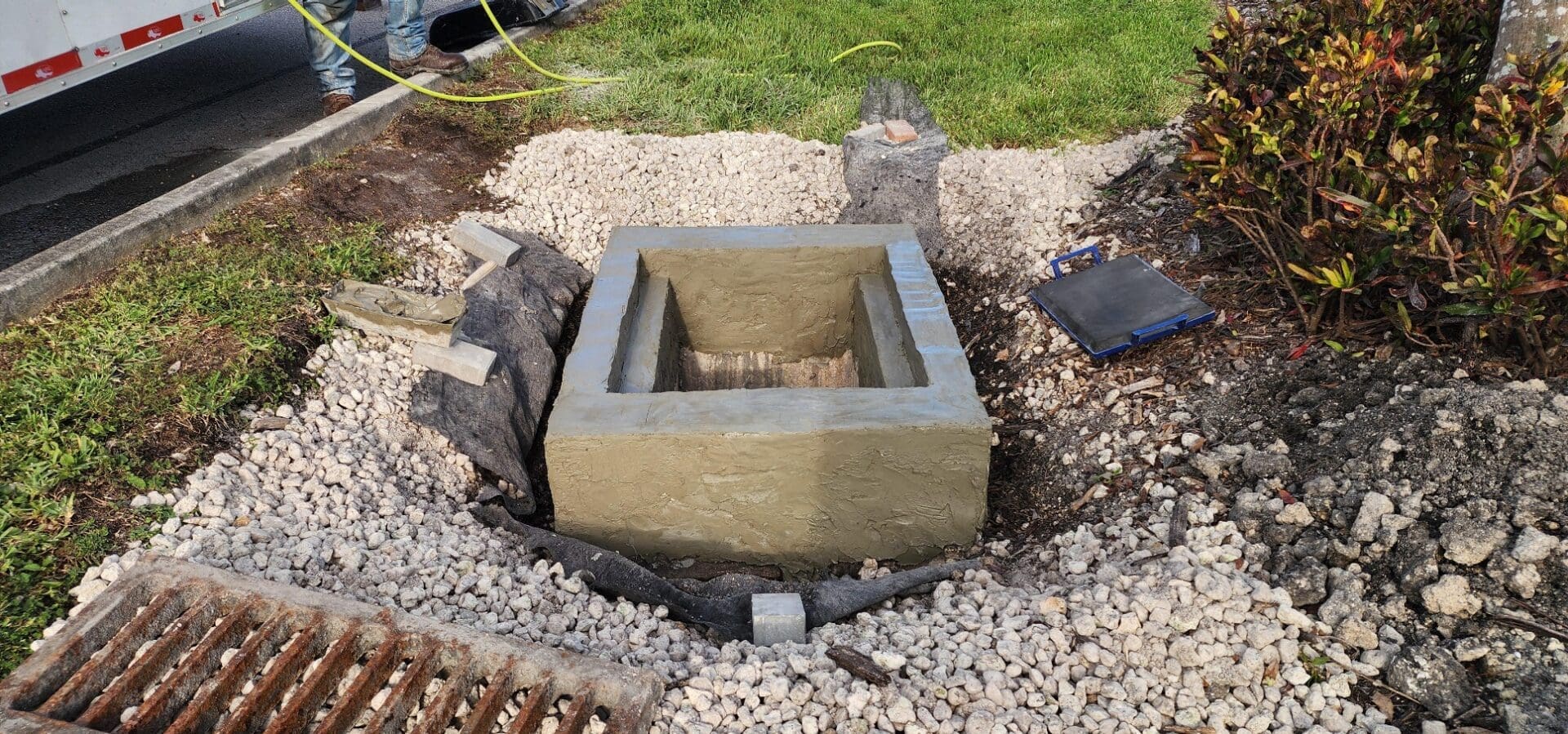
Infiltration systems are required for all new developments and redevelopments to infiltrate all runoff from storm events up to one-half inch of rainfall in 24 hours. Treatment shall occur prior to or concurrent with infiltration systems in accordance with Section 5.2. Infiltration system capacity may be incorporated into the detention system design, in order to reduce the required detention volume with appropriate professional on-site infiltration rate testing. Infiltration facilities shall be sized to infiltrate the design runoff volume within a maximum of 96 hours for the one-half inch requirement and 36 hours for the detention requirement.
Infiltration requirements may be waived, or reduced, if it can be demonstrated by a registered professional engineer that infiltration will destabilize the soil, cause adverse structural or environmental impacts, or due to site constraints such as high groundwater, springs, or impermeable soils.
View State Page
Frequently Asked Questions
Do I need an infiltration system for stormwater on my Clackamas County property?
Yes, in most cases. New developments and redevelopments need infiltration systems capable of handling all runoff from storm events up to one half inch of rainfall in 24 hours, with treatment happening before or alongside infiltration. These systems need to be sized to fully infiltrate that runoff volume within 96 hours, or within 36 hours if the infiltration system is combined with a detention requirement. AQUALIS can help property owners size an infiltration system that meets this standard.
Can my Clackamas County property be excused from the infiltration requirement?
Possibly. A registered professional engineer can demonstrate that infiltration would destabilize the soil, cause adverse structural or environmental impacts, or isn’t feasible due to site conditions like high groundwater, springs, or impermeable soils. If that’s shown, the county can waive or reduce the infiltration requirement.
Do I need to maintain onsite stormwater detention facilities in Clackamas County?
Yes, if you’re a commercial or industrial property owner or operator with control over onsite detention facilities. These facilities need to be maintained according to the county’s standards, using a maintenance program the district approves. AQUALIS can help property owners set up a maintenance program that meets district requirements.
Do I need to prove I'm maintaining my stormwater facility in Clackamas County, Oregon?
Yes. Proof of maintenance needs to be submitted annually, following a schedule the district approves. This documentation confirms your facility is being kept in working order on an ongoing basis, not just at the time it was built.
What happens if I don't maintain my stormwater facility in Clackamas County?
If a facility isn’t maintained, the district can step in and perform the maintenance itself, then charge the cost back to the property owner. AQUALIS can help property owners stay ahead of their maintenance schedule to avoid this kind of cost.
The information on this page is provided for general informational purposes only and is not legal advice. Regulations change frequently — AQUALIS makes no warranty as to the accuracy or completeness of this content, and any reliance on it is at your own risk. Consult a qualified professional or your local regulatory authority to confirm requirements applicable to your specific property.