

Last Updated 08/20/2026
BRUNSWICK COUNTY STORMWATER ORDINANCE
The stormwater ordinance became effective Sept. 16, 2002. The unincorporated areas of the county are subject to the ordinance. The county also has agreements in place to administer the Stormwater Ordinance in Belville, Boiling Spring Lakes, Bolivia, St. James and Sunset Beach.
The ordinance and accompanying Stormwater Management Manual outline how stormwater runoff must be addressed for all new development and redevelopment in the county.
A county Stormwater Permit is required for:
- All non-residential new development.
- Non-residential redevelopment that increases impervious surface on the site.
- Residential development that disturbs greater than an acre.
- Residential developments where the site will be graded, filled, or excavated and thereby change the elevation of a location by more than four inches.
- Residential development or any related disturbance within 30 feet of the banks of a natural stream or water body.
STORMWATER DRAINAGE
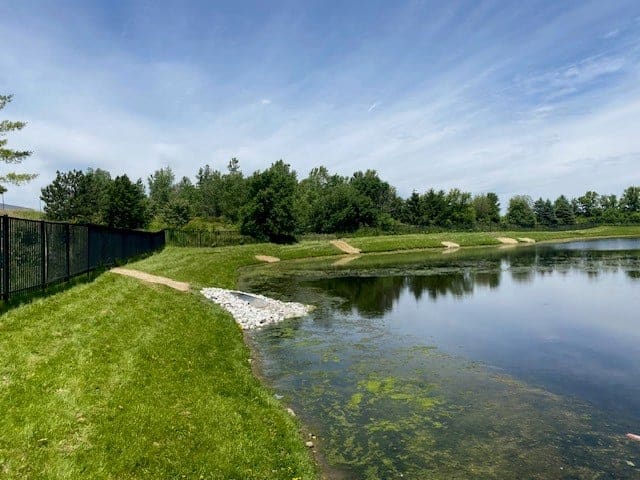
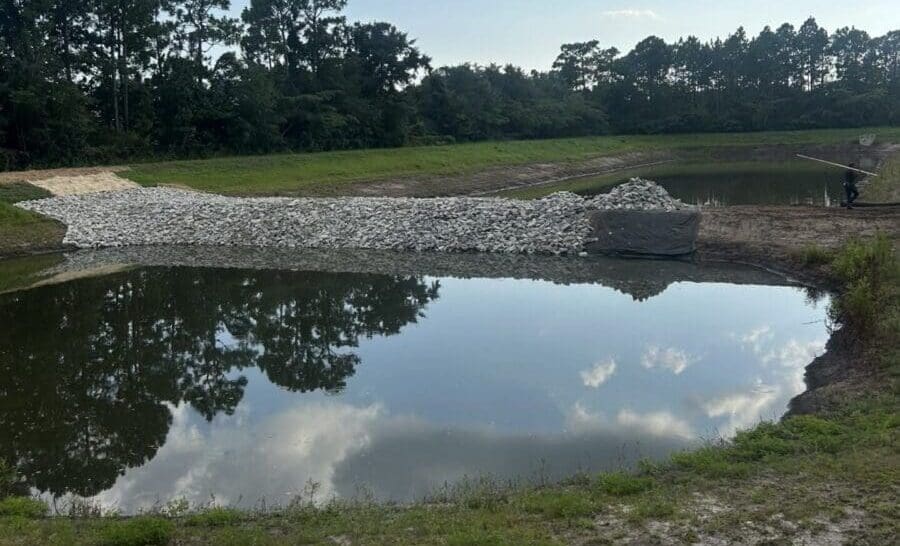
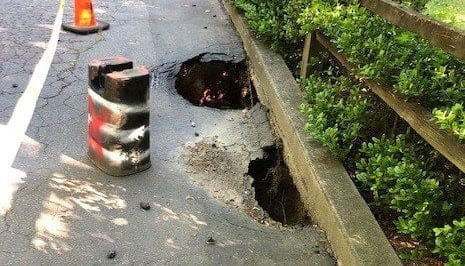
The Stormwater Ordinance requires individual property owners to maintain all streams, creeks, ditches, swales, pipes, culverts, etc. that are on the private property. The county does not provide maintenance of drainage ways. (Article VI, Division III, Section 3.4)
Fences or walls shall not alter or impede the natural flow of water in any stream, creek, drainage swale or ditch. Drainage easements must be maintained and kept free of obstructions.
View State Page
Frequently Asked Questions
What is post-construction stormwater management, and does it apply to my property in Brunswick County?
Post-construction stormwater management in Brunswick County covers the ongoing responsibility to maintain the drainage infrastructure on your property, including any streams, creeks, ditches, swales, pipes, and culverts that carry stormwater across or through your land. Brunswick County does not maintain these private drainage ways itself, which means the obligation falls entirely on the property owner once construction is complete. AQUALIS provides full post-construction stormwater management for property owners across Brunswick County, so drainage infrastructure keeps functioning as it should long after a project is finished.
Does Brunswick County maintain the drainage ditches and pipes on my property?
Brunswick County’s stormwater ordinance, effective since September 2002, governs unincorporated areas of the county as well as five municipalities: Belville, Boiling Spring Lakes, Bolivia, St. James, and Sunset Beach. Property owners in any of these jurisdictions are subject to the same county-level drainage maintenance and permitting requirements. AQUALIS supports property owners throughout Brunswick County, including these municipalities, with the same level of post-construction stormwater management.
What happens if I neglect the drainage infrastructure on my Brunswick County property?
Because Brunswick County does not maintain private drainage infrastructure, a neglected ditch, pipe, or easement can lead to flooding, erosion, and property damage well before the county ever gets involved, and obstructed easements or altered natural flow can also create a compliance issue under the county’s ordinance. Waiting for a problem to surface is a costly way to find out maintenance was overdue. AQUALIS proactively manages drainage infrastructure for Brunswick County property owners to prevent these issues before they start.
Where can property owners in Brunswick County get help with post-construction stormwater compliance?
Post-construction stormwater compliance in Brunswick County means the property owner, not the county, is responsible for maintaining streams, ditches, pipes, culverts, and drainage easements on their land. Managing this without dedicated stormwater staff is difficult for most property owners. AQUALIS offers complete post-construction stormwater management for Brunswick County property owners, covering drainage infrastructure maintenance and compliance with the county’s ordinance, so owners can meet their obligations without managing the process themselves.
The information on this page is provided for general informational purposes only and is not legal advice. Regulations change frequently — AQUALIS makes no warranty as to the accuracy or completeness of this content, and any reliance on it is at your own risk. Consult a qualified professional or your local regulatory authority to confirm requirements applicable to your specific property.