

Last Updated 08/13/2026
Stormwater Permitting
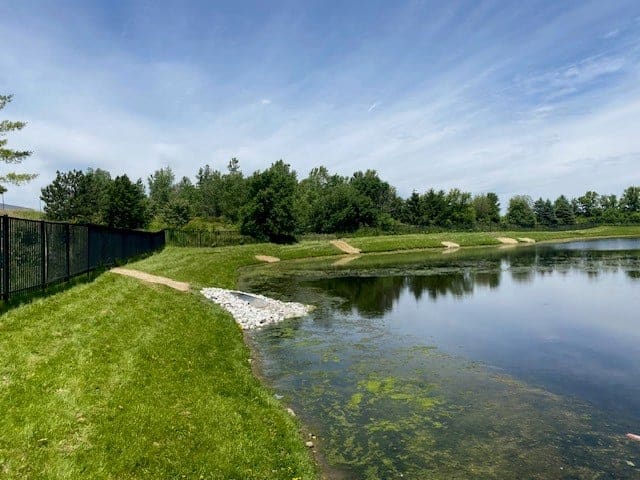
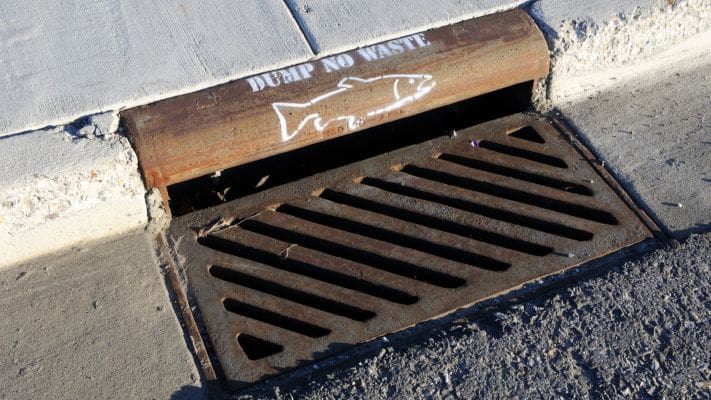
Stormwater, as defined by the Clean Water Act regulations 40 CFR § 122.26(b)(13), includes stormwater runoff, snow melt runoff, and surface runoff and drainage. Stormwater runoff occurs when precipitation from rain or snowmelt flows over the ground. Impervious surfaces like parking lots, rooftops, driveways, sidewalks, and streets prevent stormwater from naturally soaking into the ground. Increased stormwater runoff can cause flooding and hydrologic changes to the receiving waters. During overland flow, stormwater generally picks up debris, chemicals, dirt, and other pollutants and flows into a storm sewer system or directly to a lake, stream, river, or wetland. Anything that enters a storm sewer system is discharged into the waterbodies used for swimming, fishing, and/or providing drinking water. Polluted stormwater runoff can have many adverse effects on plants, fish, animals, and people. The primary method to control stormwater discharges is the use of structural and non-structural best management practices (BMPs).
Most stormwater discharges are considered point sources and require coverage under an NPDES permit. The National Pollutant Discharge Elimination System (NPDES) Stormwater Program regulates stormwater discharges from three potential sources: municipal separate storm sewer systems (MS4s), construction activities, and industrial activities. EPA authorized DEQ to implement NPDES stormwater permit program within the State of Oklahoma.
Industrial Stormwater
Industrial facilities typically perform a portion of their activities such as material storage and handling, vehicle fueling and maintenance, shipping and receiving materials in outdoor areas exposed to the weather. Stormwater runoff from these activities picks up industrial pollutants and discharges them directly into nearby waterbodies or indirectly via storm sewer systems. In addition, accidental spills and leaks, improper waste disposal, and illicit connections to storm sewers may also lead to exposure of pollutants to stormwater. This increased pollutants load in the stormwater runoff can impair waterbodies, degrade biological habitats, pollute drinking water sources.
Most industrial stormwater discharges are covered under the OPDES General Permit OKR05, as opposed to individual OPDES permits issued by the State of Oklahoma to some facilities based on site-specific or industry-specific concerns. The owners/operators of regulated industrial facilities must obtain an Authorization under the OPDES General Permit OKR05 for Industrial Activity. Discharge of stormwater from an industrial activity without first obtaining a permit from DEQ is in violation of Title 27A O.S. §2-6-205 of the Oklahoma Statutes. As part of the application process, the owner or operator must develop a stormwater pollution prevention plan (SWP3) that explains how it will control & reduce pollutants in the stormwater runoff and submit a notice of intent (NOI) or permit application to DEQ.
How long do I need to keep all of our stormwater records?
You must keep a copy of your SWP3 along with all your Permit records, for at least three years after your Permit expires or you end coverage with a Notice of Termination (NOT). Here are some examples of Permit records that you must keep:
- Your facility’s SWP3 and all related records.
- Your signed NOIs covering all the years you had a stormwater permit.
- All correspondence your facility has had with DEQ.
- Records of all data, all sampling and monitoring data, a copy of the authorization, documentation of maintenance and repairs of control measures, records of all Routine Facility Inspection Reports, Quarterly Visual Monitoring Reports, Corrective Action Reports, and any other reports required by this Permit.
How often do we have to do routine inspections of our facility?
Routine facility inspections must be done at least once per quarter (i.e., 1 every 3 months). In some instances, frequency of inspection can be more frequently (e.g., monthly or weekly). You will need to check in sector-specific inspection requirements included in Part 10 of the OKR05 Permit. The four quarters of a year are usually these four time periods:
- January 1 – March 31
- April 1 – June 30
- July 1 – September 30
- October 1 – December 31
Corrective Actions
What is corrective action?
According to the OKR05 Stormwater Permit, corrective actions are any action taken to:
- Repair, modify, or replace any stormwater controls used at your facility (see Parts 5.1 and 5.3 of the OKR05 Permit).
- Clean up and dispose of spills, releases, or other deposits found on the site.
- Come into compliance because of a permit violation, such as if an effluent limit is exceeded.
When do I have to take corrective actions?
You must review and modify your control measures if any of the following happen:
- Your facility’s stormwater discharge violates an assigned effluent limit.
- DEQ says, or somebody at your facility realizes, that your facility’s control measures are not strong enough for your stormwater to meet water quality standards.
- You notice during a routine evaluation that you need to make changes to your controls in order to meet the non-numeric technology-based effluent limits (see Part 2.1.2 of the OKR05 Permit).
- You find that control measures are not being properly operated and/or maintained during a routine facility inspection, quarterly visual assessment, or comprehensive site inspection.
How do I know when I should begin taking corrective actions?
If corrective actions are needed, you must begin immediately doing everything you can to minimize or prevent the discharge of pollutants until a permanent solution is installed and operational. For example, be sure to clean up any product that has spilled immediately so that the material will not get into stormwater runoff from your facility the next time it rains/snows.
If you need to install and make operational new or modified control measures/structural BMPs, you must do everything you can to get it done before the next storm event. But you MUST get new and/or modified BMPs in place within 14 calendar days from the date when it was found that corrective actions were needed.
Do I require documenting the correction actions?
Yes, you are required to document the reason why you had to take corrective actions in accordance with Part 5.3.3 of the OKR05 Permit.
View State Page
Frequently Asked Questions
Which state agency regulates stormwater discharges in Oklahoma?
The Oklahoma Department of Environmental Quality (DEQ). The EPA delegated full responsibility to DEQ in 1997 to administer stormwater discharges tied to construction activity, industrial activity, and municipal separate storm sewer systems (MS4s). This delegation doesn’t cover facilities on Indian land or oil and gas exploration fields, which remain under separate jurisdiction.
Why does Oklahoma regulate stormwater at all?
Stormwater runoff picks up debris, chemicals, dirt, and other pollutants as it flows over impervious surfaces like parking lots, rooftops, and streets. Since this runoff typically isn’t treated before it reaches a lake, stream, river, or wetland, contaminated stormwater can significantly affect water used for swimming, fishing, and drinking water supplies. The primary tool for controlling this is the use of structural and non-structural best management practices (BMPs).
The information on this page is provided for general informational purposes only and is not legal advice. Regulations change frequently — AQUALIS makes no warranty as to the accuracy or completeness of this content, and any reliance on it is at your own risk. Consult a qualified professional or your local regulatory authority to confirm requirements applicable to your specific property.