
Last Updated 03/24/2024
Understanding Wyoming Stormwater Regulations
There is a phase II MS4 general permit to address stormwater runoff from new development and redevelopment projects that “disturb greater than or equal to one acre, including projects less than one acre that are part of a larger common plan of development or sale, and discharge into the small MS4.” The standards apply statewide to regulated MS4s with exception of Wind River Indian Reservation.
“Permit specifies only that permittees must develop, implement, and enforce a program that ensures that controls are in place that would prevent or minimize water quality impacts from development and redevelopment. The MS4 operator is expected to develop procedures, ordinances or other regulatory mechanisms that will require, to the extent allowed by state or local law, that BMPs be appropriately designed and planned, and provide for enforceable operation and maintenance by the owner/operator.”
View State Page
Frequently Asked Questions
What are the most common compliance failures?
Based on AQUALIS’s experience conducting thousands of inspections across the country, the most frequent compliance issues we encounter are:
How often do I need to have my stormwater system inspected?
How does stormwater impact property value?
What is stormwater compliance?
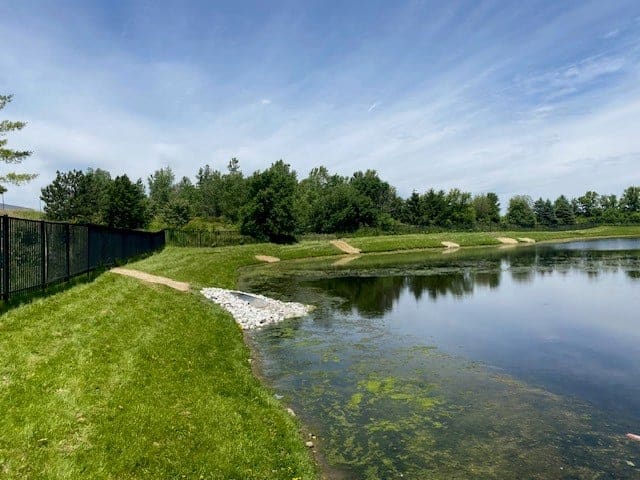
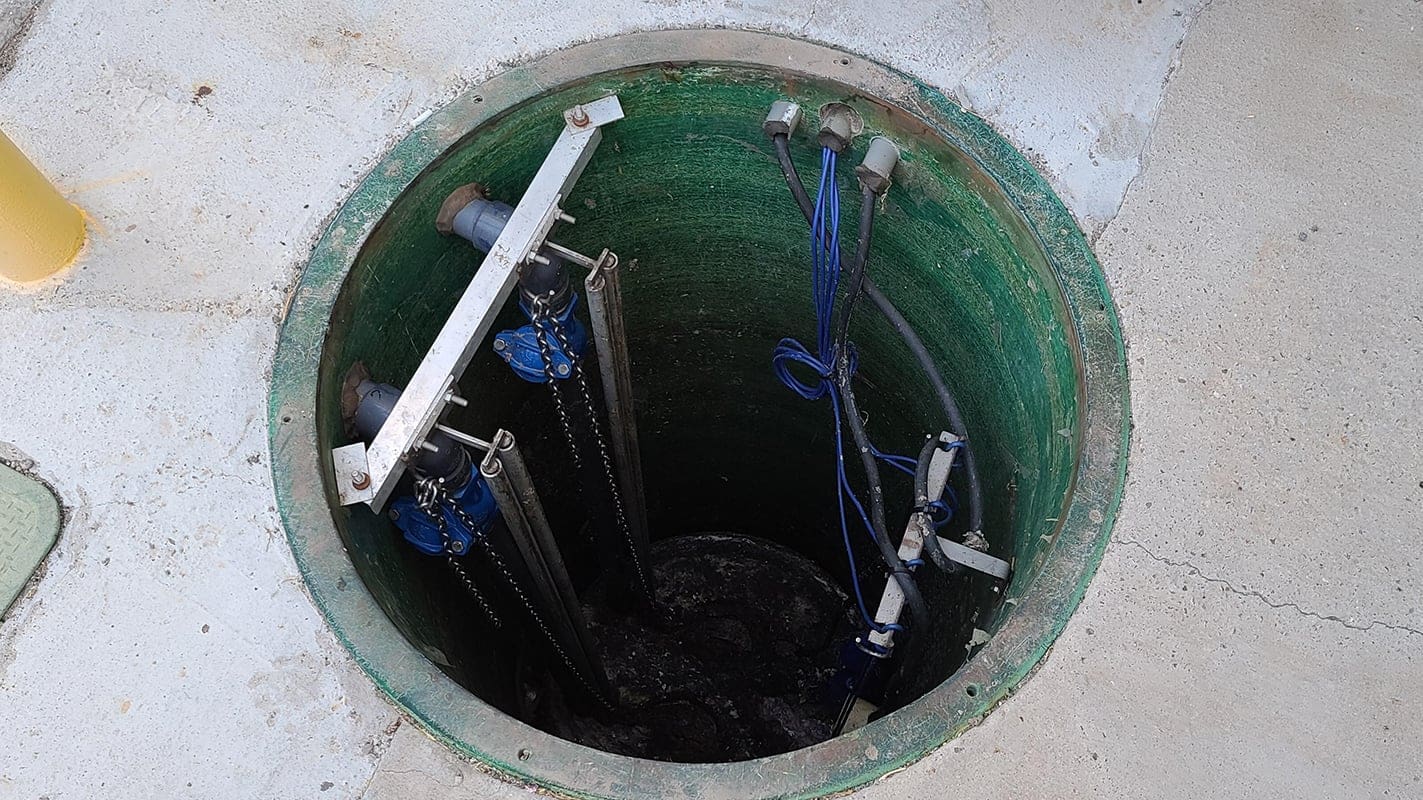
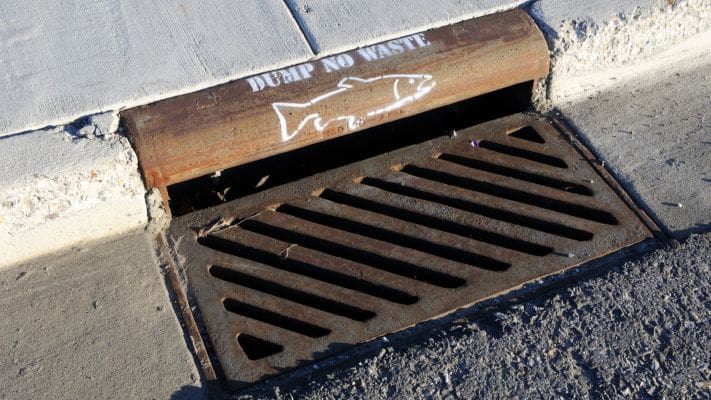
Stormwater compliance means meeting the federal, state and local regulations that govern how rainwater and snowmelt runoff is managed on your property. For most commercial, industrial and multifamily properties, compliance involves maintaining on-site stormwater infrastructure (ponds, catch basins, drainage pipes), meeting inspection requirements and keeping records that demonstrate your system is functioning correctly. The specific requirements depend on your state, municipality and the type of permit that applies to your property.
Why is stormwater maintenance important?
Who is responsible for stormwater compliance?
Can stormwater fees be reduced?
The information on this page is provided for general informational purposes only and is not legal advice. Regulations change frequently — AQUALIS makes no warranty as to the accuracy or completeness of this content, and any reliance on it is at your own risk. Consult a qualified professional or your local regulatory authority to confirm requirements applicable to your specific property.