


As winter storms continue to affect various regions, communities face unprecedented challenges in dealing with freezing temperatures and snow. These extreme weather conditions can pose significant risks to the infrastructure, requiring cold weather stormwater management. The lack of preparedness for cold weather events, such as freeze-thaw cycles and the use of deicing salt, can lead to infrastructure failures and compromised water quality. Read on to learn more about winter stormwater best practices, the dangers of freezing temperatures on stormwater systems, and more about cold weather stormwater management.
Understanding the Impact of Freeze-Thaw Cycles
What are the dangers of freezing temperatures? Freeze-thaw cycles are a common occurrence during the winter months, especially in regions unaccustomed to severe winter storms. When temperatures fluctuate between freezing and thawing, stormwater infrastructure is subjected to unique stressors. In areas like Texas, Louisiana and Mississippi, where freezing temperatures are rare, stormwater systems were not designed to withstand the effects of freeze-thaw cycles. Because of this, stormwater pipes in freezing locations are at risk.
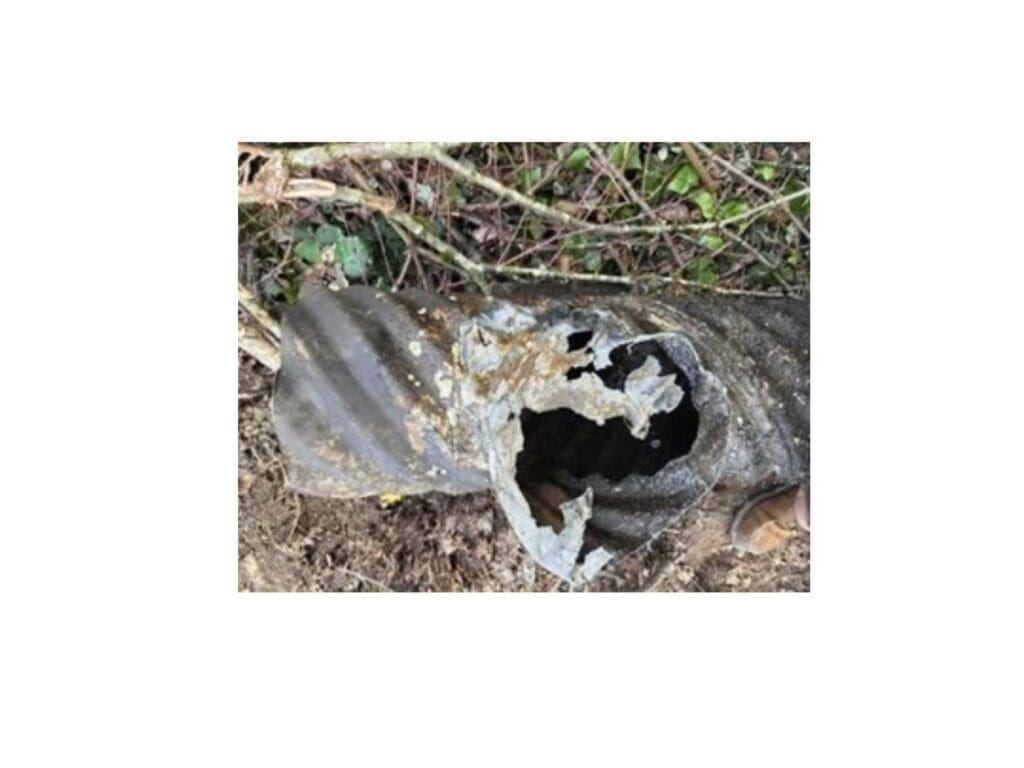
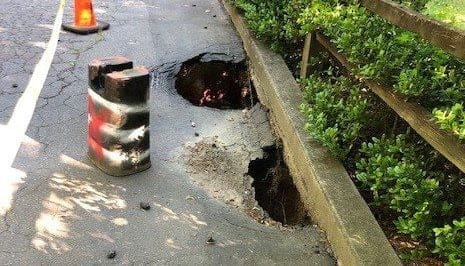
Minor cracks and crevasses in drain pipes in winter can become a serious threat to the structural integrity of the system. As temperatures rise and fall, the snow melt effect has snow melting during the day and refreezing at night. This melting and refreezing process can cause liquid precipitation to fill small divots and cracks, which then freeze, expand and potentially crack the pipes. These cracks can lead to system failure and costly repairs if left unaddressed. Cold weather stormwater management is needed in these areas to prevent possible harm.
The Challenge of Snowmelt Runoff Control and Water Quality
Once temperatures rise, stormwater systems face the challenge of managing snowmelt flooding. Unlike traditional stormwater runoff, the need for cold weather stormwater management is slightly different. Snowmelt is often highly polluted with trash, sediment and chemicals. Snow melt salt is a serious problem. This is because snow remains on the ground for extended periods without filtration or dispersal. Through shoveling, plowing and walking, snow gets compacted into smaller areas, accumulating all the sediment and pollutants it carries. When snow piles begin to melt, they release concentrated pollutants into stormwater systems all at once, leading to sedimentation and possible clogging.
While northern stormwater systems are designed with extra filtration to mitigate these issues, southern stormwater systems, like those in Texas, may lack the necessary infrastructure for cold water stormwater management. The absence of additional filtration measures in these systems exacerbates the potential for winter pollution during snowmelt events. Freeze-resistant stormwater infrastructure is needed.
Winter Preparedness Checklist for Cold Weather Stormwater Management
To ensure the integrity and functionality of stormwater systems during freezing temperatures and snowmelt events, a comprehensive winter preparedness checklist is essential with specific stormwater management requirements during winter. Here are some key steps to consider:
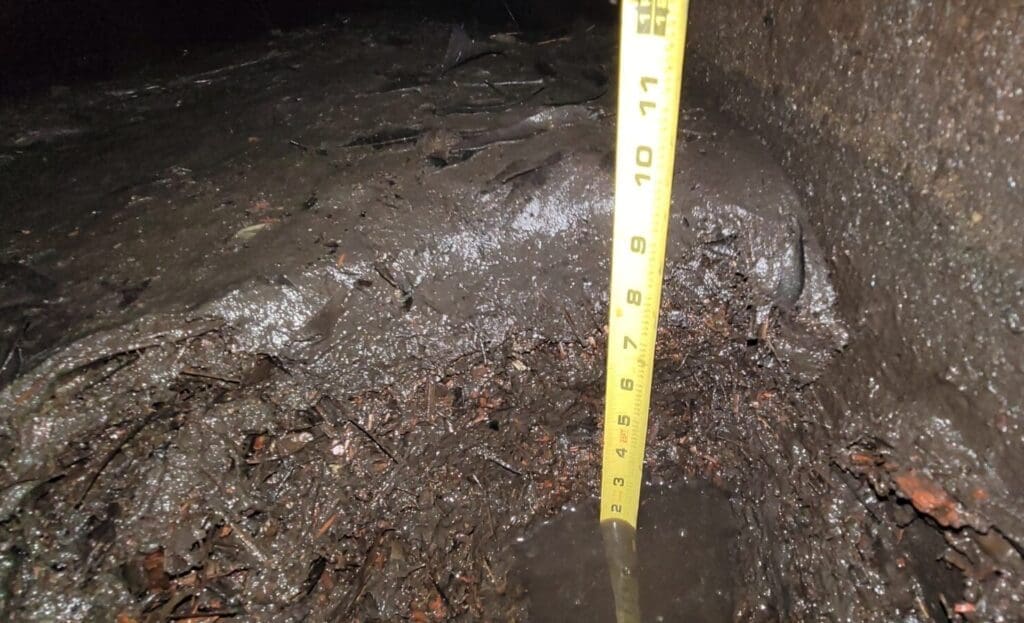
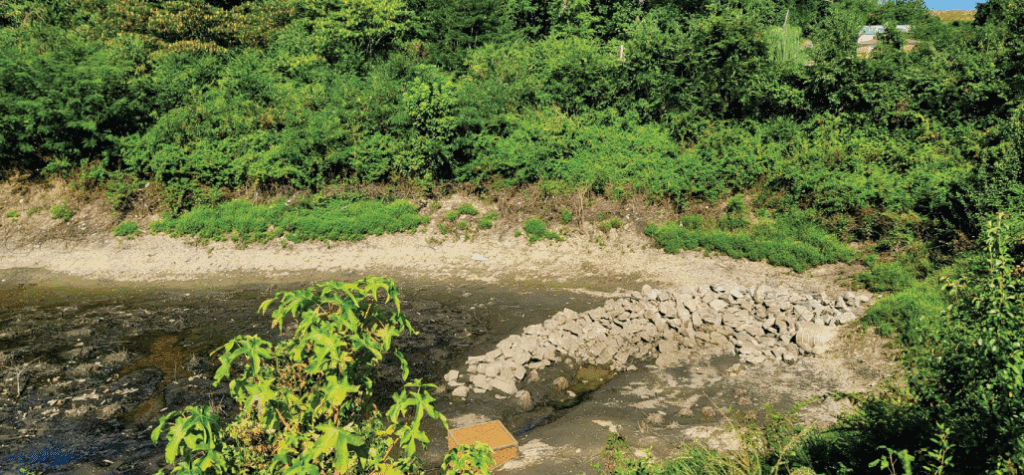
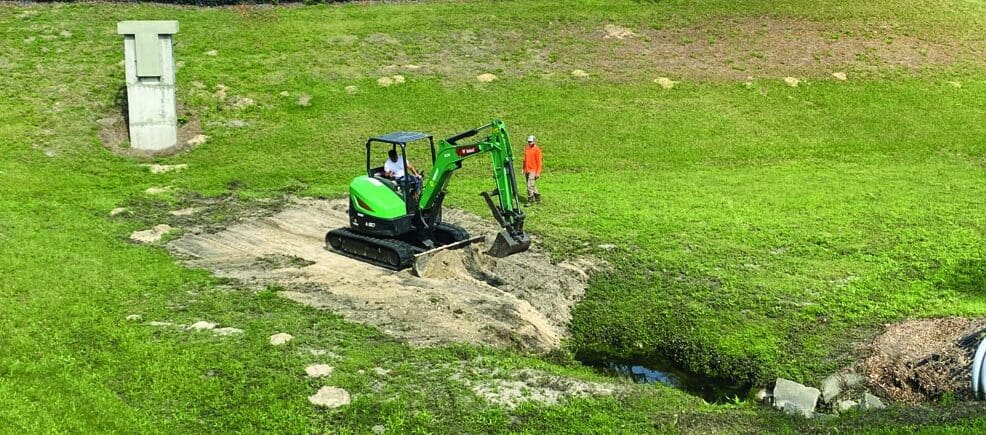
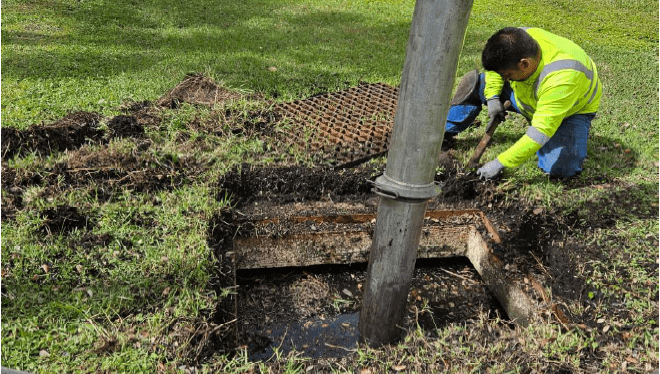
- Inspect inlets and forebays: Regularly inspect all inlets and forebays for sediment accumulation. If sediment is present, it should be collected and disposed of properly.
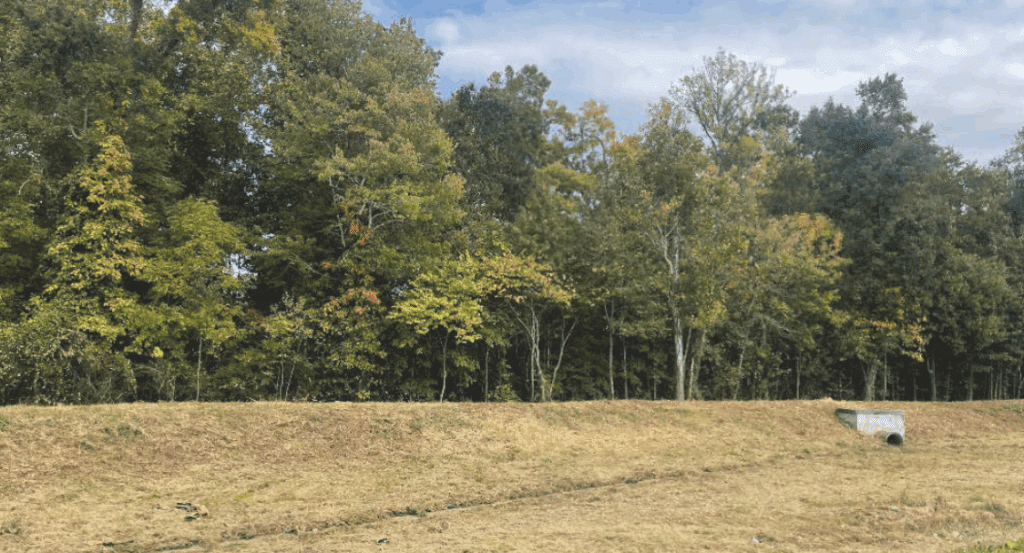
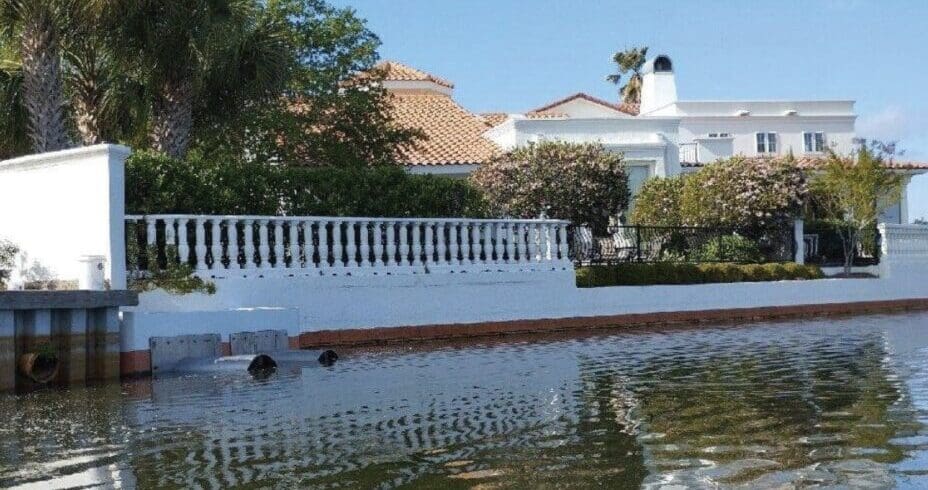
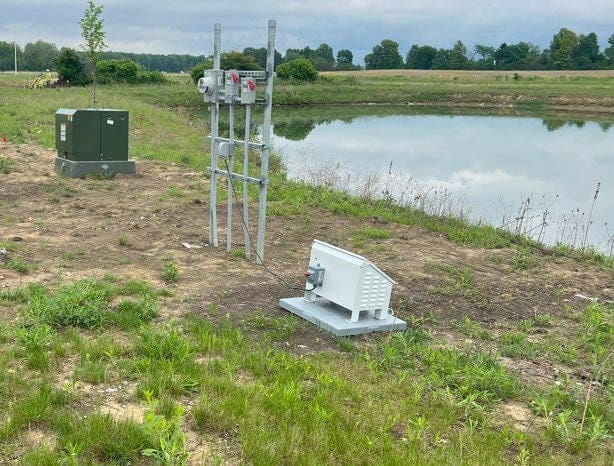
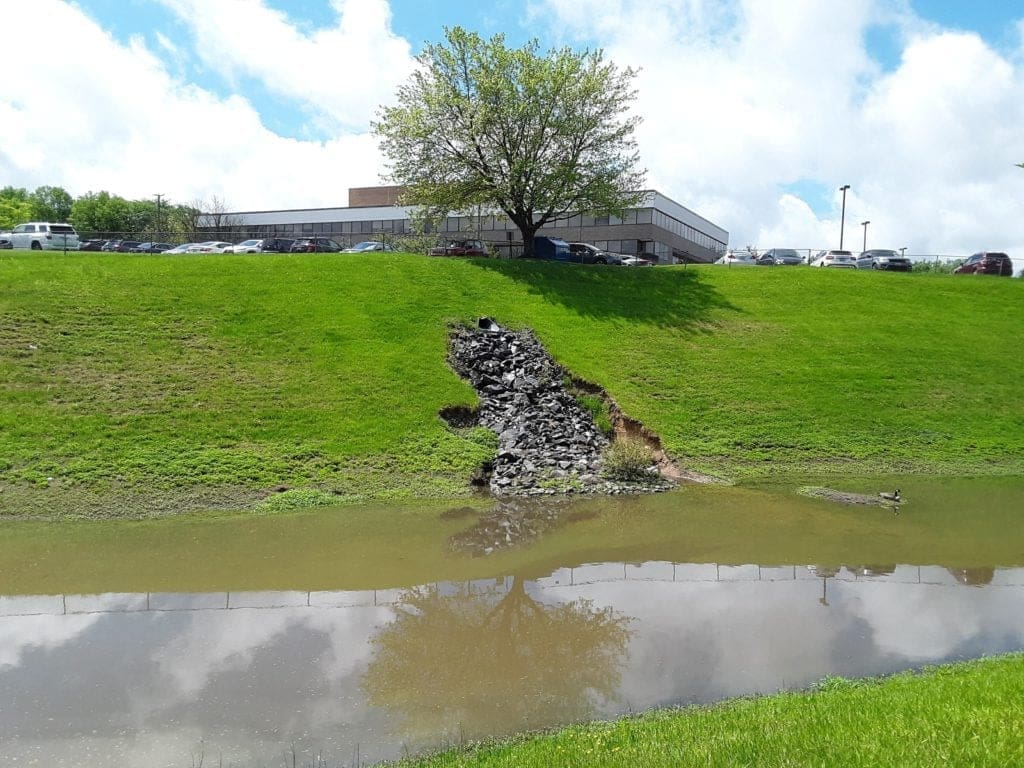
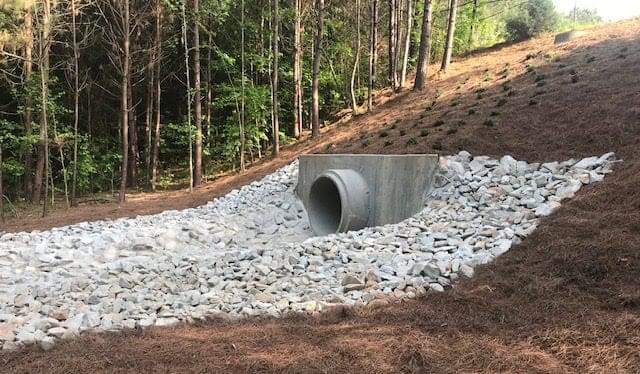
- Check outfall devices: Examine the outfall devices, such as risers or outlets, that control the water level in the basin. Low-flow orifices or weirs could be clogged, affecting basin performance. These devices should be cleaned monthly.
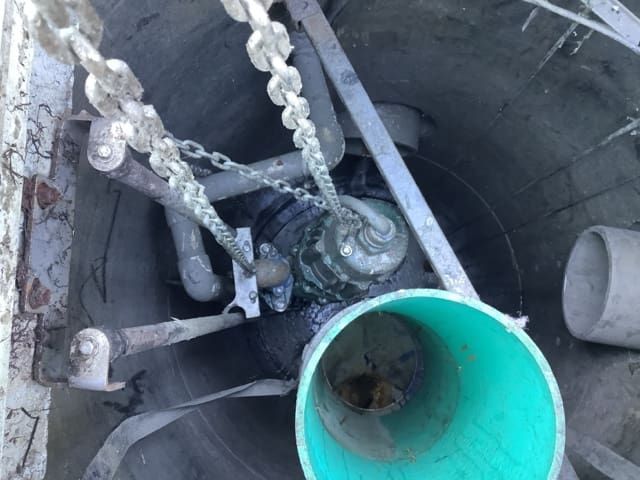
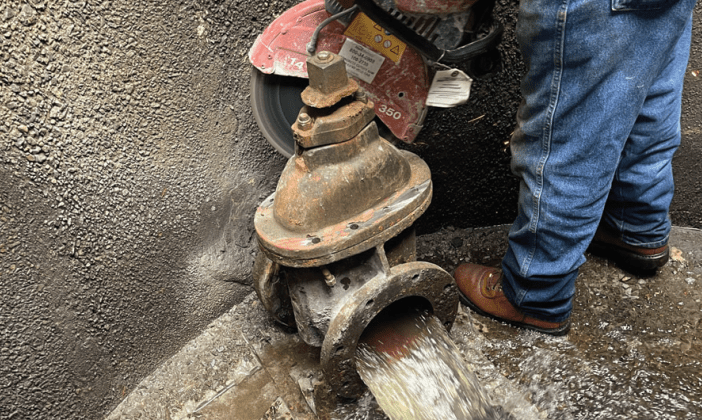
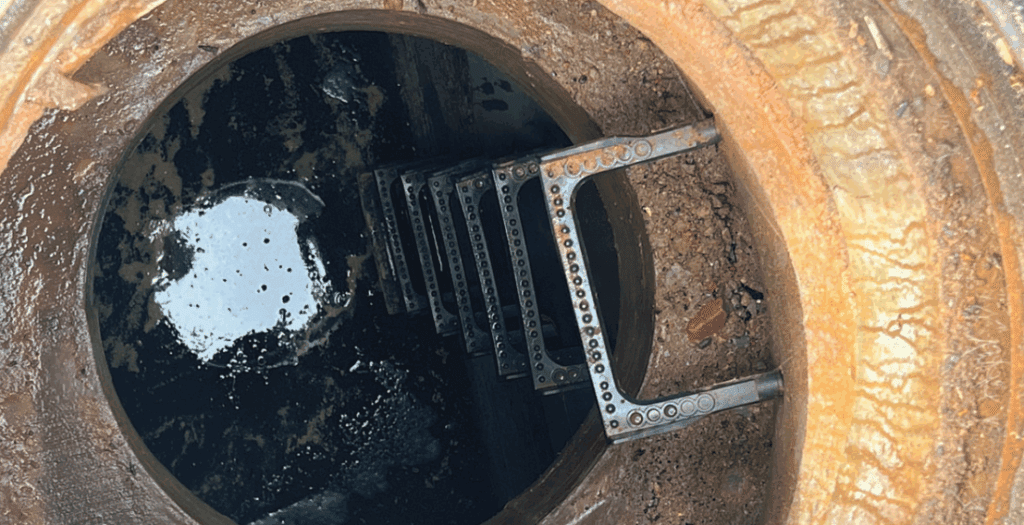
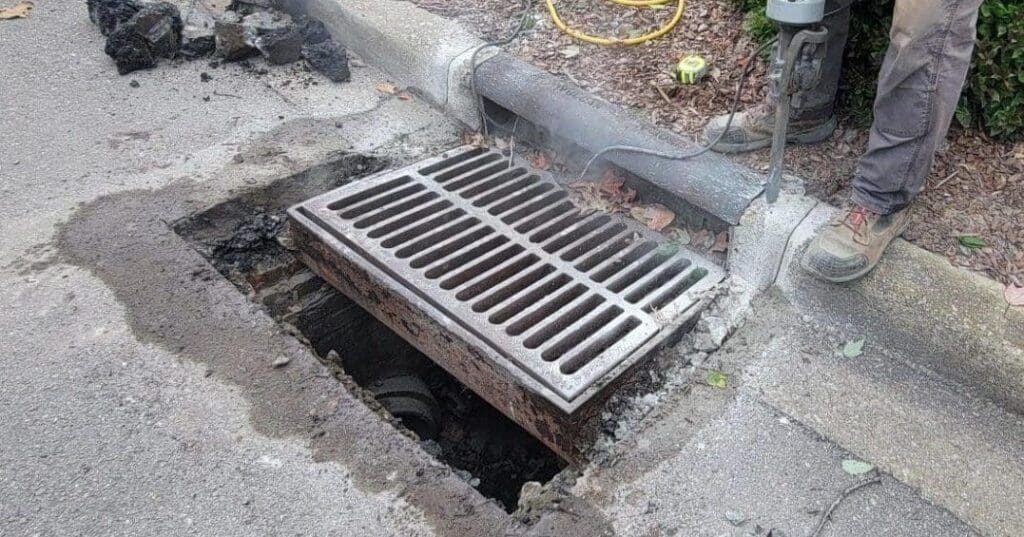
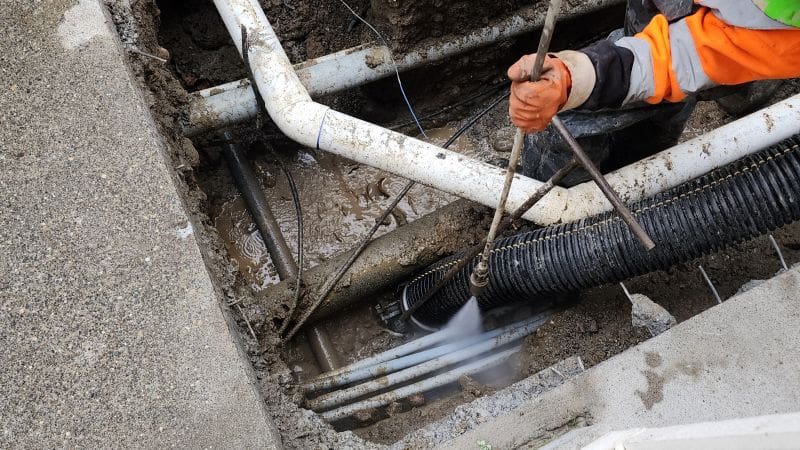
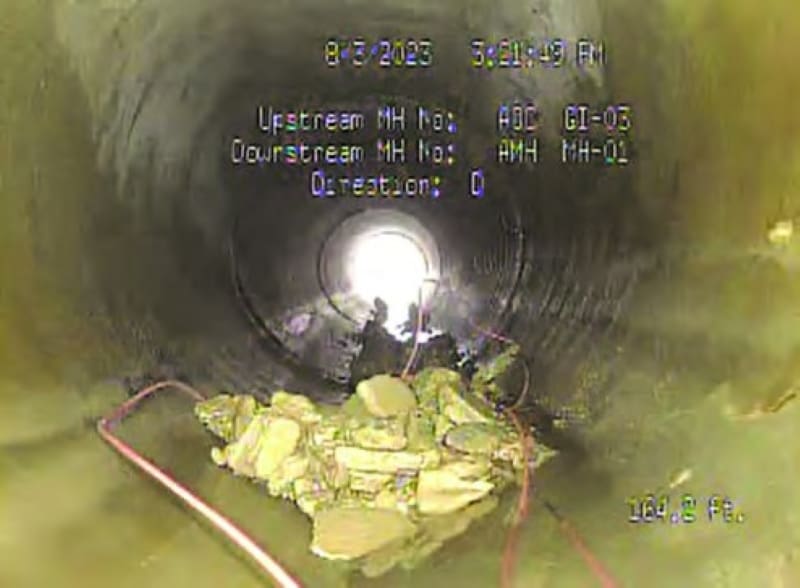
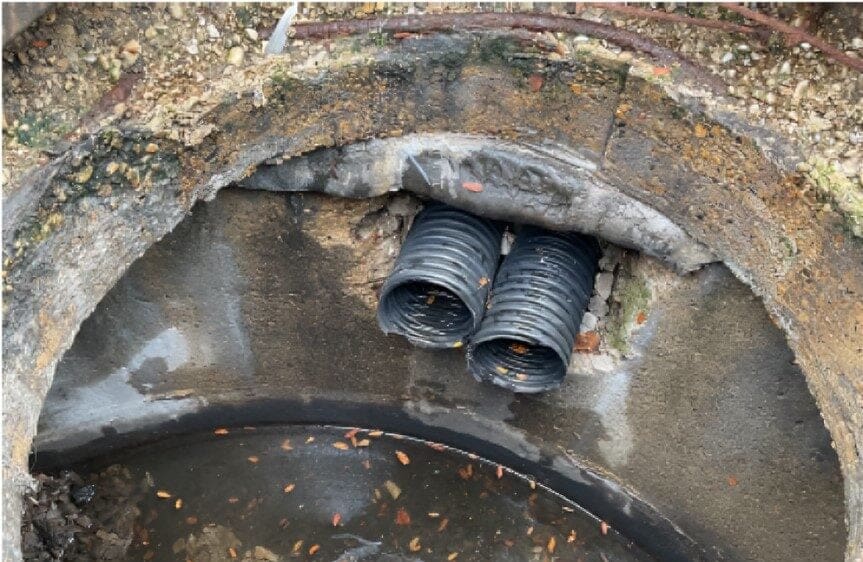
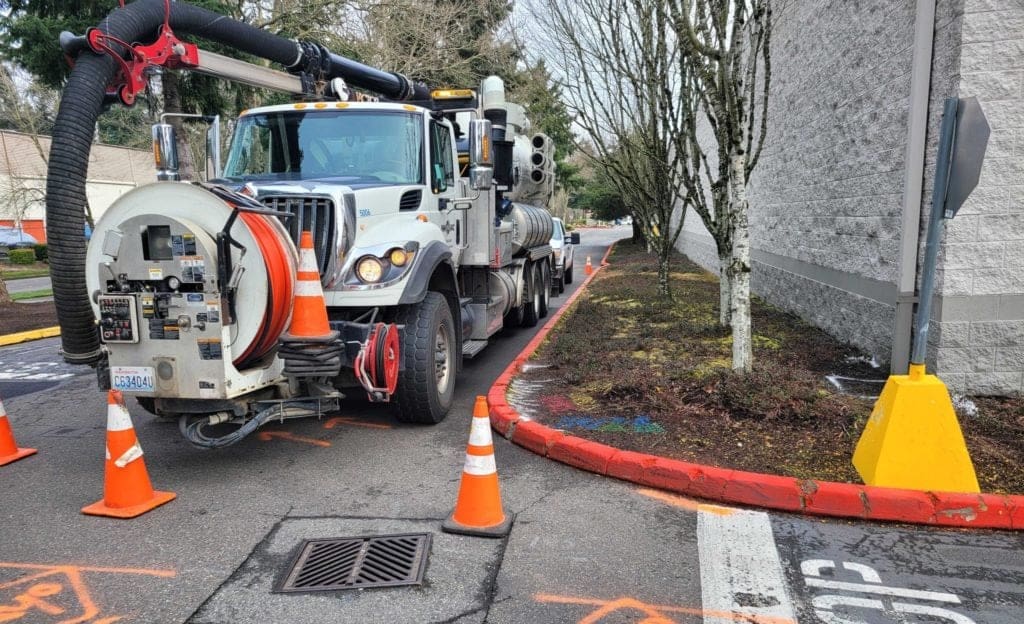
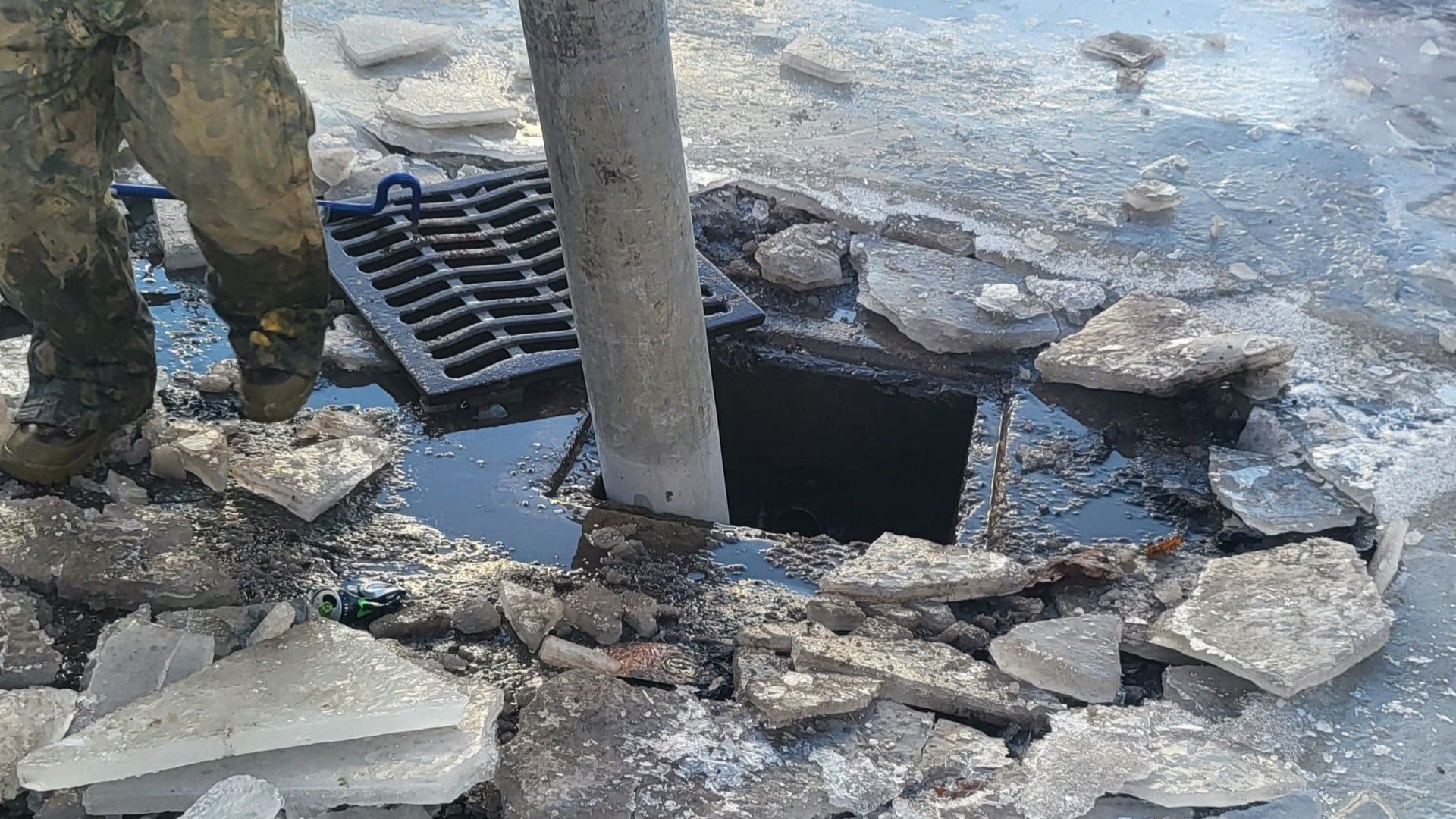
- Inspect storm drains and pipes: Regularly check storm drains and pipes for blockages or standing water. Standing water may indicate more significant subsurface issues that need immediate attention.
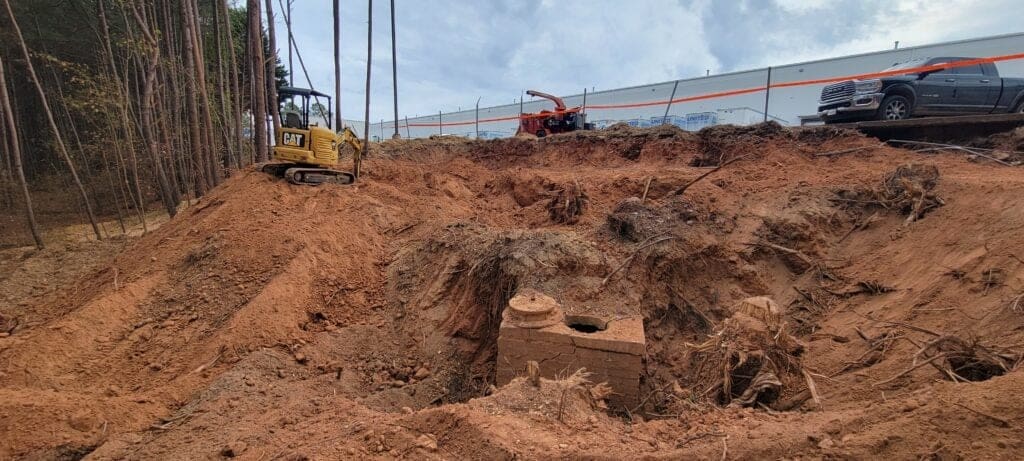
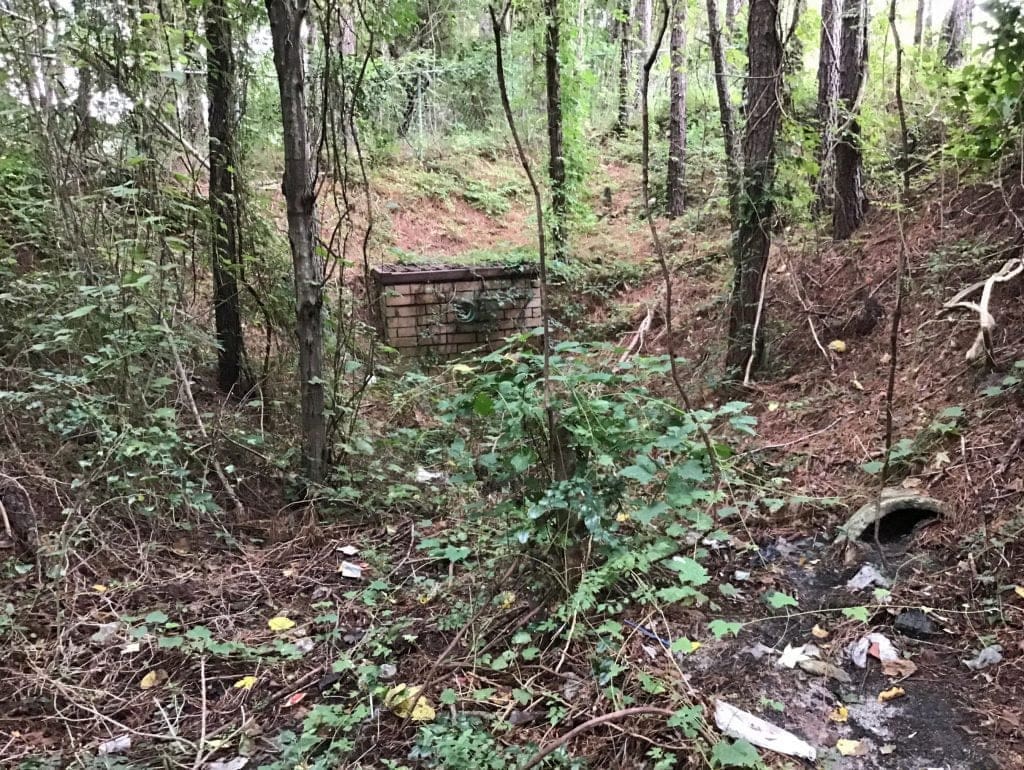
- Remove debris: Remove any dead trees and limbs from the basin to prevent blockages and ensure proper drainage.
Effects of Road Salt on Stormwater Systems
During winter storms, the use of deicing salt on roads is a common practice to improve traction and ensure safe driving conditions. However, road salt runoff can have detrimental effects on stormwater systems and water quality. As the snow melts, the salt and other deicing chemicals are carried into the stormwater infrastructure, leading to increased salinity and contamination. Deicing chemicals affects water quality poorly.
Excessive road salt in stormwater runoff can harm aquatic ecosystems and vegetation. It affects the balance of salt concentration in the water, potentially harming fish, invertebrates and plants. Additionally, road salt can infiltrate groundwater and drinking water sources, posing health risks to humans. Winter stormwater best practices are needed to take preventative measures.
Best Practices for Stormwater Salt Storage and Handling
To mitigate the negative impact of road salt on stormwater systems, proper salt storage and handling practices are crucial. Here are some winter stormwater best practices to follow:
- Cover salt piles: Store salt piles in covered areas to prevent runoff and leaching into stormwater systems.
- Monitor stockpile leachate: Regularly monitor the leachate from salt stockpiles to assess salt concentration levels. Properly manage and dispose of leachate to prevent contamination of nearby water bodies.
- Implement salt brine solutions: Consider using salt brine solutions as an alternative to solid salt. Salt brine can be applied before a snow event, preventing ice and snow from bonding to the pavement and reducing the need for excessive salt application.
- Educate personnel: Train personnel responsible for salt storage and handling on proper techniques to minimize salt runoff and contamination.
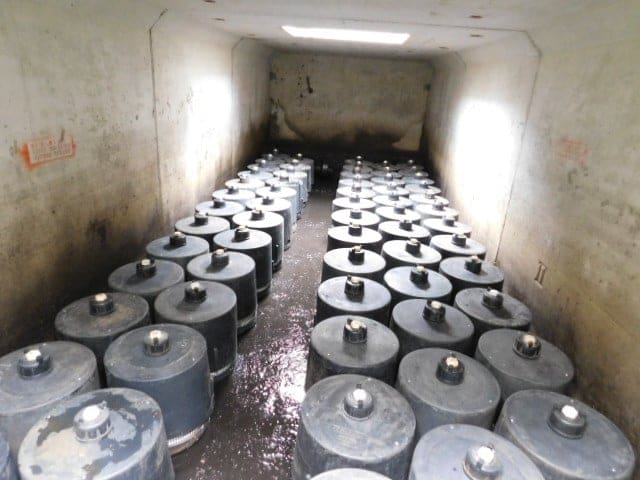
For those in search of additional winter stormwater best practices, the Jellyfish stormwater filter filters out salt as well and is an excellent water runoff solution.
Preventing Snowmelt and Water Pollution
Snowmelt runoff can transport various pollutants, including sediment, chemicals and debris, into stormwater systems. Implementing effective pollution prevention measures and winter stormwater best practices are crucial to protect water quality during the winter months. Below are some cold weather stormwater maintenance strategies to consider.
Street Sweeping
Even though street sweeping may be challenging during winter due to snow and ice, it is essential to resume sweeping as soon as conditions permit. Regular street sweeping helps remove accumulated pollutants and prevents them from entering stormwater systems.
Green Infrastructure
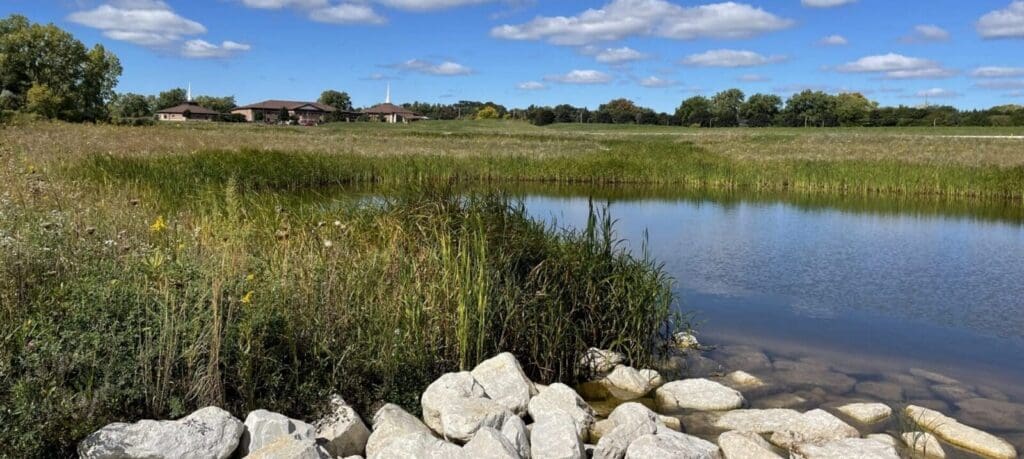
Incorporate green infrastructure elements, such as bioswales and engineered wetlands, into stormwater management plans. These features can help filter and treat snowmelt runoff, reducing the impact of pollutants on water quality.
Salt-Tolerant Planting
When selecting plants for green infrastructure projects, choose salt-tolerant species. These plants can withstand the effects of road salt and maintain their functionality in winter conditions.
Public Outreach and Education
Conduct public outreach campaigns to raise awareness about the importance of snowmelt pollution prevention. Provide information on proper disposal of snow and encourage residents to minimize the use of deicing chemicals on their properties.
Freeze-Resistant Stormwater Infrastructure
Cold weather stormwater management is needed In regions prone to freezing temperatures. It is also imperative to invest in freeze-resistant stormwater infrastructure. Here are some considerations for urban stormwater management, designing and maintaining such systems:
- Incorporate insulation and heating elements into stormwater pipes to prevent freezing and ensure continuous flow as part of cold weather stormwater management.
- This can include using heat tracing cables or applying insulation materials.
- Design stormwater systems with proper slopes and drainage to minimize the potential for water pooling and freezing.
- Implement a regular maintenance schedule to identify and address any issues that may compromise the freeze-resistant features of stormwater infrastructure.
Snowmelt and Erosion Control Measures
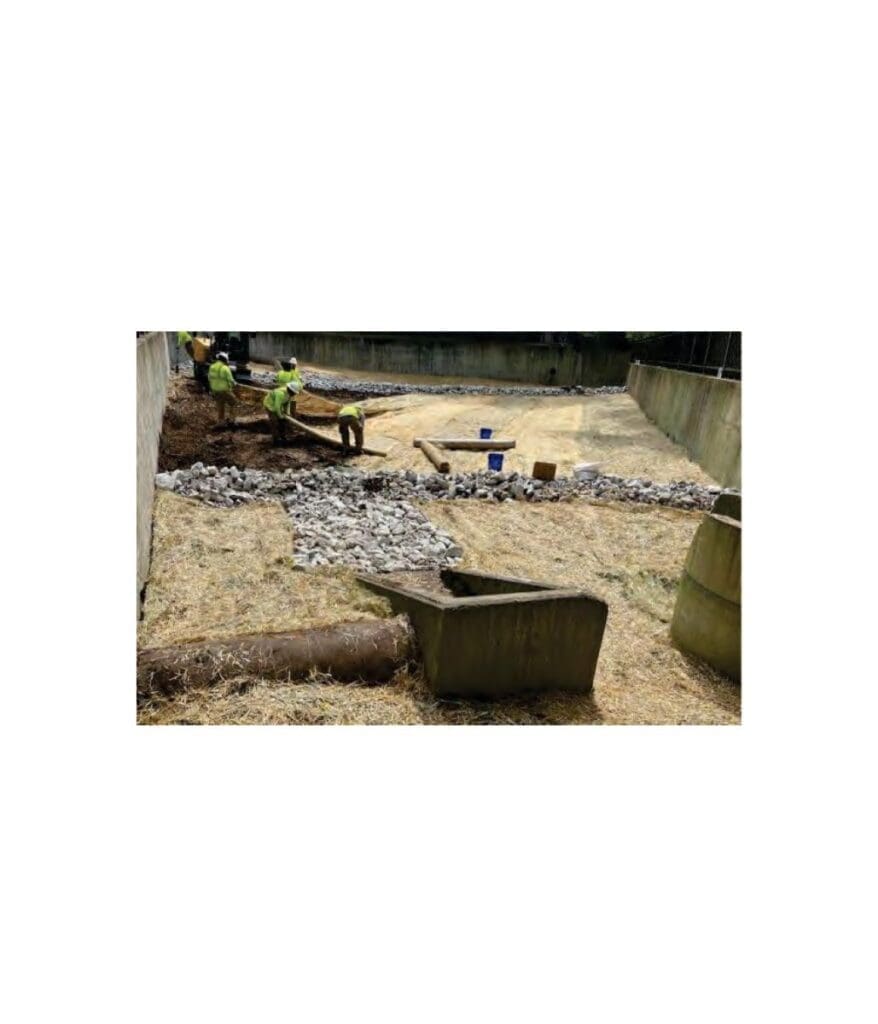
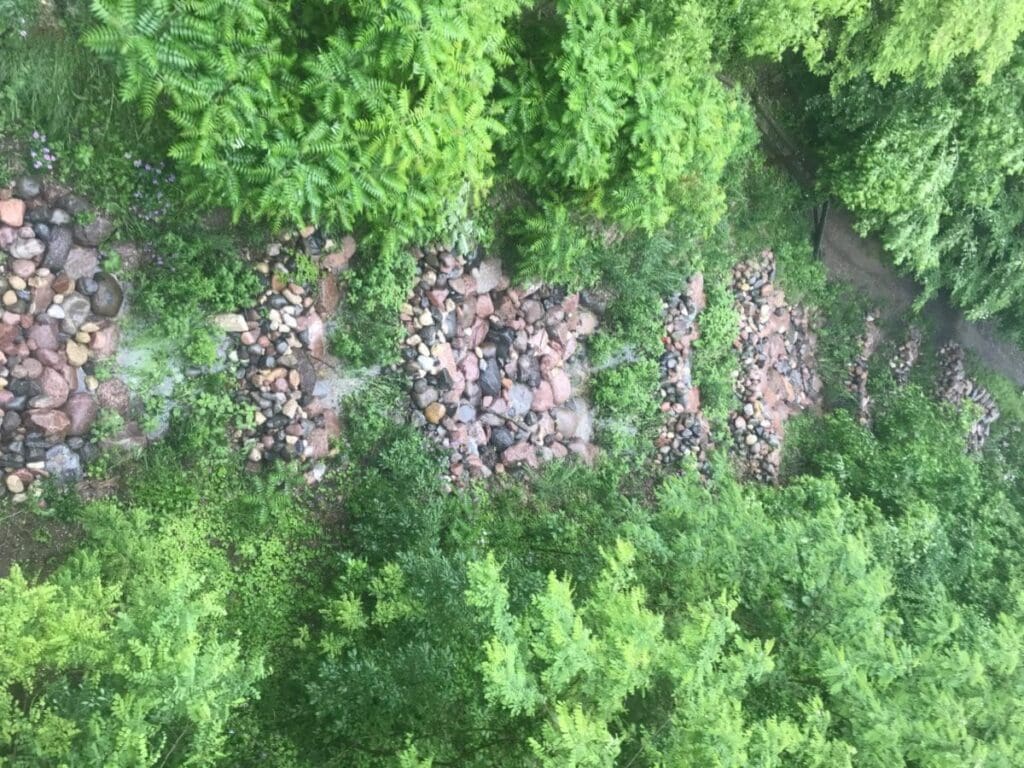
Snowmelt runoff can contribute to erosion if left uncontrolled. To prevent erosion and protect the integrity of stormwater systems, it is wise to plant vegetation, such as grasses and shrubs, install silt fencing or erosion control brackets in erosion-prone areas, implement terracing techniques and check sediment traps and basins. These preventive measures are part of winter stormwater best practices and can help avoid serious trouble when there are freezing temperatures.
Winter Stormwater Planning and Collaboration
Effective management requires careful planning and collaboration among various stakeholders. Municipalities, stormwater agencies and property owners should work together to develop comprehensive winter stormwater plans. Key elements of these plans should include
- Snow removal and plowing: Coordinate snow removal and plowing efforts to ensure efficient snow clearance without causing damage to stormwater infrastructure.
- Emergency response: Establish protocols for emergency response during winter storm events, including identifying emergency contacts and resources for rapid assistance.
- Monitoring and reporting: Implement monitoring programs to assess the performance of stormwater systems during winter storms. Regular reporting and data analysis can help identify areas for improvement and guide future planning efforts.
- Public communication: Maintain open lines of communication with the public regarding cold weather stormwater management. Provide updates on snow removal efforts, road conditions and any precautions residents should take to prevent stormwater system failures.
As freezing temperatures and winter storms continue to pose challenges, it is crucial to prioritize cold weather stormwater management. By understanding the impact of freeze-thaw cycles, implementing effective pollution prevention measures and investing in freeze-resistant infrastructure, communities can mitigate the risks associated with winter weather. Collaboration among stakeholders, regular maintenance and comprehensive winter stormwater planning is vital to ensure the integrity and functionality of stormwater systems even in the face of freezing temperatures.