

Last Updated 08/19/2026
City of Frederick Stormwater Ordinance
CHAPTER 1-15.2: STORMWATER MANAGEMENT.
ARTICLE IX: MAINTENANCE
§1-15.2-9.1 EASEMENT/MAINTENANCE AGREEMENT
- Prior to the recordation of a final subdivision plat, or the issuance of a building permit where no subdivision is taking place, and for any development of property which will require stormwater management, an easement/maintenance agreement(s) necessary for perpetual maintenance of ESD treatment systems and structural BMPs shall be executed by all those having an interest in the property to be affected and shall be recorded among the land records.
- The easement/maintenance agreement shall be binding on all subsequent property owners. The easement/maintenance agreement shall:
- Provide for the creation of an easement for all ESD treatment systems and structural BMPs;
- provide for the division to have access for inspection and/or maintenance of the ESD treatment systems and structural BMPs;
- Specifically identify all lots or parcels that are benefitted by the ESD treatment systems and structural BMPs;
- Specify the party or entity (e.g. a property owners association) that is responsible for maintenance of ESD treatment systems and structural BMPs; and
- Provide that upon receipt of notice of any problems or deficiencies in the ESD treatment systems or structural BMPs the responsible party will correct problems as ordered by the division. If the requested corrections are not made within 30 days, the division may, at its option, perform all the necessary work to bring the ESD planning techniques and practices and structural BMPs into compliance with statutory requirements, and the owner of the land(s) upon which the facility is located and any benefitted property may be assessed for the cost of the work. If not paid within 30 days, the assessment shall create a lien on the property upon which the facility is located or any benefitted property and may be included in the tax bill and collected as taxes by the county.
- Satisfactory proof of the identities of all those having an interest in the encumbered and benefitted property shall be provided to the division in a form acceptable to the office of the county attorney.
- To the extent the board of county commissioners agrees to accept maintenance responsibility or ownership of ESD planning techniques and practices and structural BMPs, these facilities shall be maintained by an agency appointed by the board of county commissioners. The board of county commissioners reserves the right to set up storm drainage districts to pay for this service.
§1-15.2-9.2 MAINTENANCE INSPECTION
- The division shall ensure that preventative maintenance is performed by inspecting all ESD treatment systems and structural BMPs. Inspection shall occur during the first year of operation and at least once every 3 years thereafter.
- Inspection reports shall be maintained by the division for all ESD treatment systems and structural BMPs.
- Inspection reports for ESD treatment systems and structural BMPs shall include the following:
- The date of inspection;
- Name of inspector;
- An assessment of the quality of the stormwater management system related to ESD treatment system efficiency and the control of runoff to the MEP;
- The condition of:
- Vegetation or filter media;
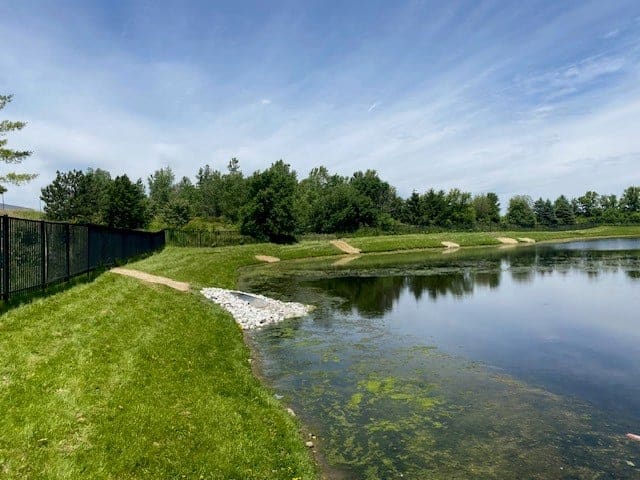
- Fences or other safety devices;
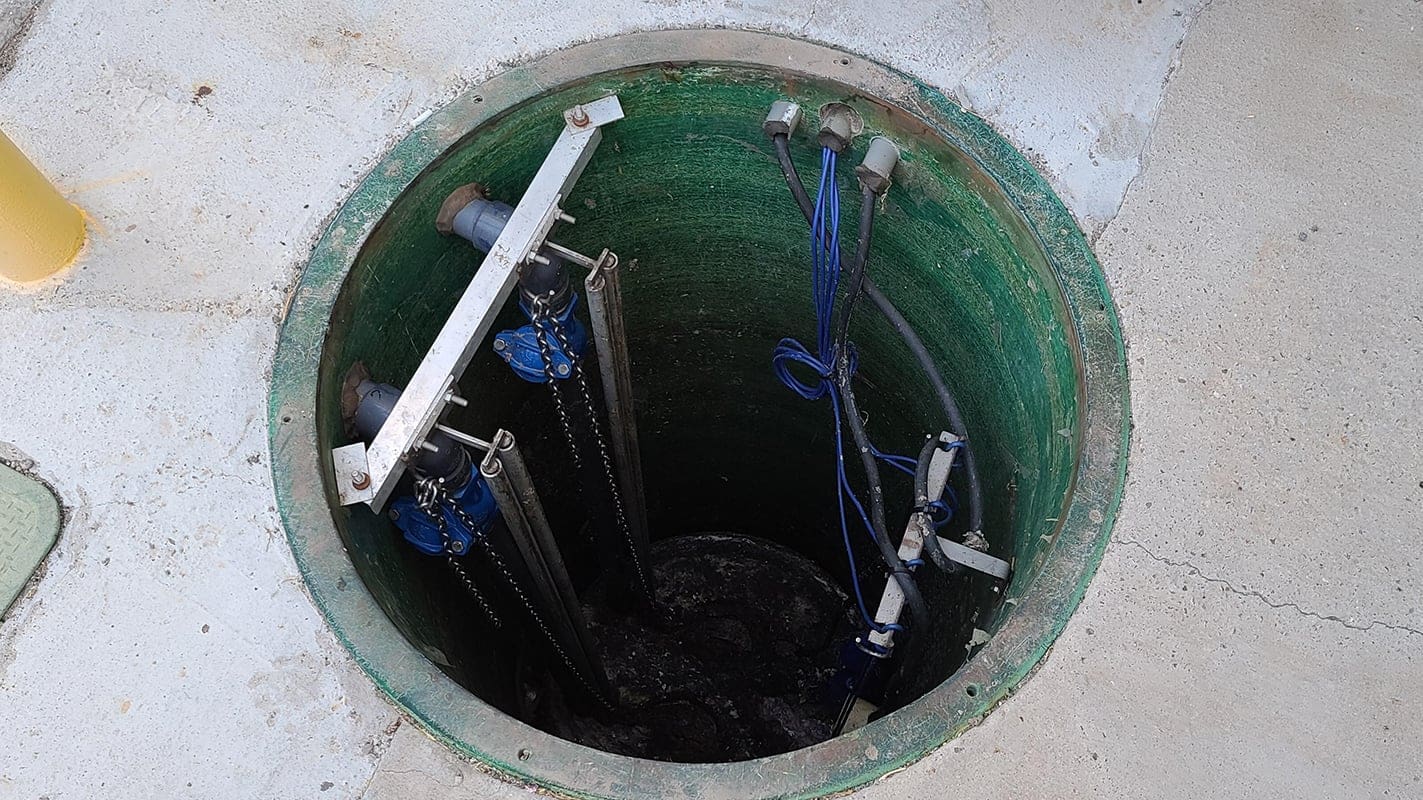
- Spillways, valves, or other control structures;
- Embankments, slopes, and safety benches;
- Reservoir or treatment areas;
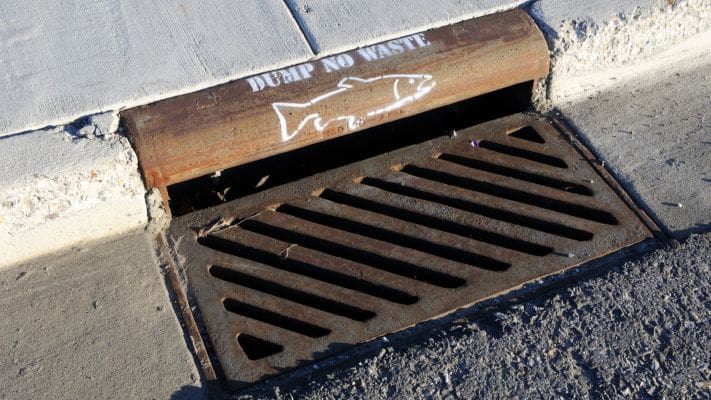
- Inlet and outlet channels or structures;
- Underground drainage;
- Sediment and debris accumulation in storage and forebay areas;
- Any nonstructural practices to the extent practicable; and
- Any other item that could affect the proper function of the stormwater management system.
- Description of needed maintenance.
- After notifying an owner or other responsible person of the inspection results, the owner or other responsible person shall have 30 days, or other time frame mutually agreed to between the division and the owner or other responsible person, to correct the deficiencies discovered. The division shall conduct a subsequent inspection to ensure completion of the repairs.
- If repairs are not properly undertaken and completed, the enforcement procedures described in Article X of this chapter shall be followed.
- If, after an inspection by the division, the condition of ESD treatment systems or structural BMP is determined to present an immediate danger to public health or safety, the division shall take such action as may be necessary to protect the public and make the facility safe. Any cost incurred by the division shall be assessed against the owner(s) or other responsible person(s), as provided in §1-15.2-9.l (b)(4) of this chapter.
§1-15.2-9.3 MAINTENANCE RESPONSIBILITY
- The person responsible for maintenance of ESD treatment systems and structural BMPs, shall maintain in good condition and promptly repair and restore all ESD practices, grade surfaces, walls, drains, dams and structures, vegetation, erosion and sediment control measures, and other protective devices in perpetuity. Such repairs or restoration and maintenance shall be in accordance with previously approved or newly submitted plans.
- A maintenance schedule shall be developed and shown on the approved final SWM plan, and shall indicate the necessary maintenance and frequency thereof.
- ESD treatment systems and structural BMPs shall be owned and maintained by a property owners association, a private property owner, or another private person. Only those ESD planning techniques and practices and structural BMPs that provide a recreational benefit and access to the general public may be considered for acceptance and maintenance by the board of county commissioners; provided that:
- The request for public maintenance is made prior to approval of the SWM concept plan; and
- The division and any affected county agency provides an affirmative recommendation to the board of county commissioners. ESD planning techniques and practices and structural BMPs to be dedicated to the board of county commissioners shall be maintained by the developer until such time as they are accepted by the board of county commissioners. To the extent the board of county commissioners agrees to accept ESD treatment systems and structural BMPs, the facilities shall be maintained by an agency appointed by the board of county commissioners. The board of county commissioners reserves the right to set up storm drainage districts to pay for this service.
ARTICLE X: PENALTIES AND ENFORCEMENT
§1-15.2-10.L ENFORCEMENT ACTIONS.
- The division may utilize any one or a combination of the following actions for enforcement of this chapter:
- A notice of violation, specifying the need for corrective action if noncompliance with any plan or agreement is identified;
- A stop work order, if a violation persists;
- Collection of the security if reasonable efforts to correct the violation have not been undertaken within a reasonable time period; or
- Civil citation, a civil action or criminal prosecution may be brought against any person in violation of this chapter.
- Any step in the enforcement process may be taken at any time, depending on the severity of the violation.
Stormwater Management Utility Fee
City Stormwater Management Utility Fees
The City of Frederick charges a Stormwater Management (SWM) Utility Fee for all real properties located in the City limits including public owned and tax-exempt properties. Properties receiving city water and sewer service are billed the SWM Utility Fee as a line item on their quarterly utility bill.
The revenue generated from this fee is used to fund stormwater management, storm drainage, and water quality programs throughout the City. These programs include and maintenance of stormwater management and storm drainage systems, street sweeping, watershed studies, water quality monitoring, public outreach and other activities as required for compliance with the City’s National Pollutant Discharge Elimination System (NPDES) General Permit for Discharges from Municipal Separate Storm Sewer Systems (MS4).
Fee Amount Calculations
The SWM Utility Fee structure is based upon impervious surface area as higher amounts of impervious surface area contribute greater amounts of stormwater runoff. The annual amount billed is calculated by dividing the impervious surface area in square feet by 1,000 square feet and multiplying by the unit rate found on the current fiscal year Fee Schedule.
For residential properties and those in the downtown district an average percent impervious surface area has been established per dwelling type. This average is the Percent Impervious Factor (PIF). PIF values can be found in Section 28-29 of the Stormwater Utility Fee Ordinance. To obtain the impervious surface area used for determining the SWM Utility Fee the PIF is multiplied by the property area. For all other properties an actual impervious surface area measurement is used for determining the SWM Utility Fee amount.
Fee adjustments may be requested in writing if the criteria in Section 28-33 of the Stormwater Utility Fee Ordinance are met.
View State Page
Frequently Asked Questions
What does Frederick County's easement and maintenance agreement require for stormwater facilities?
Before a final subdivision plat is recorded, or a building permit is issued for a project requiring stormwater management, everyone with an interest in the property must execute a recorded easement and maintenance agreement. It must create an easement covering all ESD treatment systems and structural BMPs, identify every lot or parcel that benefits from them, name the party responsible for maintenance, such as a property owners association, and give the county access for inspection.
What happens if a Frederick County property doesn't fix a stormwater deficiency after notice?
The responsible party has 30 days to correct problems identified in an inspection. If corrections aren’t made in that window, the county can perform the necessary work itself and assess the cost against the property owner and any benefited properties. Unpaid assessments become a lien on the property and can be added to the tax bill.
How often does Frederick County inspect stormwater facilities?
The division inspects all ESD treatment systems and structural BMPs during their first year of operation and at least once every three years after that. Inspection reports cover vegetation condition, safety devices, control structures, embankments, and sediment accumulation, among other elements, and are kept on file by the county.
Who is responsible for maintaining stormwater BMPs long-term in Frederick County?
Ownership and maintenance typically fall to a property owners association, a private property owner, or another private party, and that responsibility continues in perpetuity according to the approved maintenance schedule. The county will only consider accepting maintenance responsibility for facilities that provide public recreational benefit and access, and only if that request is made before the stormwater management concept plan is approved.
What enforcement actions can Frederick County take for a stormwater violation?
The county can issue a notice of violation requiring corrective action, follow up with a stop work order if the violation continues, collect on a posted security if corrections aren’t made in a reasonable time, or pursue civil or criminal action. The county can take any of these steps at any point depending on how serious the violation is, not necessarily in sequence.
How is the City of Frederick's stormwater utility fee calculated for commercial properties?
The fee is based on measured impervious surface area. For non-residential properties outside the downtown district, the city uses the actual impervious surface area, divides it by 1,000 square feet, and multiplies that figure by the current fiscal year’s unit rate to get the annual fee. This differs from residential and downtown properties, which use an estimated Percent Impervious Factor instead of a direct measurement.
The information on this page is provided for general informational purposes only and is not legal advice. Regulations change frequently — AQUALIS makes no warranty as to the accuracy or completeness of this content, and any reliance on it is at your own risk. Consult a qualified professional or your local regulatory authority to confirm requirements applicable to your specific property.