


Maintaining Underground & Above Ground Stormwater Systems
Underground and aboveground stormwater systems are designed with the expectation that regularly scheduled maintenance will be performed throughout the life of the system. Stormwater systems generally have two intended treatment objectives: quantity and quality. Quantity objectives are to store stormwater volume during rain events and to slowly meter the stormwater flow to the surface waters and groundwater of the state. Quality objectives are to provide for pollutant or sediment removal and temperature stabilization before discharge to the surface waters of the state. Without regular maintenance, the system will ultimately fail due to pollutant or sediment buildup and unnoticed or unrepaired system failures, with such failure creating environmental risks and liabilities.
Underground maintenance involves inspection and cleaning of water conveyance systems (catch basins, drop inlets, trench drains, etc.) as well as proprietary underground stormwater management systems. Above ground maintenance is typically concentrated at an aboveground stormwater facility, and includes vegetative maintenance, aquatic nuisance management, and maintenance to flumes, dissipaters, swales, storm pipe inlets and outlets, and outfall devices.
Stormwater Management
There are five areas in a successful stormwater management program. The most important of the five areas is regular stormwater maintenance by professionally trained individuals. A stormwater management system is typically a significant investment by a property owner in protecting the surface waters of the state. Like any other valuable capital asset, regular maintenance is required to keep the asset properly functioning. If properly maintained, a stormwater management system can perform effectively for many years without incurring significant repair costs. However, if un-maintained or ill-maintained, stormwater systems can quickly become ineffective, increasing both repair costs and owner/property manager liability. Stormwater control measures (SCMs) are engineered systems designed to meet specific quantity and quality rates, therefore, specific attention, on a regular basis, and by trained professionals is required for these facilities.
Each system has different needs based on several contributing factors:
- Type of SCM and design criteria
- Watershed contributing to the SCM
- Local Stormwater regulations
In many cases, a maintenance agreement is signed between the property owner and the local regulatory body, with specific terms relative to the maintenance of the system on site. Many property owners outsource these legally binding maintenance agreements to professional stormwater contractors such as AQUALIS. This whitepaper will discuss what stormwater maintenance is and provide specific details on the two general types of maintenance programs: underground and above ground.
Stormwater Maintenance
Stormwater management is the overall program for stormwater. Stormwater maintenance, sometimes called “preventive maintenance”, is a customized program to meet the needs of the specific stormwater system and to ensure its continued functionality for as long as possible.
To develop a maintenance plan, the property owner or manager must consider a few questions:
- What do the stormwater site plans dictate relative to maintenance?
- What are the needs of the specific SCMs on site? (Consideration must be given to vegetation, aquatic vegetation, nuisance conditions, topography, access, etc.
- Are there any maintenance requirements based on the location or the functioning of the system?
- What is the property owner’s budget allocated toward maintenance?
Maintenance is typically the responsibility of the property owner, and as noted, is often outsourced. The municipality or regulatory body in which the stormwater system is located often requires maintenance. If there is indeed a maintenance agreement with the local regulatory body, it is very important to understand the specific details of the maintenance agreement in order to ensure complete regulatory compliance.
Maintaining Underground Stormwater Systems
An engineered system of drains is installed throughout a property to transmit water away from the impervious surfaces of the site. Rainfall is conveyed through the storm sewer system and enters a proprietary SCM, an aboveground SCM, a natural area, or a municipal storm sewer system.
Many developments are limited by size or space and may not be able to implement an aboveground SCM necessary to meet the criteria or standards set forth by the regulatory body. In many of these cases, proprietary devices are installed as part of the underground stormwater system in order to achieve the desired quantity and quality standards at a site. A proprietary device is a manufactured system designed to treat stormwater. Decision-making on an underground proprietary device versus an above ground SCM usually revolves around land cost, and the value of utilizing scarce land for an above ground SCM (as compared to installing a proprietary device under a parking lot). The popularity of proprietary systems is usually directly related to increased land development and density. Proprietary devices are also used in conjunction with aboveground facilities in order to improve quantity and quality performance.
A few examples of proprietary devices are as follows:
- Detention Vaults
- Stormceptor Units
- Vortechnic Units
- Contech StormFilter Units
- Swirl Separators
- Weir Boxes
Numerous properties across the United States are using a type of SCM known as a Drywell. These are hollow, underground columns with perforated walls, set into porous soil. Water can slowly soak into the ground and dissipate into the local groundwater. Drywells are the most common example of Underground Injection Control (UIC), which is usually tightly regulated to ensure safe and proper groundwater recharge. For parts of the world that depend on aquifers for drinking water and irrigation, groundwater recharge is especially important.
Underground Stormwater Systems are variable, and maintenance costs can be relatively high based on the system in place and the ability to access the system for maintenance. The following activities are common to an underground stormwater maintenance plan and should be performed by a knowledgeable and qualified individual.
- Learn the design of the system with the use of drainage or as-built site plans.
- Remove all sediment, trash, and debris from grates of inlets.
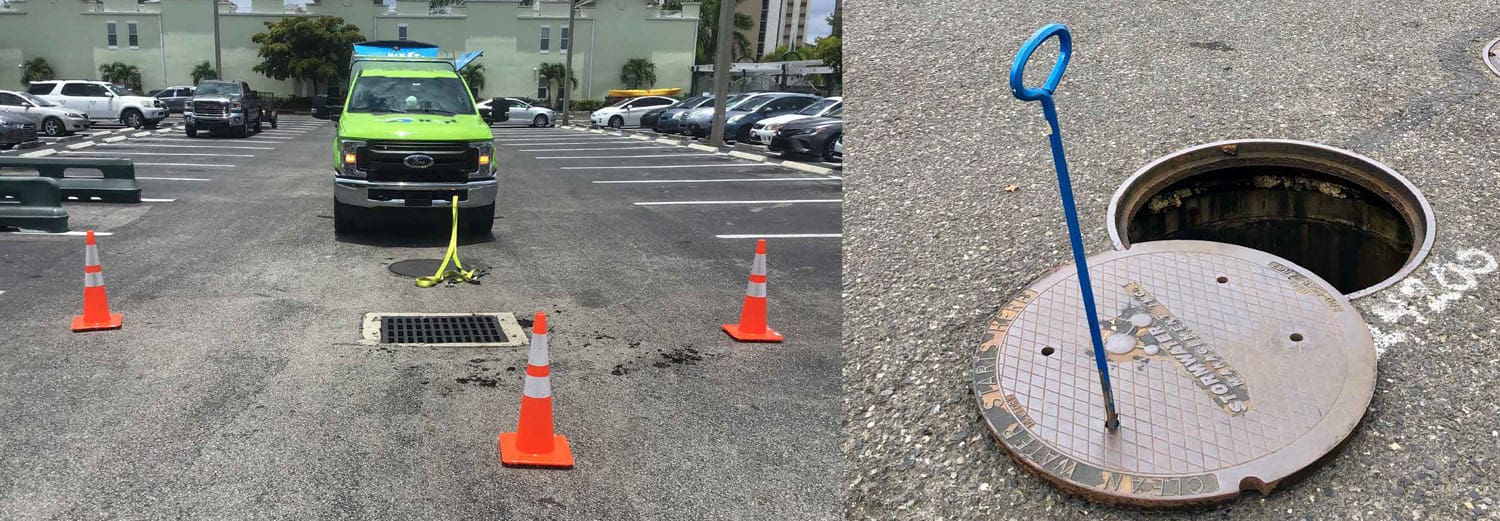
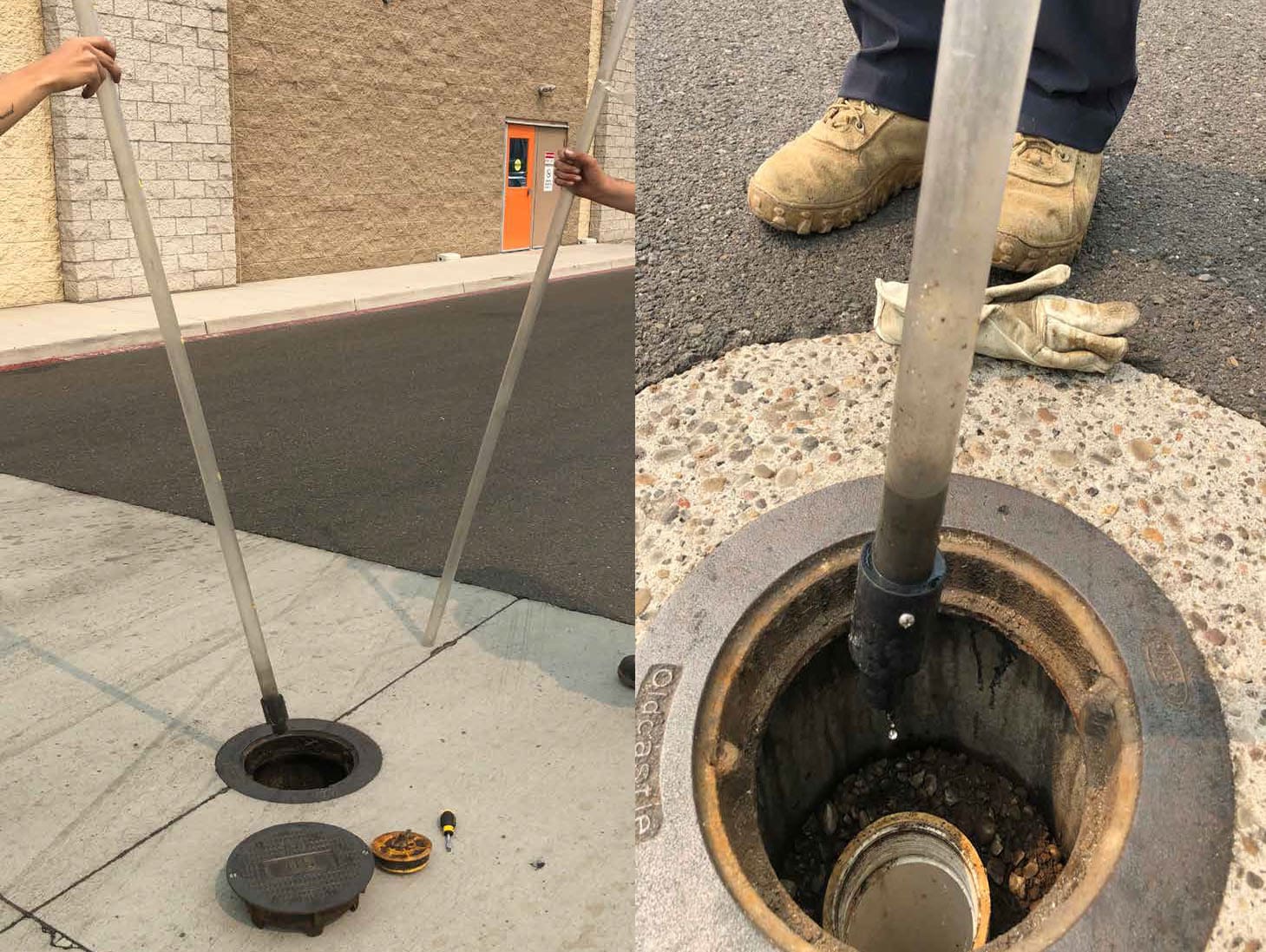
- Safely remove all storm sewer grates or manhole covers to visually inspect all sumps and underground structures from above.
- Remove any trash, sediment and debris present and within reach without entering the structure.
- Use a Sludge-Judge, or similar product to determine the volume of sediment present in all sumps, filters, and units, without entering the structure.
- If deemed necessary to enter the structure, only a certified individual following the approved procedures for “confined space entry” should enter the structure to perform the inspection or maintenance activities listed above.
- If sediment volumes are impeding the system or it is determined that volumes are at the manufacturer’s recommended clean out volume, a Vacuum/Vactor Truck service should be deployed to remove all excess materials from the underground system.
- Document any structural deficiencies or sinkholes observed with the structure or surrounding area.
Reducing Maintenance Costs for Underground Stormwater Systems
Many underground systems utilize vactor truck cleaning and filter replacement on an annual basis, but the frequency for this type of service is highly dependent on the inputs to the system. Regular inspections should be performed on the system in order to determine the potential need for more frequent vactor cleaning. The following good-housekeeping techniques can greatly reduce the maintenance costs relative to an underground system:
- Educate residents or employees on how their actions impact the stormwater system and how they can help reduce maintenance costs
- Keep properties, streets and gutters, and parking lots free of trash, debris, and landscape clippings
- Do NOT blow leaves or debris into storm drains
- Ensure the proper disposal of hazardous wastes and chemicals
- Plan lawn care to minimize the use of chemicals and pesticides
- Be conscious of spills and react accordingly
- Sweep paved surfaces and dispose of materials in proper locations; prevent sweeping of materials into storm drains
- Re-vegetate disturbed and bare areas to maintain vegetative stabilization
- Maintain mulch beds to prevent washouts from landscaped gardens
- Do not mulch swales and ditches, as mulch can float and easily clog and/or enter stormwater systems; always maintain swales and other SCMs to their designed plans and consult with stormwater professionals if plans are not available
- Clean out the upstream components of the storm drainage system, including inlets, storm sewers and outfalls
- Cautiously and consciously stage materials, utilizing best management practices in order to prevent products from entering storm drains
Ensure that the system installed operating and performing as designed by implementing a customized stormwater maintenance plan for the system.
Maintaining Aboveground Stormwater Systems
Many factors are taken into consideration when designing a SCM for a site. Depending on the water quality and quantity criteria that needs to be achieved, and the physical characteristics of the site, there are multiple types of aboveground SCMs currently implemented for management of stormwater. Each of the SCMs requires different types of stormwater maintenance programs.
Basic activities of an above ground SCM maintenance program include trash and debris removal, sediment control, structure maintenance and cleaning, mowing and aquatic controls. More specific above ground maintenance activities are:
- Before beginning any SCM maintenance, the maintenance operator must understand the design of the stormwater system, and the intended functionality of the specified SCM (by utilizing the drainage or as-built site plans)
- Gain access to the SCM
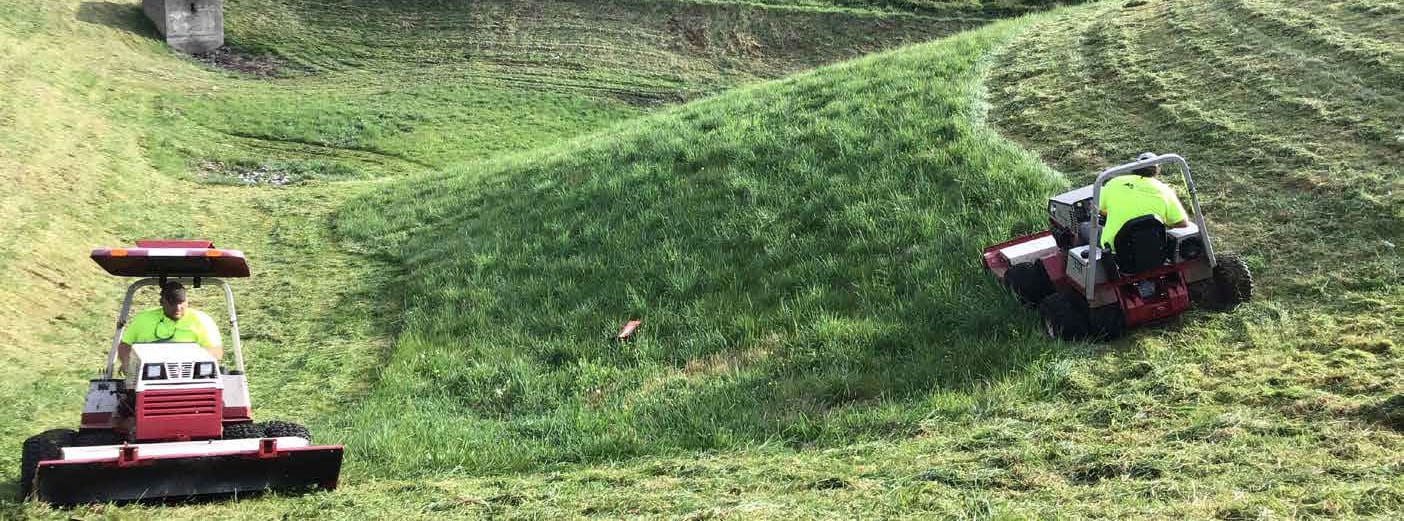
- Maintain native grasses to a height of 4-6”
- Stabilize any areas of poor coverage and erosion
- Control invasive vegetation by mowing, and treat with approved herbicide by licensed applicator; remove dead material from the SCM
- Trim any planted shrubs or trees and remove any dying material
- Maintain the dam slope of the basin to prevent tree growth from exceeding 6” in diameter which can damage the dam
- Inspect and maintain all structures of the stormwater facility by removing excess sediment, trash, and debris; clear debris from all orifices; remove or trim all vegetation at inlets/outfalls
- Inspect all structures for structural deficiencies and document findings
- Assess sediment volumes at forebay, basin bottom, and throughout structures of the SCM and document findings; clean out when facility capacity is at the recommended or regulated volume
- Remove sediment, trash and debris buildup throughout the SCM Secure the SCM to limit unauthorized access and ensure safety
SCM-Specific Maintenance Activities
As noted, a successful stormwater maintenance program examines several factors specific to the SCM onsite. SCM specific maintenance activities include the following:
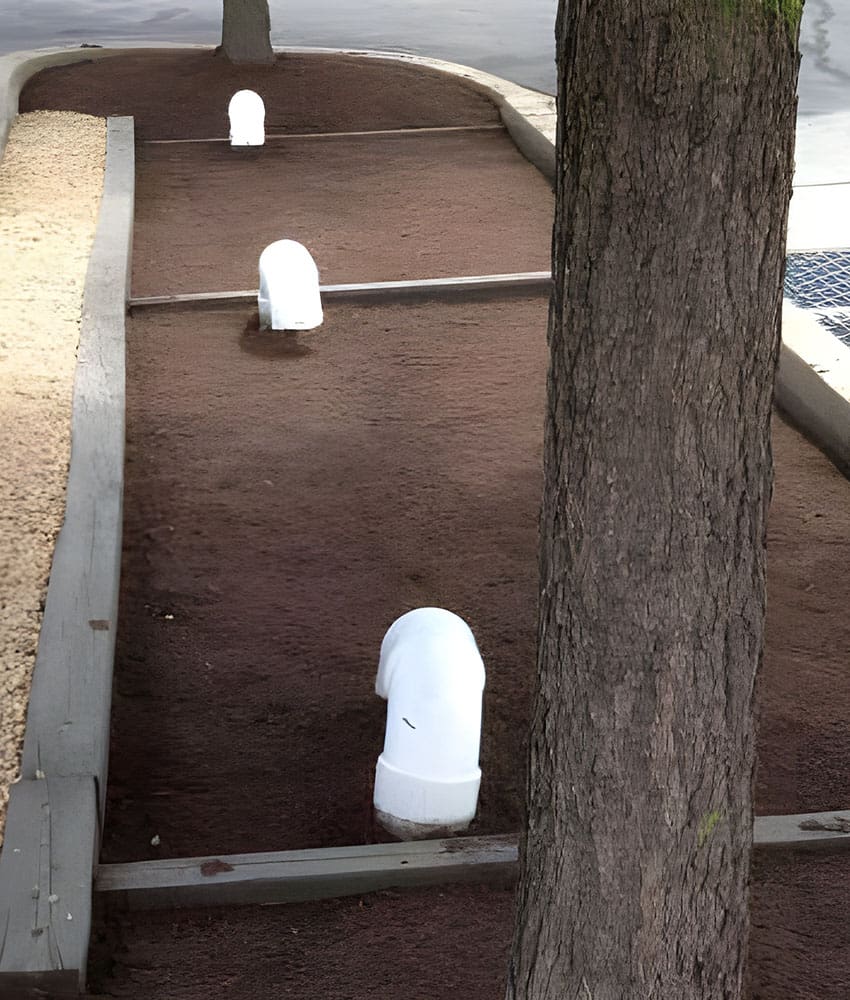
Bio-retention Cells & Rain Gardens
Distinguishing Features
- Vertical clean out (stand) pipes
- Curb opening or inlet for
stormwater inputs - Mulch or media bed
- Desirable plants
Common Preventive Maintenance Activities
- Pruning and selective invasive treatment
- Trash and debris removal
- Small-scale sediment removal at inlets
- Inspection of mulch, media and sediment accumulation
- Inspection of underdrain by stand-pipe observation
- Re-mulching as needed
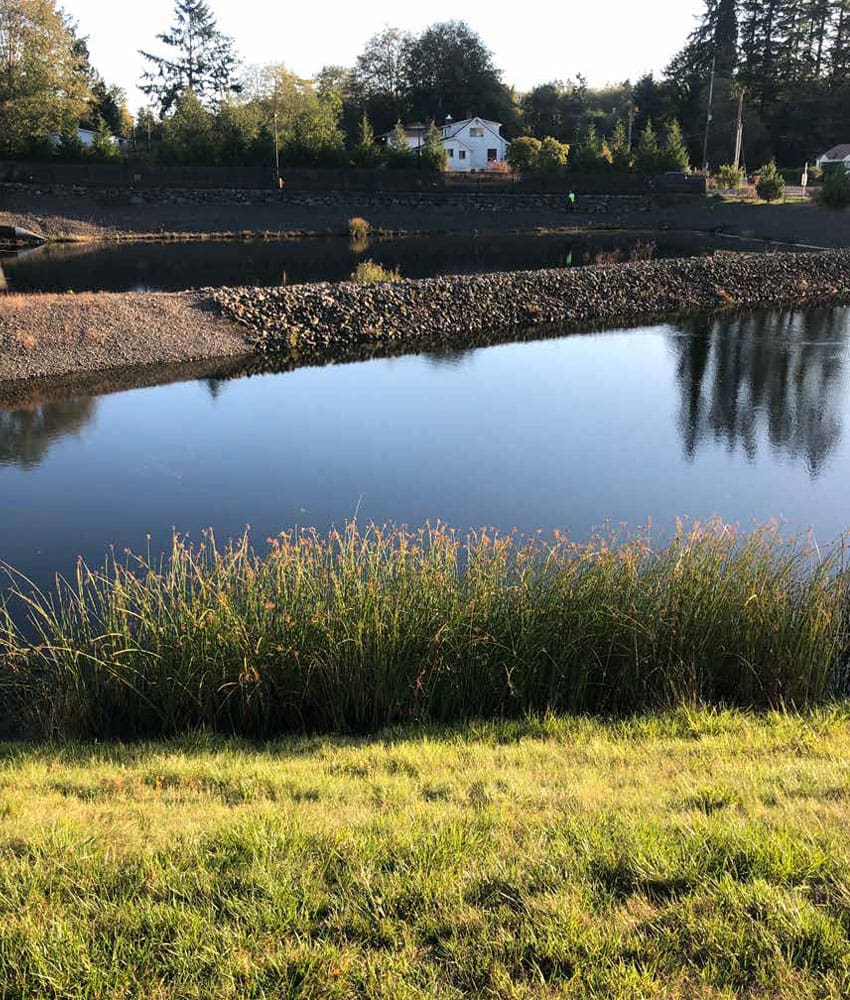
Wet Detention Basin (Retention Pond)
Distinguishing Features
- Permanent pool of water
- Pipe openings or channels for inputs of stormwater
- Riser and overflow structure
Common Preventive Maintenance Activities
- Mowing of slopes and dam slope
- Structure inspection and cleaning
- Trash and debris removal
- Algae and herbicide treatment
of invasive aquatic life - Replacement of displace
- energy dissipation
- Seeding and aerating
- Mosquito control
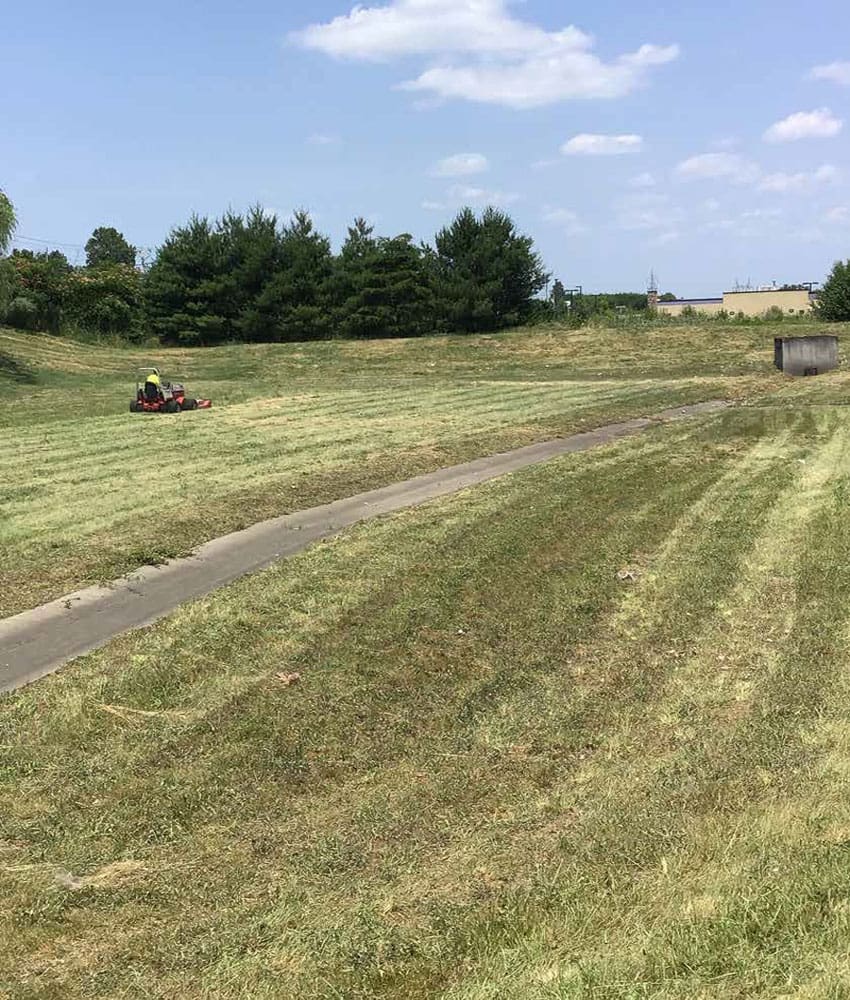
Dry Detention Basin (Detention Pond)
Distinguishing Features
- Temporary pool of water during and immediately after a rain event
- Vegetated or rock-lined side slopes and channel bottom
- Pipe openings or channels for inputs of stormwater
Common Preventive Maintenance Activities
- Mowing of slopes, basin bottom and dam slope
- Structure inspection and cleaning
• Trash and debris removal; small-scale sediment removal - Pipe or surface runoff at lowe grade
- No riser structure
- Herbicide treatment of invasive aquatic life
- Replacement of displaced energy dissipation
- Seeding and aerating
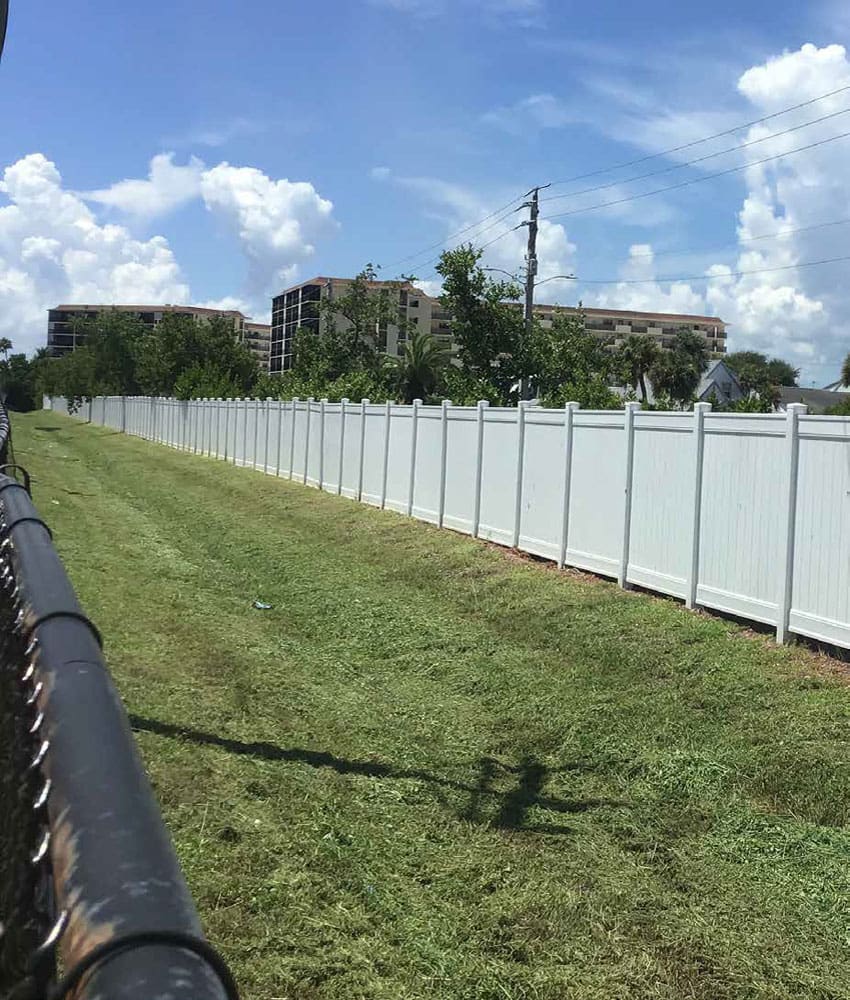
Swale (Grassed or Rock-Lined)
Distinguishing Features
- Temporary pool of water during and immediately after a rain event
- Vegetated or rock-lined side slopes and channel bottom
- Pipe openings or channels for inputs of stormwater
- Pipe or surface runoff at lower grade
- No riser structure
Common Preventive Maintenance Activities
- Mowing of slopes, basin bottom and dam slope
- Structure inspection and cleaning
- Trash and debris removal; small-scale sediment removal
- Herbicide treatment of invasive aquatic life
- Replacement of displaced energy dissipation
- Seeding and aerating
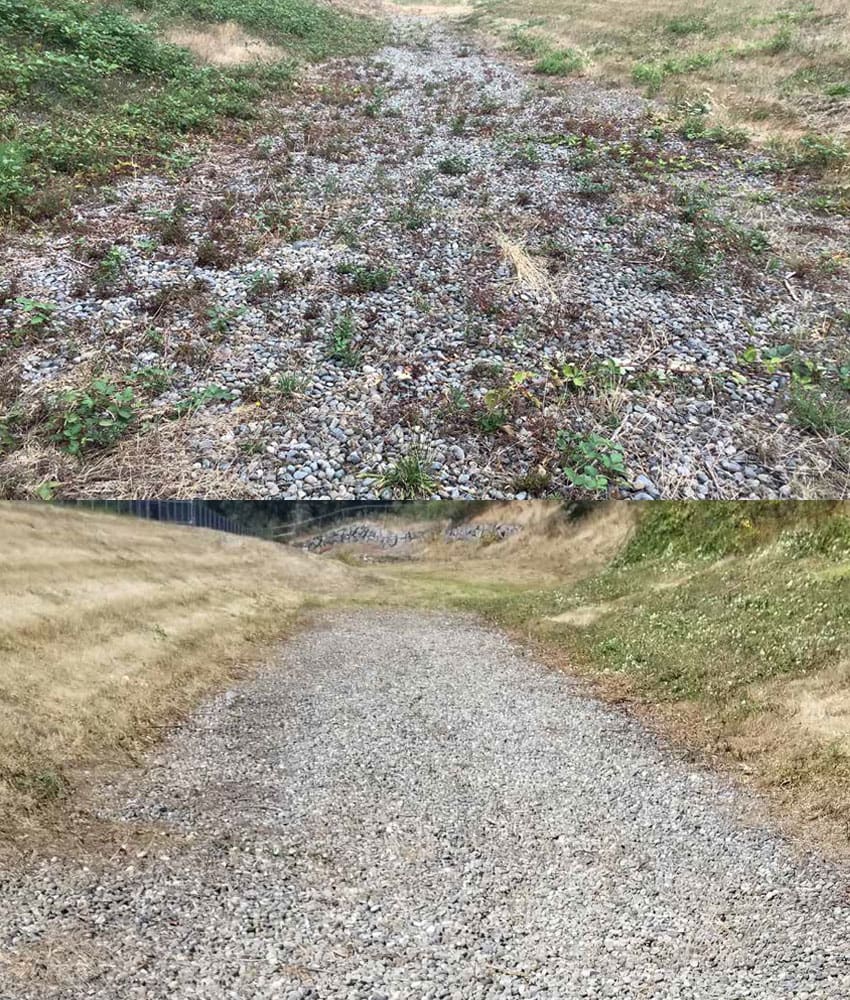
Infiltration Basin
Distinguishing Features
- Typically found in Coastal Plains due to soils with high infiltration rates
- Pipe openings or channels for inputs of stormwater
- Sand or vegetated bottom; vegetated side slopes
- Typically without a riser structure
Common Preventive Maintenance Activities
- Mowing of slopes, basin bottom and dam slope Structure inspection and cleaning
- Trash and debris removal; small-scale sediment removal
- Herbicide treatment of invasive aquatic life
- Replacement of displaced energy dissipation
- Seeding and aerating
- Inspection of permeability of basin bottom
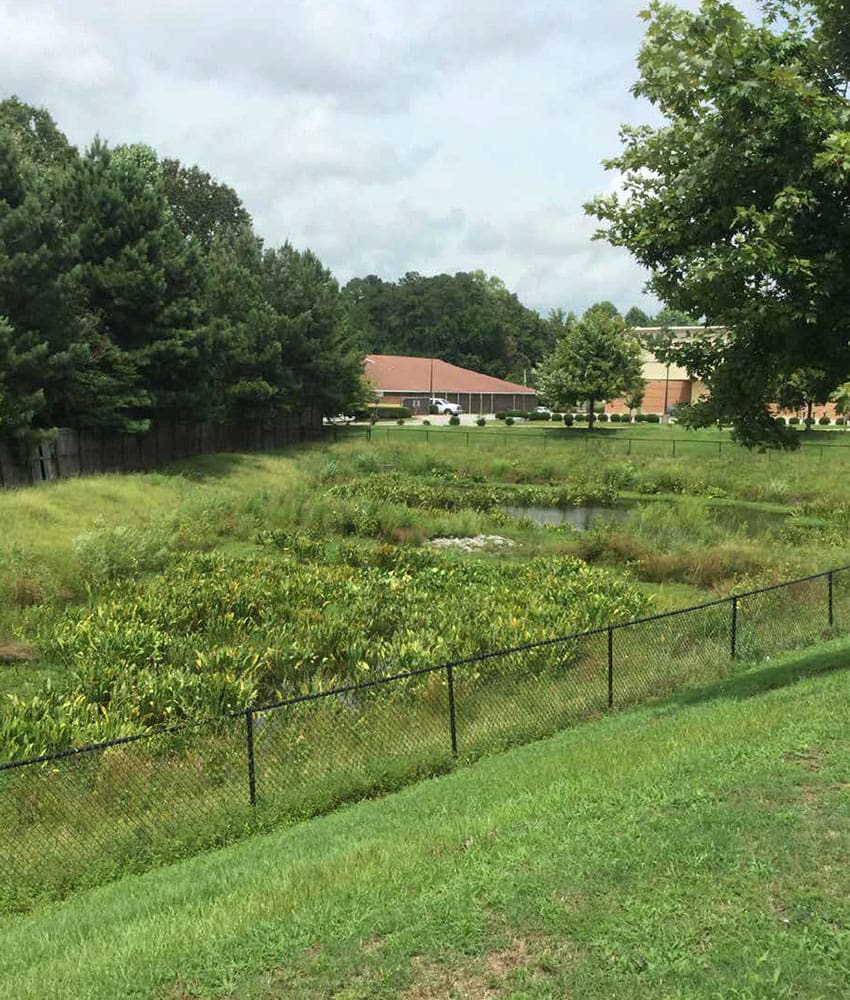
Constructed Wetland
Distinguishing Features
- Beneficial wetland planting throughout
- Pipe openings or channels for inputs of stormwater
- Constant small volume of water
- Riser and/or overflow structure
Common Preventive Maintenance Activities
- Selective treatment of invasive plants
- Removal of dead or dying plant material
- Structure inspection and cleaning
- Trash and debris removal; small-scale sediment removal
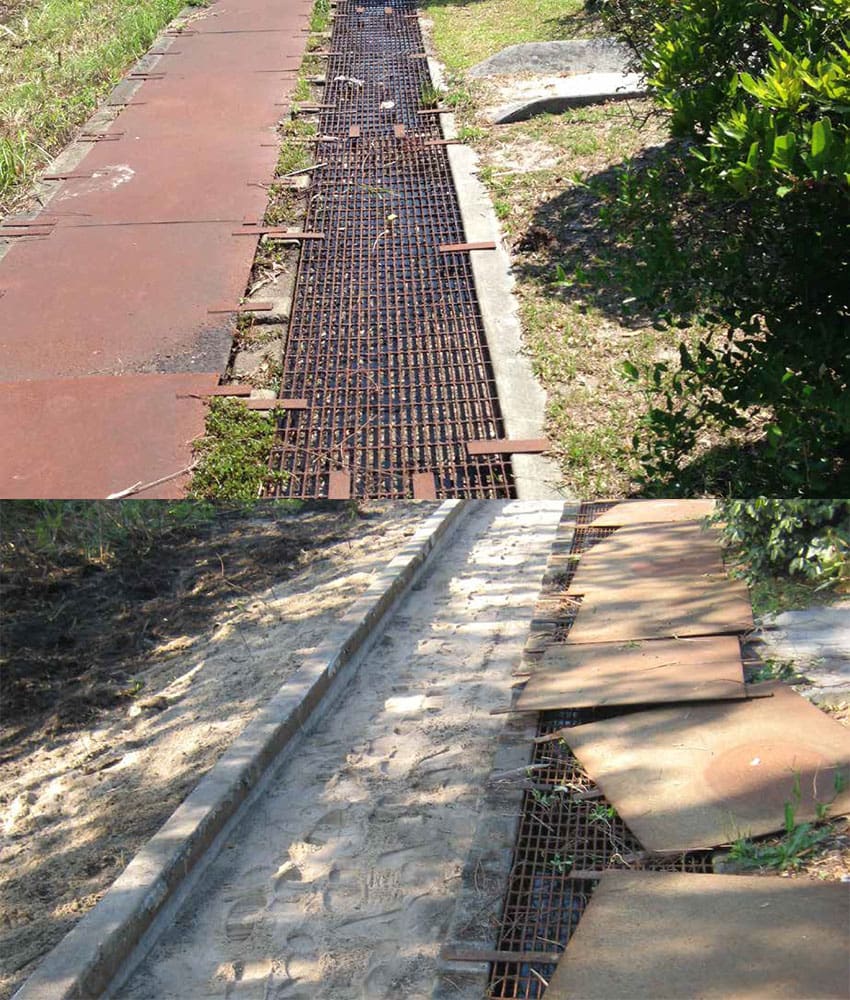
Sand Filter
Distinguishing Features
- Can be installed above or below ground
- Pipe openings or channels for inputs of stormwater
- Sand or media contained in a unit
Common Preventive Maintenance Activities
- Removal of top 3-4 inches of sediment and debris buildup on top of sand
- Assessment of permeability of sand/media
- Trash removal
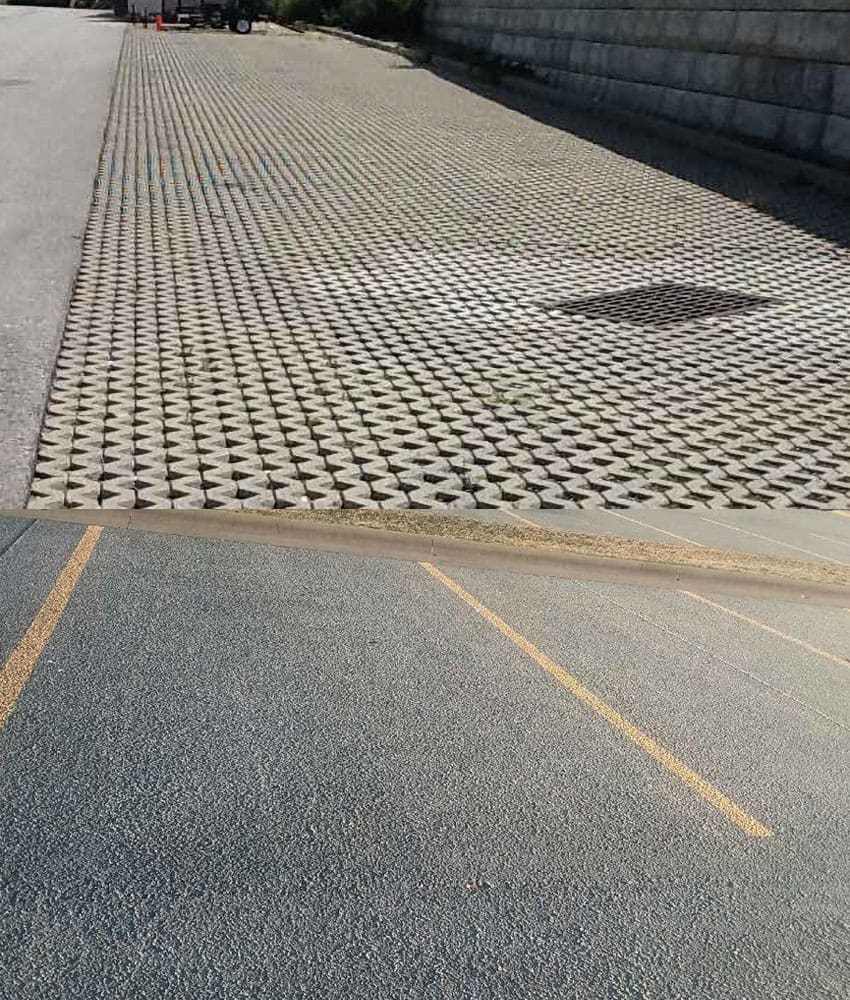
Permeable Pavement
Distinguishing Features
- Installed as a substitute to concrete or asphalt paving
- Installed as a parking lot or driveway feature
Common Preventive Maintenance Activities
- Sweeping service
- Trash and debris removal
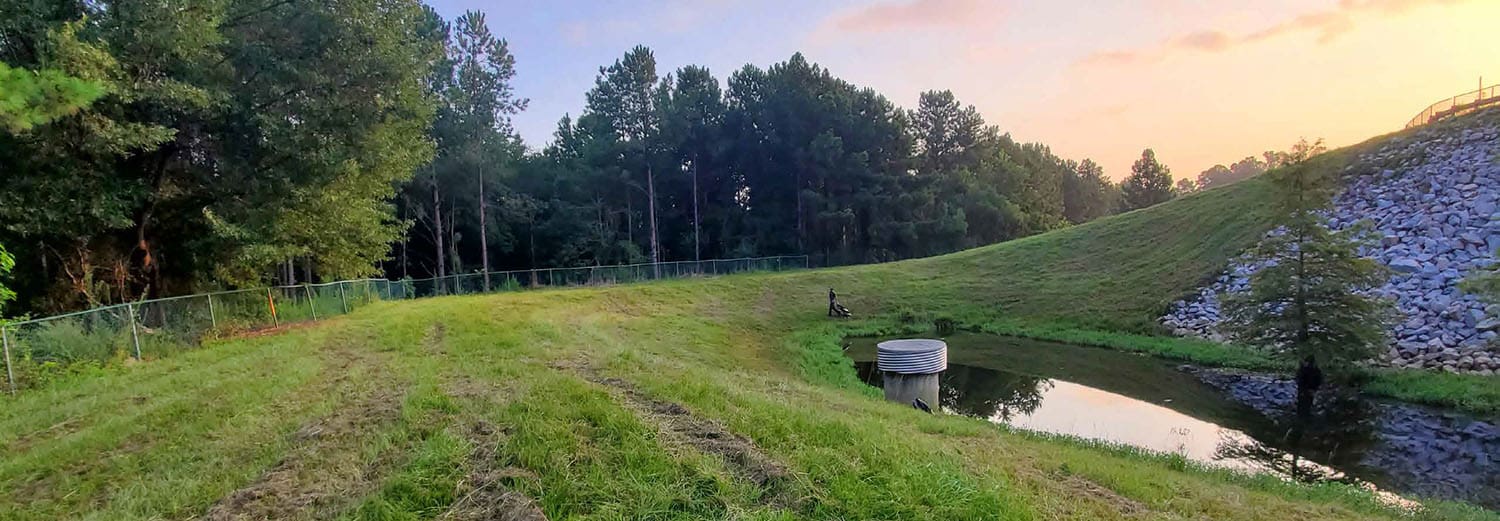
Professional Stormwater Maintenance from AQUALIS
Professional and routine maintenance is essential to the proper functioning of each stormwater system and the onsite SCMs. Without routine and professional stormwater maintenance, the success of the overall stormwater management investment is at risk, from both a structural/functional and expense perspective.
Stormwater maintenance:
- Ensures that the SCM is functioning as designed
- Maintains the aesthetic value of the asset
- Limits the amount and size of repairs within the lifetime of the SCM
- Complies with local regulations, assuring permit compliance
- Protects the environment and minimizes liability to the property owner