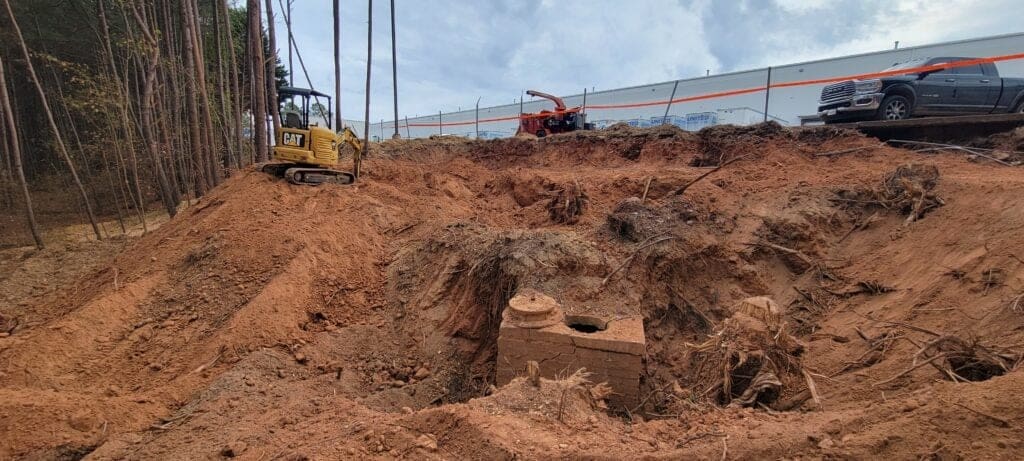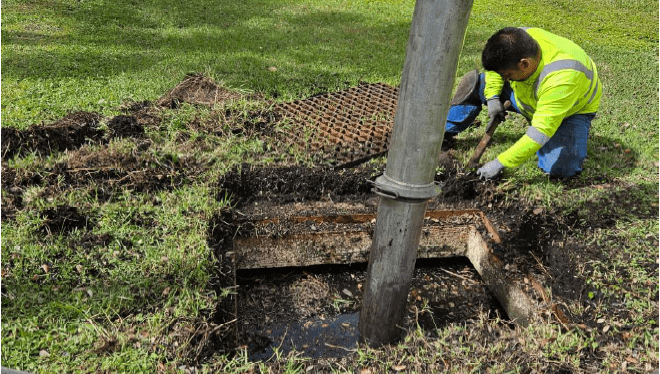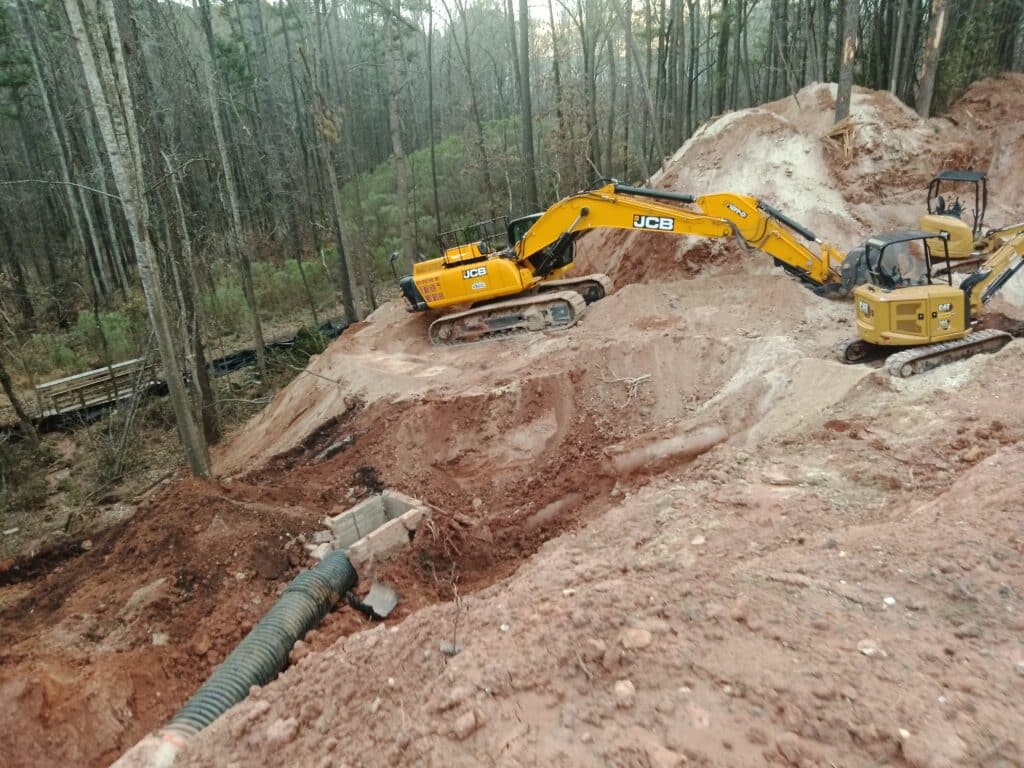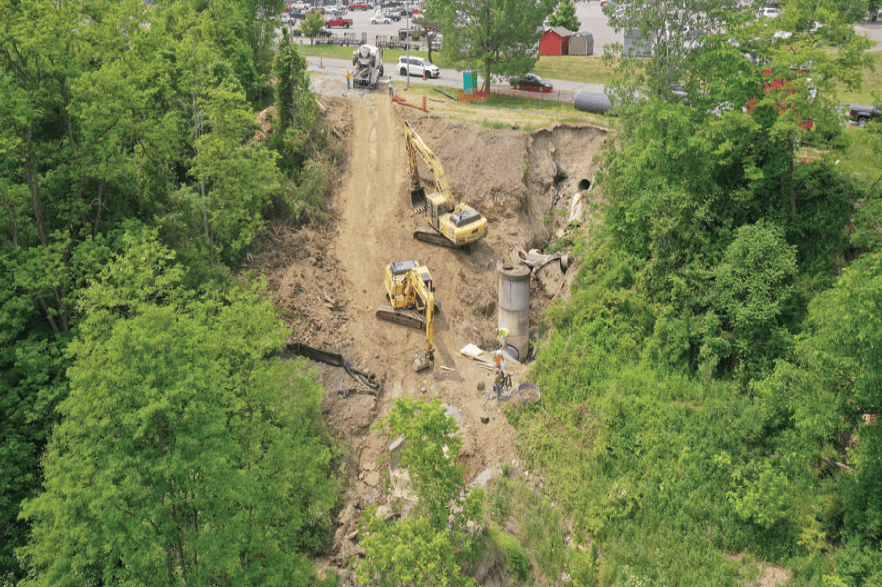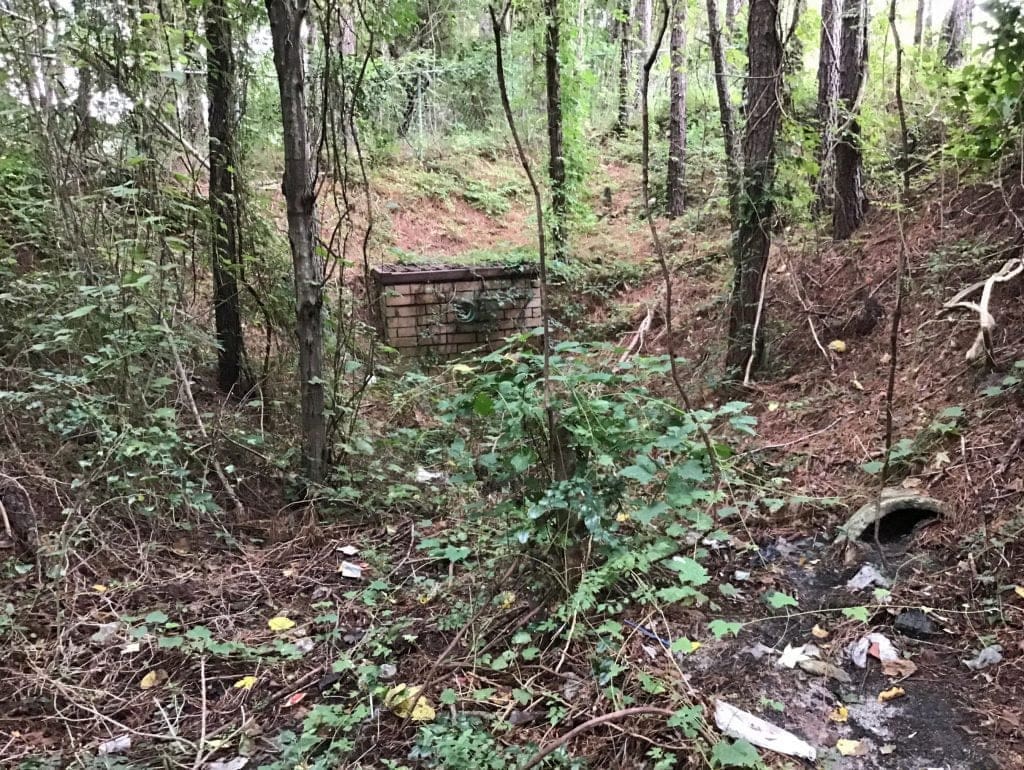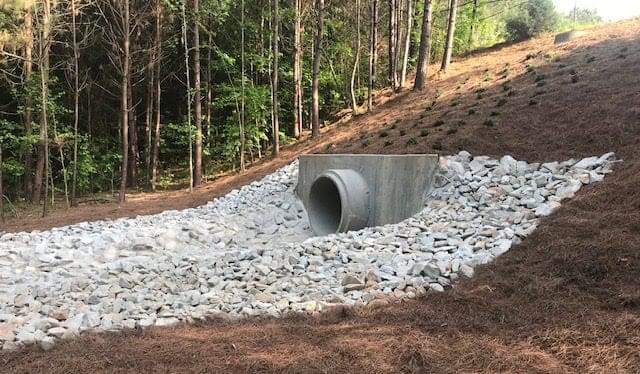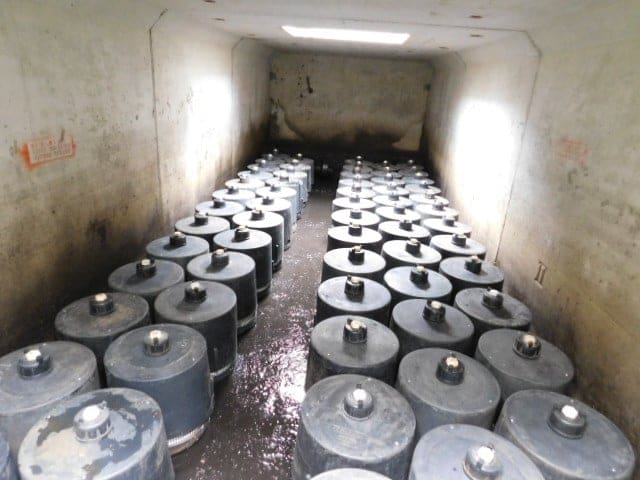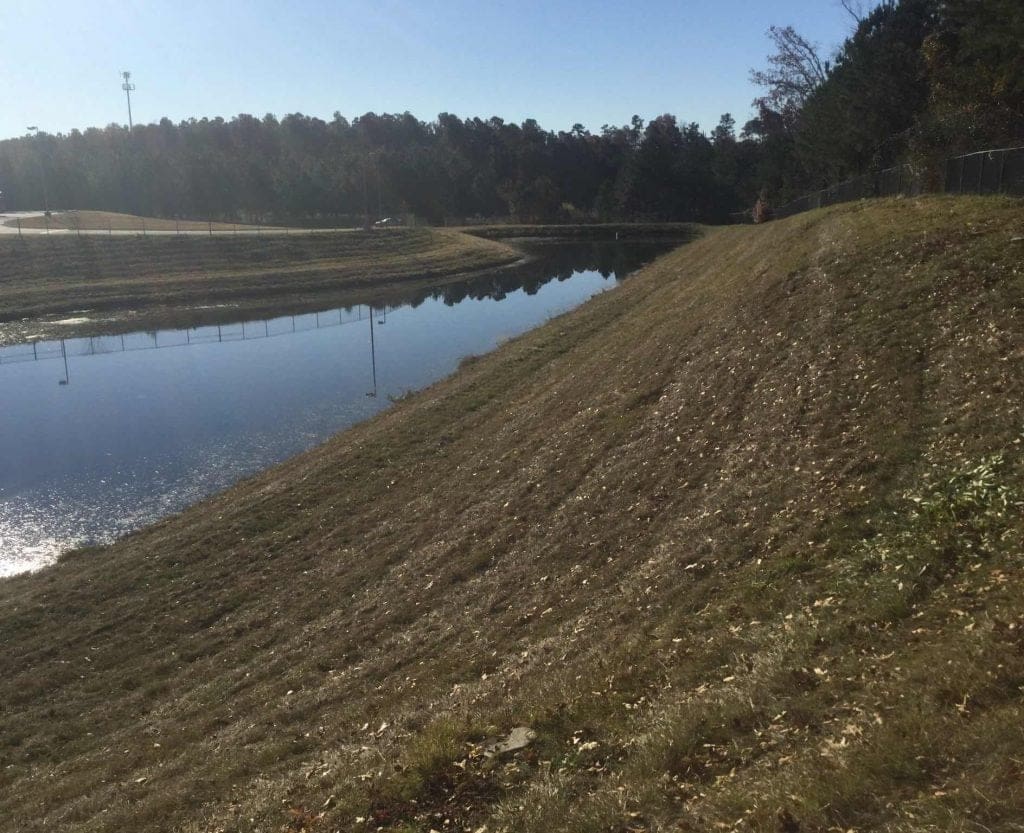



Stormwater management plays a crucial role in protecting our environment and ensuring the safety and well-being of our communities. As urbanization expands and climate change intensifies, the need for effective stormwater management becomes increasingly apparent. Read on to learn more about the importance of stormwater management, how it works and why it is essential for preserving our water resources and mitigating the detrimental effects of stormwater runoff.
Understanding Stormwater Management
Understanding why stormwater management is important is crucial for compliance. Your knowledge of how to safely and effectively manage stormwater can also help protect your neighborhood, community and the environment.
What Is Stormwater Management?
Why is it important to manage stormwater properly? Stormwater management is important is because it refers to practices and strategies designed to control and reduce the runoff of rainwater or melted snow from impervious surfaces such as roads, parking lots and buildings. The objective is to prevent excessive stormwater from overwhelming drainage systems and causing flooding, erosion and contamination of water bodies.
How Does Stormwater Management Work?
In natural environments, rainwater is absorbed into the soil, replenishing aquifers or flowing into streams and rivers. However, the natural infiltration process is disrupted in developed areas with extensive impervious surfaces, such as urban landscapes. Instead, stormwater rapidly flows into storm drains, sewer systems and drainage ditches, carrying pollutants, debris and chemicals. The importance of stormwater management aims to mimic natural hydrological processes and minimize the negative impacts of urbanization on water quality and quantity.
The Importance of Stormwater Management
What Are the Environmental Impacts of Stormwater Runoff?
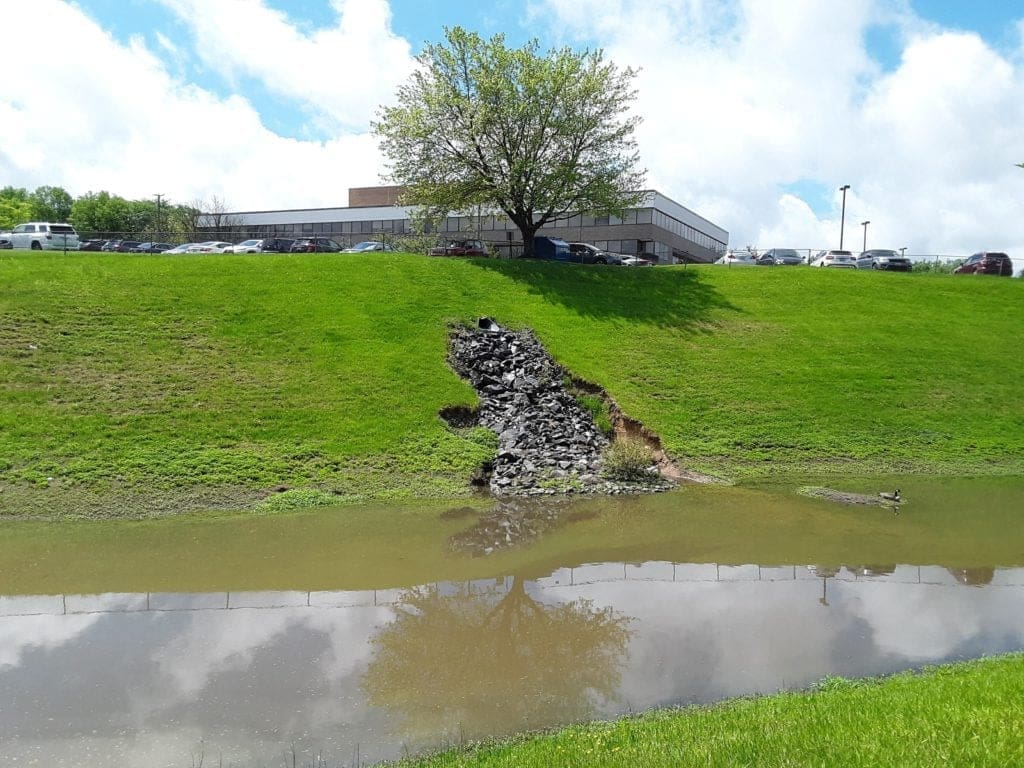
Uncontrolled stormwater runoff poses significant environmental risks. As it flows across impervious surfaces, stormwater picks up pollutants, including oil, grease, heavy metals, fertilizers, pesticides and bacteria. This contaminated runoff enters our streams, rivers and lakes, causing water pollution and endangering aquatic ecosystems. Excess nutrients from fertilizers can trigger harmful algal blooms, leading to oxygen depletion and the death of fish and other aquatic organisms. Sediment erosion from construction sites and eroded stream banks further degrade water quality and habitat.
Flooding and Infrastructure Damage
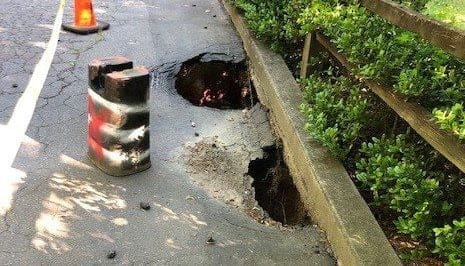
Why is managing stormwater important? Without proper drainage and stormwater management, increased urbanization and the proliferation of impervious surfaces contribute to higher volumes and faster velocities of stormwater runoff. This can lead to localized flooding, erosion of stream banks and overwhelmed storm and sanitary sewer systems. Flooding not only threatens public safety but also causes significant damage to infrastructure, including roads, buildings and utilities. Stormwater management is important because it helps control the volume and velocity of runoff, reducing flood risks and protecting our built environment.
Water Supply and Aquifer Recharge
Stormwater management plays a vital role in maintaining a sustainable water supply. By capturing and treating stormwater, we can replenish groundwater sources and aquifers. Infiltration techniques, such as permeable pavements and rain gardens, allow rainwater to seep into the soil, recharging underground water tables. Groundwater recharge helps sustain base flows in streams and wetlands, supports drinking water supplies and reduces the overall volume of runoff, minimizing erosion and the risk of flooding.
What Are the Benefits of a Stormwater System? Protecting Water Quality and Public Health
Why is it important to manage stormwater properly? Stormwater control is essential for safeguarding water quality and protecting public health. The pollutants carried by stormwater runoff, including bacteria, chemicals and organic matter, can contaminate drinking water sources and recreational water bodies. The importance of stormwater management includes implementing best management practices (BMPs) that help remove pollutants and improve water quality. By controlling and treating stormwater before it enters waterways, we can ensure the safety of our drinking water supply and preserve the integrity of aquatic ecosystems. This is in part why stormwater is a problem.
The Purpose and Importance of Stormwater Management
The primary purpose of stormwater management is to control and mitigate the adverse effects of stormwater runoff. Stormwater runoff refers to the rainwater or melted snow that flows over the ground and does not seep into the soil. This runoff can carry pollutants, sediment and other contaminants into nearby water bodies, leading to water pollution and degradation. Stormwater management aims to capture, treat and properly dispose of stormwater to prevent these negative impacts and protect the environment.
SWPPP: What Is a Stormwater Management Plan?
Implementing a Stormwater Pollution Prevention Plan (SWPPP) is an essential component of drainage and stormwater management. A SWPPP is a comprehensive document outlining strategies and best management practices (BMPs) to prevent stormwater pollution. It includes measures such as erosion control, sedimentation basins and using green infrastructure to manage stormwater effectively. A well-developed SWPPP ensures compliance with regulatory requirements and promotes sustainable stormwater management practices.
Training & Permits
The importance of stormwater management also includes proper training and best practices. Proper training and permits are necessary to manage stormwater effectively. Training programs educate individuals on the importance of stormwater management and provide them with the knowledge and skills to implement best practices. Obtaining the necessary permits ensures that stormwater management activities meet regulatory standards and guidelines. Organizations can carry out stormwater management activities effectively and legally by adhering to proper training and permit requirements.
BMP Inspections
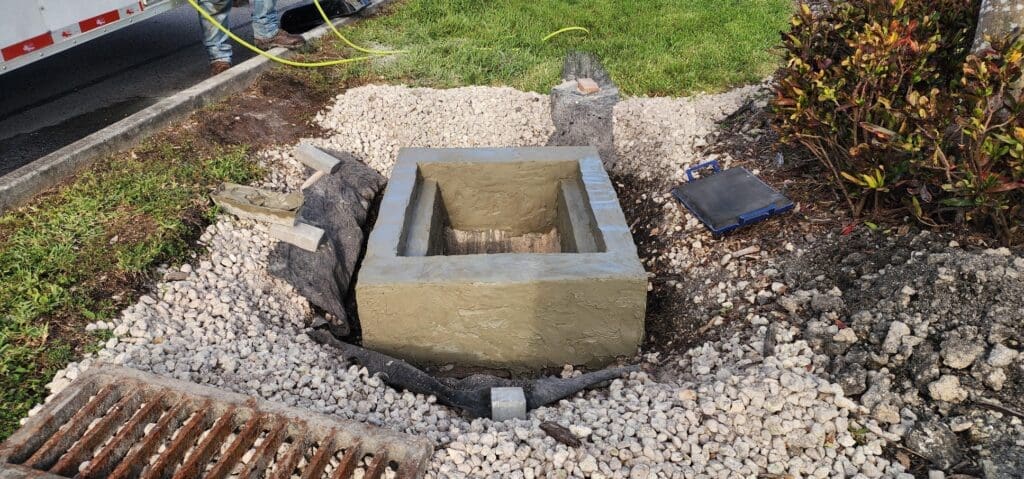
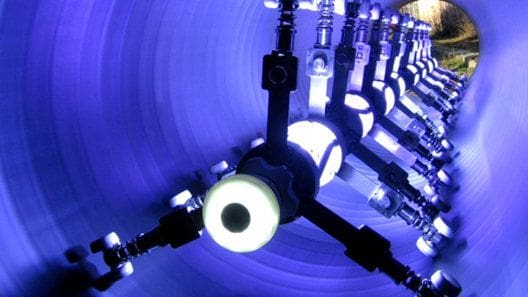
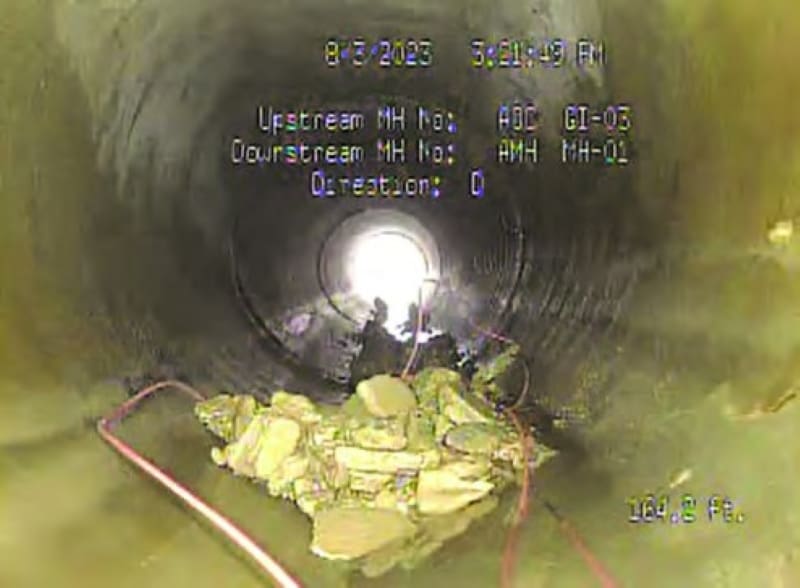
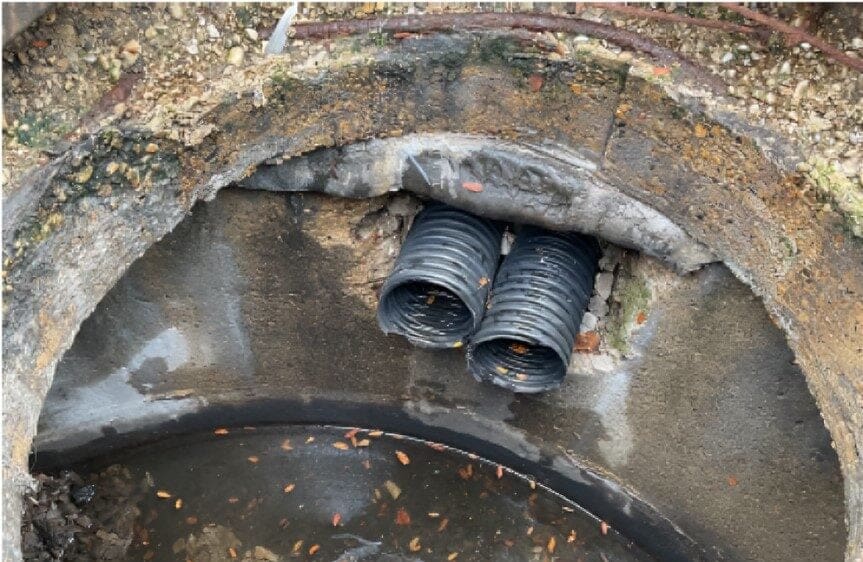
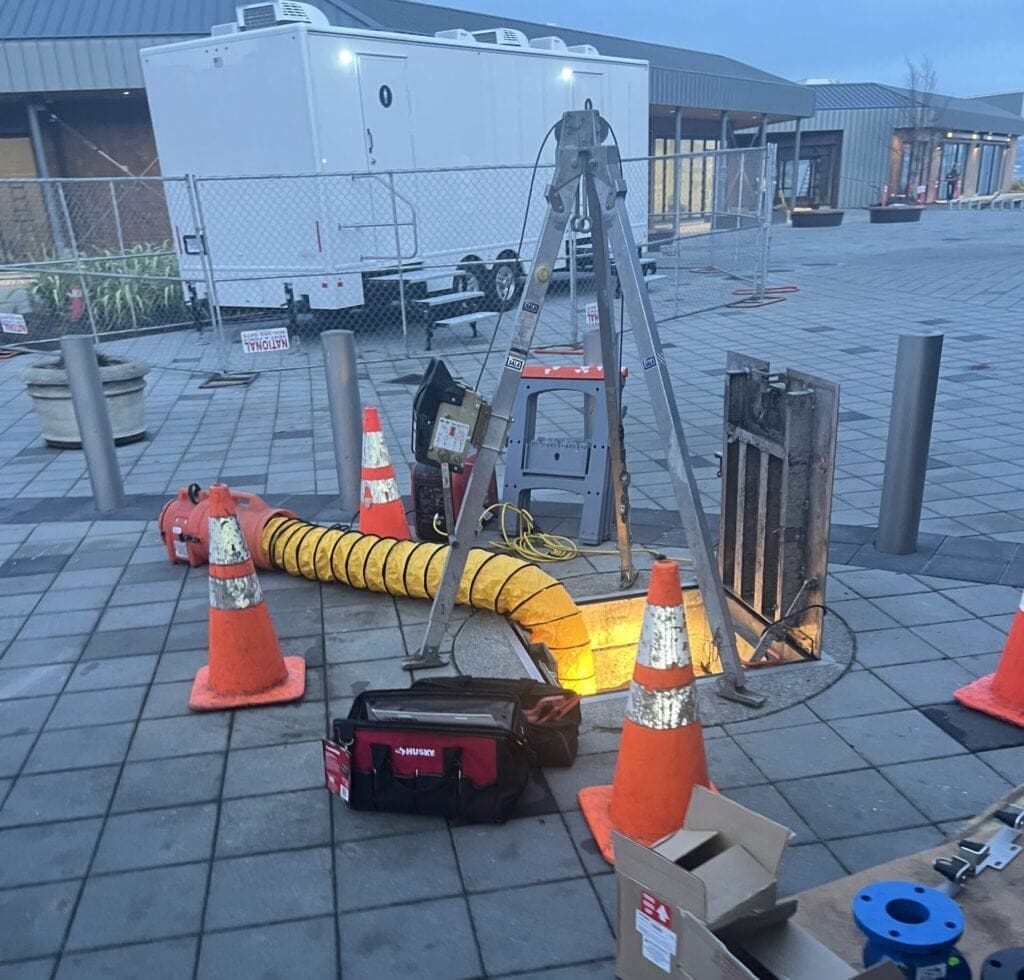
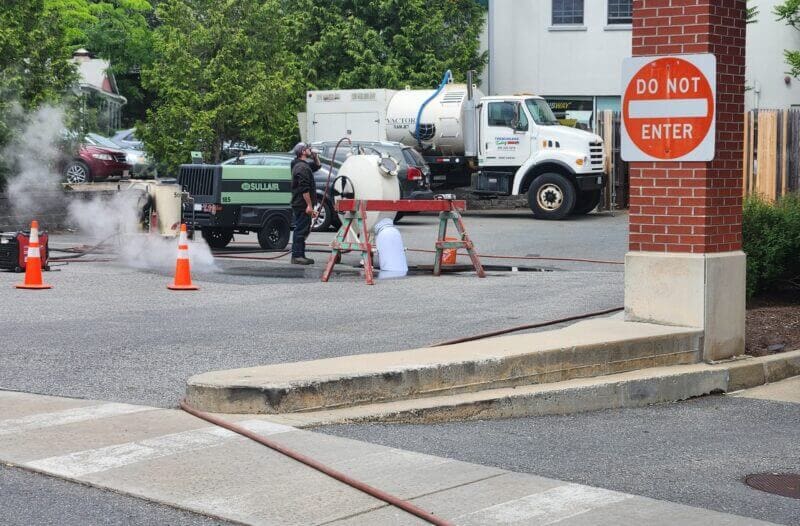
Regular inspections of Best Management Practices (BMPs) or stormwater control measures (SCMs) are critical in maintaining the functionality of stormwater management systems. BMP inspections involve assessing the condition of infrastructure, identifying potential issues and taking corrective actions. These inspections help identify areas requiring maintenance or repairs, ensuring that stormwater management systems operate optimally. By conducting thorough and routine inspections, organizations can prevent system failures and minimize the risk of flooding and pollution.
Maintenance and Stormwater Risk Management
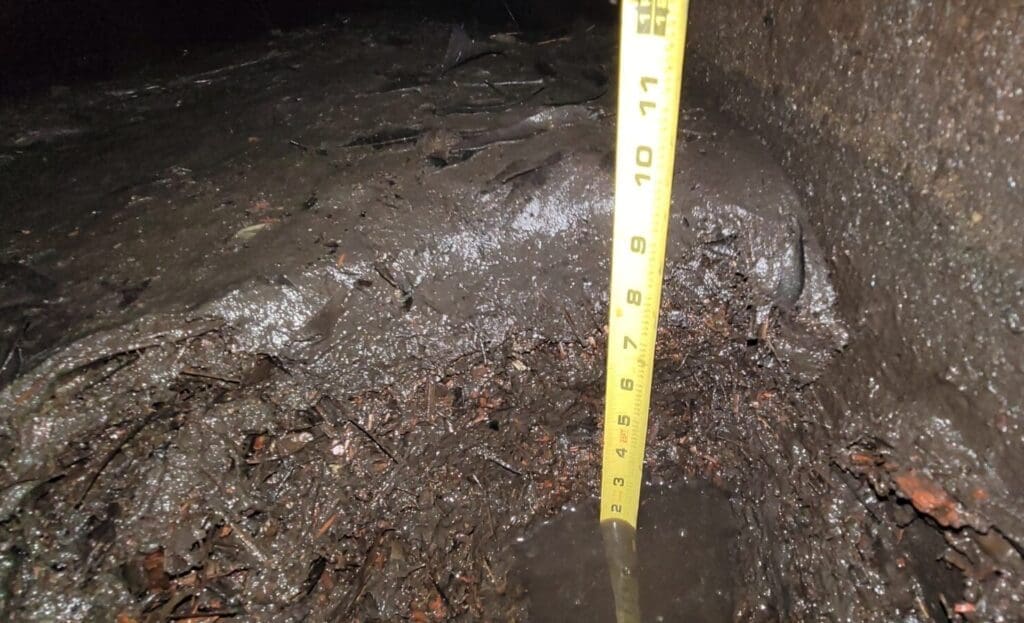
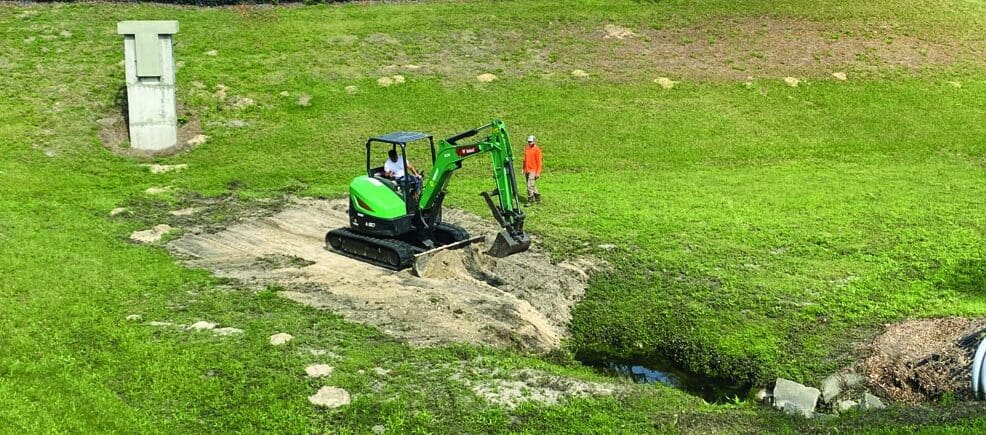
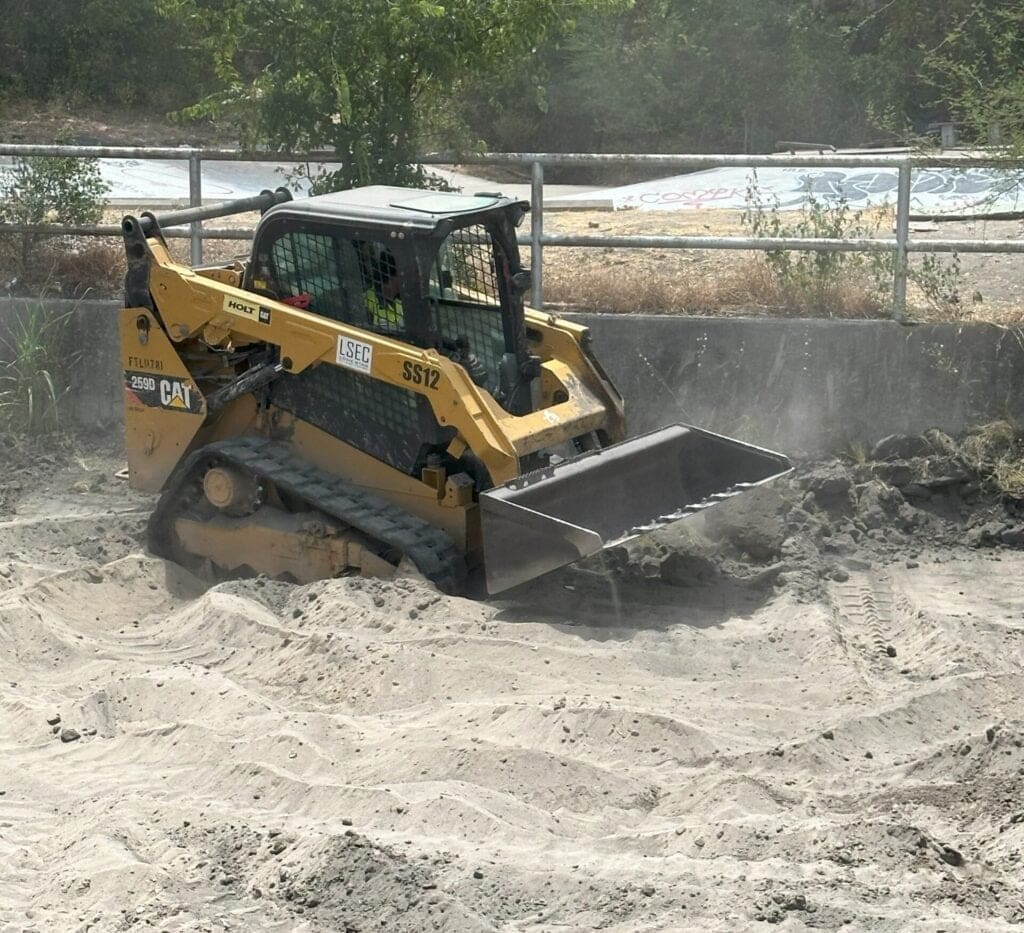
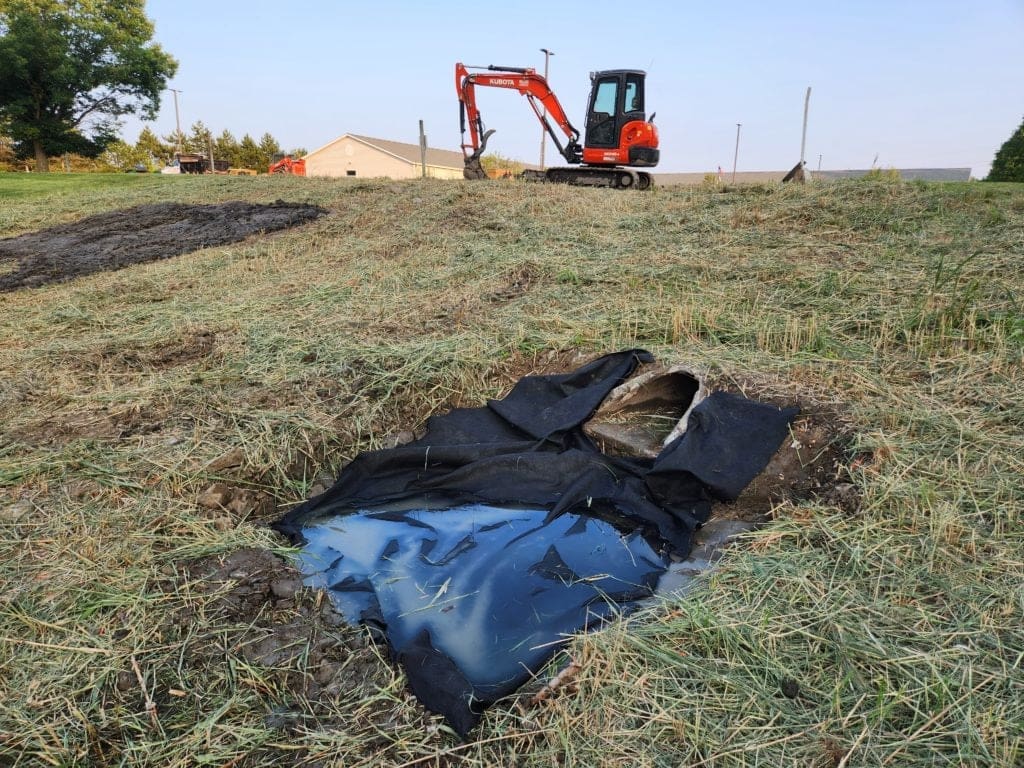
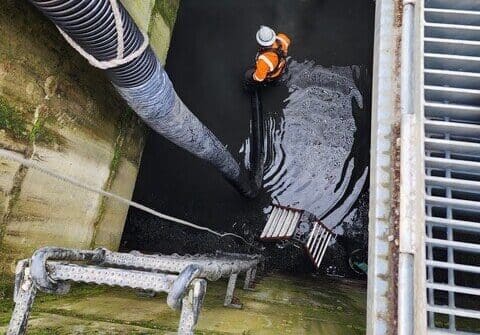
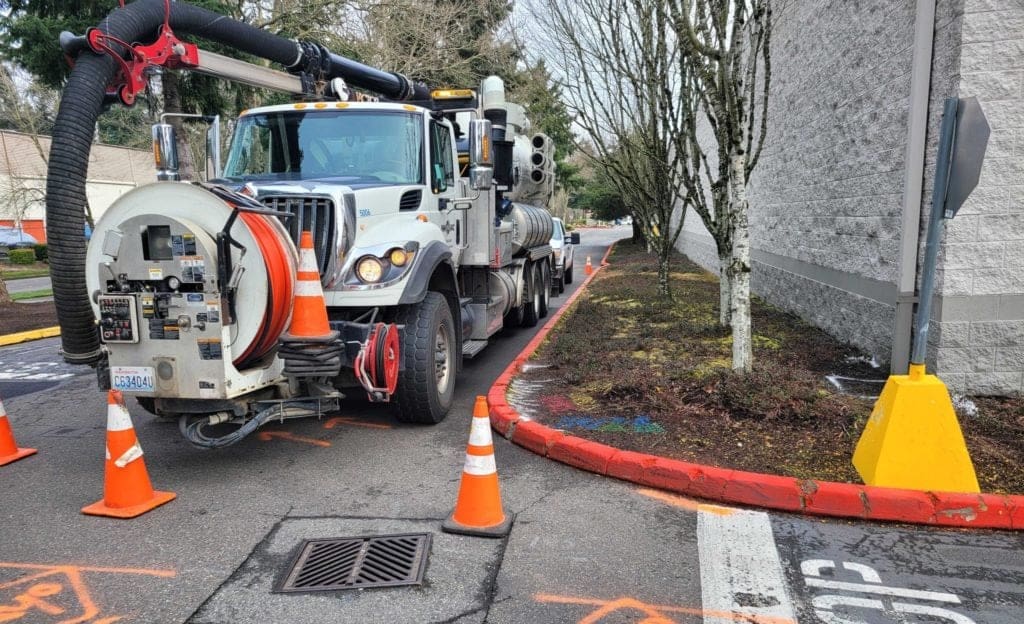
Why is stormwater maintenance important? Proactive maintenance is crucial for the longevity and effectiveness of stormwater management systems. Regular maintenance activities may include sediment removal, vegetation cutting and component repair or replacement. By addressing maintenance needs promptly, organizations can prevent system failures, reduce the risk of flooding and ensure compliance with regulatory requirements. Stormwater risk management strategies, such as contingency plans and emergency response protocols, should also be in place to handle unforeseen events and minimize potential damages.
Engineering and Water Runoff
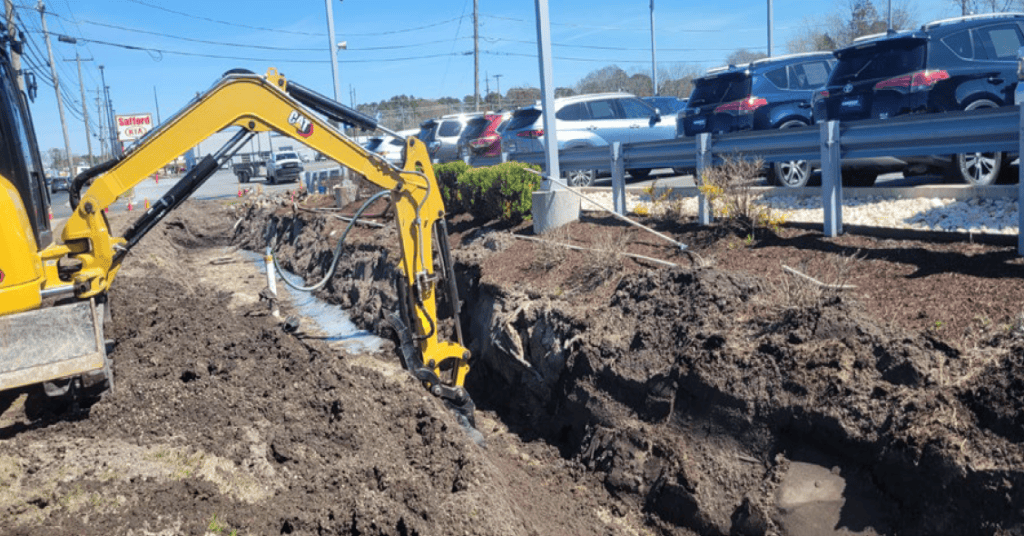
Engineering is vital in stormwater management, particularly in designing effective drainage systems. Engineers assess an area’s topography and hydrology to determine the most suitable stormwater runoff solutions. These stormwater solutions may include detention basins, green infrastructure or manufactured treatment devices. By applying engineering principles, we can optimize stormwater management systems to effectively control water runoff, minimize flooding and protect the environment, which further adds to the importance of stormwater management.
Improving Stormwater Management: Strategies and Solutions
Many types of stormwater management systems can be implemented as stormwater protection systems, and every situation is unique. Below are different types of stormwater management systems and recommendations on how to improve stormwater management.
Stormwater Management Systems
The importance of stormwater management includes various stormwater management systems and practices that can be employed to effectively control and treat stormwater runoff. These systems can be categorized into green infrastructure and gray infrastructure approaches.
Green Infrastructure
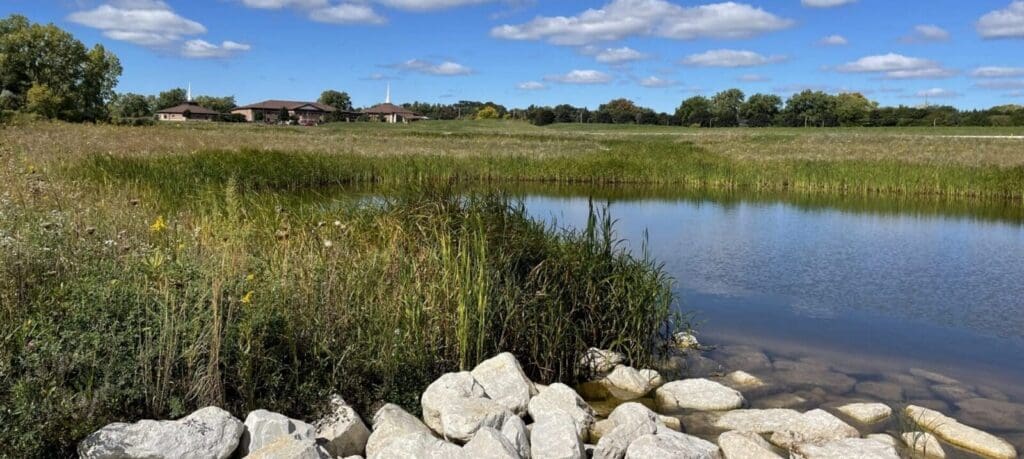
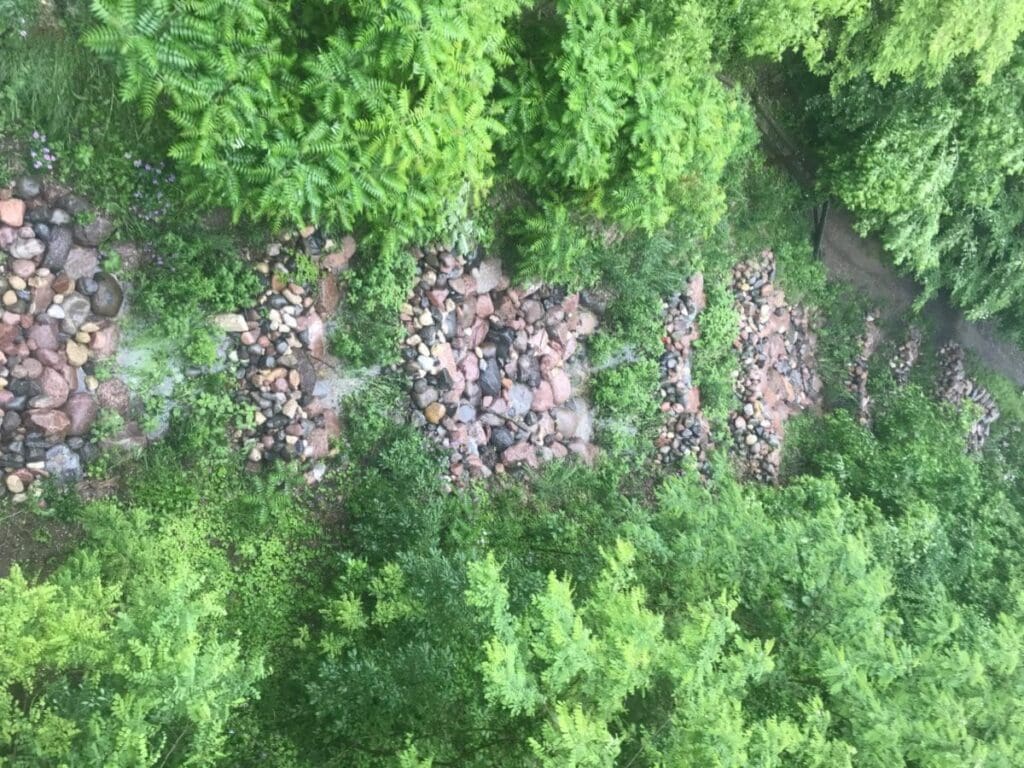
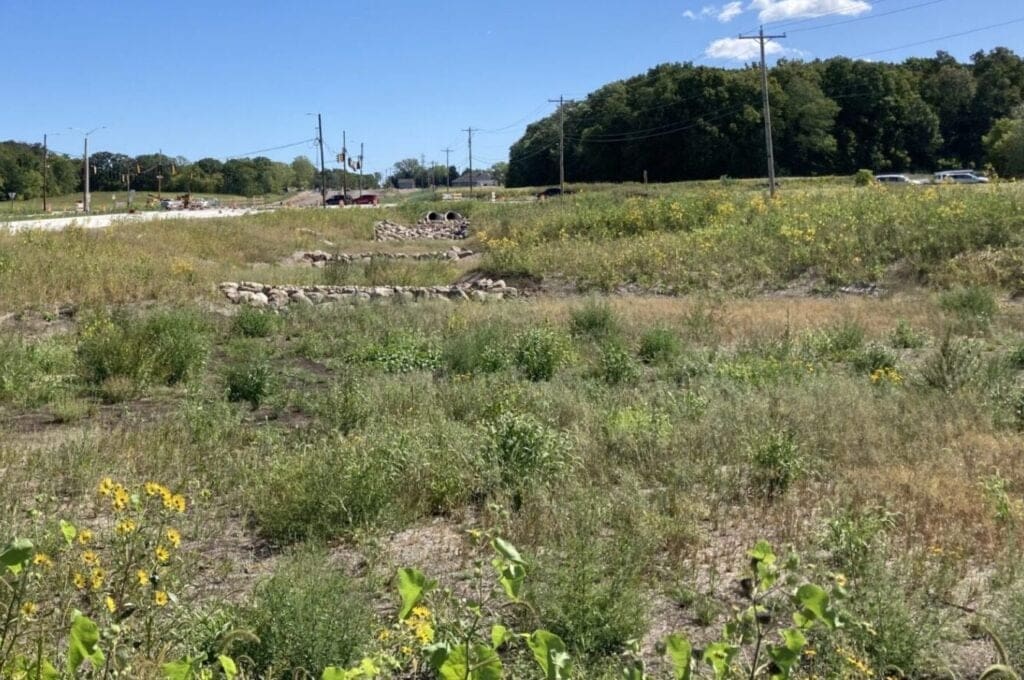
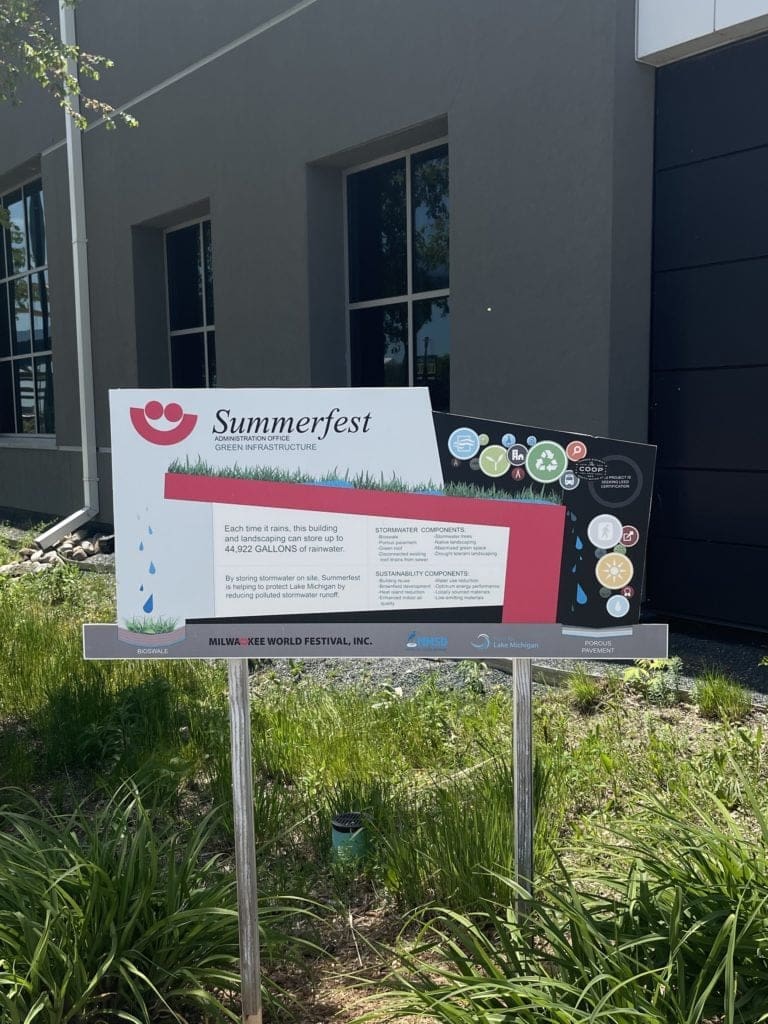
Green infrastructure utilizes natural processes and vegetation to manage stormwater. It includes rain gardens, bioswales, permeable pavements and green roofs. These features help capture and infiltrate stormwater, allowing it to be naturally filtered and absorbed into the ground. Green infrastructure reduces stormwater runoff, enhances the aesthetic value of urban areas, improves air quality and provides habitat for wildlife.
Gray Infrastructure
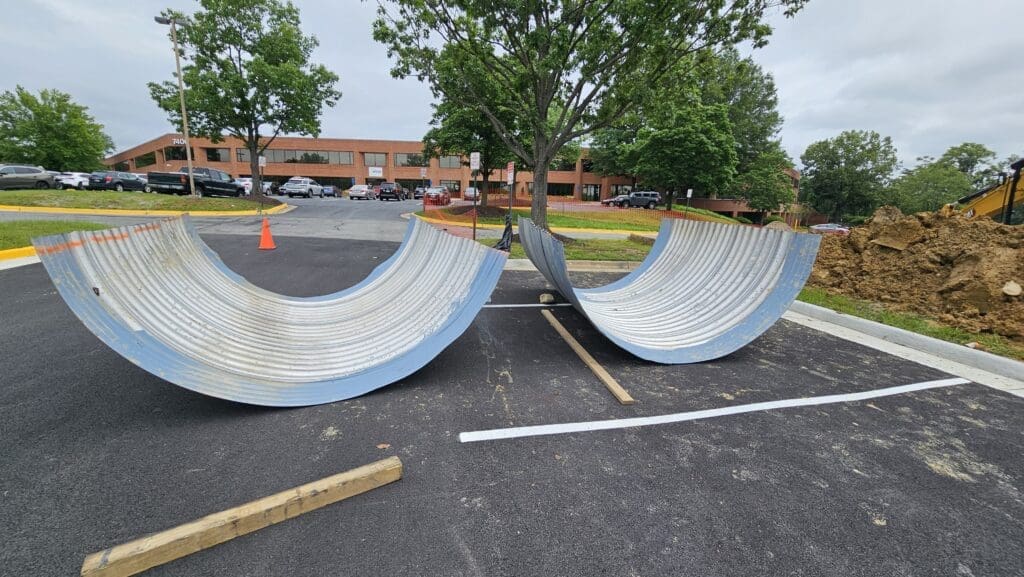
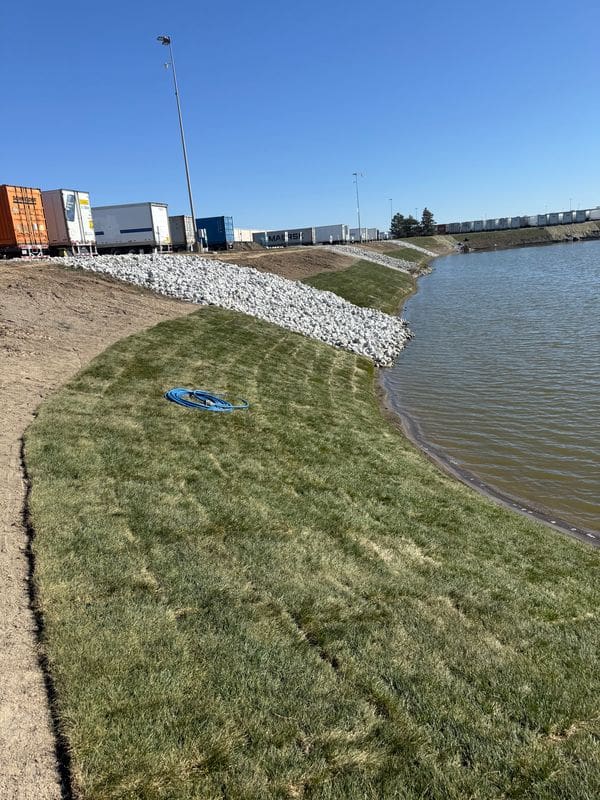
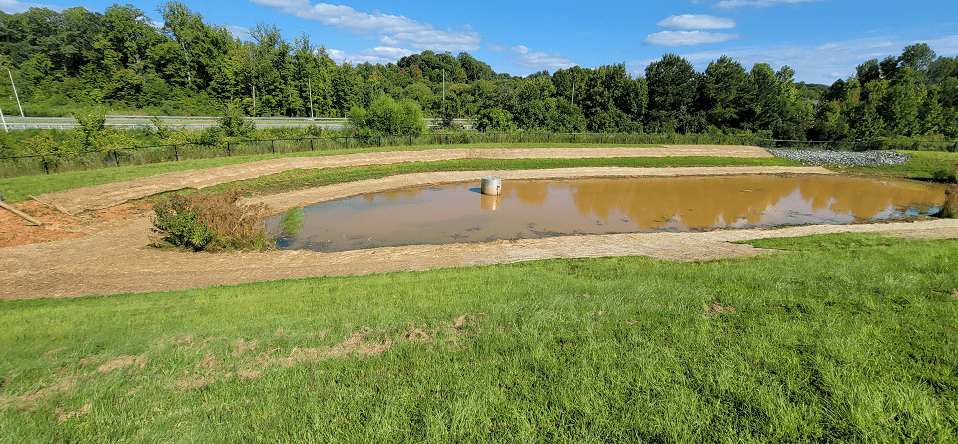
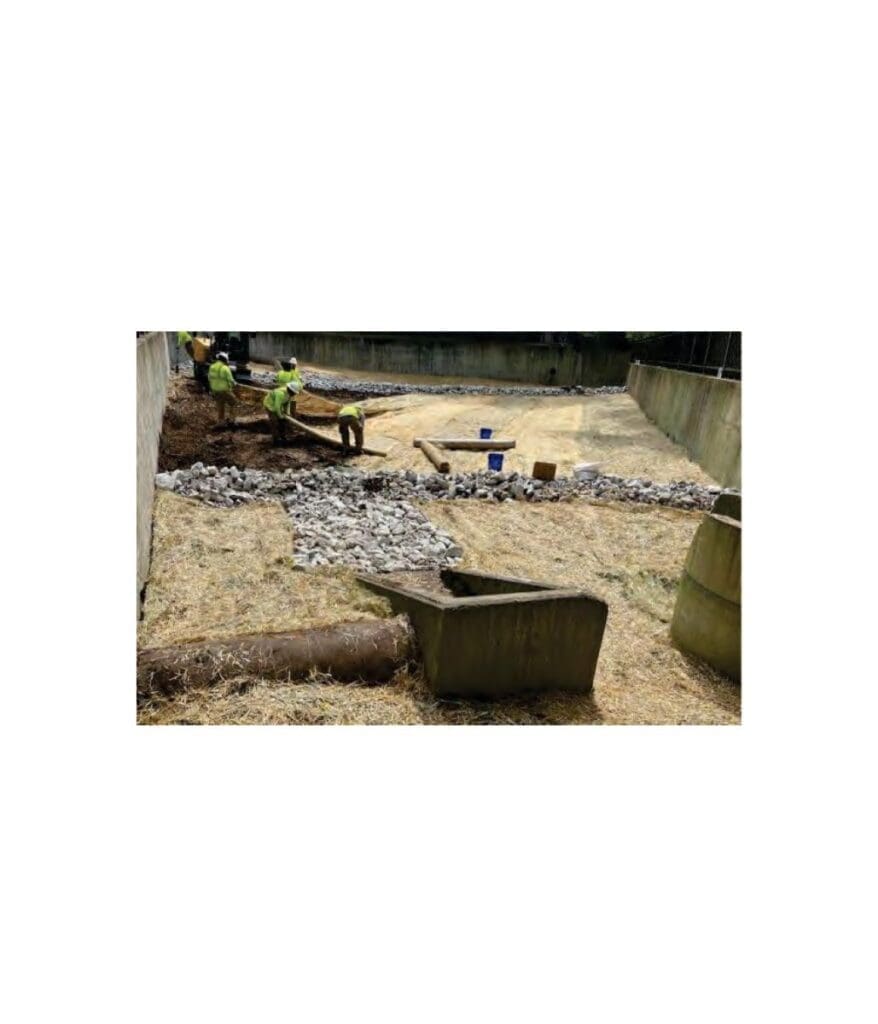
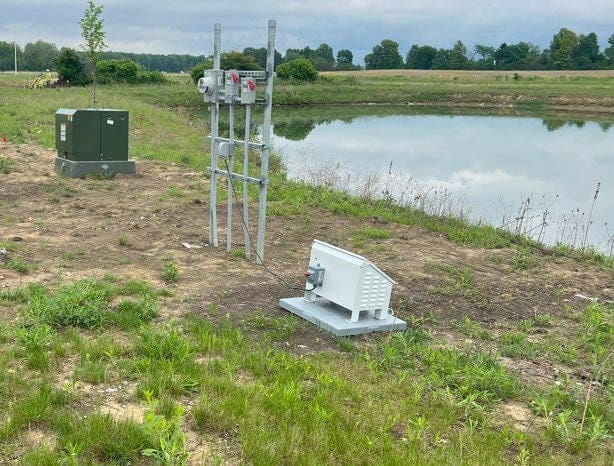
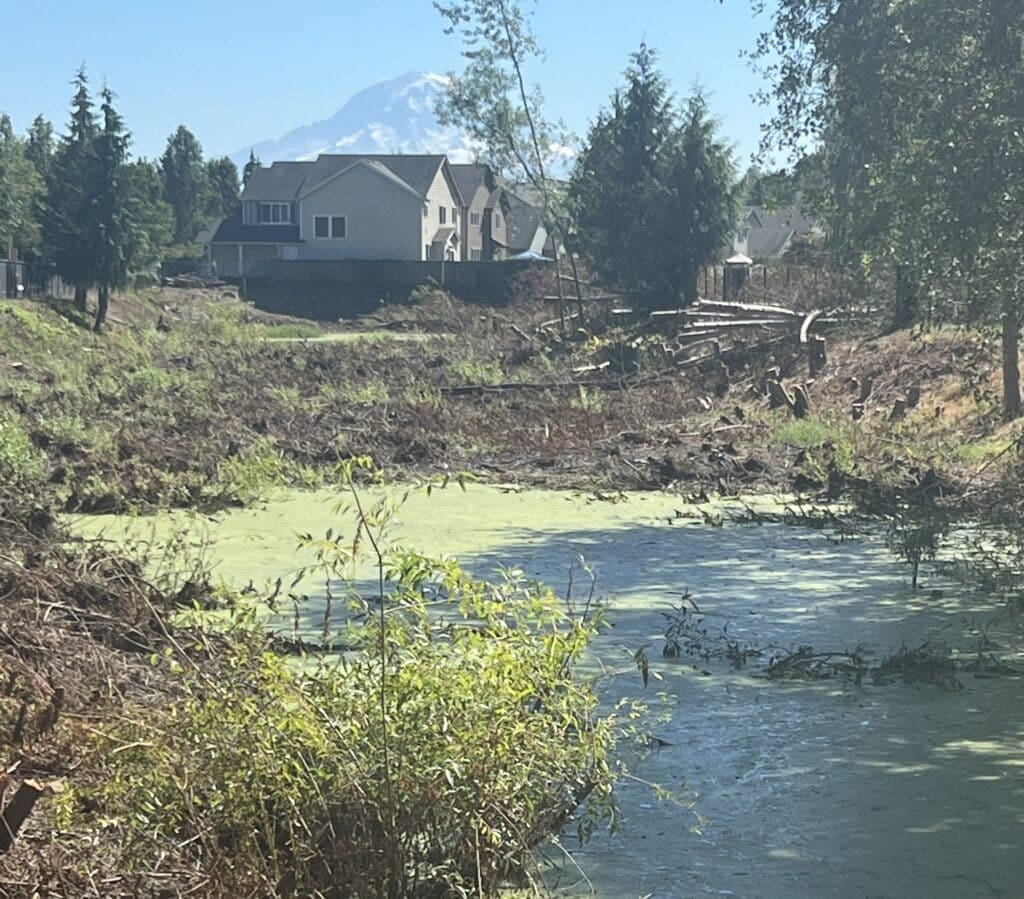
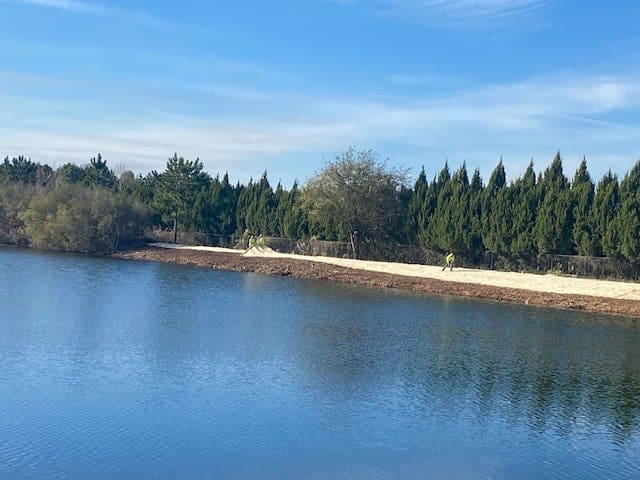
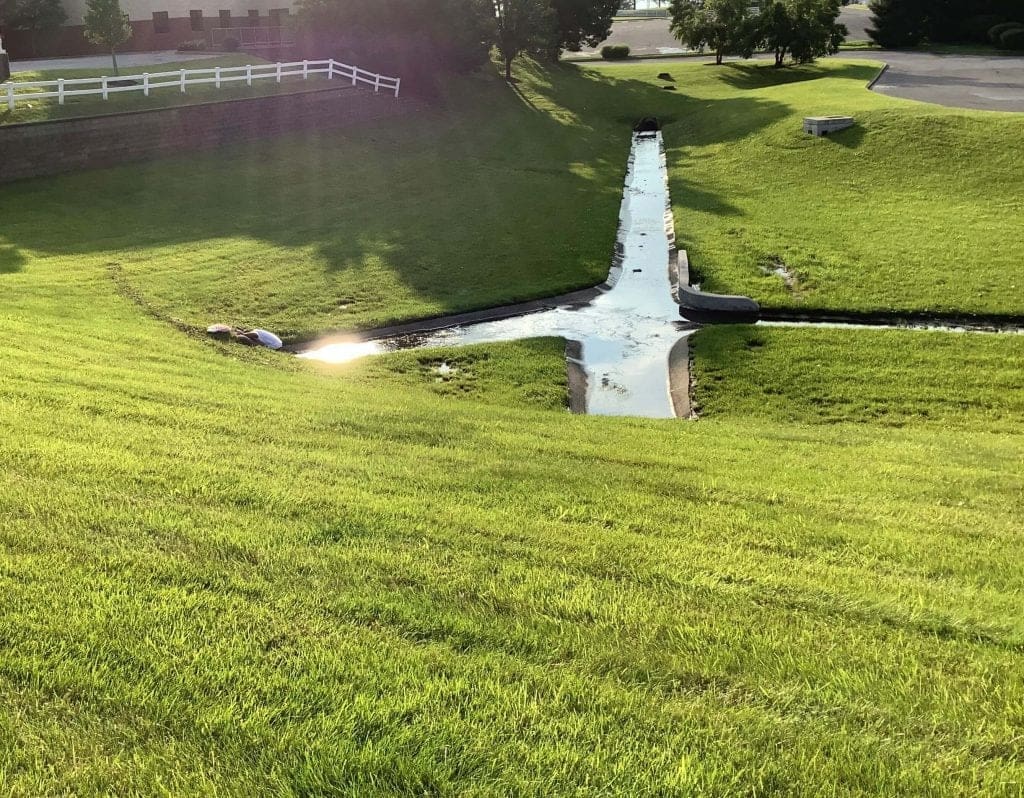
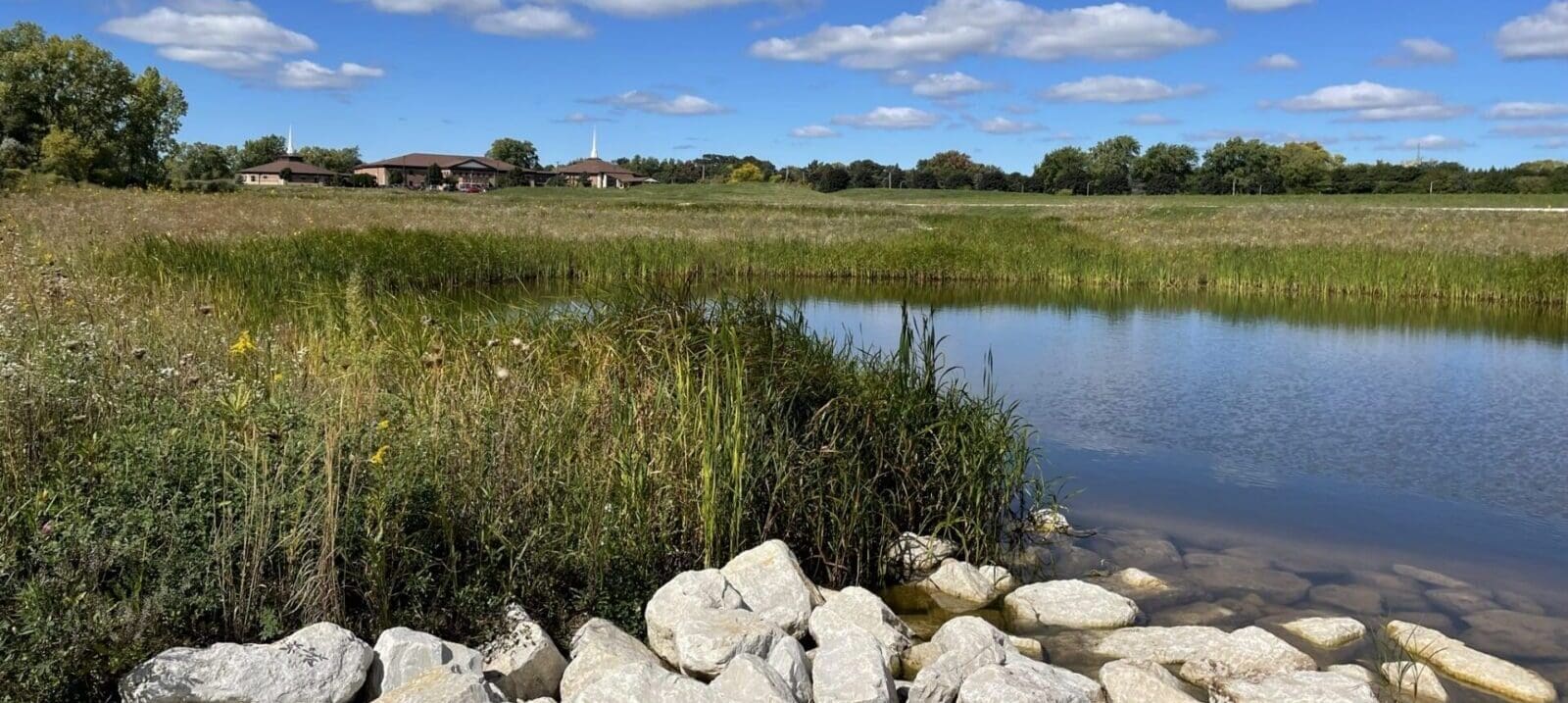
Gray infrastructure refers to engineered systems that collect, convey and treat stormwater runoff. Gray infrastructure includes detention ponds, stormwater basins and underground storage tanks. These structures help control the volume and velocity of stormwater, allowing for gradual release and treatment before discharge. Gray infrastructure is particularly effective in managing large storm events and reducing the risk of flooding in densely populated areas.
Stormwater Maintenance and Monitoring
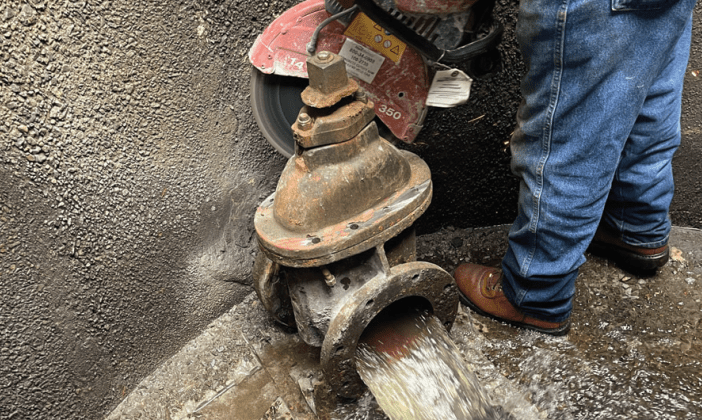
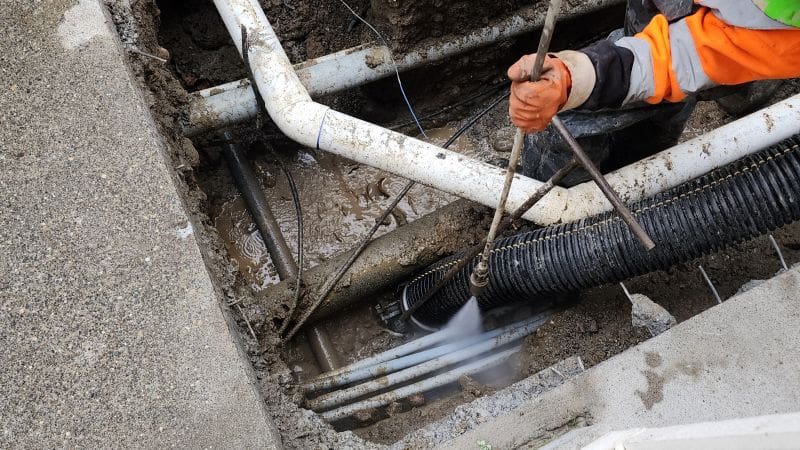
Regular maintenance and monitoring of stormwater infrastructure are essential why stormwater management is important. Maintenance ensures the long-term effectiveness of stormwater management systems. This includes inspecting and cleaning stormwater ponds, maintaining vegetative buffers and regularly checking and repairing stormwater conveyance systems. Adequate maintenance helps prevent system failures, prolongs the lifespan of stormwater infrastructure and ensures ongoing compliance with stormwater regulations.
Stormwater Management Products
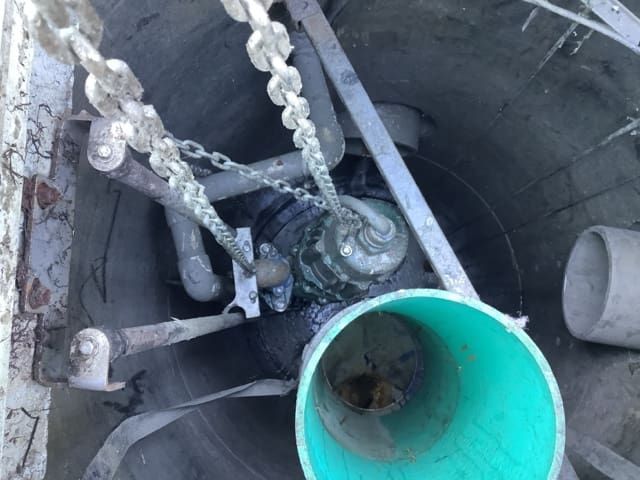
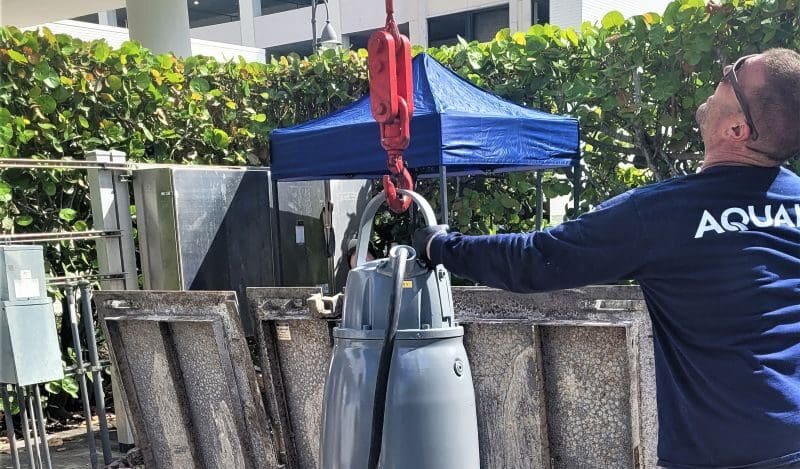
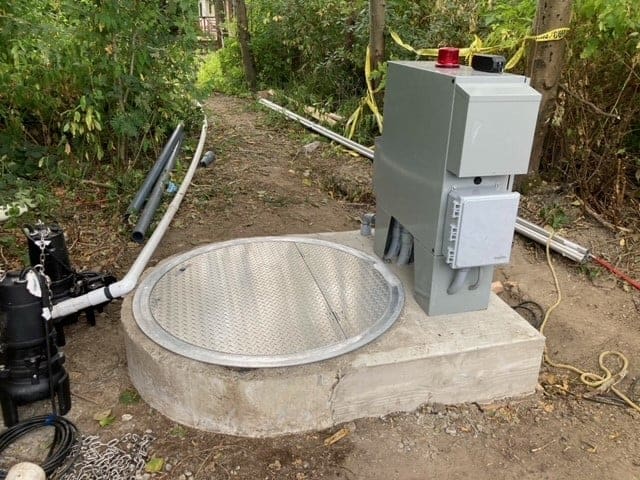
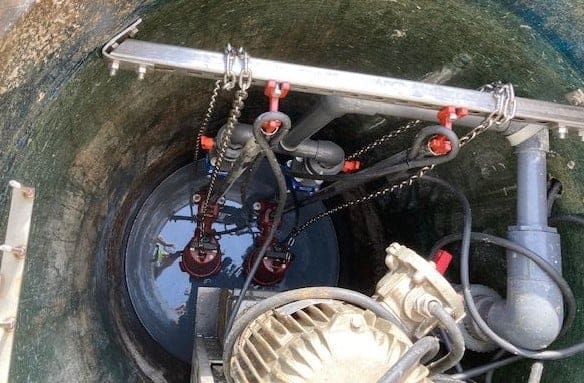
The importance of stormwater management includes many stormwater management products and technologies that support effective stormwater management practices. These include rainwater filters, storage tanks, pump systems, filtration systems and accessories. These products help remove pollutants, store or reuse stormwater and enhance the overall performance of stormwater management systems. Implementing the appropriate stormwater management products can greatly improve water quality and enhance flood control measures.
Conclusion
Why is managing and maintaining stormwater important? Stormwater management is a critical component of sustainable urban development and environmental stewardship. By effectively controlling and treating stormwater runoff, we can protect water resources, mitigate the impacts of urbanization and safeguard public health. Through implementing green and gray infrastructure, developing comprehensive stormwater management plans and regular maintenance and monitoring, we can create resilient communities that are better equipped to manage the challenges posed by stormwater. There is great importance in stormwater management when it comes to protecting our environment and taking proactive steps to ensure its proper implementation and maintenance for a sustainable future.