Case Study

New Bern, N. C. UV Pipe Rehabilitation Improves Stormwater Flow 

New Bern, N.C

uv light entering pipe

New Bern, N.C

Retail

Cured in Place Pipe Repair

Site Overview

This distribution facility relies on an underground stormwater system to collect and convey runoff from paved surfaces to a nearby retention basin. A critical component of this system is a 36-inch stormwater pipe that transports water away from the site during rain events. Over time, concerns arose regarding how effectively the pipe was performing, particularly during periods of heavier rainfall as areas around the facility were prone to flooding. 

To determine the root cause, the property team requested a detailed inspection. AQUALIS was brought in to evaluate the pipe and develop a solution that would restore proper drainage while minimizing disruption to daily facility operations.

Inspection Findings 

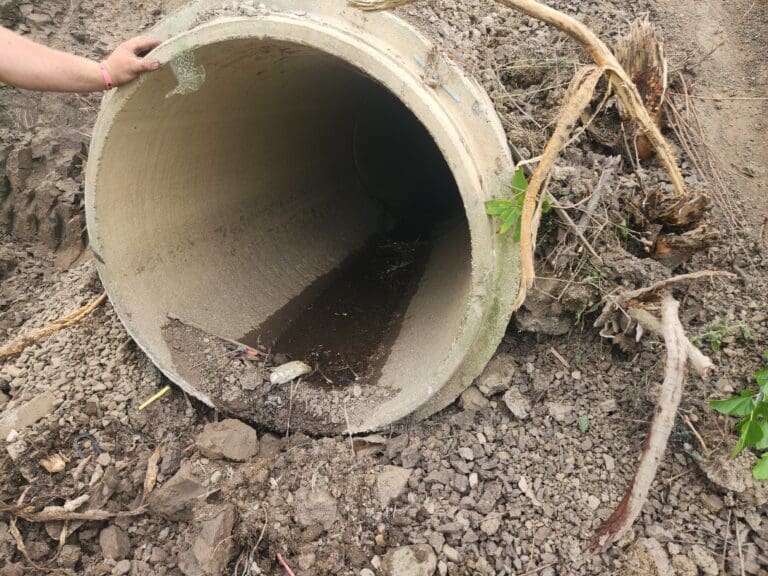
A CCTV inspection of the 36-inch stormwater pipe revealed several issues impacting system performance. Significant root masses were found growing inside the pipe. Nearby trees had gradually infiltrated small cracks and joints, allowing roots to enter the pipe and expand over time. As the roots grew, they narrowed the internal space available for water to move through the system, limiting flow during rain events, which led to flooding upstream. 

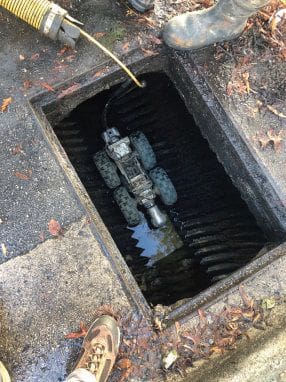
In addition to root intrusion, sediment and debris were present throughout the pipe. This material likely accumulated as runoff carried soil and debris into the system. Together, root growth, sediment buildup, and deteriorated joints restricted flow and increased the risk of backups, erosion, and further pipe damage. If left unaddressed, these conditions could have led to more extensive repairs or business disruptions. 

System Isolation and Cleaning

Before rehabilitation could begin, the stormwater system needed to be isolated and cleaned. A temporary dam was constructed using sandbags at the outfall where the retention basin connects to the pipe. This prevented water from the pond from entering the pipe and allowed the system to be fully emptied. 

With the system isolated, the retention basin was pumped down to lower water levels and provide access to the pipe. A vactor truck was used to remove accumulated sediment, debris, and root material from inside the pipe. Clearing the pipe was a critical step to ensure the repair method could be installed correctly. Any remaining debris or moisture would have compromised the effectiveness of the liner. 


Repair Method Selection 

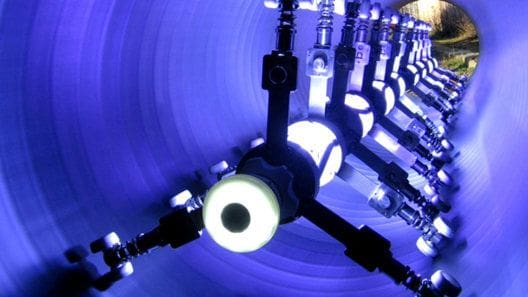
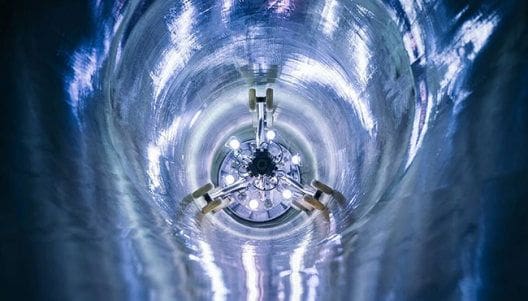
Based on the inspection, AQUALIS selected UV-cured pipelining as the most effective repair method for this site. UV-cured lining is a trenchless rehabilitation method that installs a flexible liner inside the existing pipe. The liner is then cured in place using ultraviolet light, creating a new, seamless pipe within the original structure. This approach restores flow capacity while reinforcing the entire length of the pipeUV-cured lining addresses both visible defects and areas that may be vulnerable to future damage. 


Pipe Rehabilitation and Associated Repairs 

A 36-inch UV-cured liner was installed along the damaged section of the stormwater pipe and cured in place using ultraviolet light. Once cured, the liner formed a continuous, smooth interior surface designed to improve hydraulic performance and prevent future root intrusion. 

To ensure proper surface drainage, portions of the liner located directly beneath catch basins were carefully trimmed. This allowed stormwater to enter the pipe freely without obstruction. In addition to relining the pipe, exposed joints within a nearby catch basin were sealed using hydraulic cement to prevent water from escaping into surrounding soils. Debris was also removed from a nearby surface grate to improve inlet performance and support overall system efficiency. 


Site Restoration 

After repairs were completed, the site was returned to normal operating conditions. All equipment was demobilized, and accumulated waste materials were removed and disposed of at an approved offsite facility. A general site clean-up ensured the work areas were safe, functional, and ready for continued use. 


Pipe with roots surrounding Catch basin with debris CCTV machine laptop view of CCTV scan Pipe at catch basin entry Pipe with debris Uv light entering pipe UV Light Machine UV light in pipe

Rehabilitation Outcome

The completed rehabilitation restored full flow capacity to the stormwater pipe and resolved issues caused by root intrusion, sediment buildup, and failing joints. By using UV-cured lining, the facility gained a durable, long-term solution that extends the service life of the existing pipe while avoiding the cost and disruption associated with full pipe replacement. 

With improved drainage performance, the stormwater system is better equipped to manage runoff during heavy rain events and reduce the risk of flooding or, erosion. Through thorough inspection, careful preparation, and trenchless rehabilitation, AQUALIS delivered a practical, effective solution that supports the facility’s long-term stormwater management needs. 

Additional Case Studies