The Southeastern United States, as defined by NOAA, includes Florida, Georgia, Alabama, Mississippi, South Carolina, North Carolina and parts of Tennessee and Louisiana. This region is known for high rainfall, dense vegetation and long growing seasons. These conditions cause invasive species to spread rapidly, making careful vegetation management essential.
For commercial and municipal property owners, unmanaged vegetation can compromise permits, damage infrastructure and create safety hazards. This guide covers key Southeast vegetation management strategies, common invasive species and best practices to protect assets and maintain year-round compliance.
What Is the Best Way to Manage Vegetation in the Southeast?
Southeast vegetation management is a strategic, cost-effective way to control vegetation growth that can interfere with stormwater systems and overall ecosystems.
Core objectives include:
- Protecting stormwater infrastructure
- Maintaining permit compliance
- Preventing invasive species spread
- Preserving native ecosystems
- Reducing fire and safety hazards
- Safeguarding long-term property value
Below are three core service categories used across the Southeast region:
Tree & Bush Trimming & Utility Corridor Maintenance
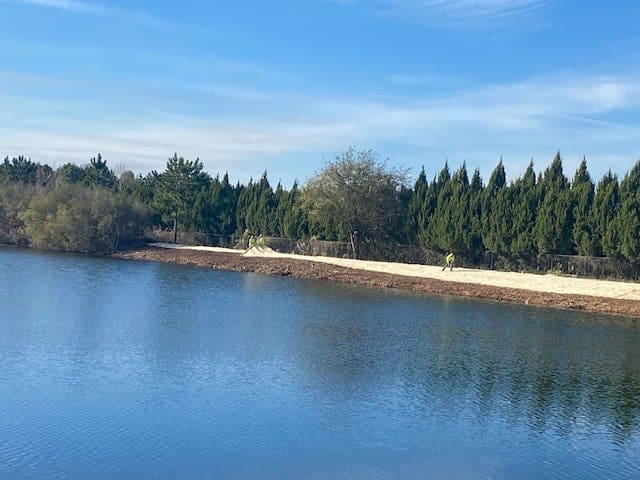
The Southeast’s humid climate rapidly increases year-round tree growth. Dense canopy growth, frequent storms and hurricane activity in Southeastern states all increase the risk of fallen limbs and root system damage. Bushes and trees can quickly encroach on access roads and lines of sight. These issues can compromise utility lines and pose safety and compliance risks.
Strategic trimming helps:
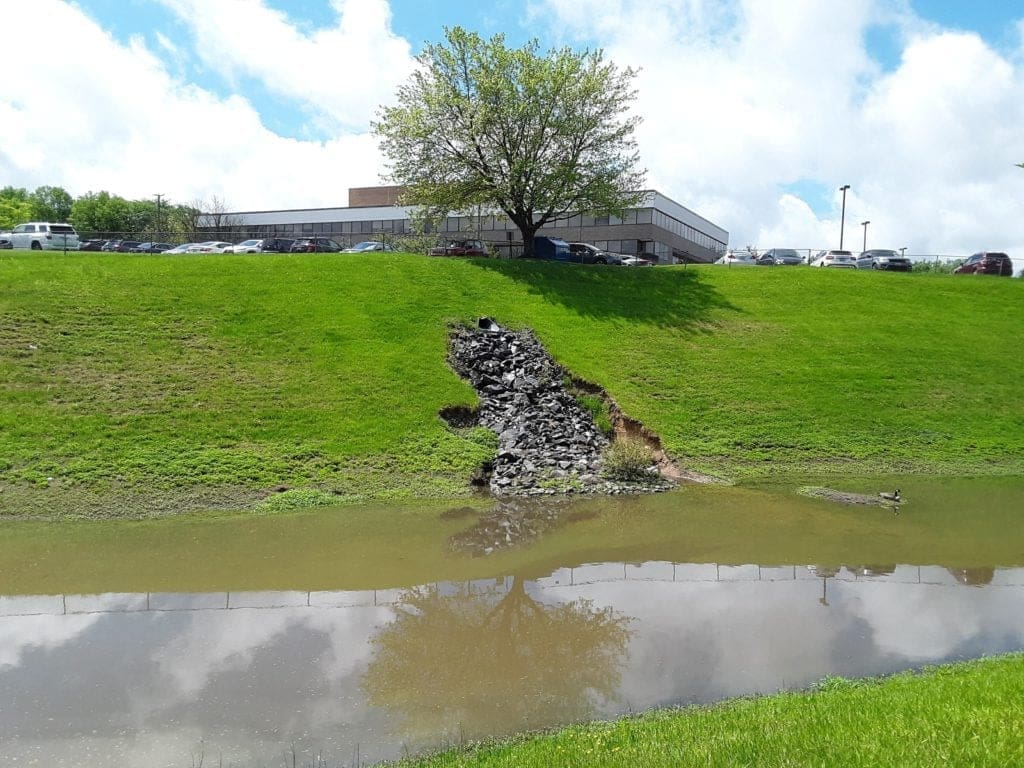
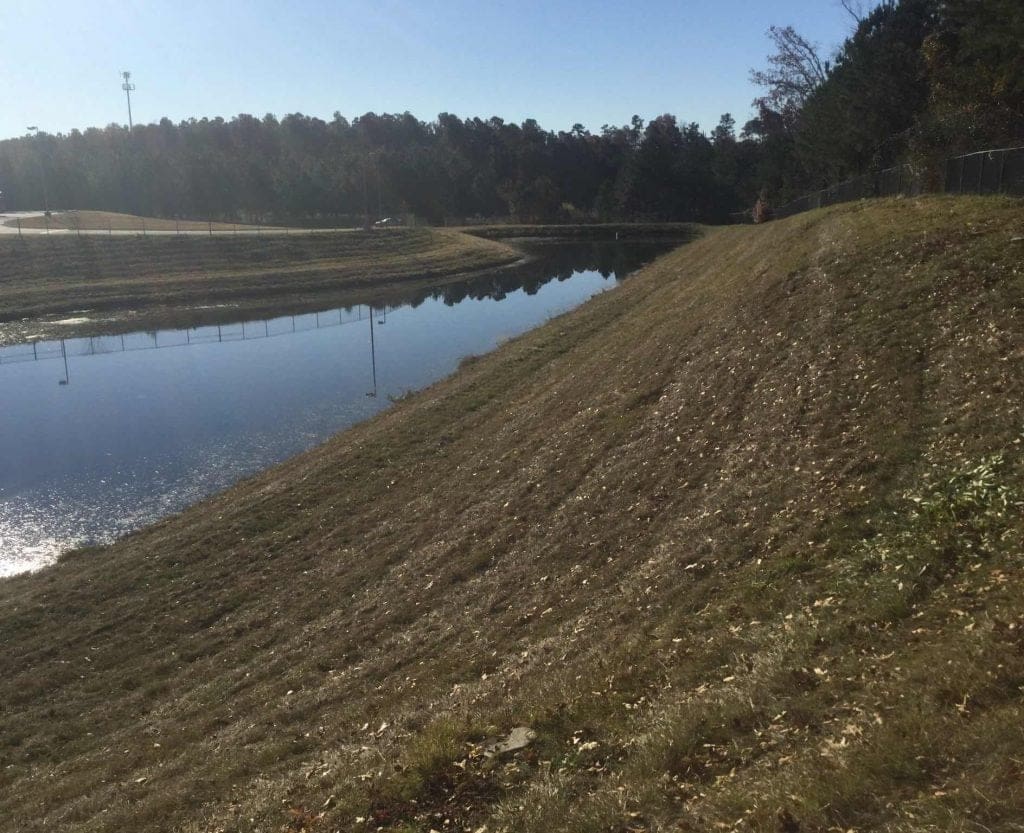
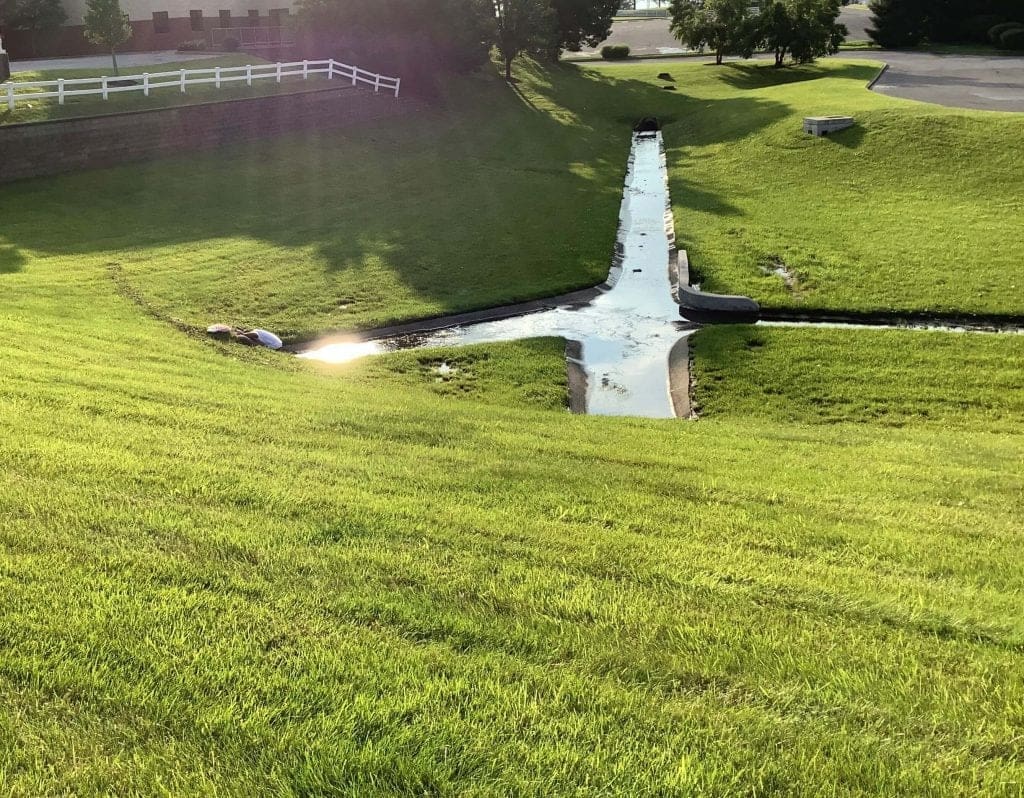
- Prevent damage to stormwater ponds and drainage systems
- Reduce interference with overhead utilities or access roads
- Maintain clear sightlines for safety
- Support proper plant health
Aquatic & Wetland Vegetation Control
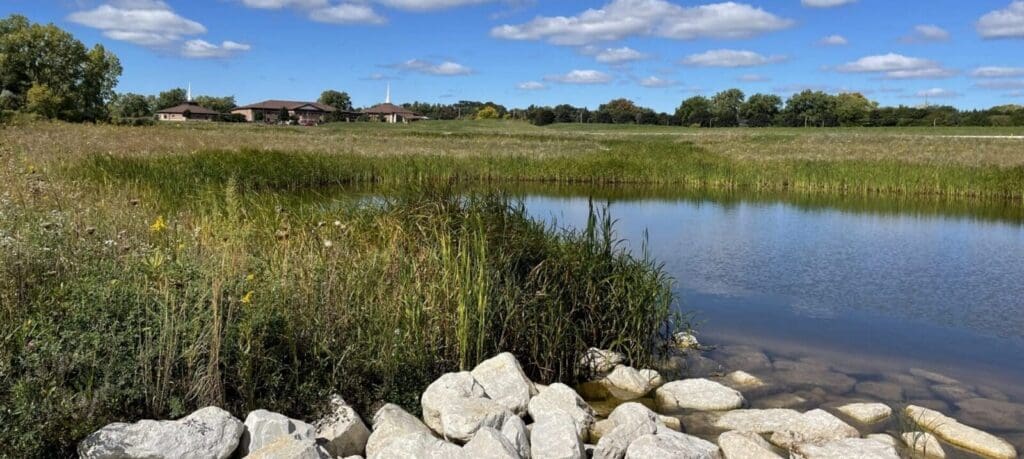
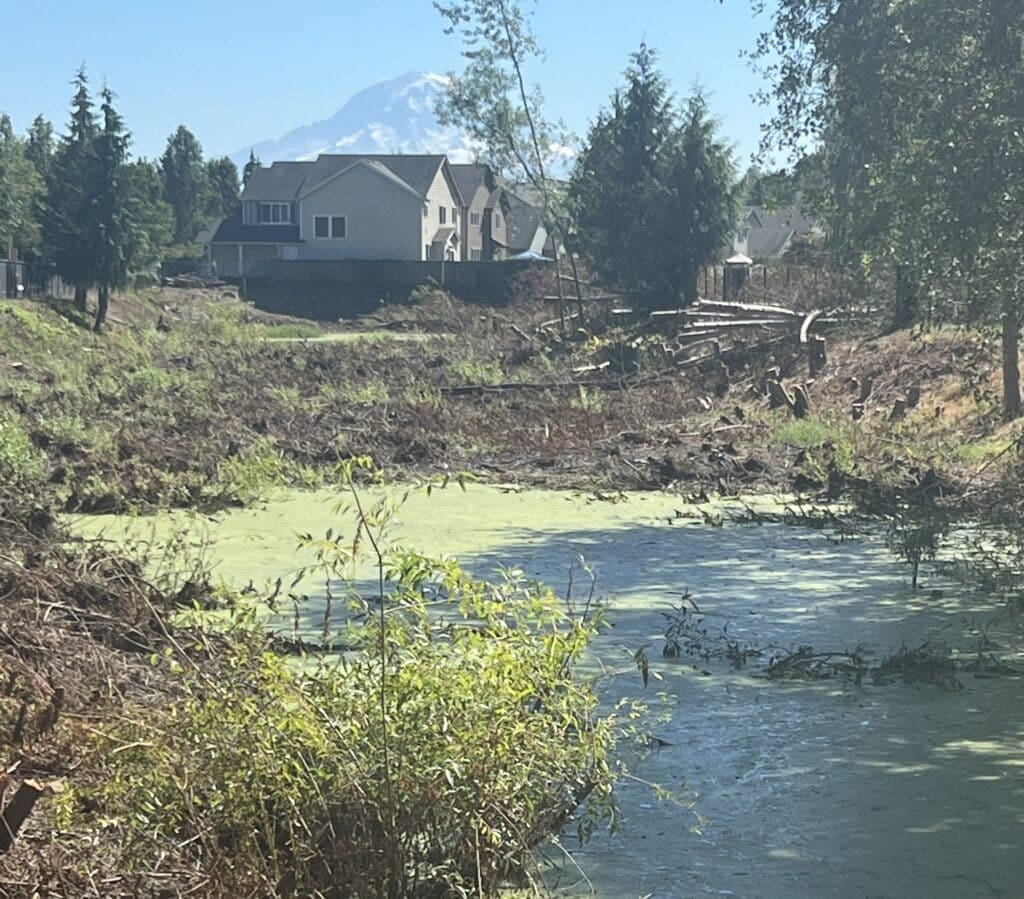
Invasive plants can quickly take over ponds, wetlands and drainage areas in the Southeast, including Florida, Georgia, Alabama, Mississippi, South Carolina, North Carolina and parts of Tennessee and Louisiana . When they spread, they crowd out native plants, lower water quality, harm fish and wildlife and block water flow, increasing flooding risk.
Aquatic and wetland Southeast vegetation management protects infrastructure and restores ecological balance by:
- Improving water quality
- Protecting fish and wildlife
- Supporting healthy native plant growth
- Preventing clogged drainage systems
- Reducing flood risk
Native Species Planting & Habitat Restoration
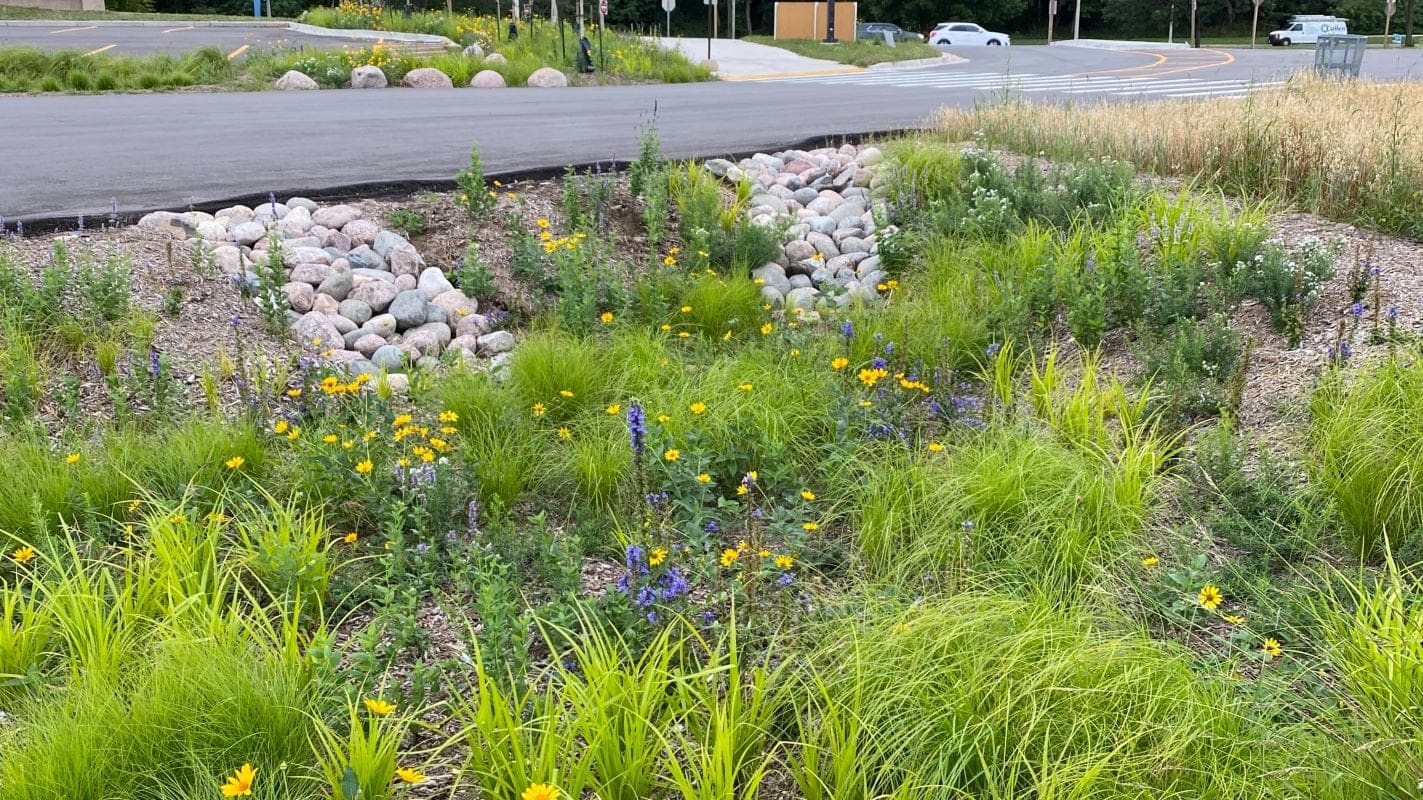
Planting native species is essential for long-term ecosystem health in the Southeastern United States. It helps replace invasive plants, supports wildlife and keeps stormwater systems working properly. Native vegetation also helps commercial sites meet Stormwater Pollution Prevention Plans (SWPPPs) and Operations & Maintenance Agreements (O&Ms).
Benefits of planting native vegetation include:
- Better erosion control
- Improved stormwater filtration
- Habitat for local wildlife
- Lower irrigation needs
- Greater resilience to regional weather
Native plants’ root systems are adapted to local soil and rainfall, slowing runoff and naturally filtering water to protect both the ecosystem and stormwater infrastructure.
Common Native Vegetation in the Southeast Region
The Southeast region is home to a rich variety of native trees, shrubs, wildflowers and grasses. These species work well in stormwater areas and commercial landscapes because they thrive with minimal maintenance and support healthy ecosystems.
Common native plants in, Georgia, Florida, Alabama, Mississippi, South Carolina, North Carolina and parts of Tennessee and Louisiana include:
- Southern live oak tree
- Sourwood tree
- Southern magnolia tree
- Two-winged silverbell tree
- Fringe tree
- American yellowwood tree
- Oakleaf hydrangea
- Bottlebrush buckeye
- Sweet shrub
- Adam’s needle yucca
- Witchhazel
- Indian Pink wildflower
Native vegetation helps stabilize soil, filter stormwater naturally and create habitat for birds, insects and other wildlife. Incorporating native plants into a Southeast vegetation management plan strengthens the ecosystem and supports long‑term regulatory compliance.
Invasive Species Removal in the Southeast United States
Invasive species are one of the most significant threats to ecosystems in the Southeast United States. Warm temperatures and abundant rainfall create ideal conditions for rapid spread. Specifically, North Carolina, Florida and Louisiana have one of the highest concentrations of invasive plant species in the country.
Unmanaged invasive vegetation can:
- Displace native plants
- Reduce biodiversity
- Obstruct drainage systems
- Compromise water quality
- Trigger regulatory violations
For commercial and municipal property owners, invasive species removal is both an environmental responsibility and a compliance necessity.
What Is an Invasive Species?
According to Executive Order 13112 (Section 1), an invasive species is a plant, animal or other organism living outside its natural area that poses a risk to the environment, economy or human health.
Invasive plants typically spread through:
- Wind-dispersed seeds
- Water movement through drainage systems
- Wildlife transport
- Improper landscaping
- Commercial shipping and transport
Additionally, invasive aquatic plants can block waterways, impair stormwater flow and increase flood risk.
Common Invasive Plants in the Southeast
The Southeast faces ongoing pressure from both aquatic and terrestrial invasive plants. Without structured southeast vegetation management, these species can quickly dominate commercial and municipal properties.
Some of the most common invasive plants in the Southeast are:
Aquatic & Wetland Plants
- Narrow-leaved cattail (Typha angustifolia)
- Common reed (Phragmites australis)
- Purple loosestrife (Lythrum salicaria)
- Reed canary grass (Phalaris arundinacea)
Terrestrial & Woody Plants
- Japanese knotweed (Fallopia japonica)
- Canada thistle (Cirsium arvense)
- Common teasel (Dipsacus spp.)
- Autumn olive (Elaeagnus umbellata)
- Tree-of-heaven (Ailanthus altissima)
- Multiflora rose (Rosa multiflora)
- Bush honeysuckle (Lonicera spp.)
- Common buckthorn (Rhamnus cathartica)
- Brazilian pepper tree (Schinus terebinthifolia)
Why Managing Invasive Species Is Critical for Commercial Properties
Invasive aquatic and terrestrial plants can disrupt ecosystems, reduce water quality, block stormwater flow and harm wildlife habitats. For commercial properties, unmanaged invasives are more than an ecological concern; they also pose compliance, safety and infrastructure risks.
Uncontrolled invasive species can lead to:
- Permit violations under NPDES requirements
- Reduced stormwater retention and filtration
- Increased sediment discharge
- Safety hazards around walkways and access roads
- Higher wildfire risk
- Long-term asset degradation
Effective Southeast vegetation management helps prevent the spread of invasive species so you can properly maintain stormwater performance and prevent future non-compliance.
Why Choose AQUALIS for Southeast Vegetation Management & Invasive Species Removal?
Managing vegetation in the Southeast region requires environmental expertise, regulatory knowledge and long-term planning.
AQUALIS specializes in sustainable water management and compliance for commercial, industrial and municipal clients across the U.S. With over 20 years of experience and more than 100,000 inspections completed, our team understands the regulatory landscape that governs vegetation in the Southeast.
From fast-growing wetlands to inland commercial corridors, we develop proactive Southeast vegetation management and invasive species removal programs to preserve your stormwater systems and strengthen your environmental resilience.