
Last Updated 07/17/2026
Matanuska-Susitna Stormwater Assessment
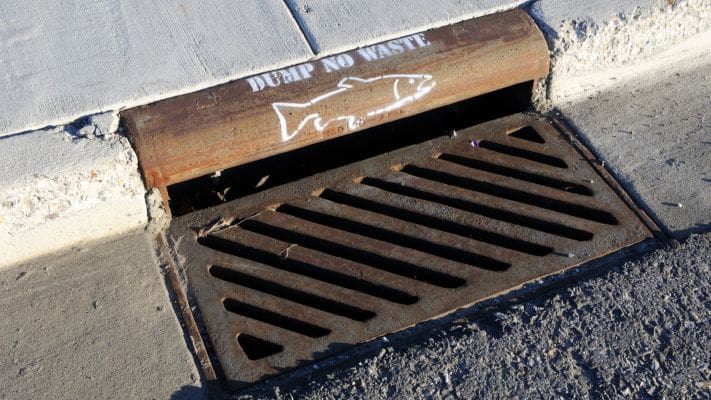
During storm events, sediments, oils and grease, salts, and metals are washed from parking areas, roads, yards, and fields into drainage ditches or storm drains that discharge into surface streams.
These pollutants can reach concentrations in streams and rivers that can result in health problems from drinking or recreational exposure. Fine sediments flushed into streams can dominate
stream beds blocking the flow of oxygen to developing salmon eggs, clog the gills of rearing juvenile salmon or resident fish, disrupt visual feeding activity, and eliminate the living space for
aquatic insects. Pollutants can be toxic to fish and aquatic insects particularly during early incubation. Toxins can indirectly affect aquatic organisms by binding with oxygen or increasing the susceptibility to other diseases. Pollutants can alter the odor of streams affecting the ability of migrating salmon to locate spawning areas.
The Mat-Su Borough and core areas of Palmer and Wasilla have been the fastest growing regions in Alaska and among the fastest in the nation. As development increases, the concern for stormwater runoff pollution increases. Development within Wasilla is adjacent to Wasilla, Cottonwood, and Little Meadow Creeks. Cottonwood Creek, once a premier rainbow trout fishery, still supports coho salmon, sockeye salmon, and resident rainbow trout. Cottonwood Creek and Wasilla Lake also are important areas for water related recreation.
Post Construction Runoff Control
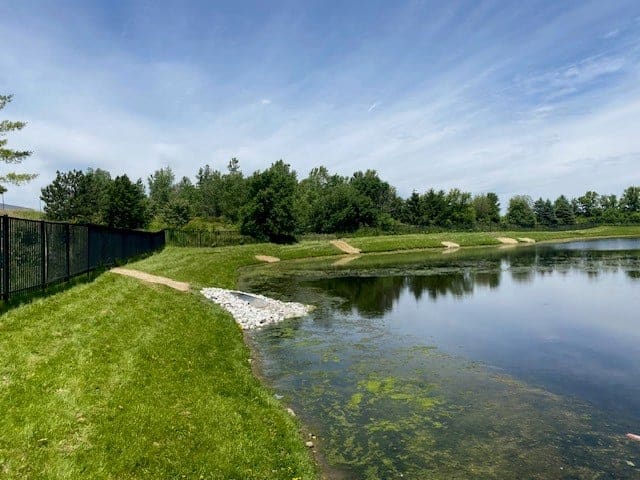
Beyond the construction phase, development and redevelopment projects change the landscape and can contribute to stormwater pollution well into the future. By planning for onsite stormwater management during design and continuing with ongoing maintenance during operations, developers can be Stormwater Stewards and protect water quality in the community
View State Page
Frequently Asked Questions
Why is stormwater runoff such a concern in the Matanuska-Susitna Borough specifically?
Because the Mat-Su Borough, along with Palmer and Wasilla, has been among the fastest-growing regions in Alaska and the nation. That pace of development means more parking areas, roads, and rooftops in a landscape that drains directly into salmon-bearing streams, so runoff pollution has become a growing concern alongside the region’s growth.
What pollutants typically wash into Mat-Su waterways during storm events?
Sediments, oils and grease, salts, and metals are the primary pollutants carried off parking areas, roads, yards, and fields during storms, flowing into drainage ditches or storm drains that discharge directly into surface streams.
How does stormwater runoff affect salmon in the Mat-Su area?
Significantly. Fine sediment flushed into streams can smother stream beds, blocking oxygen from reaching developing salmon eggs and clogging the gills of juvenile salmon and resident fish. Runoff can also disrupt visual feeding, eliminate habitat for aquatic insects, and even alter stream odor in ways that interfere with migrating salmon finding their spawning grounds.
Which local waterways are most affected by development runoff in the Mat-Su Borough?
Wasilla, Cottonwood, and Little Meadow Creeks sit adjacent to development within Wasilla. Cottonwood Creek in particular, once a premier rainbow trout fishery, still supports coho salmon, sockeye salmon, and resident rainbow trout today, and both the creek and Wasilla Lake remain important for water-related recreation, which raises the stakes for keeping runoff pollution in check.
Does stormwater management end once construction on a property is finished?
No. Development and redevelopment projects continue to shape runoff patterns well after construction wraps up. Planning for onsite stormwater management during design, and following through with ongoing maintenance once a property is operational, is what actually protects local water quality over the long run rather than just meeting a one-time construction requirement.
How can AQUALIS help my property manage stormwater responsibly in the Mat-Su Borough?
AQUALIS helps Mat-Su property owners plan onsite stormwater management during design and maintain it through ongoing operations, protecting the sediment-sensitive salmon streams the borough’s growth increasingly puts at risk.
The information on this page is provided for general informational purposes only and is not legal advice. Regulations change frequently — AQUALIS makes no warranty as to the accuracy or completeness of this content, and any reliance on it is at your own risk. Consult a qualified professional or your local regulatory authority to confirm requirements applicable to your specific property.
Did you receive an NOV? Have an urgent need? We can help.
Notices of Violation (NOVs) or Corrective Notices should be taken seriously. Contact AQUALIS today to learn how to resolve the issue and comply with regulations.