

Last Updated 07/21/2026
Monterey Stormwater Laws & Regulations
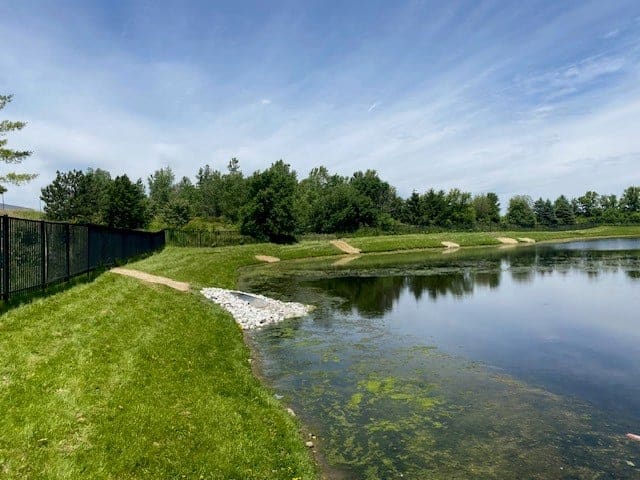
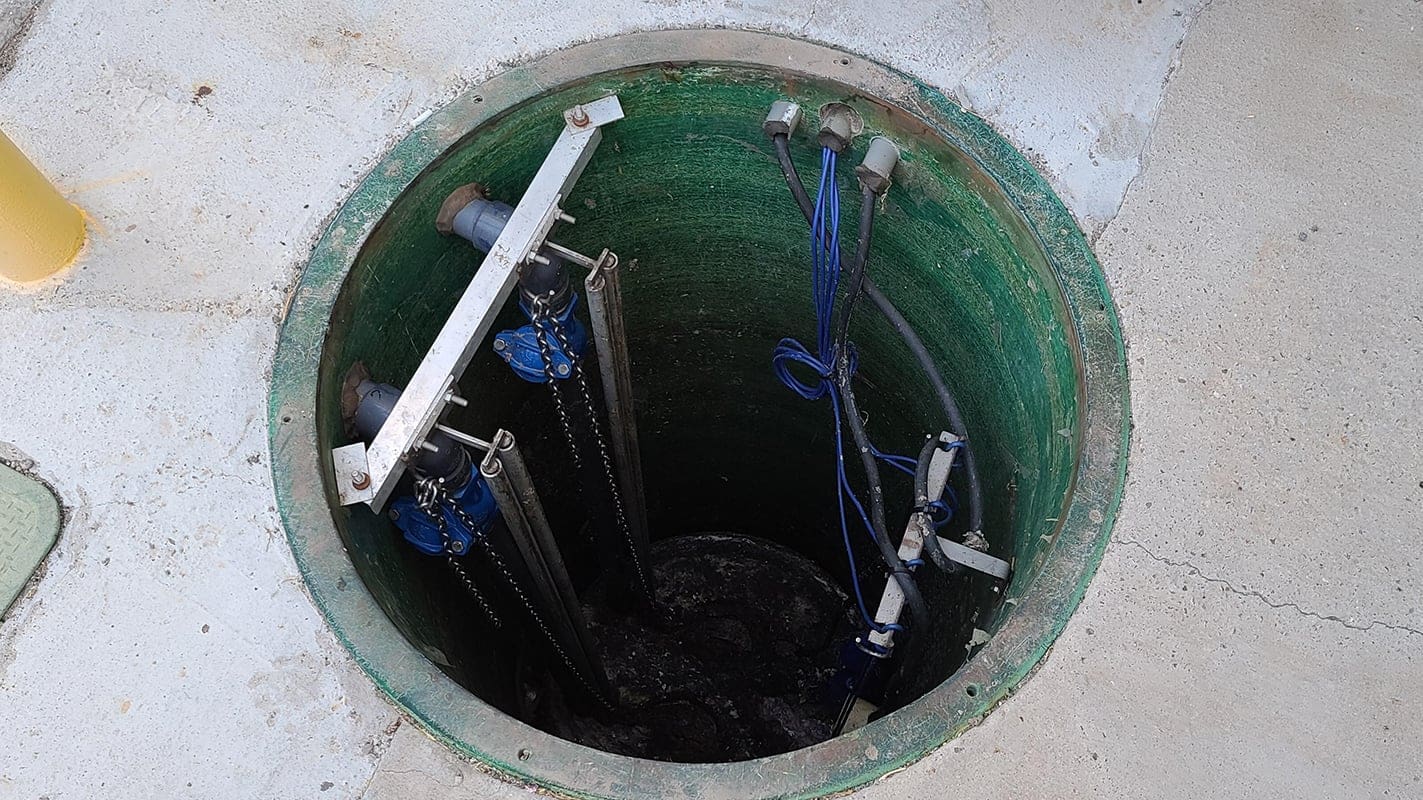
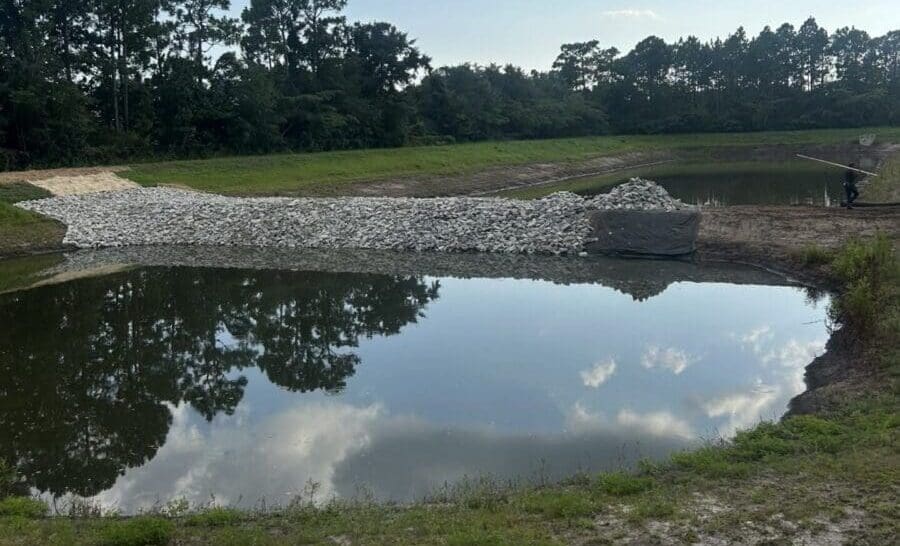
The City of Monterey has enacted a Stormwater Ordinance in order to establish minimum stormwater management requirements and controls to protect and safeguard the general health, safety, and welfare of the public residing in watersheds within this jurisdiction. The City of Monterey is the permitting authority for all land disturbing activities and requires the land owner to maintain all on-site stormwater control facilities and all open space areas (e.g. parks or “green” areas) required by the approved stormwater control plan. The City of Monterey will only provide construction permits to projects that establish a plan to manage stormwater runoff occurring during the construction process. The City of Monterey, under the NPDES program, also has the authority to inspect properties for noncompliance and can issue a notice of violation (NOV) for any deficiency or infraction onsite. Property owners are responsible for the maintenance of any stormwater facilities or practices located on the property. The City of Monterey has the authority to inspect stormwater facilities and practices in order to ascertain that they are properly maintained and functioning.
EXCERPT – Monterey County Regulations
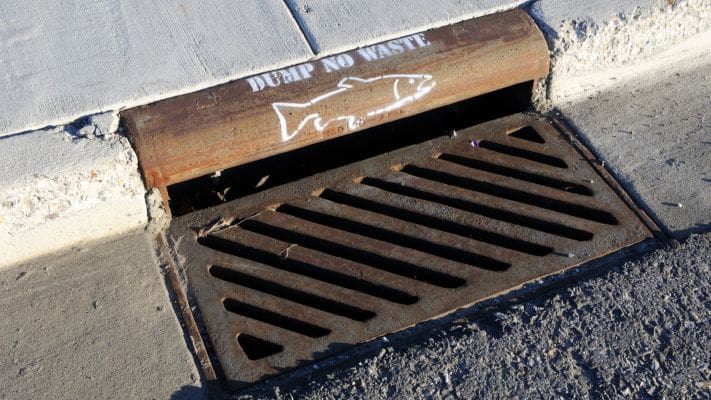
“RMA Environmental Services administers Monterey County’s NPDES Municipal General Permit issued by the State Water Resources Control Board. The County is responsible for performing a number of permit-related activities that collectively are intended to reduce pollutants that enter and are discharged from the storm drain systems that it operates in urbanized portions of the County.
The Clean Water Act (CWA) of 1972 established the basic structure for regulating discharges of pollutants into waters of the United States and regulating quality standards for surface waters. The US Environmental Protection Agency’s National Pollutant Discharge Elimination System (NPDES) requires industrial, municipal and other facilities to obtain permits that regulate their discharges into surface waters. In California, the State Water Resources Control Board (State Water Board), a division of CalEPA, establishes the policies that implement the CWA. The State Water Board has established NPDES permits that regulate stormwater discharges for industrial facilities, municipal facilities, and construction activities, as well as other activities that impair the quality of California’s surface waters (such as pesticide use).
The State Water Board’s web site includes information on the permits that are administered directly by the State Water Board: Construction General Permit; Industrial General Permit;CalTRANS Municipal Permit.
Environmental Services manages Monterey County’s Municipal General Permit. Information from the State Water Resources Control Board on minimum program elements are contained within the Phase II Municipal Separate Storm Sewer System (MS4) General Permit. Information on Monterey County’s specific Permit requirements are available from the links provided on the left side of this page, and from the Documents link at the bottom of these links.”
EXCERPT – Stormwater Management Program
Post-Construction Storm Water Management in New Development and Redevelopment
To satisfy this minimum control measure, the Permittee must:
- Develop, implement, and enforce a program to address storm water runoff from new 4-5 development and redevelopment projects that disturb greater than or equal to one acre, including projects less than one acre that are part of a larger common plan of development or sale, that discharge into the Small MS4 by ensuring that controls are in place that would prevent or minimize water quality impacts;
- Develop and implement strategies, which include a combination of structural and/or non-structural BMPs appropriate for your community;
- Use an ordinance or other regulatory mechanism to address post-construction runoff from new development and redevelopment projects to the extent allowable under State or local law. For those Small MS4s described in Supplemental Provision E, the requirements must at least include the design standards contained in Attachment 4 of the General Permit or a functionally equivalent program that is acceptable to the appropriate RWQCB;
- Ensure adequate long-term operation and maintenance of BMPs.
- Determine the appropriate BMPs and measurable goals for this minimum control measure.
- Note: The General Permit does not require redesign of K-12 school or community college facilities that have been submitted to the Department of General Services, Division of the State Architect before adoption of the permit, and which receive final approval from the State Allocation Board or the Public Works Board, as appropriate, on or before December 31, 2004.
6. Pollution Prevention/Good Housekeeping for Municipal Operations
To satisfy this minimum control measure, the Permittee must:
- Develop and implement an operation and maintenance program that includes a training component and has the ultimate goal of preventing or reducing pollutant runoff from municipal operations;
- Using training materials that are available from U.S. EPA, the State, or other organizations, the program must include employee training to prevent and reduce storm water pollution from activities such as park and open space maintenance, fleet building maintenance, new construction and land disturbances, and storm water system maintenance;
- Determine the appropriate best management practices (BMPs) and measurable goals for this minimum control measure.
EXCERPT – City of Monterey Stormwater Plan
Division III. Regulations and Requirements.
Section 31.5-16. Requirement to Prevent, Control, and Reduce Storm Water Pollutants.
(a) Authorization to Adopt and Impose Best Management Practices. The City will adopt requirements identifying Best Management Practices for any activity, operation, or facility which may cause or contribute to pollution or contamination of storm water, the storm drain system, or waters of the U.S. as a separate BMP Guidance Series. Where Best Management Practices requirements are promulgated by the City or any federal, State of California, or regional agency for any activity, operation, or facility which would otherwise cause the discharge of pollutants to the storm drain system or water of the U.S., every person undertaking such activity or operation, or owning or operating such facility shall comply with such requirements. The Public Works Director will report to the City Council annually on the status of implementation of BMP’s, the pollutants of concern to be addressed the next year, and any new BMPs to be developed. BMP’s developed under this program will be included in the City of Monterey’s BMP Guidance Series.
(b) New Development and Redevelopment. The City may adopt requirements identifying appropriate Best Management Practices to control the volume, rate, and potential pollutant load of storm water runoff from new development and redevelopment projects as may be appropriate to minimize the generation, transport and discharge of pollutants. The City shall incorporate such requirements in any land use entitlement and construction or building-related permit to be issued relative to such development or redevelopment. The owner and developer shall comply with the terms, provisions, and conditions of such land use entitlements and building permits as required in this Article and the City Storm Water Utility Ordinance, Chapter 31.5, Article 1.
(c) Responsibility to Implement Best Management Practices. Notwithstanding the presence or absence of requirements promulgated pursuant to subsections (a) and (b), any person engaged in activities or operations, or owning facilities or property which will or may result in pollutants entering storm water, the storm drain system, or waters of the U.S. shall implement Best Management Practices to the extent they are technologically achievable to prevent and reduce such pollutants. The owner or operator of a commercial or industrial establishment shall provide reasonable protection from accidental discharge of prohibited materials or other wastes into the municipal storm drain system or watercourses. Facilities to prevent accidental discharge of prohibited materials or other wastes shall be provided and maintained at the owner or operator’s expense. Best Management Practices required by the City can be obtained from the Public Works Department by requesting the BMP manual appropriate to a commercial or industrial activity from the BMP Guidance Series. BMP’s are broken into three categories: “high priority” which are required to be implemented, “medium priority” which are desirable to implement, and “low priority.”
Section 31.5-19. Watercourse Protection.
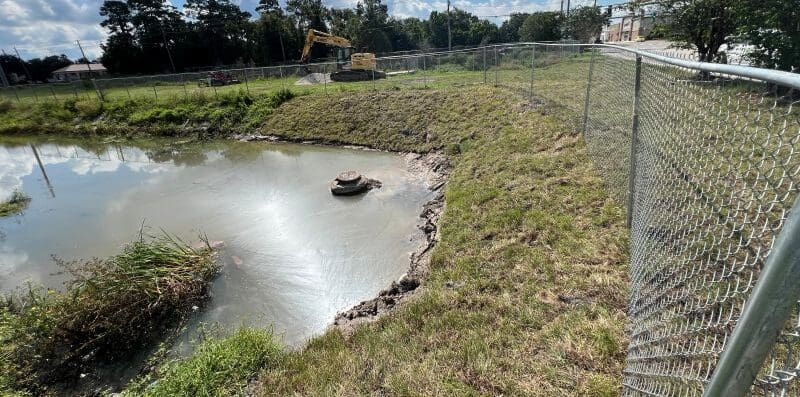
Every person owning property through which a watercourse passes, or such person’s lessee, shall keep and maintain that part of the watercourse within the property reasonably free of trash, debris, excessive vegetation, and other obstacles that would pollute, contaminate, or significantly retard the flow of water through the watercourse. In addition, the owner or lessee shall maintain existing privately-owned structures within or adjacent to a watercourse, so that such structures will not become a hazard to the use, function, or physical integrity of the watercourse. The owner or lessee shall not remove healthy bank vegetation beyond that actually necessary for maintenance, nor remove said vegetation in such a manner as to increase the vulnerability of the watercourse to erosion. The property owner shall be responsible for maintaining and stabilizing that portion of the watercourse that is within their property lines in order to protect against erosion and degradation of the watercourse originating or contributed from their property.
View State Page
Frequently Asked Questions
Who actually administers stormwater compliance in Monterey, the city or the county?
Both, depending on your exact situation. Monterey County’s RMA Environmental Services administers the county’s NPDES Municipal General Permit issued by the State Water Resources Control Board, while the City of Monterey separately enforces its own stormwater ordinance under Chapter 31.5 of the municipal code. A property can be subject to city-level BMP requirements and still fall within the county’s broader Phase II MS4 permit coverage.
What size project triggers post-construction stormwater controls in Monterey?
Any new development or redevelopment disturbing one acre or more, including smaller projects that are part of a larger common plan of development or sale. The permit requires putting BMPs in place specifically to prevent or minimize water quality impacts from that runoff before it discharges into the small MS4.
Does the City of Monterey publish its own list of required BMPs?
Yes, through its BMP Guidance Series. The Public Works Department maintains manuals specific to different commercial and industrial activities, and BMPs are sorted into high priority, meaning implementation is required, medium priority, meaning implementation is desirable, and low priority.
Who pays for stormwater protection measures on a commercial property in Monterey?
The owner or operator. The city’s ordinance requires reasonable protection against accidental discharge of prohibited materials into the storm drain system, and the facilities needed to provide that protection have to be installed and maintained at the owner or operator’s own expense.
Do I need to maintain a stream or watercourse that runs through my Monterey property?
Yes. Property owners, or their lessees, have to keep the portion of a watercourse on their property reasonably free of trash, debris, excessive vegetation, and other obstacles that would pollute the water or slow its flow. Any privately owned structures near the watercourse also have to be maintained so they don’t become a hazard to it.
Can I remove vegetation along a watercourse on my Monterey property?
Only what’s actually necessary for maintenance. The ordinance specifically prohibits removing healthy bank vegetation beyond that need, or removing it in a way that increases the watercourse’s vulnerability to erosion. Property owners remain responsible for stabilizing their portion of the watercourse against erosion regardless.
Does the City of Monterey report on its stormwater program publicly?
Yes. The Public Works Director reports to City Council annually on BMP implementation status, upcoming pollutants of concern, and any new BMPs being developed, which then get folded into the city’s ongoing BMP Guidance Series.
How can AQUALIS help my property stay compliant with Monterey's stormwater requirements?
AQUALIS helps Monterey property owners implement the high-priority BMPs required under the city’s Guidance Series, maintain watercourses and privately owned structures near them to the city’s erosion standards, and design post-construction controls that satisfy both city ordinance and Monterey County’s MS4 permit requirements.
The information on this page is provided for general informational purposes only and is not legal advice. Regulations change frequently — AQUALIS makes no warranty as to the accuracy or completeness of this content, and any reliance on it is at your own risk. Consult a qualified professional or your local regulatory authority to confirm requirements applicable to your specific property.