

Last Updated 07/20/2026
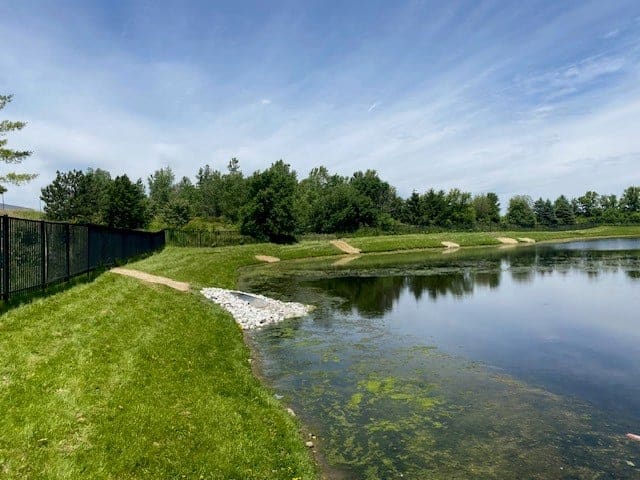
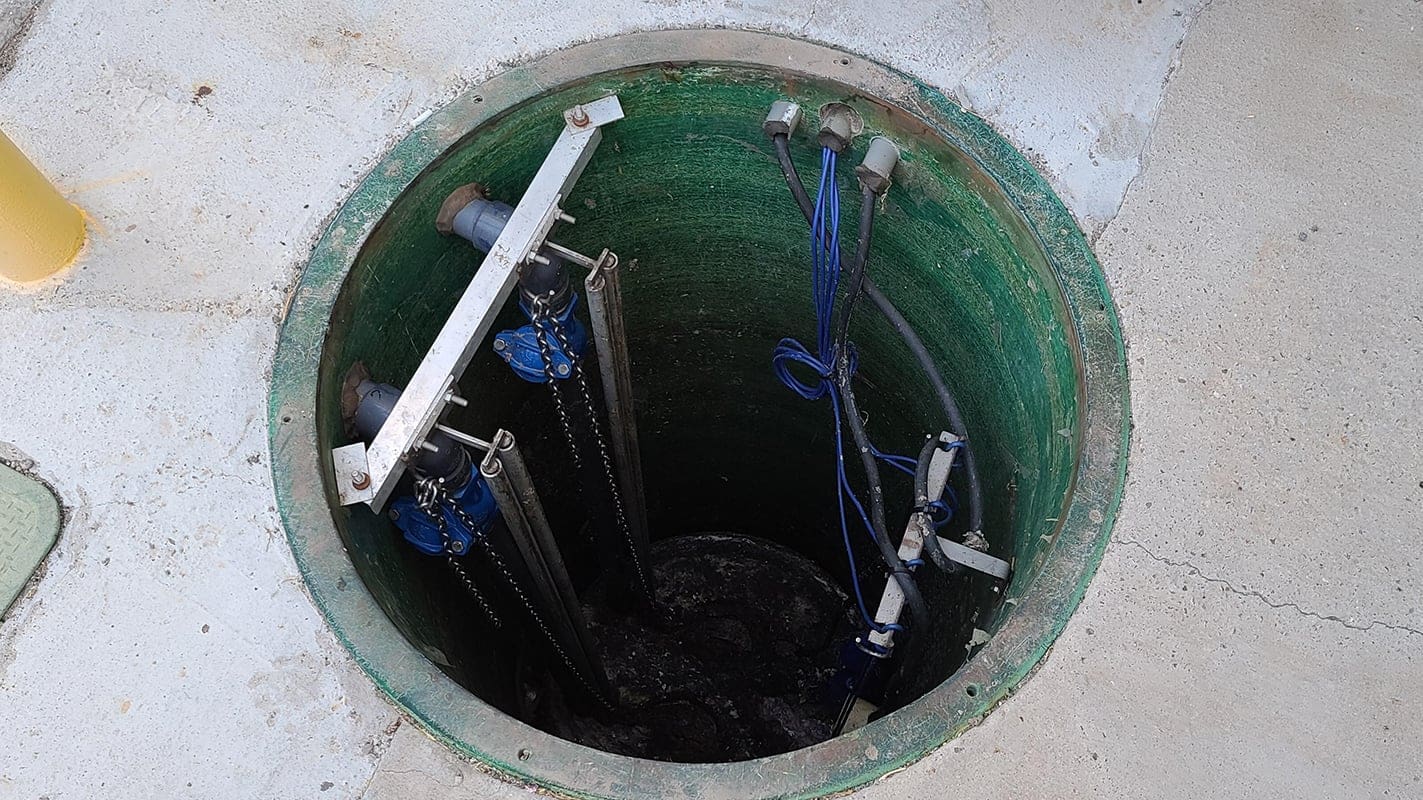
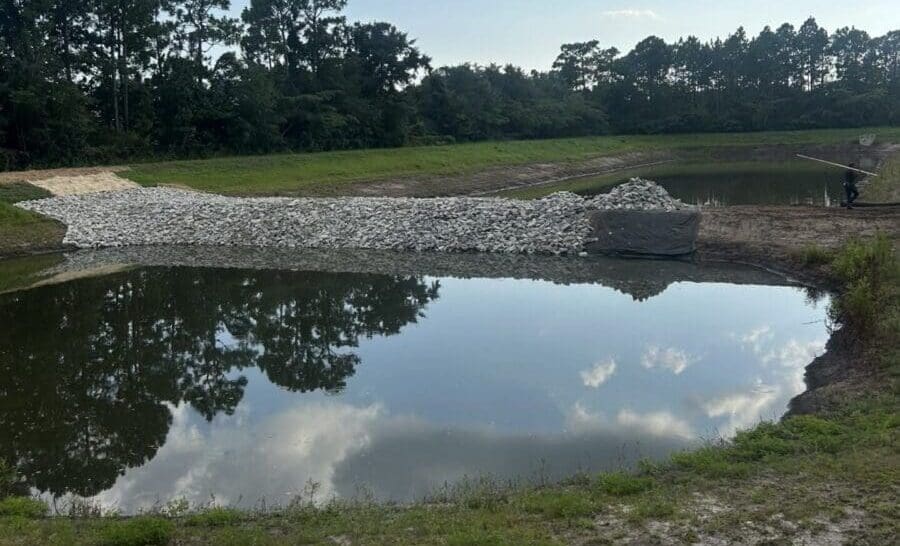
The City of Bentonville has enacted a Stormwater Ordinance in order to establish minimum stormwater management requirements and controls to protect and safeguard the general health, safety, and welfare of the public residing in watersheds within this jurisdiction. The City of Bentonville is the permitting authority for all land disturbing activities and requires the land owner to maintain all on-site stormwater control facilities and all open space areas (e.g. parks or “green” areas) required by the approved stormwater control plan. The City of Bentonville will only provide construction permits to projects that establish a plan to manage stormwater runoff occurring during the construction process. The City of Bentonville, under the NPDES program, also has the authority to inspect properties for noncompliance and can issue a notice of violation (NOV) for any deficiency or infraction onsite. Property owners are responsible for the maintenance of any stormwater facilities or practices located on the property. The City of Bentonville has the authority to inspect stormwater facilities and practices in order to ascertain that they are properly maintained and functioning.
Excerpt from Bentonville Municipal Code
Section 200 Prohibitions and Requirements
(A) Prohibitions
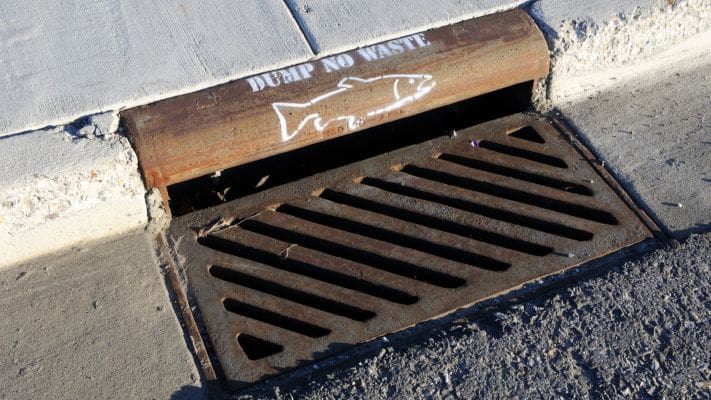
1. No person shall release or cause to be released into the storm drainage system any discharge that is not composed entirely of uncontaminated stormwater, except as allowed herein. Common stormwater contaminants include trash, yard waste, lawn chemicals, pet waste, and wastewater, and oil, petroleum products, cleaning products, paint products, hazardous waste and sediment.
2. Any discharge shall be prohibited by this Section if the discharge in question has been determined to be a source of pollutants to the storm drainage system.
3. The construction, use, maintenance or continued existence of illicit connections to the storm drain system is prohibited. This prohibition expressly includes, without limitation, illicit connections made in the past, regardless of whether the connection was permissible under law or practices applicable or prevailing at the time of connection.
4. No person shall connect a line conveying sanitary sewage, domestic sewage or industrial waste, to the storm drainage system, or allow such a connection to continue.
5. No person shall maliciously destroy or interfere with BMP’s implemented pursuant to this Chapter.
(C) Requirements Applicable to Certain Dischargers
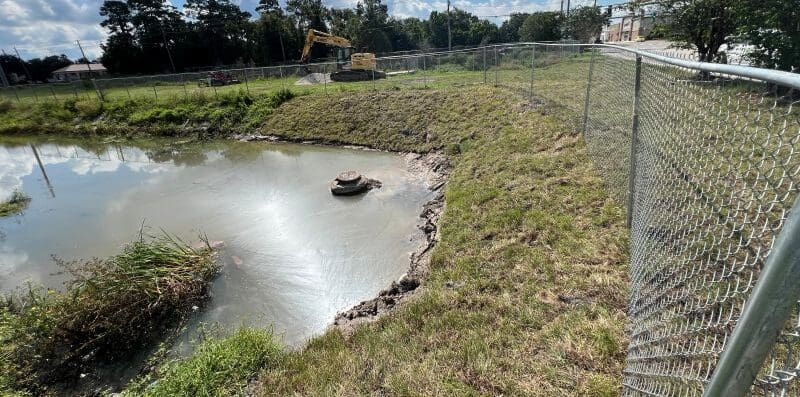
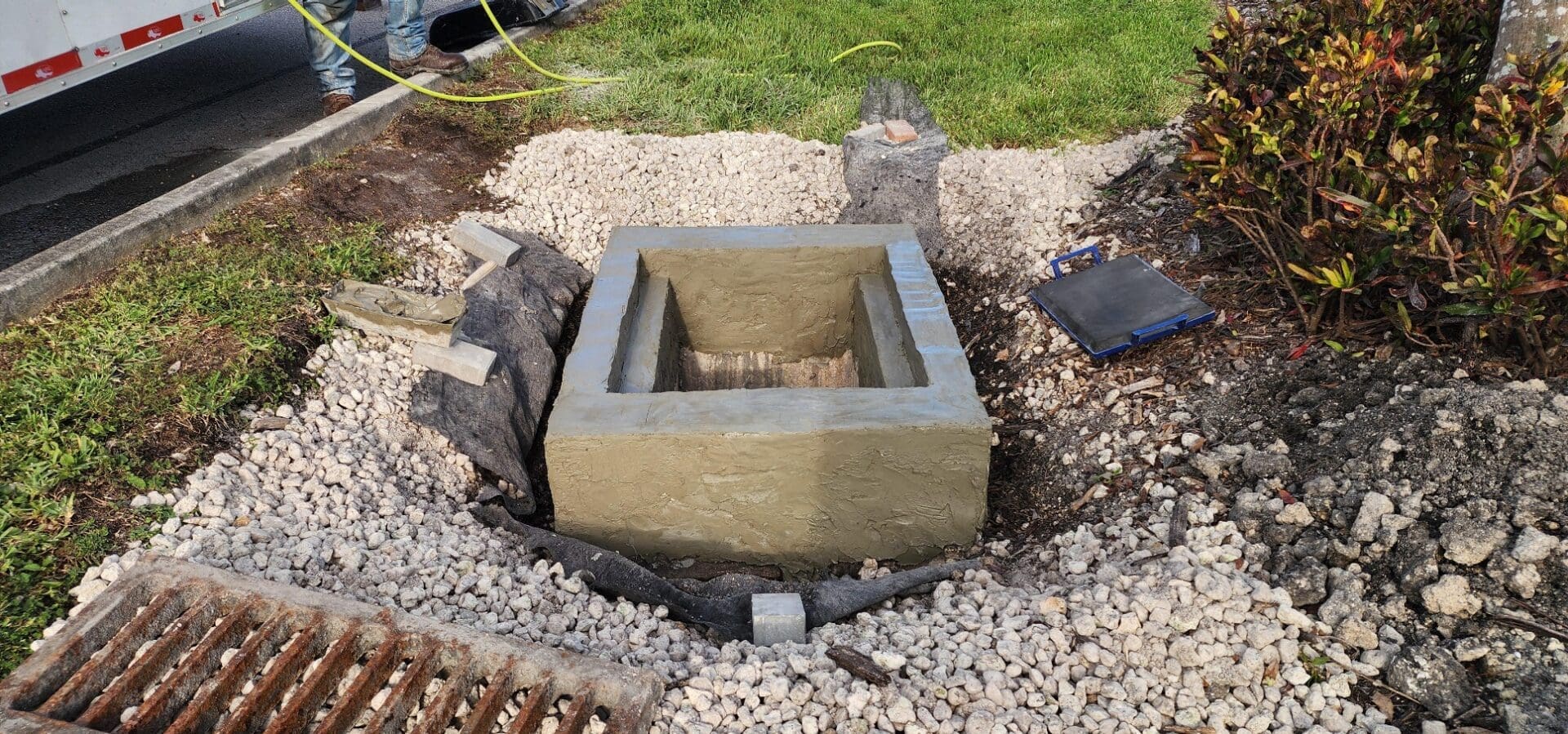
1. Private Drainage System Maintenance. The owner of any private drainage system shall maintain the system to prevent or reduce the discharge of pollutants. This maintenance shall include, but is not limited to, sediment removal, bank erosion repairs, maintenance of vegetative cover, and removal of debris from pipes and structures.
2. Minimization of Irrigation Runoff. A discharge of irrigation water that is of sufficient quantity to cause a concentrated flow in the storm drainage system is prohibited. Irrigation systems shall be managed to reduce the discharge of water from a site
3. Cleaning of Paved Surfaces Required. The owner of any paved parking lot, street or drive shall clean the pavement as required to prevent the buildup and discharge of pollutants. The visible buildup of mechanical fluid, waste materials, sediment or debris is a violation of this ordinance. Paved surfaces shall be cleaned by dry sweeping, wet vacuum sweeping, collection and treatment of wash water or other methods in compliance with this Code.
4. Maintenance of Equipment. Any leak or spill related to equipment maintenance in an outdoor, uncovered area shall be contained to prevent the potential release of pollutants. Vehicles, machinery and equipment must be maintained to reduce leaking fluids.
5. Materials Storage. In addition to other requirements of this Code, materials shall be stored to prevent the potential release of pollutants. The uncovered, outdoor storage of unsealed containers of hazardous substances is prohibited.
6. Pesticides, Herbicides and Fertilizers. Pesticides, herbicides and fertilizers shall be applied in accordance with manufacturer recommendations and applicable laws. Excessive application shall be avoided.
7. Prohibition on use of pesticides and fungicides banned from manufacture. Use of any pesticide, herbicide or fungicide, the manufacture of which has been either voluntarily discontinued or prohibited by the Environmental Protection Agency, or any Federal, State or City regulation is prohibited.
8. Open Drainage Channel Maintenance. Every person owning or occupying property through which an open drainage channel passes shall keep and maintain that part of the drainage channel within the property free of trash, debris, excessive vegetation, and other obstacles that would pollute, contaminate, or retard the flow of water through the drainage channel. In addition, the owner or occupant shall maintain existing privately owned structures adjacent to a drainage channel, so that such structures will not become a hazard to the use, function, or physical integrity of the drainage channel.
SECTION 600 Maintenance of Stormwater Facilities
(A) Maintenance Responsibility
Those stormwater management systems approved in compliance with this chapter that will function as an integral part of the system maintained by the city shall be dedicated to the city. All areas and/or structures to be dedicated to the city must be dedicated by plat or separate instrument and accepted by action of the City Council. All stormwater management systems accepted as dedications by the city shall be maintained by the city. Maintenance of all other stormwater management systems approved in compliance with this chapter shall be accomplished by the legal entity responsible for maintenance, which may include an approved entity as identified in the following:
1. Local government—a county, municipality, municipal service taxing unit, special district, or other appropriate governmental unit;
2. Special district—an active water control district, a drainage district, or a special assessment district;
3. State or federal agency—an appropriate state or federal agency;
4. Public entity—an officially franchised, licensed, or approved communication, water, sewer, electrical, stormwater, or other public utility;
5. Developer or property owner—a developer or property owner who provides a bond or other assurance of continued financial capability to operate and maintain stormwater management systems and who executes a legal maintenance agreement with the city; or
6. Property owner association—property owner associations able to comply with the following provisions:
a. The association provides a binding legal instrument through which it assumes full responsibility for stormwater management system operation and maintenance.
b. The association has sufficient powers to operate and maintain the system, establish rules, assess members, contract for services, exist perpetually and, if dissolved, to provide alternative operation and maintenance services.
c. The association can provide a bond or other assurances of financial capability to operate and maintain services.
View State Page
Frequently Asked Questions
Excerpt from Bentonville Municipal Code
What counts as an illicit connection to Bentonville's storm drain system?
Any connection carrying sanitary sewage, domestic sewage, or industrial waste into the storm drainage system, whether it exists now or existed in the past. Bentonville’s ordinance specifically prohibits these connections even if they were installed legally under practices that applied at the time, so a legacy connection doesn’t get grandfathered in.
Do I need to clean my parking lot to stay compliant with Bentonville's stormwater ordinance?
Yes. Property owners have to clean paved parking lots, streets, and drives as needed to prevent pollutant buildup and discharge. Visible buildup of mechanical fluid, waste, sediment, or debris on pavement is a violation on its own, and acceptable cleaning methods include dry sweeping, wet vacuum sweeping, or collecting and treating wash water.
Does Bentonville regulate irrigation runoff from my property?
Yes. A discharge of irrigation water strong enough to cause concentrated flow into the storm drainage system is prohibited outright, so irrigation systems have to be managed to reduce runoff leaving the site rather than just watering efficiently.
What am I responsible for if a drainage channel runs through my Bentonville property?
Keeping it clear. Property owners and occupants have to keep the portion of an open drainage channel on their property free of trash, debris, and excessive vegetation that would pollute the water or slow its flow. That responsibility extends to maintaining any privately owned structures next to the channel so they don’t become a hazard to its function.
Who is responsible for maintaining stormwater equipment and outdoor material storage in Bentonville?
The property owner or operator. Leaks or spills from outdoor equipment maintenance have to be contained, vehicles and machinery have to be kept from leaking fluids, and hazardous substances can’t be stored outdoors in unsealed containers. Materials in general have to be stored in a way that prevents pollutants from potentially reaching the storm drainage system.
Does Bentonville restrict which pesticides and fertilizers I can use on my property?
Yes, in two ways. Pesticides, herbicides, and fertilizers have to be applied according to manufacturer instructions and applicable law, without excessive application. Separately, using any pesticide, herbicide, or fungicide whose manufacture has been voluntarily discontinued or prohibited by the EPA or by federal, state, or city regulation is banned outright.
Who maintains my property's stormwater system if it hasn't been dedicated to the City of Bentonville?
You do, unless the system was formally dedicated to the city by plat or separate instrument and accepted by City Council action. Otherwise, maintenance responsibility falls to whichever legal entity is designated for the system, which can include the property owner directly, a developer who executes a maintenance agreement with the city, or a property owners association that meets specific financial and legal requirements.
What does a property owners association need to demonstrate to legally maintain a stormwater system in Bentonville?
A binding legal instrument assuming full responsibility for operation and maintenance, sufficient authority to set rules, assess members, and contract for services, the ability to exist perpetually or arrange alternative maintenance if dissolved, and proof of financial capability through a bond or similar assurance. Falling short on any of these can complicate who the city holds accountable when a system needs work.
How can AQUALIS help my property stay compliant with Bentonville's stormwater ordinance?
AQUALIS helps Bentonville property owners and associations maintain private drainage systems and open channels to the city’s standards, manage the outdoor storage and equipment practices the ordinance regulates, and prepare the maintenance agreements or association documentation required to formally take on system upkeep.
The information on this page is provided for general informational purposes only and is not legal advice. Regulations change frequently — AQUALIS makes no warranty as to the accuracy or completeness of this content, and any reliance on it is at your own risk. Consult a qualified professional or your local regulatory authority to confirm requirements applicable to your specific property.