

Last Updated 08/25/2026
Excerpts from City Ordinances
Sec. 40.04.050. – City stormwater master plan
The city’s Stormwater Master Plan provides additional policy, criteria and information including specifications and standards for the proper implementation of the requirements of this article and is incorporated by reference herein. Design and construction of stormwater facilities shall meet minimum water quality performance standards that are outlined in the city’s design standards that are separate from the Stormwater Master Plan.
Sec. 40.04.060. – Ultimate responsibility of discharger
The standards set forth in and promulgated pursuant to this article are minimum standards. This article does not intend nor imply that compliance by any person will ensure that there will be no contamination, pollution or unauthorized discharge of pollutants into waters of the state caused by that person. This article shall not create liability on the part of the city, or any city agent or employee for any damages that result from any discharger’s reliance on this article or any administrative decision lawfully made pursuant to this article.
Sec. 40.04.220. – Parking lots and similar structures
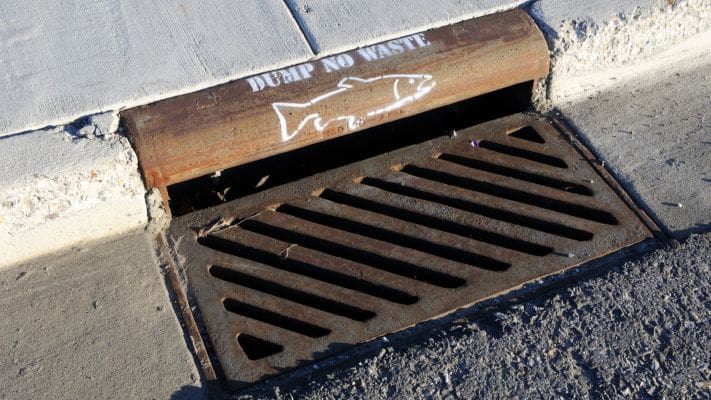
A. Persons owning or operating a paved parking lot, gas station pavement, paved private street, road, alley, or similar structure or persons conducting routine building wash downs, shall clean and maintain those structures or areas prior to discharging to a storm drain.
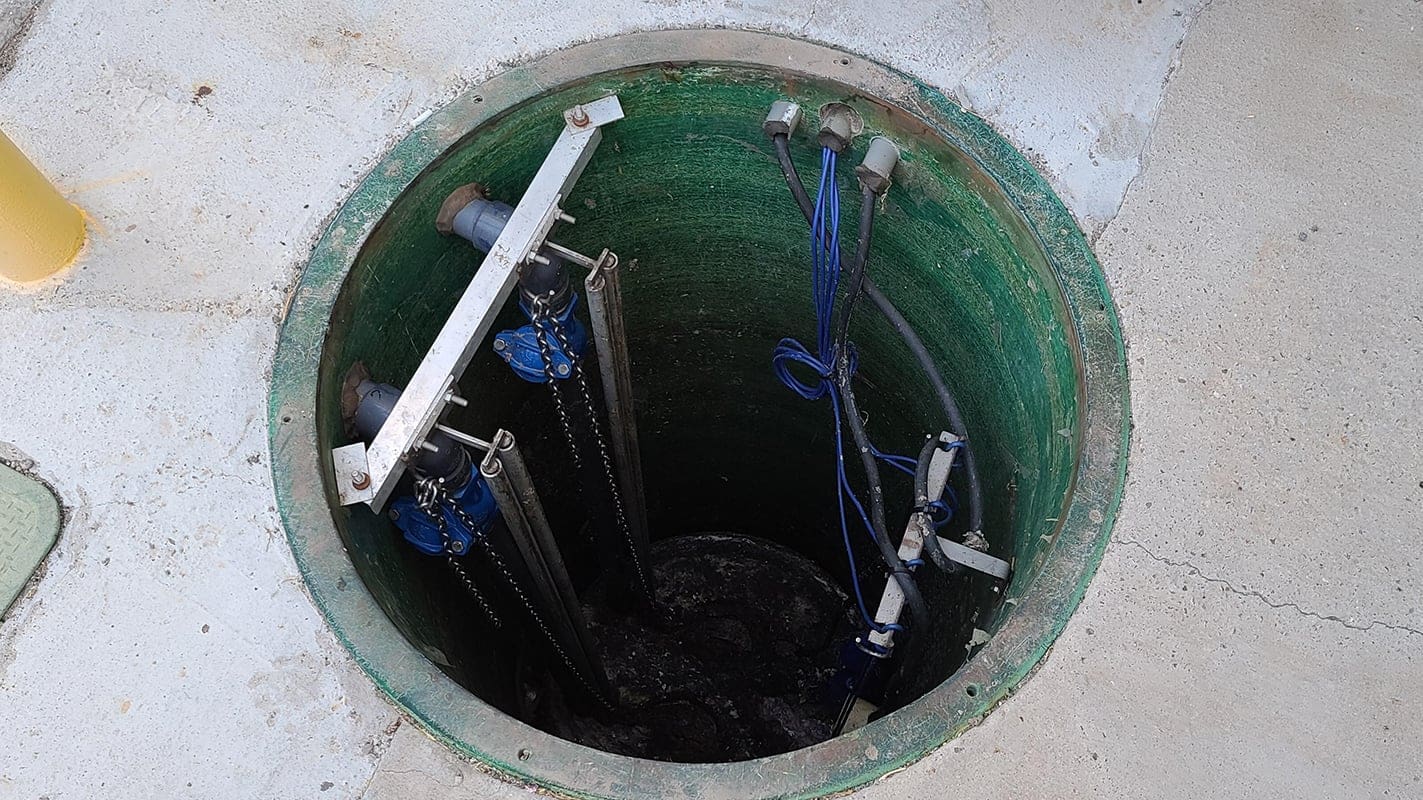
B. Newly constructed and/or significantly remodeled covered parking garages or other covered structures shall be drained into a stormwater system in accordance with this article and other city ordinances or design standards. The owner and operator of a private stormwater collection system may be required to construct control structures to ensure the pre-treatment of such discharges prior to entry into the stormwater system. Existing structures are exempt unless deemed by the city to be a significant contributor of pollution to the stormwater system
Sec. 40.04.230. – Outdoor storage areas; commercial and industrial facilities
In outdoor areas, no person shall store grease, oil or other pollutants including restaurant grease bins in a manner that will or may result in such substances entering a stormwater system. In outdoor areas, no person shall store motor vehicles, machine parts, or other objects in a manner that may leak grease, oil, or other hazardous substances to a storm drain. To prevent the discharge of hazardous substances to the MS4, the city may require the installation of a spill containment system. Spill containment systems may consist of a system of dikes, walls, barriers, berms, or other devices as required. No person shall operate a spill containment system such that it allows incompatible liquids to mix and thereby create a hazardous condition.
Sec. 40.04.720. – Maintenance of stormwater facilities
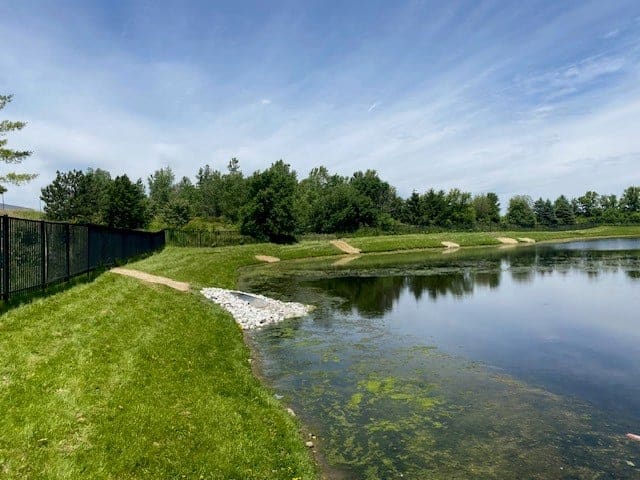
A. Stormwater facilities shall be maintained by the owner or other responsible party in a condition so that the facilities will function as designed.
B. Waste shall be disposed of from maintenance of facilities in accordance with applicable federal, state and local laws and regulations.
C. The owner or other responsible party shall create and maintain records of installation and maintenance and repair for the life of the development and shall be made available to the engineering department upon request.
D. Any failure to maintain facilities or to correct deficiencies at facilities within a reasonable time after receiving written notice from the enforcement agent may result in criminal or civil penalties. The city may perform corrective or maintenance work the owner or responsible person fails or refuses to perform within a reasonable time at the owner’s expense.
View State Page
Frequently Asked Questions
Does Bozeman require property owners to clean parking lots before stormwater runoff enters the storm drain?
Yes. Anyone owning or operating a paved parking lot, gas station pavement, paved private street, or similar structure, or conducting routine building washdowns, must clean and maintain those areas before discharging to a storm drain.
Do covered parking garages in Bozeman need pretreatment before draining into the stormwater system?
Newly constructed or significantly remodeled covered parking garages and similar structures must drain into the stormwater system according to city ordinance and design standards. The owner or operator may be required to construct control structures ensuring pretreatment before that discharge enters the system. Existing structures are exempt unless the city determines they’re a significant source of pollution.
How does Bozeman regulate outdoor storage at commercial and industrial facilities?
No one may store grease, oil, or other pollutants, including restaurant grease bins, in a way that could let those substances enter the stormwater system. The same applies to storing motor vehicles, machine parts, or other objects that could leak grease, oil, or hazardous substances into a storm drain. The city can require a spill containment system, such as dikes, walls, berms, or other barriers, to prevent hazardous discharges into the MS4.
Who is responsible for maintaining stormwater facilities in Bozeman, and what records are required?
The owner or other responsible party must maintain stormwater facilities so they continue functioning as designed, and must create and keep installation, maintenance, and repair records for the life of the development. Those records must be made available to the engineering department on request, and any waste generated during maintenance must be disposed of according to applicable federal, state, and local law.
What happens if a Bozeman property owner doesn't maintain their stormwater facilities?
Failing to maintain facilities or correct deficiencies within a reasonable time after written notice from the enforcement agent can lead to criminal or civil penalties. The city can also perform the necessary corrective or maintenance work itself if the owner fails or refuses to do so, and bill the cost back to the owner.
The information on this page is provided for general informational purposes only and is not legal advice. Regulations change frequently — AQUALIS makes no warranty as to the accuracy or completeness of this content, and any reliance on it is at your own risk. Consult a qualified professional or your local regulatory authority to confirm requirements applicable to your specific property.