

Last Updated 08/18/2026
Excerpt from Carencro Louisiana Code of Ordinances
DIVISION 3. – REQUIREMENT TO PREVENT, CONTROL, AND REDUCE STORMWATER POLLUTANTS BY THE USE OF BEST MANAGEMENT PRACTICES
Sec. 22-370. – Best management practices.
Subdivision IV. – Post-Construction Erosion and Sedimentation Control
Sec. 22-420. – Post-construction erosion and sedimentation control.
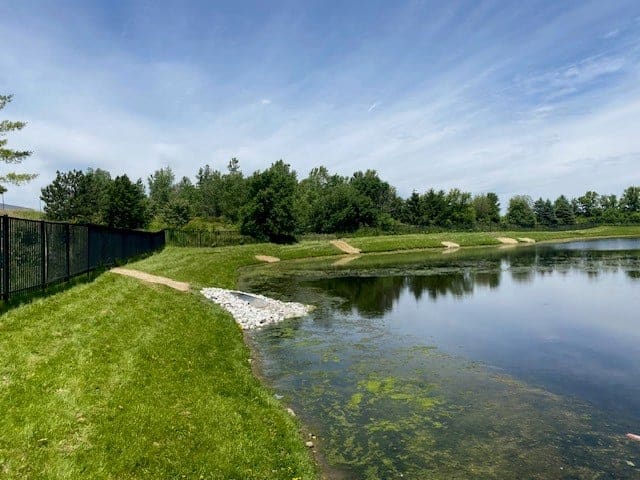
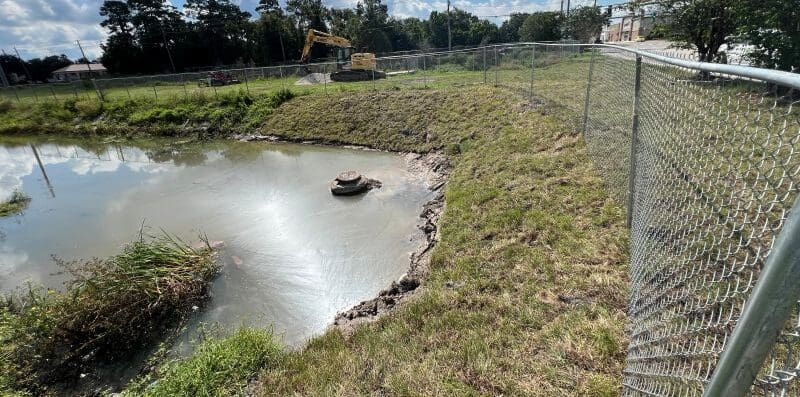
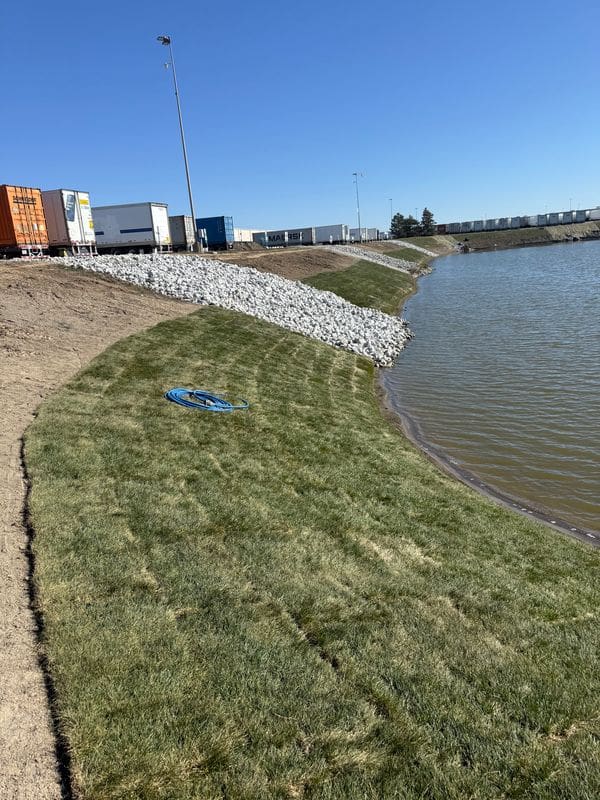
Owners and operators, including developers and property owners, shall use and maintain appropriate erosion and sedimentation control measures to ensure that erosion, or adverse conditions caused by erosion or sedimentation, is eliminated or held to an acceptable minimum so that soil and other pollutants are not discharged to the MS4 or waters of the state nor onto an adjourning property or right-of-way. For example, vegetation, erosion, and sediment control measures, including the following installed structural measures, if any, should be used and maintained: stormwater detention structures (including wet ponds); flow attenuation by use of open vegetative swales and natural depressions; other velocity dissipation devices; infiltration of runoff on-site; and sequential systems that combine several such practices.
DIVISION 6. – COMPLIANCE MONITORING
Sec. 22-430. – Right of entry: inspection and sampling.
- City personnel shall be permitted to enter and inspect facilities subject to regulation under this article as often as may be necessary to determine compliance with this article. Where a discharger has security measures in force that require proper identification and clearance before entry into its premises, the discharger shall make necessary arrangements with its security guards or other personnel so that, upon presentation of suitable identification, city personnel will be permitted to enter without delay for the purpose of performing their responsibilities.
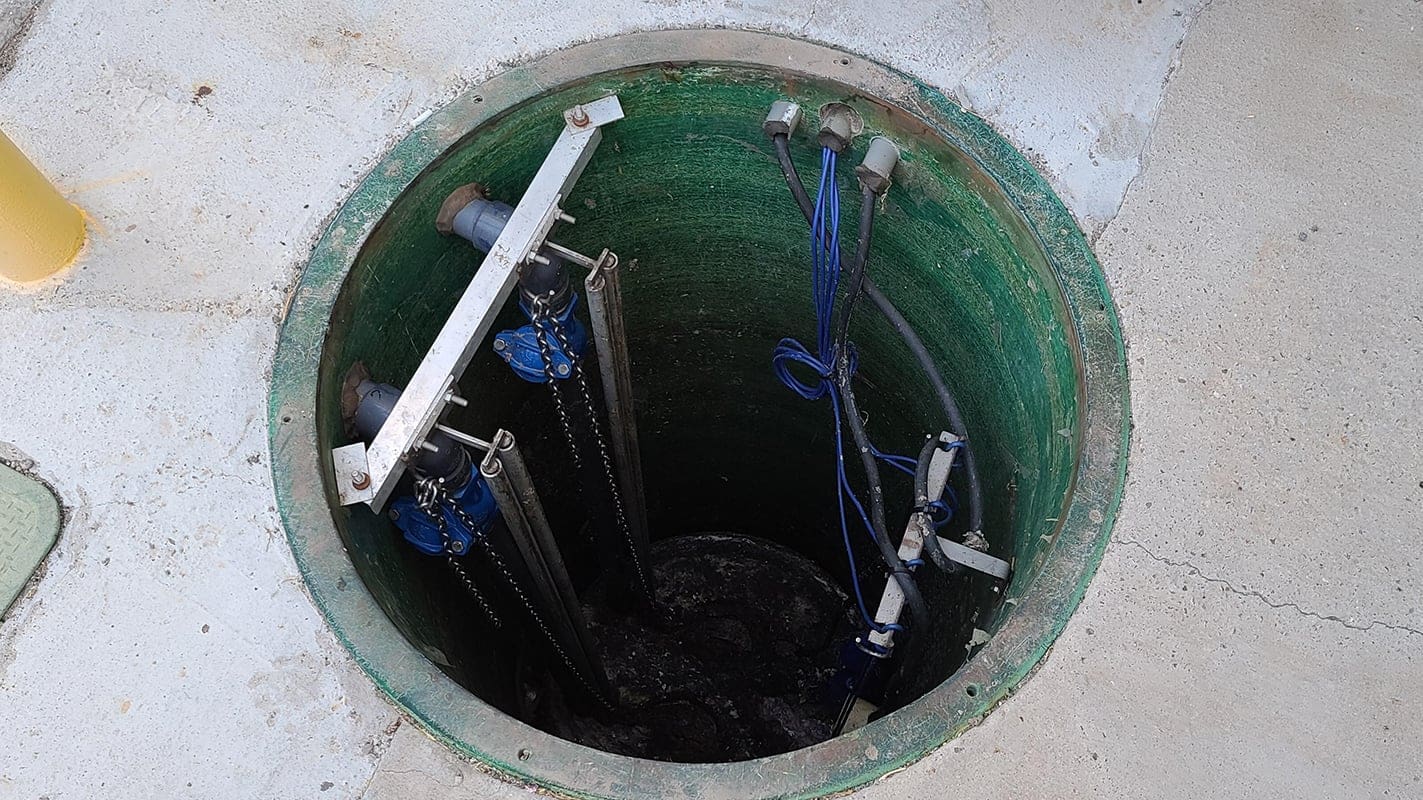
- The city shall have the right to set up on the discharger’s property, or require installation of, such devices as are necessary in the opinion of the authorized city personnel to conduct sampling and/or monitoring of the discharger’s operations and discharges.
- The city may require any discharger to the MS4 or waters of the state to conduct specified sampling, testing, analysis, and other monitoring of its stormwater discharges and may specify the frequency and parameters of any such required monitoring.
- The city may require the discharger to install monitoring equipment as necessary at the discharger’s expense. The facility’s sampling and monitoring equipment shall be maintained at all times in a safe and proper operating condition by the discharger at its own expense. All devices used to measure stormwater flow and quality shall be calibrated to ensure their accuracy
- Any temporary or permanent obstruction to safe and easy access to the facility to be inspected and/or sampled shall be promptly removed by the discharger at the written or verbal request of the city and shall not be replaced. The costs of clearing such access shall be borne by the discharger.
- Unreasonable delays in allowing the city access to the discharger’s premises shall be a violation of this article.
- If city personnel have been refused access to any part of the premises from which stormwater, wastewater, or any pollutant is discharged, and city personnel are able to demonstrate probable cause to believe that there may be a violation of this article, or that there is a need to inspect and/or sample as part of a routine inspection and sampling program designed to verify compliance with this article or any order issued hereunder, or to protect the overall public health, safety, and welfare of the community, then the mayor or his designee may seek issuance of a search warrant from any court of competent jurisdiction.
DIVISION 7. – PENALTIES AND ENFORCEMENT
Sec. 22-450. – Notice of noncompliance.
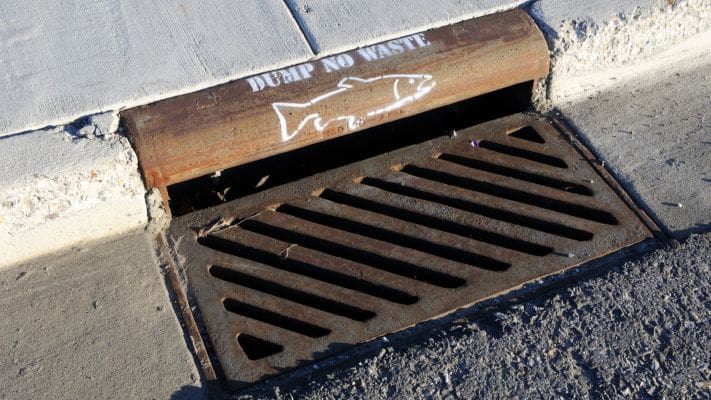
- It is unlawful for any person to violate any provision, or fail to comply with any of the requirements, of this article. The planning department shall deliver to the owner, operator, contractor, and/or representative of any premises, or to any person responsible for an illicit connection, prohibited discharge, maintenance of a threatened discharge, failure to implement BMPs in accordance with this article, or any other violation of this article a notice of noncompliance. The notice of noncompliance shall be delivered in accordance with section 22-452.
- The notice of noncompliance shall identify the provision of this article that has been violated. The notice of noncompliance shall state that continued noncompliance may result in additional enforcement actions, including the recovery of any costs incurred by the city. The notice of noncompliance shall identify a compliance date that must be met and may require without limitation:
- The elimination of illicit connections or discharges;
- That violating discharges, practices, or operations shall be terminated;
- The abatement or remediation of stormwater pollution or contamination hazards and the restoration of any affected property;
- Payment of a fine to cover administrative and remediation costs; and
- The implementation of source control or treatment BMPs.
- The planning department shall designate the time within which any illicit connection shall be removed. In setting the time limit for compliance, the planning department shall take into consideration:
- The quantity and complexity of the work;
- The consequence of delay;
- The potential harm to the environment, to public health, and to public and private property; and
- The cost of remedying the damage.
- If violations are not corrected within the time period set by the planning department, the planning department shall then stop all necessary inspections required for a building permit, land clearing permit, and/or certificate of occupancy. Inspections shall not recommence until the planning department has approved all required changes, including installation and maintenance of BMPs and updates to the SWPPP, or determined that any other violation that was noted in the notice of noncompliance has been adequately addressed. Moreover, as necessary in order to properly address any violations of this article, the city may, inter alia, terminate the building permit, land clearing permit, and/or certificate of occupancy for the relevant site; disconnect any illicit connections to the MS4; and/or discontinue water service to the relevant site.
View State Page
Frequently Asked Questions
Are commercial and industrial properties required to install stormwater controls in Carencro?
Yes. Owners and operators of commercial or industrial establishments must provide reasonable protection against accidental discharge of prohibited materials into the MS4 or waters of the state, using structural and non-structural best management practices. This protection is required at the property owner’s own expense. Any person responsible for an illicit discharge or illicit connection can also be required to implement additional BMPs at their own cost.
What erosion and sediment control measures does Carencro require after construction?
Owners and operators, including developers, must use and maintain erosion and sedimentation control measures so soil and other pollutants aren’t discharged into the MS4, waters of the state, or neighboring properties. Acceptable measures include stormwater detention structures like wet ponds, vegetative swales and natural depressions that slow flow, other velocity dissipation devices, on-site infiltration, and combined systems that layer several of these practices together.
Can the city inspect a property's stormwater system without advance notice?
Yes. Carencro has the right to enter any premises discharging stormwater, wastewater, or pollutants to the MS4 to verify compliance, and property owners must provide ready access for observation, sampling, monitoring, and record review. If a discharger has security measures in place, arrangements must be made in advance so city personnel can enter without delay. Unreasonable delays in granting access are themselves a violation of the ordinance.
What happens if a property is found out of compliance in Carencro?
The planning department issues a notice of noncompliance identifying the violation and setting a compliance deadline. Depending on the issue, requirements can include eliminating illicit connections, terminating violating discharges, remediating stormwater pollution hazards, paying a fine to cover administrative and remediation costs, and implementing new BMPs. Compliance deadlines are set based on the scope of the work, the risk of delay, potential harm to public health or property, and remediation cost.
What are the consequences of not correcting a violation within the deadline in Carencro?
If a violation isn’t corrected in time, the planning department can stop all inspections needed for a building permit, land clearing permit, or certificate of occupancy until required changes are made and approved. The city can also terminate an existing permit or certificate, disconnect illicit MS4 connections, or discontinue water service to the property until compliance is restored.
The information on this page is provided for general informational purposes only and is not legal advice. Regulations change frequently — AQUALIS makes no warranty as to the accuracy or completeness of this content, and any reliance on it is at your own risk. Consult a qualified professional or your local regulatory authority to confirm requirements applicable to your specific property.