

Last Updated 08/07/2026
Stormwater Code: Excerpts from Cranston, Rhode Island Municipal Code
City Code of Cranston: Title 17- Zoning
A drainage plan/report demonstrating that the development’s stormwater management system will meet the standards set by the Rhode Island Stormwater Design and Installation Standards Manual as most recently amended. At a minimum said plan/report shall show the following:
- Changes in land use and the routes that storm water will flow through the development.
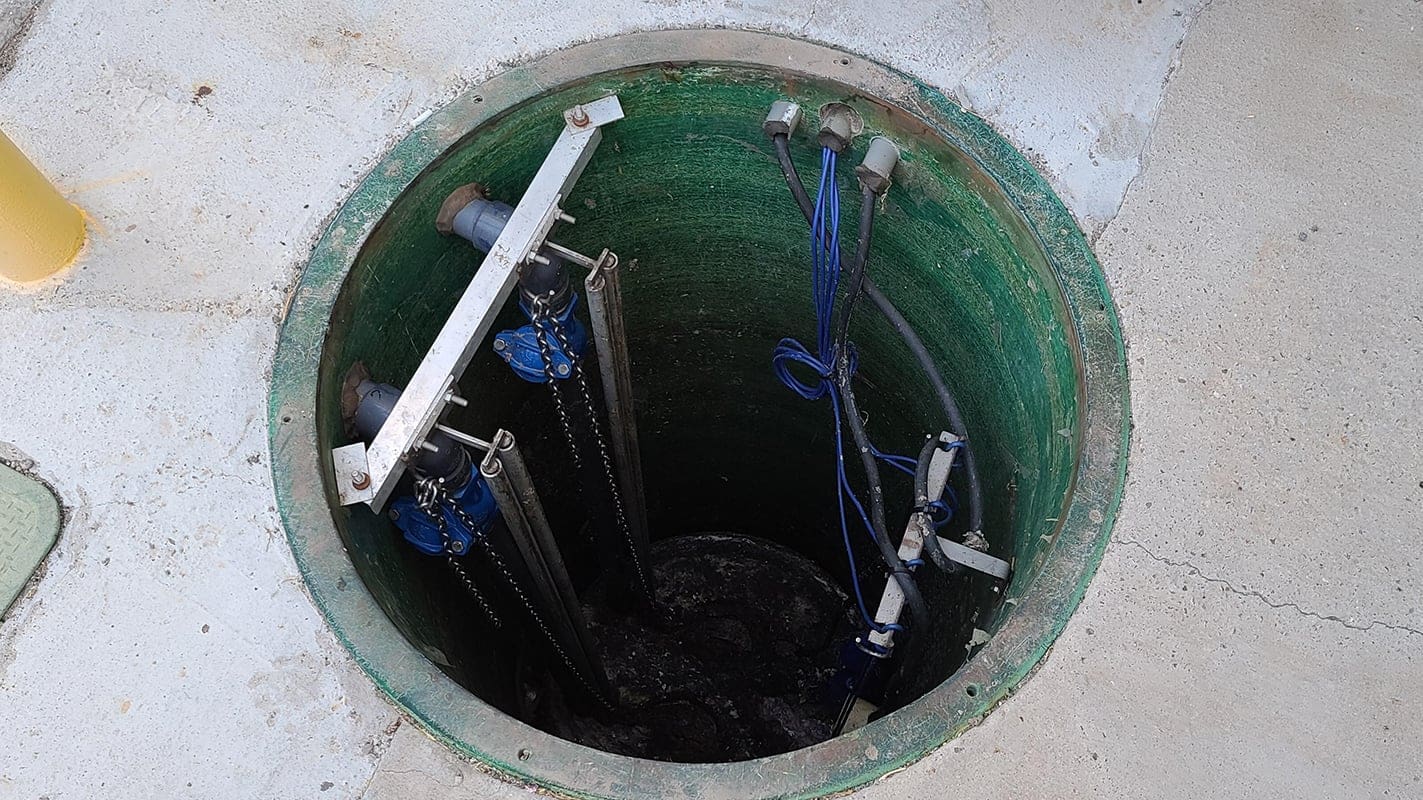
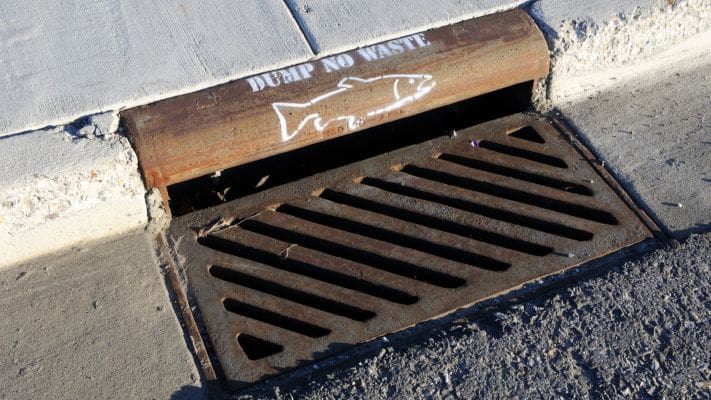
- Existing/proposed drainage structures, basins and channels. (Drainage structures shall comply with city specification and shall be approved by the city engineer.)
- Drainage calculations demonstrating that the peak rates of storm water runoff leaving the post-development parcel will not exceed the pre-development conditions for the two-year, 10-year, 25-year and 100-year storm events. Said calculations shall be based on the rational method, SCS TR55 or other method approved by the city engineer.
- The drainage system shall be designed to accommodate the 25-year storm event.
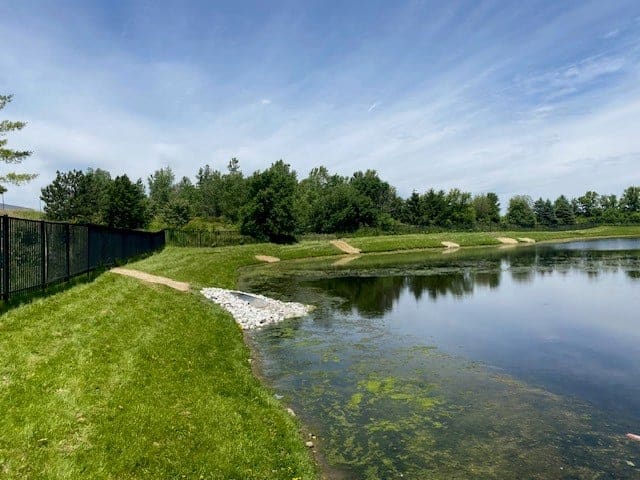
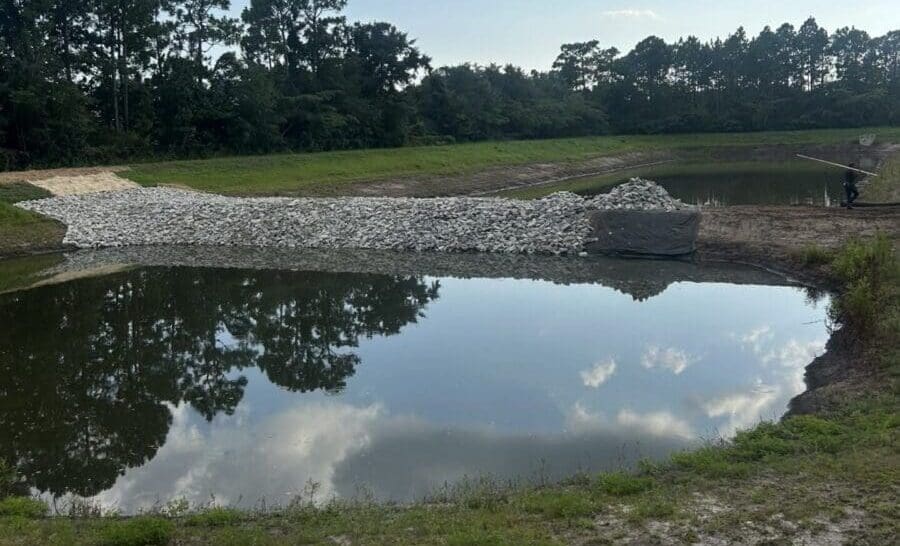
- Retention or detention basins shall be designed to accommodate a 100-year storm event.
- A drainage plan showing tributary and downstream areas affected by run-off, soil types and surficial cover characteristics for both pre- and post-development conditions.
- Design calculations to determine the size of all pipes, culverts and basins, sizing of the piping system shall be based on the rational method.
- Results of percolation tests performed for any proposed retention/detention basin in order to determine the suitability of the subsurface conditions to accommodate said basin.
- A maintenance plan which shall:
- Identify all of the control measures that will be inspected and maintained;
- Provide an inspection schedule for each control measure;
- List typical maintenance procedures for each control measure;
- Describe steps to take if additional repair is required;
- Provide forms and instructions for record keeping and notification to the city;
- List the names and personnel assigned to each task and the training needed to be able to do the job.
An applicant carrying out maintenance activities under an approval, and all subsequent owners of lots on which said measures have been installed, shall adequately maintain said measures in accordance with the maintenance plan.
17.84.160 – Drainage/erosion standards.
A development’s drainage system shall comply with Chapter 15.28 soil erosion and sedimentation control of the city code and the Rhode Island Storm Water Design and Installation Standards Manual as amended.
Chapter 15: COMMERCIAL AND INDUSTRIAL BUILDING STANDARDS
15.28.060 – Performance standards for storm water management plan.
A. Storm water management plans for land developments of ten (10) acres or more shall show means whereby the peak discharge for the developed site shall not exceed the peak discharge for the undeveloped site for the one hundred (100) year storm.
B. Storm water management plans for land development of one-half acres or greater but less than ten (10) acres shall show means whereby the peak discharge for the development site shall not exceed the peak discharge for the undeveloped site for the twenty-five (25) year storm.
C. Waivers. The building inspector may waive some or all of the requirements of this section where the applicant shows that compliance with the section would cause a hardship not of his or her own making, and where he or she finds that some or all required storm water management control(s) is/are infeasible due to lot size limitations, site unsuitability and/or existing uses where the applicant can show that changes in peak flows and pollutant loadings will have a negligible downstream effect. In granting a waiver of said requirements, the building inspector shall however have obtained an opinion from the city engineer verifying the accuracy of the applicant’s data with regards to downstream effect(s).
15.28.070 – Performance bond.
A. Performance Bond. Before approving an erosion sedimentation control plan, the building inspector may require the applicant/owner to file a surety company performance bond or deposit of money or negotiable securities. When any land disturbing activity is to take place within one hundred (100) feet of any watercourse or within an identified flood hazard district, or on slopes of ten (10) percent, the filing of a performance bond shall be required. The amount of such bond, as determined by the public works department, shall be sufficient to cover the cost of implementing all erosion and sediment control measures as shown on the plan.
The bond or negotiable security filed by the applicant shall be subject to approval of the form, content, amount and manner of execution by the public works director and the city solicitor.
A performance bond for an erosion sediment control plan for a subdivision may be included in the performance bond of the subdivision. The posting of such bond as part of the subdivision performance bond does not, however, relieve the owner of any requirement(s) of this chapter.
B. Notice of Default on Performance Secured by Bond. Whenever the building inspector shall find that a default has occurred in the performance of any term(s) or condition(s) of the bond or in the implementation of measures secured by the bond, written notice thereof shall be made to the applicant and to the surety of the bond by the city solicitor. Such notice shall state the nature of default, work to be done, the estimated cost thereof, and the period of time deemed by the building inspector to be reasonably necessary for the completion of such work.
Failure of the applicant to acknowledge and comply with the provisions and deadlines outlined in such notice of default shall mean the institution, by the city solicitor, without further notice or proceedings whatsoever, of appropriate measures to utilize the performance bond to cause the required work to be completed by the city, by contract or by other appropriate means as determined by the city solicitor.
C. Notice of Default on Performance Secured by Cash or Negotiable Securities Deposit. If a cash or negotiable securities deposit has been posted by the applicant, notice and procedure shall be the same as provided for in the preceding subsection (B) of this section.
D. Release from Performance Bond Conditions. The performance bonding requirement shall remain in full force and effect until satisfactory completion of the work.
15.28.080 – Approval—Expiration—Renewal.
Every approval granted herein shall expire at the end of the time period set forth in the conditions. The developer shall fully perform and complete all of the work required within the specified time period.
If the developer is unable to complete the work within the designated time period, he or she shall, at least thirty (30) days prior to the expiration date, submit a written request for an extension of time to the building inspector, setting forth the reasons underlying the requested time extension. If the extension is warranted, the building inspector may grant an extension of time up to a maximum of one year from the date of the original deadline. Subsequent extensions under the same conditions may be granted at the discretion of the building inspector.
15.28.090 – Maintenance of measures.
Maintenance of all erosion-sediment control devices under this chapter shall be the responsibility of the owner. Such erosion-sediment control devices shall be maintained in good condition and working order on a continuing basis. Watercourses originating and located completely on private property shall be the responsibility of the owner to their point of open discharge at the property line or at a communal watercourse within the property.
15.28.100 – Liability of applicant.
Neither approval of an erosion and sedimentation control plan and any storm water management plan for compliance with any condition of this chapter shall relieve the owner/applicant from any responsibility for damage to persons or property, nor impose any liability upon the city for damages to persons or property.
15.28.110 – Periodic inspections.
A. Periodic Inspections. The provisions of this chapter shall be administered and enforced by the building inspector or his or her designated representative. All work shall be subject to periodic inspections by the department of inspections staff or its authorized agent(s). All work shall be performed in accordance with an inspection and construction control schedule approved by the building inspector or his or her designated representative, who shall maintain a permanent file on all of its inspections. Upon completion of the work, the developer or owner(s) shall notify the department of inspections that all grading, drainage, erosion and sedimentation control measures and devices, and vegetation and ground cover planting has been completed in conformance with the approval, all attached plans, specifications, conditions, and other applicable provisions of this chapter.
B. Final Inspection. Upon such notification of the completion by the owner, the building inspector or his or her authorized agent(s) shall make a final inspection of the site in question and shall prepare a final summary inspection report of its findings which shall be retained in the department of inspections and in the department of public works permanent inspections file.
After the final site inspection has been completed and approved, the applicant/owner may request a release of his or her performance bond by the building inspector. In the instance where the performance bond has been posted with the recording of a final subdivision, the bond shall be released after the building inspector has been notified by the city planning director of successful completion of all plat improvements by the applicant/owner.
15.28.120 – Non-Compliance.
If, at any stage, the work-in-progress and/or completed under the terms of an approved erosion and sedimentation control plan does not conform to such plan, a written notice from the building inspector to comply shall be transmitted to the owner. Such notice shall set forth the nature of corrections required and the time limit within which corrections shall be completed. Failure to comply with the required corrections within the specified time limit shall be considered in violation of this chapter, in which case the performance bond or cash or negotiable securities deposit shall be subject to notice of default, in accordance with Section 15.28.080(B) and (C) of this chapter.
15.28.130 – Penalties.
A. Revocation or Suspension of Approval. The approval of an erosion and sedimentation control plan under this chapter may be revoked or suspended and work initiated under the plan halted for an indefinite time period by the building inspector or his or her authorized agent after written notification is transmitted to the developer for one or more of the following reasons:
1. Violation of any condition of the approved plan, conditions, or specifications pertaining thereto;
2. Violation of any provision of this chapter or any other applicable law, ordinance, rule, or regulation related to the work or site of work; and
3. The existence of any condition or the performance of any act constituting or creating a nuisance, hazard, or endangerment to human life or the property of others, or contrary to the spirit or intent of this chapter.
B. Other Penalties. In addition thereto, whenever there is a failure to comply with the provisions of this act, the city shall have the right to notify the applicant/owner that it has five days from the receipt of notice to temporarily correct the violations and thirty (30) days from receipt of notice to permanently correct the violations. Should the applicant/owner fail to take the temporary corrective measures within the five day period and the permanent corrective measures within the thirty (30) day period, the city shall then have the right to take whatever actions it deems necessary to correct the violations and to assert a lien on the subject property in an amount equal to the costs of remedial actions. The imposition of any penalty shall not exempt the offender from compliance with the provisions of this chapter, including revocation of the performance bond or assessment of a lien on the property by the city.
12.04.063 – Post construction drainage.
Property owners must utilize appropriate best management practices for water quality in accordance with the state of Rhode Island Storm Water Design and Installation Standards Manual.
View State Page
Frequently Asked Questions
Do I need a maintenance plan for my Cranston property's stormwater system?
Yes. Your maintenance plan needs to identify every control measure that will be inspected and maintained, set an inspection schedule for each one, list typical maintenance procedures, describe what happens if additional repairs are needed, and include recordkeeping forms and instructions. It should also name the people responsible for each task and any training they need.
Who is responsible for following the maintenance plan after my Cranston property is developed?
Both the original applicant and all subsequent owners. Anyone who owns a lot where these stormwater measures are installed must adequately maintain them according to the approved maintenance plan, and this obligation carries forward to future owners of the property.
What happens if I default on my performance bond obligations in Cranston?
You’ll receive written notice describing the default, the work needed, its estimated cost, and a reasonable completion timeframe. If you don’t comply with that notice, the city can use the bond to complete the required work itself, through a contractor or other means, without further notice. AQUALIS can help property owners stay ahead of bond conditions to avoid this kind of city intervention.
What are the penalties for stormwater violations in Cranston, Rhode Island?
The city can revoke or suspend your plan approval and halt work indefinitely for violations of your approved plan or applicable regulations. Separately, if you don’t temporarily correct a violation within 5 days or permanently correct it within 30 days of notice, the city can take corrective action itself and place a lien on your property for the cost. AQUALIS can help property owners resolve issues quickly to avoid this kind of escalation.
What ongoing standards apply to post construction drainage in Cranston?
Property owners must use appropriate best management practices for water quality, following the state of Rhode Island’s Storm Water Design and Installation Standards Manual.
The information on this page is provided for general informational purposes only and is not legal advice. Regulations change frequently — AQUALIS makes no warranty as to the accuracy or completeness of this content, and any reliance on it is at your own risk. Consult a qualified professional or your local regulatory authority to confirm requirements applicable to your specific property.