

Last Updated 07/02/2026
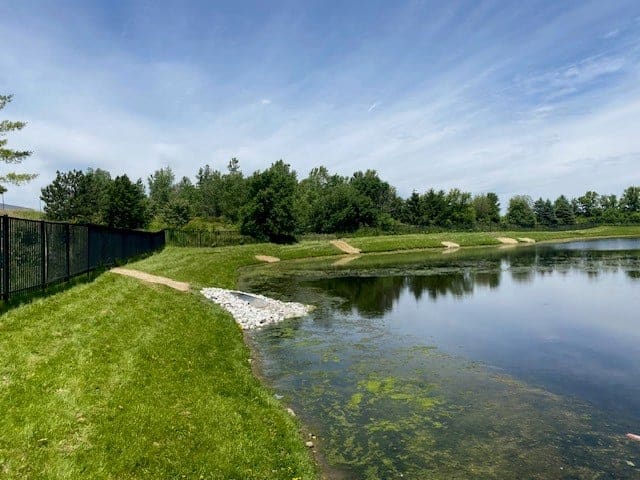
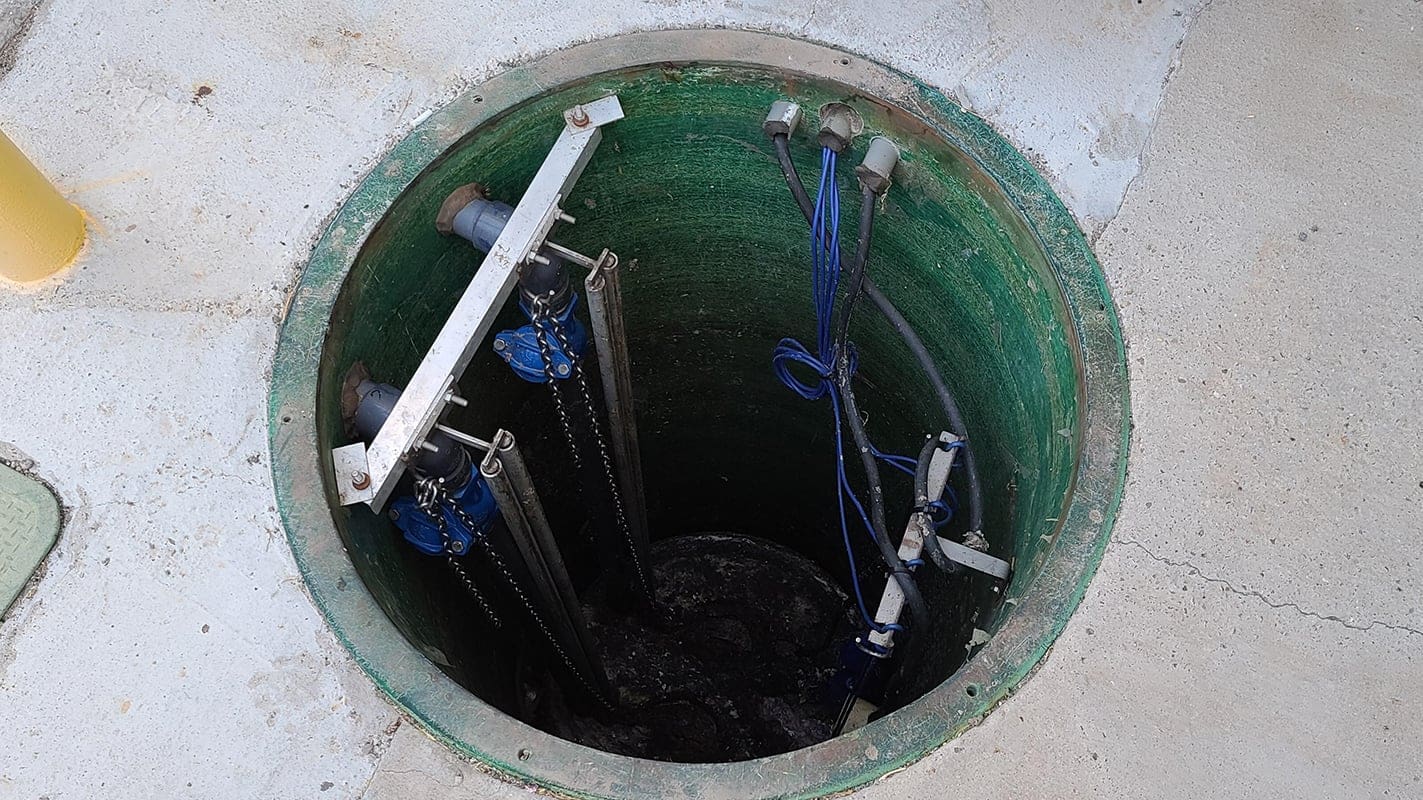
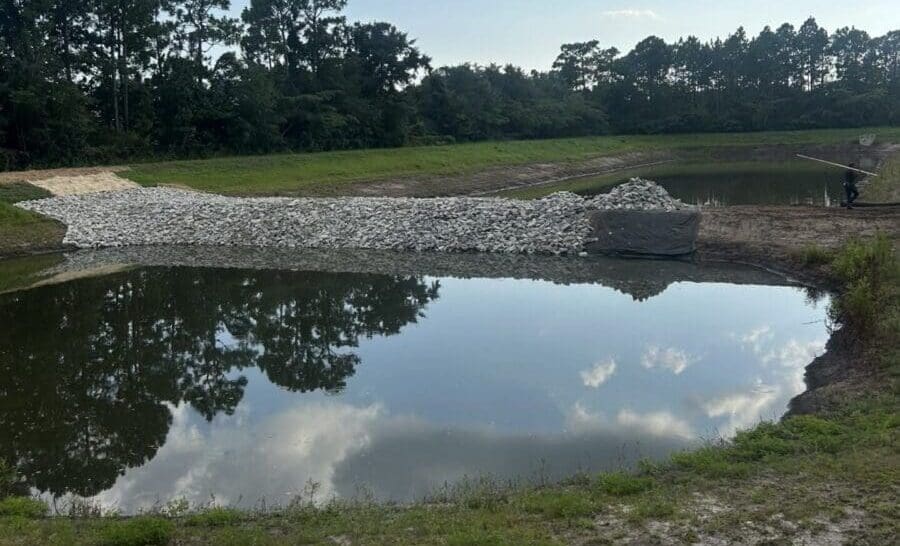
The City of Decatur, under the NPDES program, also has the authority to inspect properties for noncompliance and can issue a notice of violation (NOV) for any deficiency or infraction onsite. Property owners are responsible for the maintenance of any stormwater facilities or practices located on the property. The City of Decatur has the authority to inspect stormwater facilities and practices in order to ascertain that they are properly maintained and functioning.
Excerpt from Decatur Municipal Code
Chapter 19.5- Stormwater Management
Sec. 19.5-11. – Requirement to prevent, control and reduce stormwater pollutants by the use of best management practices.
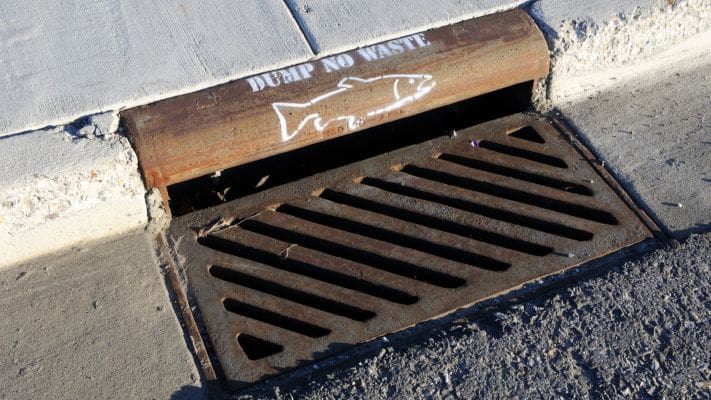
The city will adopt requirements identifying BMPs for any activity, operation or facility which may cause or contribute to pollution or contamination of stormwater, the storm drain system or waters of the United States. The owner or operator of a commercial or industrial establishment shall provide and bear the expense of reasonable protection from accidental discharge of prohibited materials or other wastes into the municipal storm drain system or watercourses through the use of these structural and nonstructural BMPs. Further, any person responsible for a property or premise which the city engineer determines to be the source of an illicit discharge may be required to implement, at said person’s expense, additional structural and non-structural BMPs to prevent the further discharge of pollutants to the municipal separate storm sewer system. Compliance with all terms and conditions of a valid NPDES permit authorizing the discharge of stormwater associated with industrial activity, to the extent practicable, shall be deemed compliance with the provisions of this chapter. These BMPs shall be part of a stormwater pollution prevention plan (SWPP) as necessary for compliance with requirements of the NPDES permit.
Sec. 19.5-14. – Enforcement.
(a) Notice of violation. Whenever the city finds that a person has violated a prohibition or failed to meet a requirement of this chapter, the city engineer may order compliance by sending written notice of the violation to the responsible person. Such notice may require, without limitation:
(1) The performance of monitoring, analyses and reporting;
(2) The elimination of illicit connections or discharges;
(3) That violating discharges, practices or operations shall cease and desist;
(4) The abatement or remediation of stormwater pollution or contamination hazards and the restoration of any affected property;
(5) Payment of a fine to cover administrative and remediation costs; and/or
(6) The implementation of source control or treatment BMPs.
(b) Deadline for remediation/restoration. If abatement of a violation and/or restoration of affected property shall be required, the notice shall set forth a deadline within which such remediation and/or restoration must be completed. Said notice shall further advise that, should the violator fail to remediate and/or restore within the established deadline, the work will be done by a designated governmental agency or a contractor and the expense thereof shall be charged to the violator.
View State Page
Frequently Asked Questions
What counts as a best management practice under Decatur's stormwater ordinance?
Decatur’s code requires structural and nonstructural best management practices, or BMPs, for any activity, operation or facility that could pollute stormwater, the storm drain system or waters of the United States. Commercial and industrial property owners bear the cost of these protections themselves, and the city can require additional BMPs at the property owner’s expense if an inspection traces an illicit discharge back to their site.
Does having an NPDES permit satisfy Decatur's stormwater requirements?
Largely, yes. Decatur’s ordinance treats compliance with a valid NPDES permit for industrial stormwater discharge as compliance with the chapter, provided the BMPs required by that permit are documented in a stormwater pollution prevention plan. That plan is what ties your permit obligations to what the city checks for during an inspection.
What happens if Decatur issues a notice of violation?
The city engineer can order compliance through a written notice of violation that spells out what the property owner has to do. That can include conducting monitoring and reporting, eliminating an illicit connection, halting a prohibited discharge, remediating contamination, restoring affected property, paying a fine to cover administrative and remediation costs, or installing new BMPs. The notice also sets a deadline for the work.
What happens if I miss the deadline in a Decatur stormwater violation notice?
If a property owner fails to complete required remediation or restoration by the deadline in the notice, the city can have the work done through a government agency or outside contractor and bill the cost back to the violator. That means the fastest way to control the cost of a violation is addressing it before the city has to step in.
Who pays for stormwater pollution prevention on commercial property in Decatur?
The property owner or operator. Decatur’s ordinance places the cost of reasonable protection against accidental discharges, along with any additional BMPs required after a violation, on the party responsible for the property, not the city.
Does Decatur require a stormwater pollution prevention plan for every property?
A SWPP is required where necessary to meet the conditions of an NPDES permit for industrial activity. If your property discharges stormwater under that kind of permit, the BMPs you use to stay compliant need to be documented in a plan rather than handled informally.
How can AQUALIS help my property stay compliant with Decatur's stormwater ordinance?
AQUALIS helps Decatur property owners implement and document the BMPs their NPDES permit requires, respond to a notice of violation before city-ordered remediation and added costs come into play, and keep stormwater pollution prevention plans current. That support is especially valuable for owners managing tight violation deadlines or trying to avoid the added expense of city-directed repair work.
The information on this page is provided for general informational purposes only and is not legal advice. Regulations change frequently — AQUALIS makes no warranty as to the accuracy or completeness of this content, and any reliance on it is at your own risk. Consult a qualified professional or your local regulatory authority to confirm requirements applicable to your specific property.