



Last Updated 08/21/2026
Why is it Important to Manage Stormwater from Development Projects?
In the fall of 2014, DWSD conducted a comprehensive code review as a part of Detroit’s Green Infrastructure Plan implementation to meet multiple objectives:
- Assess the existing City stormwater development standards and their suitability to manage peak flows and volumes from development projects over a wide range of conditions.
- Evaluate specific language in the City Code and the extent to which it enables, incentivizes or limits green stormwater infrastructure implementation and the multiple benefits green stormwater infrastructure can provide.
- Identify barriers to green stormwater infrastructure practices or strategies which may be authorized to reduce ratepayers’ drainage charge.
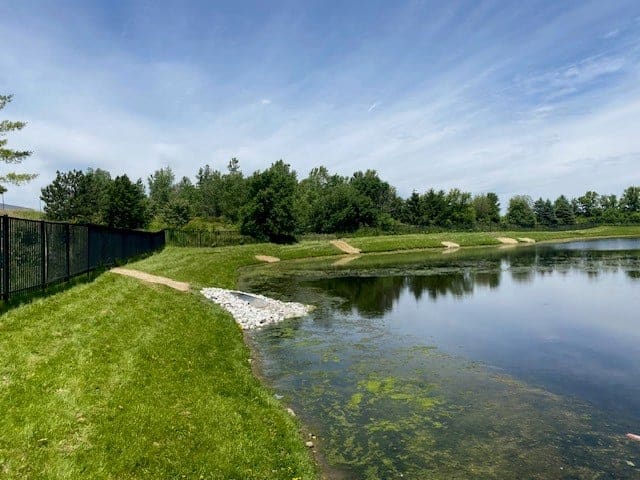
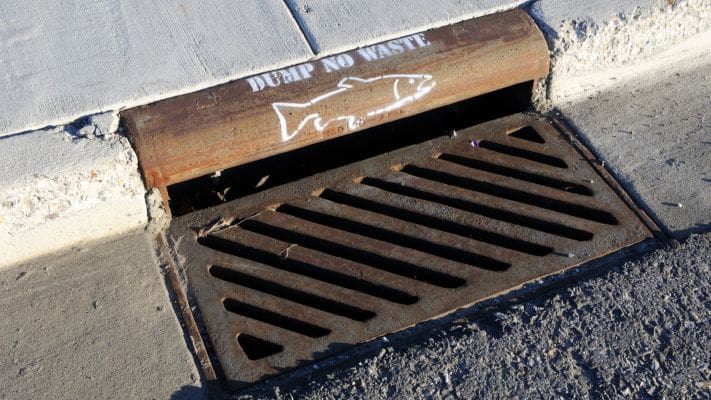
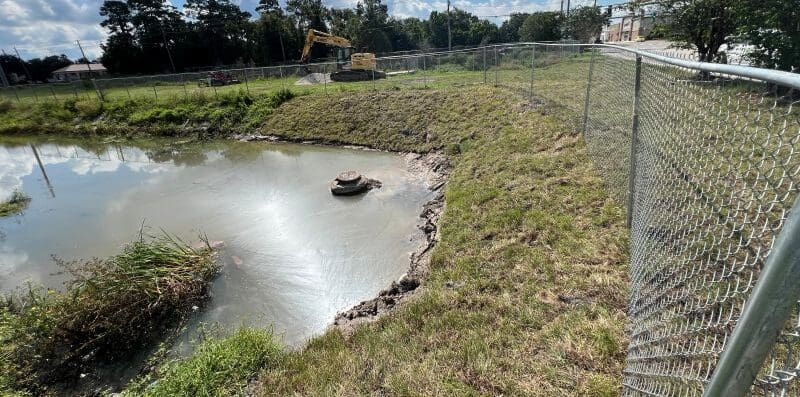
The review of Detroit’s municipal code revealed that the City currently does not require new or redevelopment projects to manage stormwater post-construction. Impervious developed lands – such as roofs, parking lots and sidewalks – that do not allow rain water and snow melt to infiltrate into the ground increase the amount of stormwater that goes into the combined sewer system. This puts stress on the City’s infrastructure and impacts water quality. In order to prevent this – and to comply with state law – the City is developing new regulations which will require development projects to manage the stormwater generated by the project site and revising existing code to help support and incentivize green stormwater infrastructure. An inter-departmental City technical advisory committee has been working with local stakeholders to accomplish these goals.
Stormwater Management on Development Projects
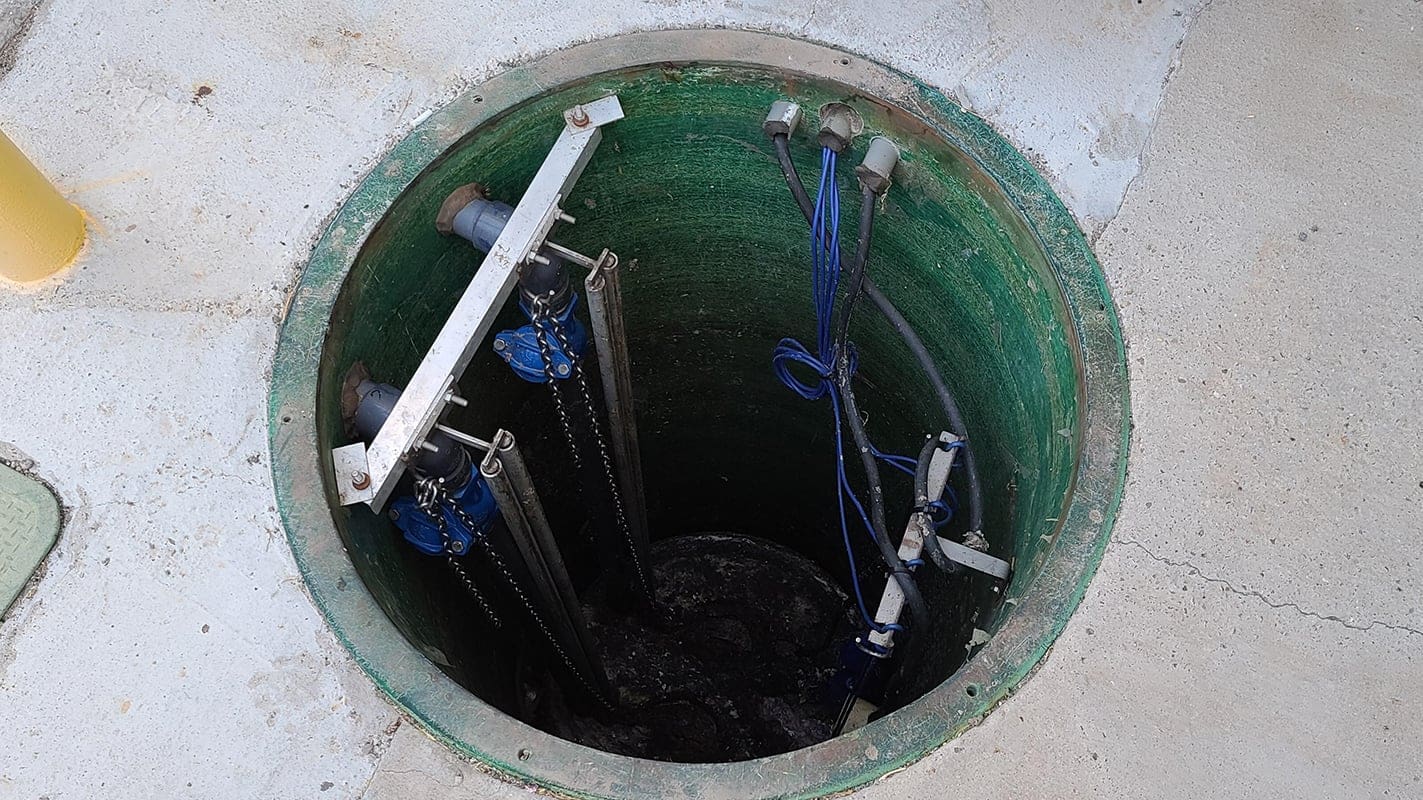
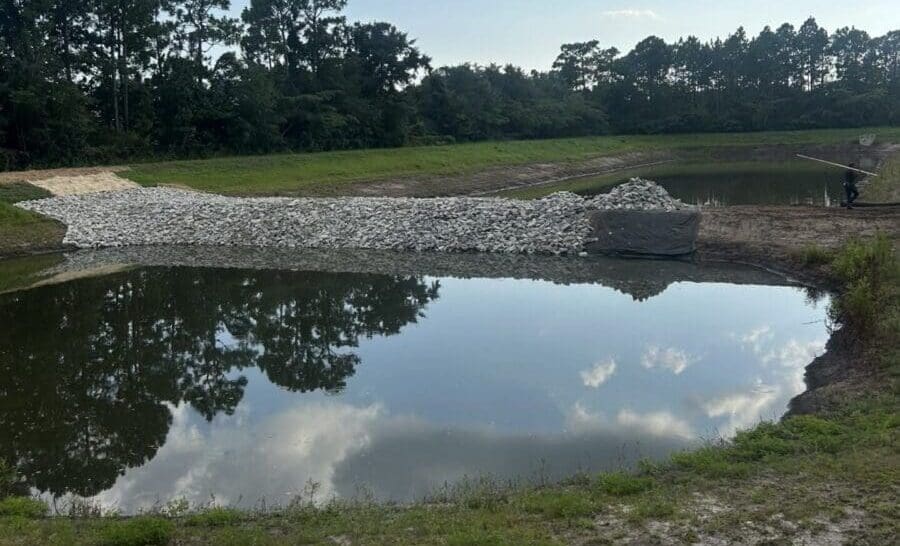
The City’s municipal code does not include any requirements for development projects to manage stormwater if they create or replace impervious cover. A new ordinance has been drafted which would require this type of management to mitigate infrastructure and water quality impacts. The proposed ordinance will require regulated projects to install controls which will manage the amount of stormwater which enters the city’s infrastructure and the rate at which this stormwater enters the system. Project applicants will be required to submit a post construction stormwater management plan which specifies how these controls will accomplish the required level of management. Implementation of this plan will be required during the project and proper operation and maintenance of the controls will be required after the project is complete.
View State Page
Frequently Asked Questions
Does Detroit currently require development projects to manage stormwater after construction?
According to the city’s own 2014 code review, Detroit’s municipal code did not include requirements for development projects to manage stormwater post-construction, even when a project creates or replaces impervious surface like roofs, parking lots, or sidewalks. The city identified this as a gap that increases the volume of stormwater entering the combined sewer system and puts stress on infrastructure and water quality.
Why did Detroit review its stormwater development standards?
The Detroit Water and Sewerage Department conducted the review as part of the city’s Green Infrastructure Plan implementation. The goals were to assess whether existing standards could manage peak flows and volumes across a range of conditions, evaluate whether the city code enabled or limited green stormwater infrastructure, and identify barriers to green infrastructure practices that could otherwise reduce ratepayers’ drainage charges.
What would Detroit's proposed stormwater ordinance require of development projects?
As drafted, the ordinance would require regulated projects to install controls managing both the volume of stormwater entering the city’s infrastructure and the rate at which it enters. Applicants would need to submit a post-construction stormwater management plan showing how their controls meet the required level of management, and to properly operate and maintain those controls once the project is complete.
Are Detroit's drainage charges tied to stormwater management practices on a property?
The city’s Green Infrastructure Plan review specifically looked at whether code language incentivizes or limits practices that could reduce ratepayers’ drainage charges, suggesting a credit or reduction pathway exists tied to green stormwater infrastructure implementation.
The information on this page is provided for general informational purposes only and is not legal advice. Regulations change frequently — AQUALIS makes no warranty as to the accuracy or completeness of this content, and any reliance on it is at your own risk. Consult a qualified professional or your local regulatory authority to confirm requirements applicable to your specific property.