Last Updated 07/28/2026
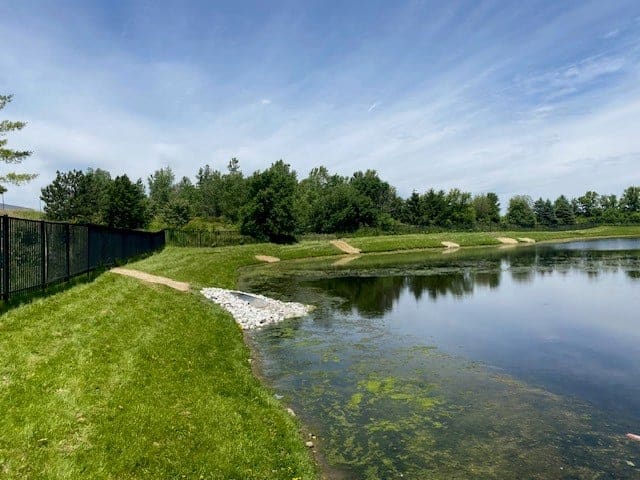
The City of Dover holds a state issued permit through the Department of Natural Resources and Environmental Control (DNREC) under Section 402 of the Clean Water Act: National Pollution Discharge Elimination System (NPDES) for its Municipal Separate Storm Sewer System (MS4). The NPDES / MS4 permit allows the City of Dover to discharge stormwater to waters of the state. Under this permit, the City has an obligation to take efforts which improve the quality of stormwater that runs off of our streets and into waterways, such as Silver Lake and the St. Jones River.
Much of the pollution that ends up in our waterways comes from non-point sources scattered sites throughout the watershed. Many of the things we do each day contribute to the pollution that ultimately enters our waterways. How we fertilize and maintain our yards, dispose of our pet waste, and wash/maintain our cars all affect the quality of the water in our rivers and streams.
Frequently Asked Questions
Who actually reviews my construction stormwater plans in Dover, DE, the city or someone else?
The Kent Conservation District, not the city directly. Dover has a Memorandum of Agreement with KCD, which acts as the state’s delegated agency for pre-construction plan review, construction inspection, and post-construction inspection under Delaware’s Sediment and Stormwater Regulations. The city’s role is coordinating building permits and certificates of occupancy around KCD’s approvals.
What ordinances actually prohibit stormwater violations on private property in Dover?
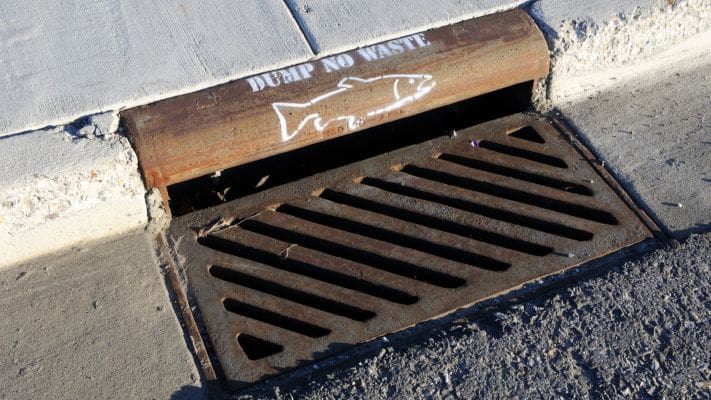
Two specific ones. Ordinance 2010-07 (Chapter 98-164) prohibits discharges into the storm sewer system and protects the structural integrity of its components. Ordinance 2014-19 (Chapter 98) separately prohibits discharging more than incidental amounts of grass clippings into the street, sidewalk, storm drain, or watercourse.
Do I need a certified inspector on-site during construction in Dover?
Yes, on most projects. KCD requires a contractor with someone on-site who has completed DNREC’s Certification for Responsible Personnel course. Commercial projects and residential projects over 50 acres also need someone who has completed DNREC’s Certified Construction Reviewer course, and that certification has to be kept current through periodic recertification.
Does Dover require open space or buffer zones as part of stormwater management?
Yes, under its Zoning Ordinance rather than the stormwater program specifically. Article 5, Section 10.2 requires open space dedication to buffer developing areas and preserve natural and historic features, and Section 11.13 requires buffer zones around lakes, wetlands, and streams.
Who inspects post-construction stormwater BMPs on my Dover property?
KCD conducts post-construction inspections and provides the city with inspection forms and maintenance recommendations. For city-owned BMPs specifically, KCD inspects annually, and the city is responsible for the cost of any resulting maintenance or repair work.
How does Dover find and eliminate illicit discharges affecting private property?
Through a targeted screening program covering roughly 5% of the city’s outfalls (33 outfalls) each year, prioritized using factors like known past illicit discharges, proximity to industrial or commercial facilities, and aging or abandoned sanitary sewer infrastructure. If a screening finds a likely illicit discharge, the city or its consultant tracks it to the source and pursues elimination through education, administrative action, a notice of violation, or fines.
Can I report a suspected illicit discharge or illegal dumping in Dover?
Yes, through the city’s website contact form or a dedicated hotline, and the city also distributes door hangers in neighborhoods where illicit discharges or illegal dumping have already been found, both to notify the property involved and to encourage neighbors to report similar activity.
How can AQUALIS help my property navigate Dover, DE's stormwater compliance requirements?
AQUALIS helps Dover property owners and developers navigate the KCD pre-construction and post-construction review process, meet the certified inspector requirements for commercial and larger residential projects, and stay ahead of the city’s illicit discharge screening program.
The information on this page is provided for general informational purposes only and is not legal advice. Regulations change frequently — AQUALIS makes no warranty as to the accuracy or completeness of this content, and any reliance on it is at your own risk. Consult a qualified professional or your local regulatory authority to confirm requirements applicable to your specific property.