
Last Updated 04/11/2026
Excerpt from Fort Lauderdale Municipal Code
Chapter 28- Article IV- Stormwater Management Program
Sec. 28-200.3. – Assessment roll.
(A) The city manager shall prepare a preliminary assessment roll that contains the following information:
(1) A summary description of each parcel of property (conforming to the description contained on the tax roll) subject to the assessment;
(2) The name of the owner of record of each parcel, as shown on the tax roll;
(3) The number of assessment units attributable to each parcel;
(4) The estimated maximum annual assessment to become due in any fiscal year for each assessment unit; and
(5) The estimated maximum annual assessment to become due in any fiscal year for each parcel.
City of Fort Lauderdale Stormwater Management
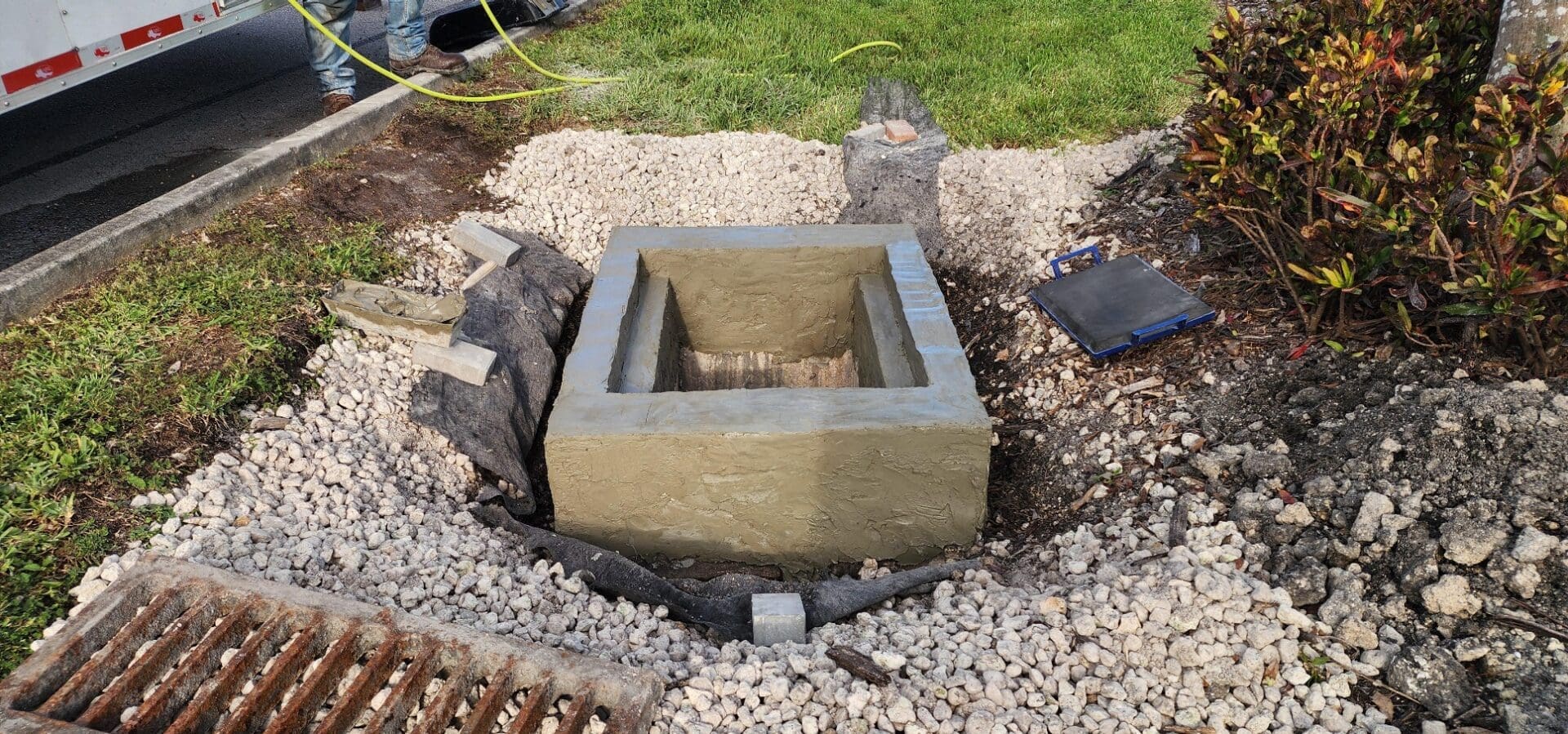
Proactive Catch Basin Inspections and Maintenance
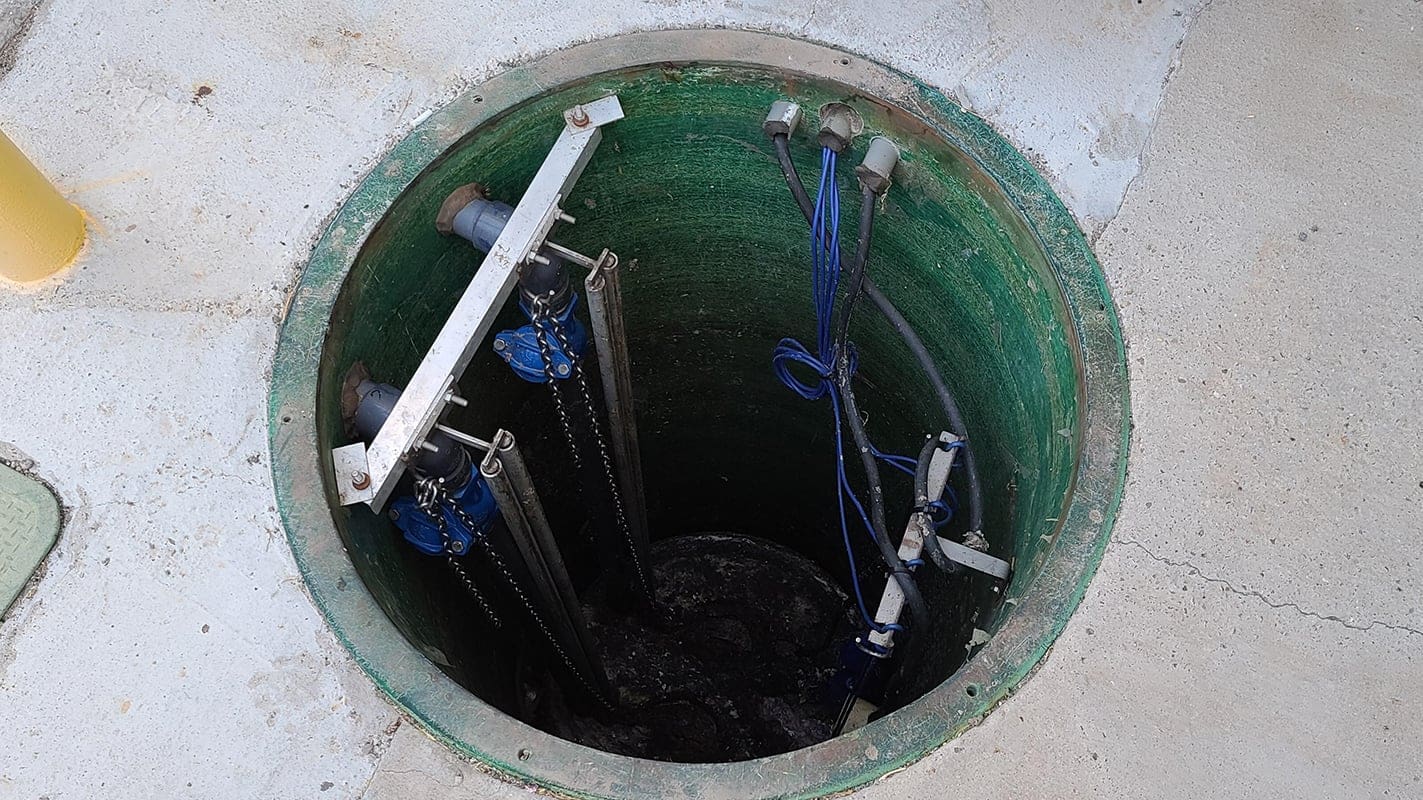
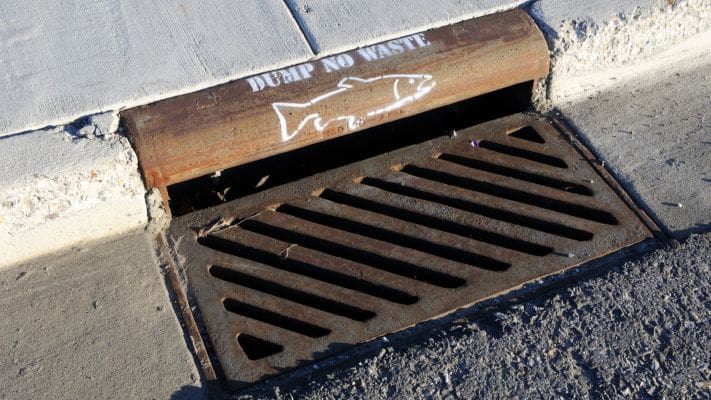
The scheduled Stormwater Maintenance Program provides for each storm drain to be inspected twice annually in accordance with the National Pollutant Discharge Elimination System (NPDES) guidelines, as set by the United States Environmental Protection Agency (EPA).
Swales
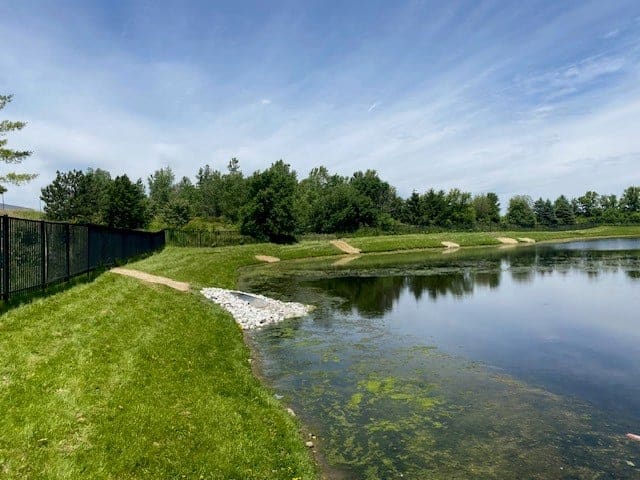
A properly maintained swale helps prevent stormwater pollution flooding. Swales are designed to collect rainwater, filter pollutants, control flooding, prevent erosion, and provide a drainage area for stormwater. The following information will assist you with ensuring your swale area manages stormwater runoff efficiently.
- Mow and maintain swale areas to promote healthy grass growth.
- Minimize the use of lawn and garden chemicals.
- Avoid over watering the swale area. If water is standing in the swale when it has not rained, reduce irrigation.
- Keep swales free of litter, branches, leaves and limbs so water can soak into the ground.
- Avoid parking cars on swales. This compacts the soil and prevents stormwater from soaking into the ground.
- Swales located in or partially in the City of Fort Lauderdale’s Right of Way may not be altered by regrading or filling with concrete, rock, dirt, landscaping, trees or anything other than grass unless a City permit has been obtained.
- Altering a swale may disrupt its natural drainage features, causing flooding and stormwater pollution.
View State Page
Frequently Asked Questions
How often does Fort Lauderdale inspect stormwater infrastructure?
Every storm drain in the city gets inspected twice a year under the Stormwater Maintenance Program, following National Pollutant Discharge Elimination System guidelines set by the EPA. That’s a more frequent public cycle than many Florida cities publish, and it means a catch basin problem on or near a property is unlikely to go unnoticed for long, even if the property owner hasn’t flagged it themselves.
Who's responsible for maintaining a swale in Fort Lauderdale?
The property owner is, even when the swale sits partially within the city’s right-of-way. A properly maintained swale needs regular mowing, minimal lawn chemical use, and no standing water when it hasn’t rained, since that usually signals over-irrigation. Keeping the area clear of litter, branches and leaves lets water actually soak into the ground the way the swale was designed to allow, and parking on a swale compacts the soil enough to defeat that purpose entirely.
Can I regrade or landscape the swale on my property in Fort Lauderdale?
Not without a city permit. Swales located in or partially in the city’s right-of-way can’t be altered by regrading, filling with concrete, rock or dirt, or landscaping beyond grass, since even a small change can disrupt the drainage function the swale was engineered to provide. An altered swale that no longer drains properly can lead directly to localized flooding, which puts the responsible property back in the city’s inspection cross-hairs.
How does Fort Lauderdale bill properties for stormwater management?
The city maintains a preliminary assessment roll for every parcel subject to the stormwater fee, listing the property description, owner of record, number of assessment units and the estimated maximum annual charge tied to those units. That roll is the basis for the fee a property owner sees each year, so confirming the assessment units on file match the property’s actual conditions is worth doing, especially after any site changes that might affect drainage.
The information on this page is provided for general informational purposes only and is not legal advice. Regulations change frequently — AQUALIS makes no warranty as to the accuracy or completeness of this content, and any reliance on it is at your own risk. Consult a qualified professional or your local regulatory authority to confirm requirements applicable to your specific property.