

Last Updated 08/04/2026
Johnson City Stormwater Ordinance
Title 14
Chapter 3
The Johnson City Stormwater (Water Quality) Ordinance shall:
- Apply to all areas located within the jurisdiction of the City of Johnson City, Tennessee.
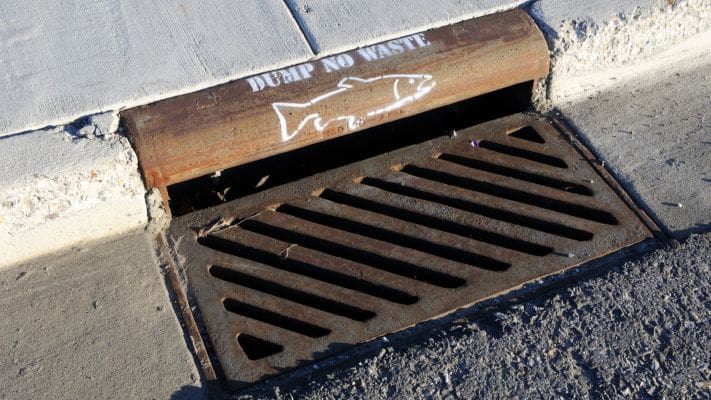
- Protect, maintain, and enhance the environment of the City of Johnson City, Tennessee, and the public health, safety and the general welfare of the citizens of the city, by controlling discharges of pollutants to the public stormwater system, with the intent of maintaining and improving the quality of the receiving waters into which the stormwater outfalls flow, including, without limitation, lakes, rivers, streams, ponds, wetlands, and groundwater of the city.
- Enable the City of Johnson City, Tennessee, to comply with the National Pollutant Discharge Elimination System permit (NPDES) and applicable regulations, 40 CFR 122.26 for stormwater discharges.
- Allow the City of Johnson City, Tennessee, to exercise powers granted in Tennessee Code Annotated, § 68-221-1105, which provides that, among other powers municipalities have with respect to water quality management facilities, is the power by ordinance or resolution to:
- Exercise general regulation over the planning, location, construction, and operation and maintenance of water quality management facilities in the municipality, whether or not owned and operated by the municipality;
- Adopt any rules and regulations deemed necessary to accomplish the purposes of this statute;
- Establish standards to regulate stormwater contaminants as may be necessary to protect water quality;
- Review and approve plans and plats for water quality management in proposed subdivisions or commercial developments;
- Issue permits for stormwater discharges or for the construction, alteration, extension, or repair of water quality management facilities;
- Suspend or revoke permits when it is determined that the permittee has violated any applicable ordinance, resolution, or condition of the permit;
- Expend funds to remediate or mitigate the detrimental effects of contaminated land or other sources of stormwater contamination, whether public or private.
14-304. Water quality management.
5. Special pollution abatement requirements. (SPAP)
- (5) Special pollution abatement requirements.
- A special pollution abatement plan shall be required for the following land uses, which are considered pollutant hotspots:
- Vehicle, truck or equipment maintenance, fueling, washing or storage areas including but not limited to: automotive dealerships, automotive repair shops, and car wash facilities;
- Recycling and/or salvage yard facilities;
- Restaurants, grocery stores, and other food service facilities;
- Commercial facilities with outside animal housing areas including animal shelters, fish hatcheries, kennels, livestock stables, veterinary clinics, or zoos; (v) Other producers of pollutants identified by the city manager as a pollutant hotspot using information provided to or collected by him/her or his/her representatives, or reasonably deduced or estimated by him/her or his/her representatives from engineering or scientific study.
- A special pollution abatement plan may be required for land uses or activities that are not identified by this ordinance as hotspot land uses, but are deemed by the city manager to have the potential to generate highly contaminated runoff, with concentrations of pollutants in excess of those typically found in stormwater.
- The special pollution abatement plan shall be submitted as part of the water quality management plan, and the BMPs submitted on the plan shall be subject to all other provisions of this ordinance. Technical requirements for the plan shall be based on the provisions and guidelines set forth in the water quality BMP manual.
- Best management practices specified in the special pollution abatement plan must be appropriate for the pollutants targeted at the site and must be approved with the water quality management plan.
- A special pollution abatement plan will be valid for a period of five (5) years, at which point it must be renewed. At the time of renewal, any deficiency in the pollutant management method must be corrected. (as added by Ord. #4293-07, Feb. 2008)
- A special pollution abatement plan shall be required for the following land uses, which are considered pollutant hotspots:
14-307. Inspections and maintenance.
- Right of entry.
- During and after construction, the city manager may enter upon any property which has a water quality management facility, BMP, vegetated buffer or water quality volume reduction area during all reasonable hours to inspect for compliance with the provisions of this ordinance, or to request or perform corrective actions.
- Failure of a property owner to allow such entry onto a property for the purposes set forth in section 10.1(a) shall be cause for the issuance of a stop work order, withholding of a certificate of occupancy, and/or civil penalties and/or damage assessments in accordance with § 14-312 of this chapter.
- Requirements.
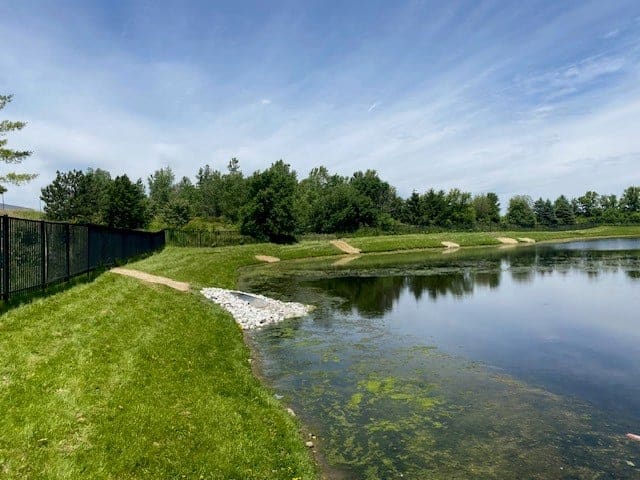
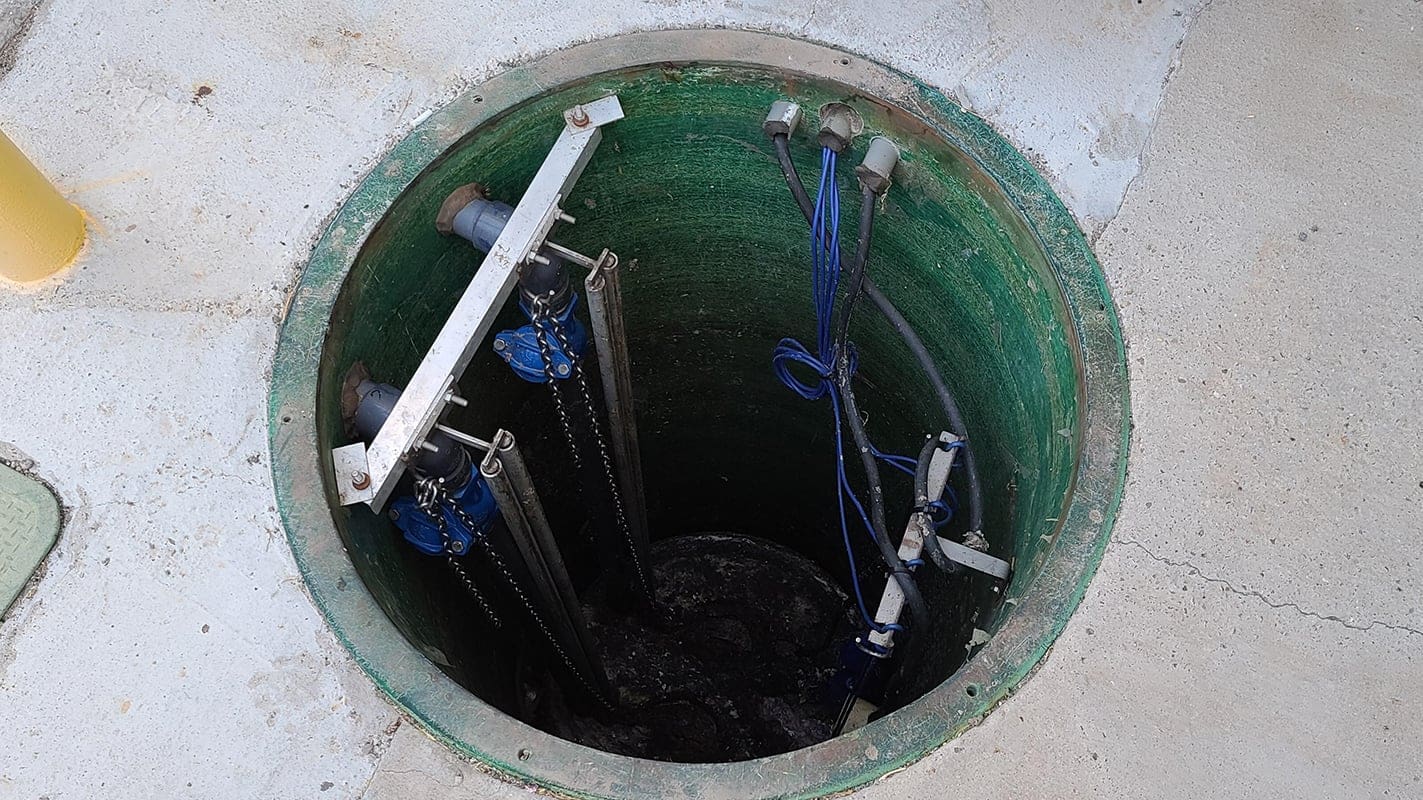
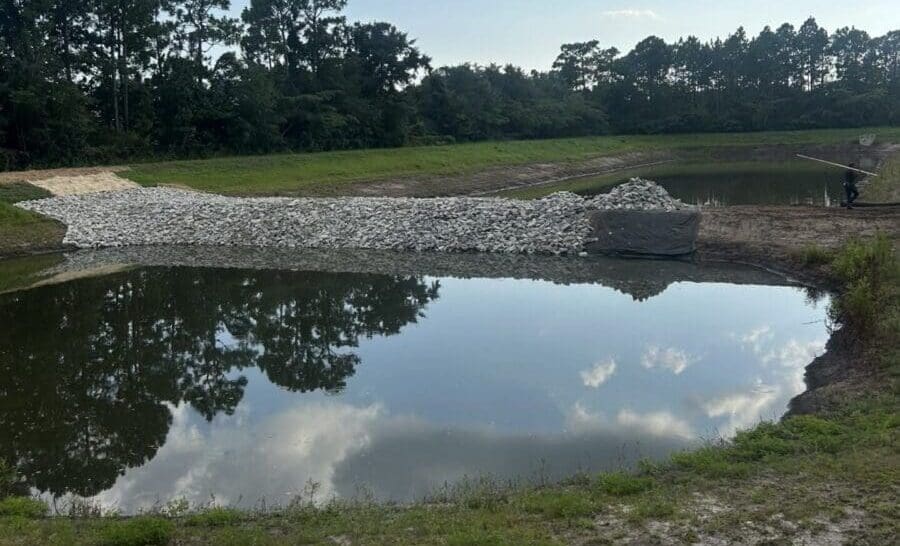
- The owner(s) of existing stormwater facilities, water quality management facilities, BMPs, vegetated buffers and water quality volume reduction areas shall at all times inspect and properly operate and maintain all facilities and systems of water quality treatment and drainage control (and related appurtenances), and all vegetated buffers and water quality volume reduction areas in such a manner as to maintain the full function of the facilities or best management practices which are installed or used by the property owner(s) to achieve compliance with this ordinance.
- Inspection and maintenance of privately-owned existing stormwater facilities, water quality management facilities, best management practices, vegetated buffers and water quality volume reduction areas shall be performed at the sole cost and expense of the owner(s) of such facilities/areas.
- Inspections and maintenance shall be performed in accordance with specific requirements and guidance provided in the water quality BMP manual. Inspection and maintenance activities shall be documented by the property owner (or his/her designee), and such documentation shall be maintained by the property owner for a minimum of three (3) years, and shall be made available for review by the city manager upon request.
- The city manager has the authority to impose more stringent inspection requirements as necessary for purposes of water quality protection and public safety.
- Prior to release of the performance bond, the property owner shall provide the city with an accurate record drawing of the property and an executed protective covenant for all BMPs, vegetated buffers, and areas that receive water quality volume reductions. The property owner shall record these items in the office of the register of deeds where the property is situated for Washington, Sullivan, or Carter Counties, Tennessee, as the case may be. The location of the best management practices, water quality management facilities, vegetated buffers and water quality volume reduction areas, and the water quality easements associated with these facilities/areas, shall be shown on a plat that is also recorded where the property is situated in the office of the Register of Deeds for Washington, Sullivan, or Carter Counties, Tennessee, as the case may be.
- The removal of sediment and/or other debris from existing stormwater facilities, water quality management facilities and best management practices shall be performed in accordance with all city, state, and federal laws. Guidelines for sediment removal and disposal are referenced in the water quality BMP manual. The city manager may stipulate additional guidelines if deemed necessary for public safety.
- The city manager may order corrective actions to best management practices, existing stormwater facilities, water quality management facilities, vegetated bugger areas and/or water quality volume reduction areas as are necessary to properly maintain the facilities/areas within the city for the purposes of water quality treatment, channel erosion protection, adherence to local performance standards, and/or public safety. If the property owner(s) fails to perform corrective action(s), the city manager shall have the authority to order the corrective action(s) to be performed by the city or others. In such cases where a performance bond exists, the city shall utilize the bond to perform the corrective actions. In such cases where a performance bond does not exist, the property owner shall reimburse the city for double its direct and related expenses. If the property owner fails to reimburse the city, it is authorized to file a lien for said costs against the property and to enforce the lien by judicial foreclosure proceedings.
- This ordinance does not authorize access to adjoining private property by the property owner or site operator. Arrangements concerning removal of sediment or pollutants on adjoining property must be settled by the owner or operator with the adjoining landowner.
Johnson City Stormwater Utility Fee
How Much?
The Stormwater User Fee took effect on July 1st, 2007 at a rate of $1.50 per SFU per month. It has since increased to $3.00 as of July 1st 2009 with no further scheduled increases
Who Pays the Fee?
Every property with impervious surface on it must pay a stormwater user fee including all Johnson City single family homes, business, industries, non-profit organizations, churches and schools. This approach promotes equity – the more impervious area located on the property, the higher the user fee.
View State Page
Frequently Asked Questions
What are my ongoing maintenance responsibilities for stormwater facilities in Johnson City?
As the property owner, you’re responsible for inspecting, operating, and maintaining your stormwater facilities, BMPs, and vegetated buffers so they keep functioning as intended, entirely at your own cost. You’ll also need to document inspection and maintenance activity and keep those records for at least 3 years, since the city manager can request them at any time. AQUALIS can help set up a maintenance and recordkeeping routine that meets these standards.
Can the city access my neighbor's property to fix a problem originating on my site in Johnson City?
No. The stormwater ordinance doesn’t authorize access to adjoining private property. If sediment or pollutants need to be addressed on a neighboring property, that has to be worked out directly between the owner or operator and the adjoining landowner.
Is there a stormwater utility fee for properties in Johnson City, Tennessee?
Yes. Every property with impervious surface, including homes, businesses, industries, nonprofits, churches, and schools, pays a monthly stormwater user fee. The fee is calculated based on a property’s impervious surface area divided by the average single family unit size of 3,315 square feet. As of July 1, 2009, the rate is $3.00 per single family unit per month, with no further increases currently scheduled.
The information on this page is provided for general informational purposes only and is not legal advice. Regulations change frequently — AQUALIS makes no warranty as to the accuracy or completeness of this content, and any reliance on it is at your own risk. Consult a qualified professional or your local regulatory authority to confirm requirements applicable to your specific property.