

Last Updated 08/07/2026
EXCERPT- City of Lancaster Stormwater Ordinance, February 2015
Article III. Stormwater Management Standards
260-301. General requirements.
A. Preparation of a SWM site plan is required for all regulated activities, unless preparation and submission of the SWM site plan is specifically exempted according to § 260-502.
B. No regulated activities shall commence until the City of Lancaster issues unconditional written approval of a SWM site plan or stormwater permit.
C. SWM site plans approved by the City of Lancaster, in accordance with § 260-505, shall be on site throughout the duration of the regulated activity.
D. The City of Lancaster may, after consultation with DEP, approve measures for meeting the state water quality requirements other than those in this chapter, provided that they meet the minimum requirements of, and do not conflict with, state law, including, but not limited to, the Clean Streams Law. The City of Lancaster shall maintain a record of consultations with DEP pursuant to this subsection. Where an NPDES permit for stormwater discharges associated with construction activities is required, issuance of an NPDES permit shall constitute satisfaction of consultation with DEP.
E. For all regulated activities, erosion and sediment control BMPs shall be designed, implemented, operated, and maintained to meet the purposes and requirements of this chapter and to meet all requirements under Title 25 of the Pennsylvania Code and the Clean Streams Law. Various BMPs and their design standards are listed in the Erosion and Sediment Pollution Control Program Manual (E&S Manual), No. 363-2134-008 (March 2012), as amended and updated.
F. Applicants have the option to propose a regional stormwater management plan or participate in a regional stormwater management plan developed by others. A regional stormwater management plan may include off-site volume and rate control, as appropriate and supported by a detailed design approved by the City of Lancaster in accordance with § 260-301D. A regional stormwater management plan must meet all of the volume and rate control standards required by this chapter for the area defined by the regional stormwater management plan, but not necessarily for each individual development site. Appropriate easement and O&M agreements must be established to ensure the requirements of this chapter and the requirements of the regional stormwater management plan are met.
G. Unless prohibited by the City of Lancaster Building Construction and Floodplain Ordinance,[1] Zoning Ordinance,[2] or any ordinance which regulates construction and development within the areas of the City of Lancaster subject to flooding, and any other applicable requirements of the Flood Plain Management Act, stormwater management facilities located in the floodplain are permitted when designed and constructed in accordance with the provisions of the BMP Manual, the City Specifications and Guidelines Manual, the Stormwater Management Fee Policy and Procedures Manual, other regulatory requirements, and the requirements of this chapter.
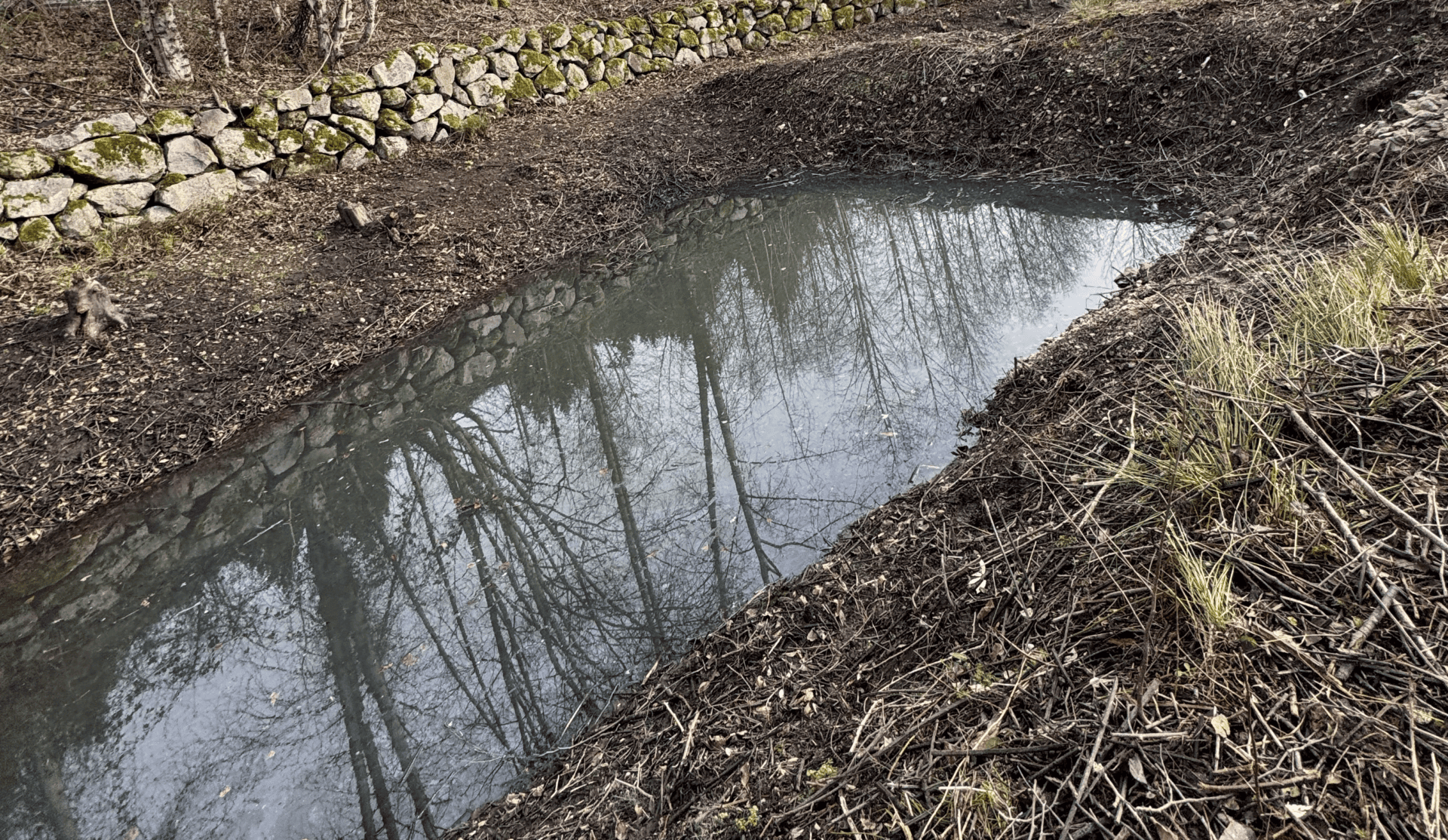
J. A planting plan is required for all vegetated stormwater BMPs.
(1) All trees and other vegetation shall be planted in accordance with the standards and regulations set forth in applicable City codes and ordinances, including but not limited to Chapter 265, the Subdivision and Land Development Ordinance; Chapter 273, the Trees Ordinance; and Chapter 300, the Zoning Ordinance.
(2) Native or naturalized/noninvasive vegetation suitable to the soil and hydrologic conditions of the development site shall be used unless otherwise specified in applicable state and local codes and regulations, including but not limited to the City Spec Manual and the BMP Manual.
(3) Invasive Vegetation may not be included in any planting schedule. (See Invasive Plants in Pennsylvania by the Department of Conservation and Natural Resources [DCNR].)
(4) The limit of existing native vegetation to remain shall be delineated on the plan, along with proposed construction protection measures.
(5) Prior to construction, a tree protection zone shall be delineated in accordance with the City Tree Ordinance or no less than at the dripline of the tree canopy. All trees scheduled to remain during construction shall be marked; however, where groups of trees exist, only the trees on the outside edge need to be marked. A barrier, such as a forty-eight-inch-high snow fence or forty-eight-inch-high construction fence mounted on steel posts located eight feet on center, shall be placed along the tree protection boundary. No construction, storage of material, temporary parking, pollution of soil, or regrading shall occur within the tree protection zone.
(6) All planting shall be performed in conformance with good nursery and landscape practice. Plant materials shall conform to the standards recommended by the American Association of Nurseryman, Inc., in the American Standard of Nursery Stock.
(a) Planting designs are encouraged to share planting space for optimal root growth whenever possible.
(b) No staking or wiring of trees shall be allowed without a maintenance note for the stake and/or wire removal within one year of planting.
Article VI. Operation and Maintenance (O&M)
260-601. Responsibilities of applicants and landowners.
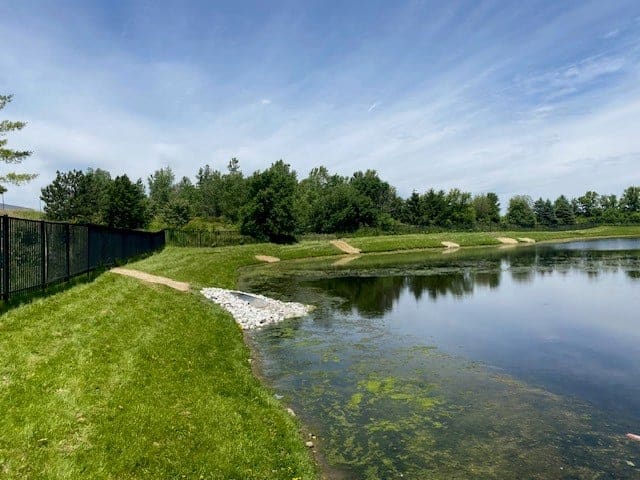
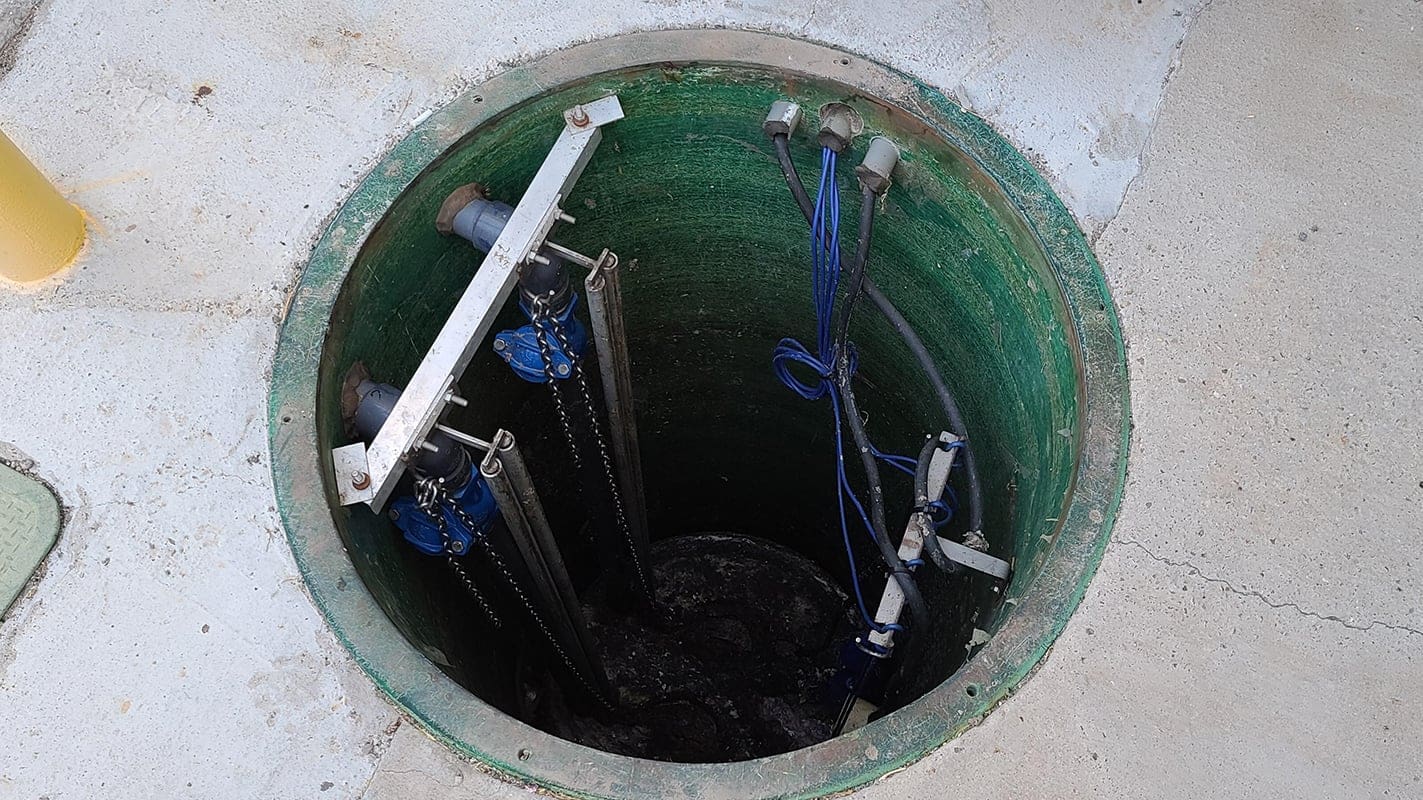
A. The landowner, successor and assigns shall maintain all stormwater management facilities in good working order in accordance with the approved O&M plan.
B. The landowner shall convey to the City of Lancaster easements to assure access for inspections and maintenance, if required.
C. The landowner shall keep on file with the City of Lancaster the name, address and telephone number of the person or company responsible for maintenance activities; in the event of a change, new information will be submitted to the City of Lancaster within 10 days of the change.
D. Enumerate permanent SWM facilities as permanent real estate appurtenances and record as deed restrictions or easements that run with the land.
E. The record owner of the development site shall sign and record an operation and maintenance (O&M) agreement covering all on-site and off-site stormwater management facilities, including riparian buffers and riparian forest buffers, which are to be privately owned. Said agreement, designated as Appendix C, is attached and made part hereto.[1] The O&M plan and agreement shall be recorded as a restrictive covenant agreement that runs with the land.
260-603. Operation and maintenance (O&M) plan contents.
A. The O&M plan shall clearly establish the operation and maintenance necessary to ensure the proper functioning of all temporary and permanent stormwater management facilities and erosion and sedimentation control facilities.
B. The following shall be addressed in the O&M plan:
(1) Description of maintenance requirements, including, but not limited to, the following:
(a) Regular inspection of the SWM facilities. To assure proper implementation of BMPs, maintenance and care SWM BMPs should be inspected by a qualified person, which may include the landowner, or the owner’s designee (including the City of Lancaster for dedicated and owned facilities), according to the following minimum frequencies:
[1] Annually for the first five years.
[2] Once every three years thereafter.
[3] During or immediately after the cessation of a ten-year or greater storm.
[4] As specified in the O&M agreement pursuant to § 260-602. In the instance that the O&M agreement and the schedule set forth in Subsection B(1)(a)[1], [2] and [3] above are inconsistent, the O&M agreement shall control.
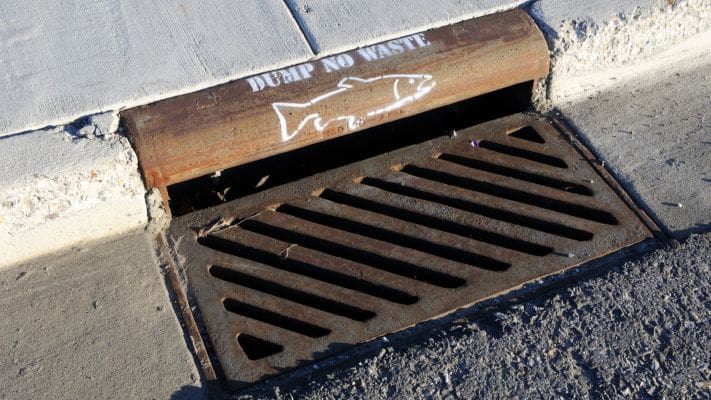
(b) All conveyance and detention facilities shall be kept free of any debris or other obstruction and in original design condition.
(c) Removal of silt from all permanent structures which trap silt or sediment in order to keep the material from building up in grass waterways, pipes, detention or retention basins, infiltration structures, or BMPs and thus reducing their capacity to convey or store water.
(d) Reestablishment of vegetation of scoured areas or areas where vegetation has not been successfully established. Selection of seed mixtures shall be subject to approval by the City of Lancaster.
(2) Riparian forest buffer management plan prepared in accordance with 25 Pa. Code Chapter 102, § 102.14(b)(4), if required.
(3) Identification of a responsible individual, corporation, association or other entity for ownership and maintenance of both temporary and permanent stormwater management and erosion and sedimentation control facilities.
(4) Establishment of suitable easements for access to all facilities.
Article IX. Enforcement and Penalties
260-901. Right of entry.
Upon presentation of proper credentials, duly authorized representatives of the City of Lancaster may enter at reasonable times upon any property within the City of Lancaster to investigate or ascertain the condition of the subject property in regard to any aspect regulated by this chapter.
260-902. Enforcement.
The City is hereby authorized and directed to enforce all of the provisions of this chapter.
A. Any permit or approval issued by the City of Lancaster pursuant to this chapter may be suspended by the City of Lancaster for:
(1) Noncompliance with or failure to implement any provision of the approved SWM site plan or O&M agreement.
(2) A violation of any provisions of this chapter or any other applicable law, ordinance, rule, or regulation relating to the regulated activity.
(3) The creation of any condition or the commission of any act during construction or development that constitutes or creates a hazard, nuisance, pollution or endangers the life or property of others.
B. A suspended permit may be reinstated by the City when:
(1) The City has inspected and approved the corrections to the violation that caused the suspension; and
(2) The City is satisfied that the violation has been corrected.
260-903. Violations and penalties.
A. Any person who or which has violated any provisions of this chapter, shall, upon a judicial determination thereof, be subject to civil judgment for each such violation of not less than $500, or more than $1,000, for each violation, recoverable with all court costs including reasonable attorney’s fees incurred by the City as a result thereof. Each day that a violation occurs shall constitute a separate offense unless the Judge determining that there has been a violation further determines that there was a good faith basis for the person, partnership, corporation or limited liability company violating the chapter to have believed that there was no such violation, in which event there shall be deemed to have been only one such violation until the fifth day following the date of the judicial determination of a violation, and thereafter each day that a violation continues shall constitute a separate violation. All fines shall be paid to City of Lancaster.
B. In addition, the City of Lancaster may institute injunctive, mandamus or any other appropriate action or proceeding at law or in equity for the enforcement of this chapter and may request any court of competent jurisdiction shall have the right to issue restraining orders, temporary or permanent injunctions, mandamus or other appropriate forms of remedy or relief.
View State Page
Frequently Asked Questions
Am I responsible for maintaining stormwater facilities on my Lancaster property?
Yes. As the landowner, along with your successors and assigns, you must maintain all stormwater management facilities in good working order according to your approved operation and maintenance (O&M) plan. This responsibility carries forward with the property, not just to the original developer.
Do I need to give the City of Lancaster access to my stormwater facilities?
Yes. You’re required to convey easements to the city to assure access for inspections and maintenance, if needed.
Do I need a recorded agreement for privately owned stormwater facilities in Lancaster, Pennsylvania?
Yes. As the record owner, you must sign and record an operation and maintenance agreement covering all on-site and off-site stormwater facilities that will be privately owned, including any riparian buffers. This agreement and your O&M plan are recorded as a restrictive covenant that runs with the land, so it carries over to future owners. AQUALIS can help property owners in Lancaster put together an O&M plan and agreement that meets the city’s requirements.
What does my stormwater O&M plan need to cover in Lancaster?
At minimum, your plan needs to address regular inspections, keeping conveyance and detention facilities free of debris and in their original design condition, removing silt from structures that trap it, and reestablishing vegetation in any scoured or bare areas. It also needs to identify who is responsible for maintenance and establish the easements needed for access.
How often do stormwater facilities need to be inspected in Lancaster?
At minimum, annually for the first 5 years, then once every 3 years after that, plus an inspection during or immediately after any storm of 10 years or greater. If your specific O&M agreement sets a different schedule, that agreement takes priority over these general minimums.
What are the financial penalties for stormwater violations in Lancaster?
Civil penalties range from $500 to $1,000 per violation, plus court costs and the city’s reasonable attorney’s fees. Each day a violation continues generally counts as a separate offense, though if a judge finds you had a good faith belief you weren’t in violation, it’s treated as a single ongoing violation until the fifth day after the judicial determination, after which each day again counts separately. Beyond civil penalties, the city can also pursue injunctive relief or other legal remedies through the courts.
Is there a stormwater fee for properties in the City of Lancaster?
Yes, under the city’s Stormwater Management Fee (SWMF) program. AQUALIS can help property owners understand how this fee applies to their specific property and whether any credits are available.
The information on this page is provided for general informational purposes only and is not legal advice. Regulations change frequently — AQUALIS makes no warranty as to the accuracy or completeness of this content, and any reliance on it is at your own risk. Consult a qualified professional or your local regulatory authority to confirm requirements applicable to your specific property.