



Last Updated 08/25/2026
Excerpt- Lincoln Flood and Water Quality Manual
8.0 Post Construction Best Management Practices
8.1.2 General Planning and Design Guidelines
The following general planning and design guidelines for structural and nonstructural controls are recommended when developing a water quality control strategy:
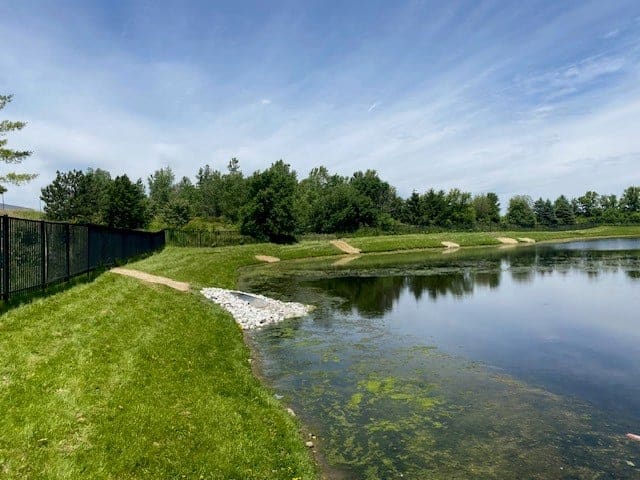
- Promote natural infiltration of urban runoff by minimizing on-site impervious areas and preserving natural, broad drainageways.
- Minimize directly connected impervious areas by providing grassed buffer zones between impervious surfaces.
- Divert runoff from impervious areas to pervious surfaces before the flows enter surface drainageways.
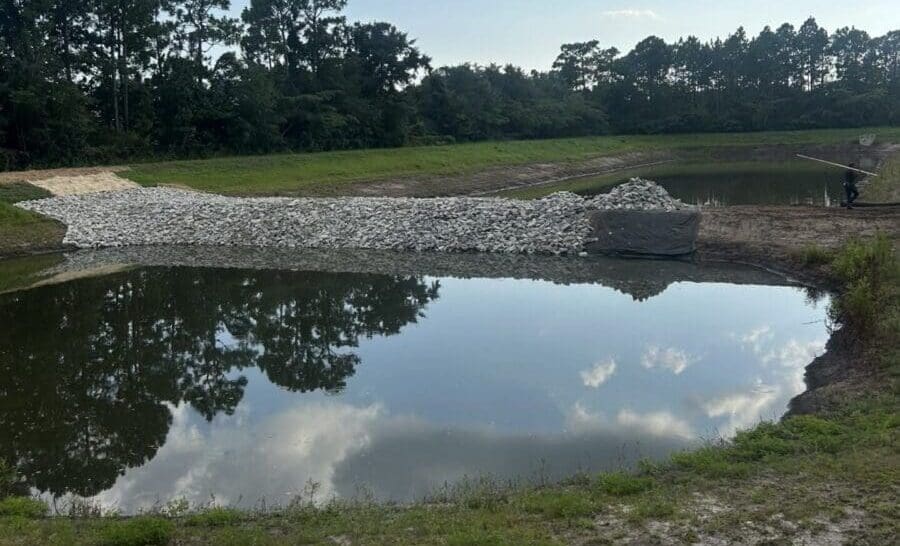
- Locate structural BMPs in areas that avoid creating a nuisance and the need for increased maintenance.
- Provide multiple accesses to facilities to improve maintenance capabilities.
- Revegetate and/or stabilize all areas disturbed by construction activities and all drainageways created as a part of a development.
- Ensure the plantings (e.g., grass) are established before the initial owner’s obligation is released and maintenance efforts begin.
- Select the appropriate option for the control objectives, specific conditions at the site, proper implementation, and maintenance for the most successful BMP.
8.4.1 Introduction
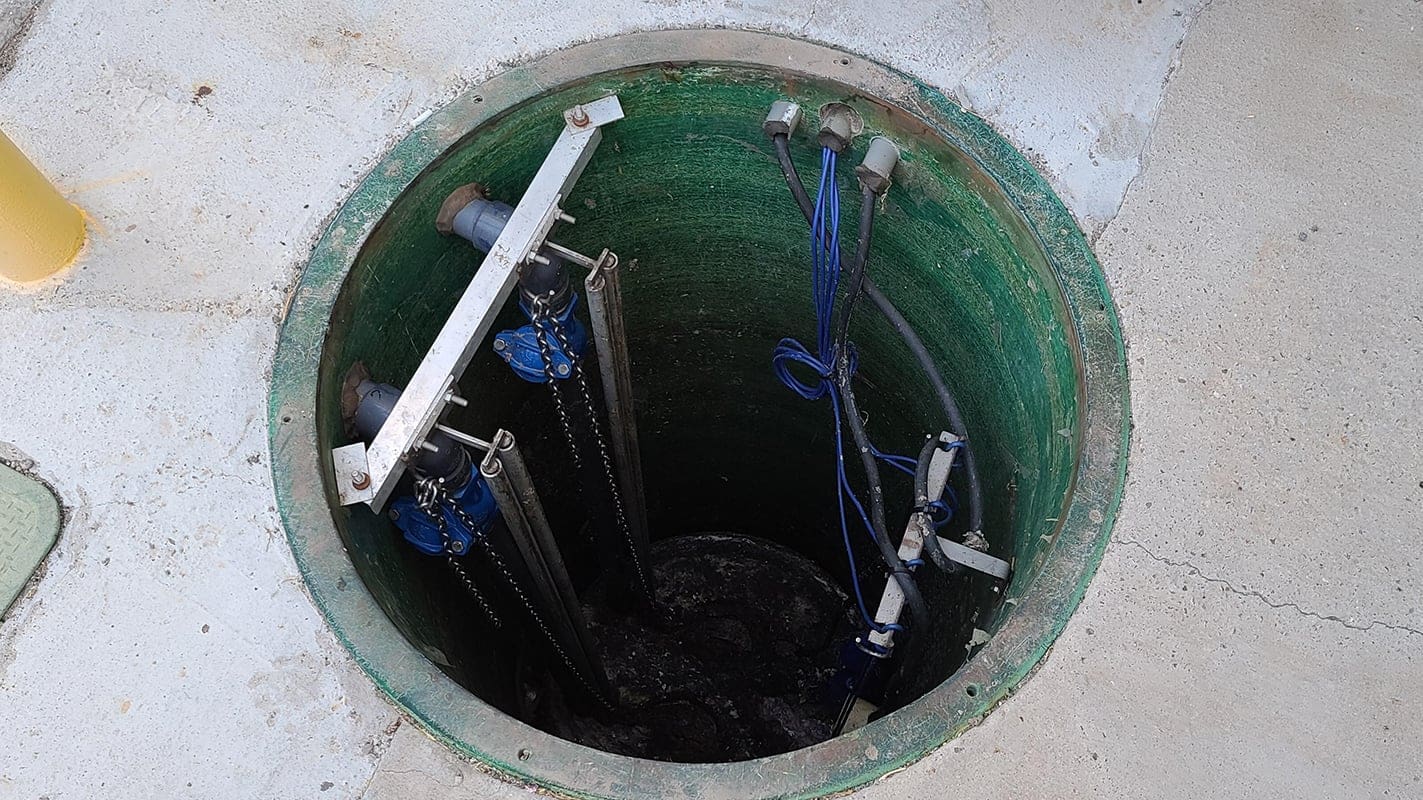
For stormwater BMPs to be effective, proper maintenance is essential. Maintenance includes routinely scheduled activities and nonroutine repairs that may be required after large storms
or because of other unforeseen problems. BMP maintenance is the responsibility of the entity owning the BMP. However, the City is responsible for ensuring the maintenance of privately
owned BMPs is being done, per the NPDES permit (i.e., construction stormwater permit). BMPs should be designed with maintenance as a key design consideration. Planning-level
design guidance pertaining to maintenance is included in selected individual BMP information contained within Appendix A of this manual, which also focuses on maintenance and provides
recommendations for BMP owners.
8.4.2 Maintenance Responsibility for BMP
Provisions shall be made in the approval of developments or redevelopments for the permanence of the BMP facilities and ongoing maintenance of BMP facilities using a stormwater management plan and maintenance agreement or other approved process. For private facilities, such as those owned and maintained by homeowners’ associations, there can be a lack of understanding of the maintenance required for BMPs. The stormwater management plan and maintenance agreement, site plans, maintenance plans and any other documents will be prepared and submitted as part of the initial development review / approval process. For new developments, the stormwater management plan, maintenance agreement and any other documents will be signed, submitted, and approved prior to the approval of the final plat. For redevelopments, the stormwater management plan, maintenance agreement and any other documents will be signed, submitted, and approved prior to building permit approval. Submittals will include a check to pay for the recording costs.
View State Page
Frequently Asked Questions
Who administers stormwater compliance in Lincoln?
Lancaster County doesn’t have its own MS4, so the City of Lincoln’s public works department administers stormwater inspections directly. BMP and post-construction maintenance requirements meet the minimum federal standards, since the EPA has delegated Clean Water Act authority to the State of Nebraska under the state’s Environmental Protection Act.
What design principles does Lincoln recommend for structural and nonstructural stormwater controls?
The city’s Flood and Water Quality Manual recommends minimizing on-site impervious area to promote natural infiltration, using grassed buffer zones to reduce directly connected impervious surfaces, and diverting runoff from impervious areas to pervious ground before it reaches drainageways. BMPs should be sited to avoid becoming a nuisance or driving up maintenance needs, and should have multiple access points to make upkeep easier.
Who is responsible for maintaining stormwater BMPs in Lincoln?
Maintenance responsibility falls to the entity that owns the BMP, but the city is responsible for confirming that privately owned BMPs are being properly maintained, as required under the NPDES construction stormwater permit. Because that responsibility often falls to homeowners associations or private property owners who may not fully understand what upkeep a BMP needs, maintenance is meant to be treated as a design consideration from the start, not an afterthought.
When does a Lincoln property need a stormwater management plan and maintenance agreement in place?
Timing depends on whether it’s new construction or redevelopment. For new developments, the stormwater management plan, maintenance agreement, and related documents must be signed, submitted, and approved before final plat approval. For redevelopments, those same documents must be signed, submitted, and approved before the building permit is approved.
What has to be submitted with a Lincoln stormwater maintenance agreement?
Along with the stormwater management plan, maintenance agreement, site plans, and maintenance plans, submittals must include a check covering the recording costs for those documents as part of the development review and approval process.
The information on this page is provided for general informational purposes only and is not legal advice. Regulations change frequently — AQUALIS makes no warranty as to the accuracy or completeness of this content, and any reliance on it is at your own risk. Consult a qualified professional or your local regulatory authority to confirm requirements applicable to your specific property.